
The summit wall of Dun Evan still breaks through the rocky hilltop above the Nairn valley. Dun Evan, also called the Doune of Cawdor, is a hillfort, a defended hilltop enclosure, south-west of Cawdor in the Highland area.
Its ruined circuit encloses the top of the rock, with traces of facing stones, vitrification, heat-fused stone from intense burning, and a likely entrance on the north-east. Lower down the slopes, arcs of walling and earthwork show that the hill was defended in more than one line.
What follows is drawn from published sources, with each claim labelled by how firmly it is established.
History
Dun Evan was built as a defended hilltop site between the River Nairn and the Allt Dearg valleys.
A summit wall enclosed the main rocky top, with a dip on the north-east suggesting the entrance.
A smaller inner enclosure probably represents a second defensive phase made partly from reused stone.
Surveyors recorded facing stones and traces of vitrification in the wall during the 20th century.
Outer arcs of walling and earthwork defended the flanks below the summit.
Historic Environment Scotland schedules the fort as a monument of national importance.
Connections
-
River Nairn
Main valley visible from the fort.
-
Allt Dearg
Tributary valley beside the hill.
-
Cawdor
Nearby settlement linked with the Doune of Cawdor name.
What to look for
-
Rocky summit circuit
Follow the broken wall line around the hilltop.
-
Vitrified stones
Burnt, heat-fused material was recorded in the defences.
-
Outer arcs
Lower wall lines show the broader defended hill.
Plan your visit
- Location
- 57.5030°N · 3.9581°W
- Access
- Open access
- Terrain
- Moderate walking
Opening & admission
- Rocky hillfort south-west of Cawdor; source confirms setting but not access rights.
Nearby places
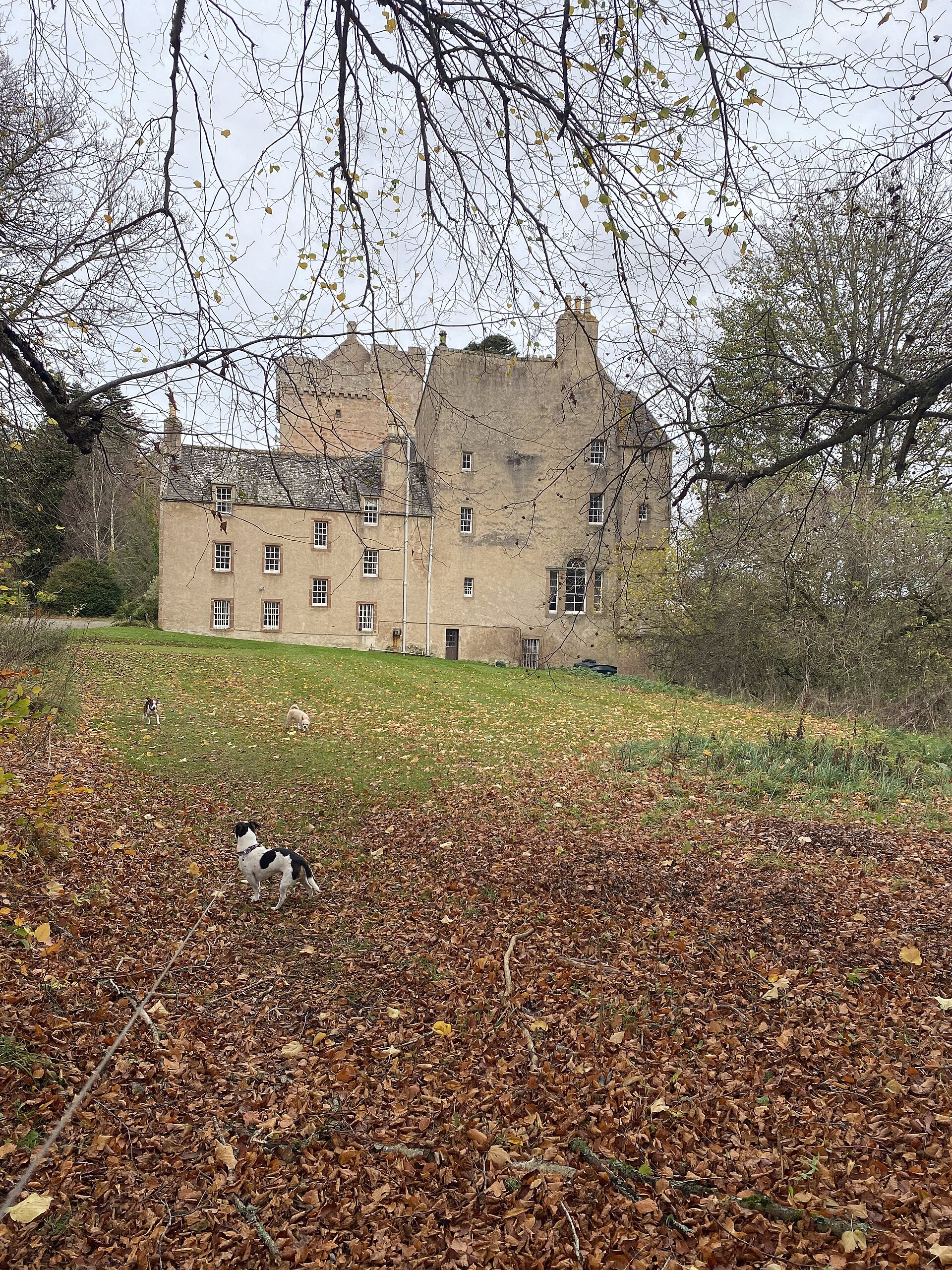
Minor monument · Medieval
Dovecot, Kilravock Castle
Highland
Dovecote with HES-listed pre-1800 evidence (1460).
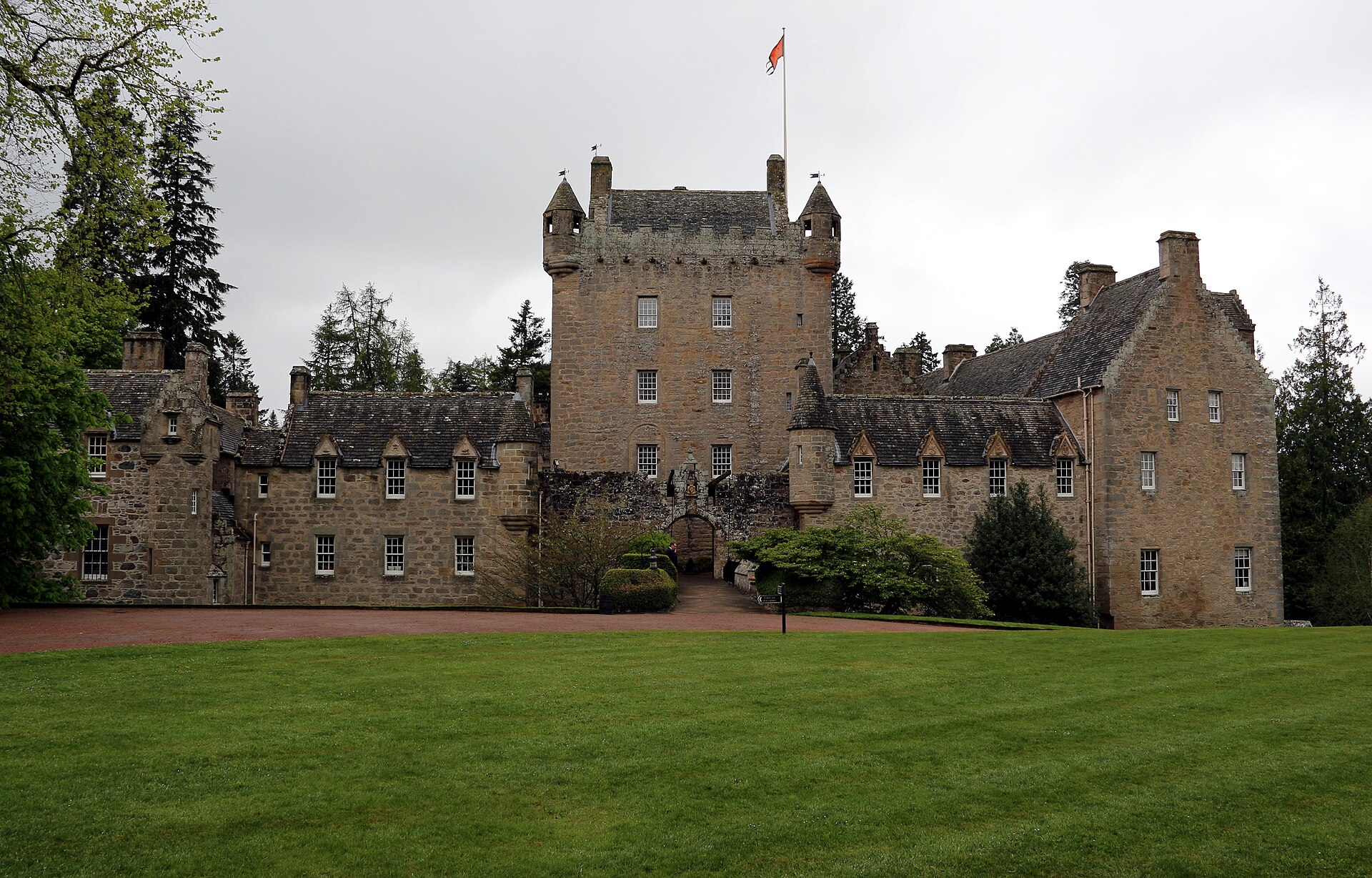
Fortified place · Medieval
Cawdor Castle
Highland
One of Scotland's enduring inhabited castles, Cawdor grew from a medieval Highland tower into the seat of the Thanes of Cawdor and carries a litera…
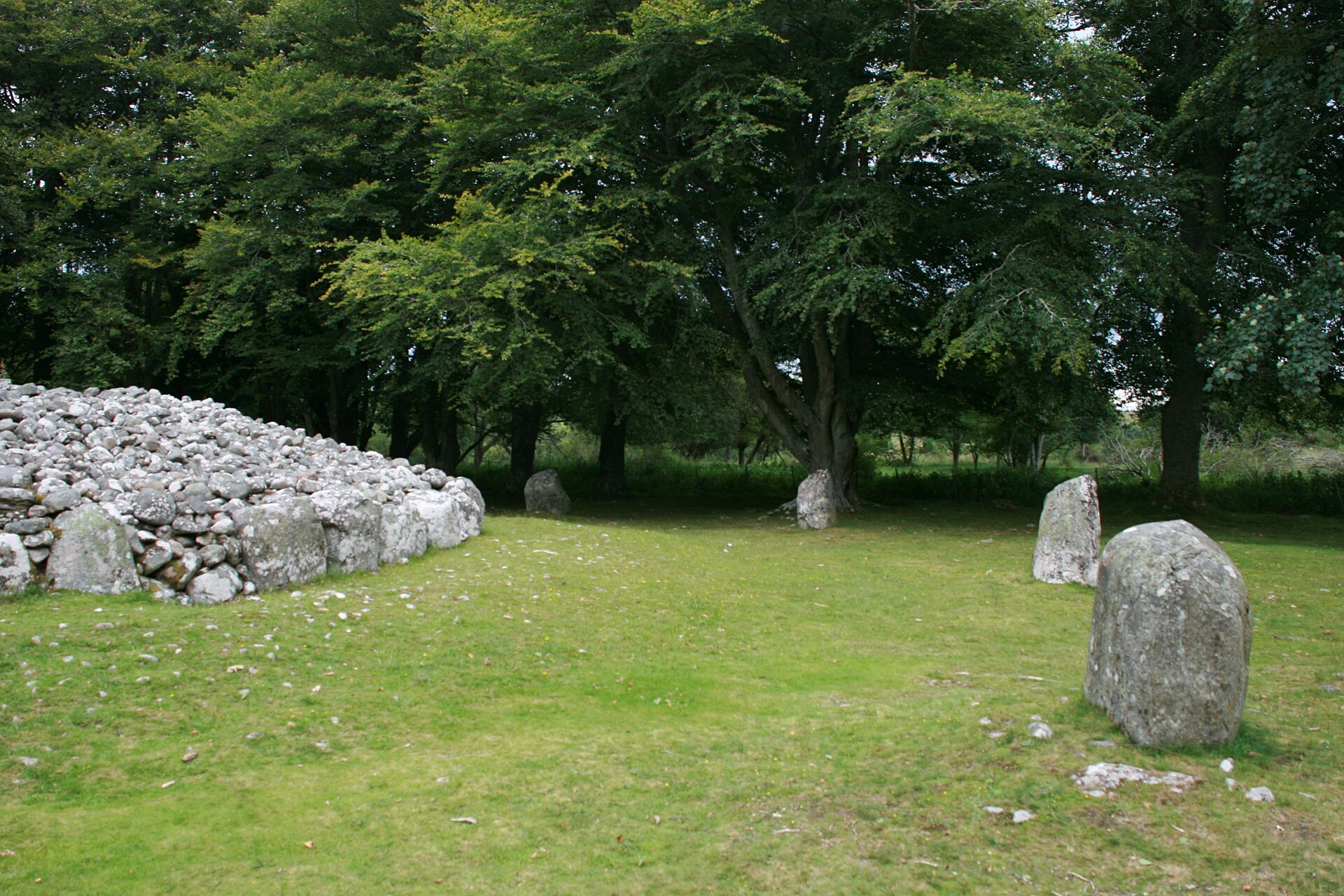
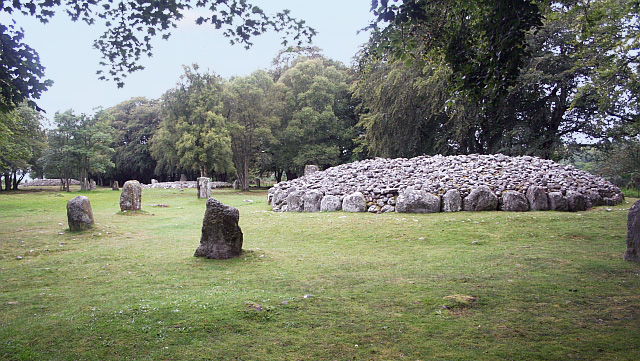
Tomb or burial place · Prehistoric
Clava Cairns
Highland
A Bronze Age funerary monument of the Inverness/Moray Firth communities; the three cairns and their stone circles appear to have been built as a si…
- Near Inverness
- 149 metres from car park
- Easy path
Questions people ask
- What is Dun Evan?
- It is a hillfort, a defended hilltop enclosure, also known as the Doune of Cawdor.
- Why is vitrification mentioned?
- Some stones in the wall were heat-fused, showing the fort was exposed to intense burning.
- Was there more than one phase?
- Yes. A smaller summit enclosure probably belongs to a later defensive phase.
- Is the site protected?
- Yes. Historic Environment Scotland schedules it as nationally important.
Sources
Explore more: Fortified places · Iron Age · Highland
The Ancient Codex, in your pocket
Get the Pocket Codex app
Carry the directory with you — Dun Evan and thousands of ancient places across Britain and Ireland, offline, wherever you roam.