
A Bronze Age funerary monument of the Inverness/Moray Firth communities; the three cairns and their stone circles appear to have been built as a single, deliberate design rather than added to over…
Clava Cairns is a tomb or burial place near Inverness, Highland, Scotland.
What follows is drawn from published sources, with each claim labelled by how firmly it is established.
The name
'Clava' is the name of the locality (Balnuaran of Clava) that gives the whole cairn type its name; the site is the type site for ~50 similar 'Clava cairns' around Inverness and the Moray Firth.
History
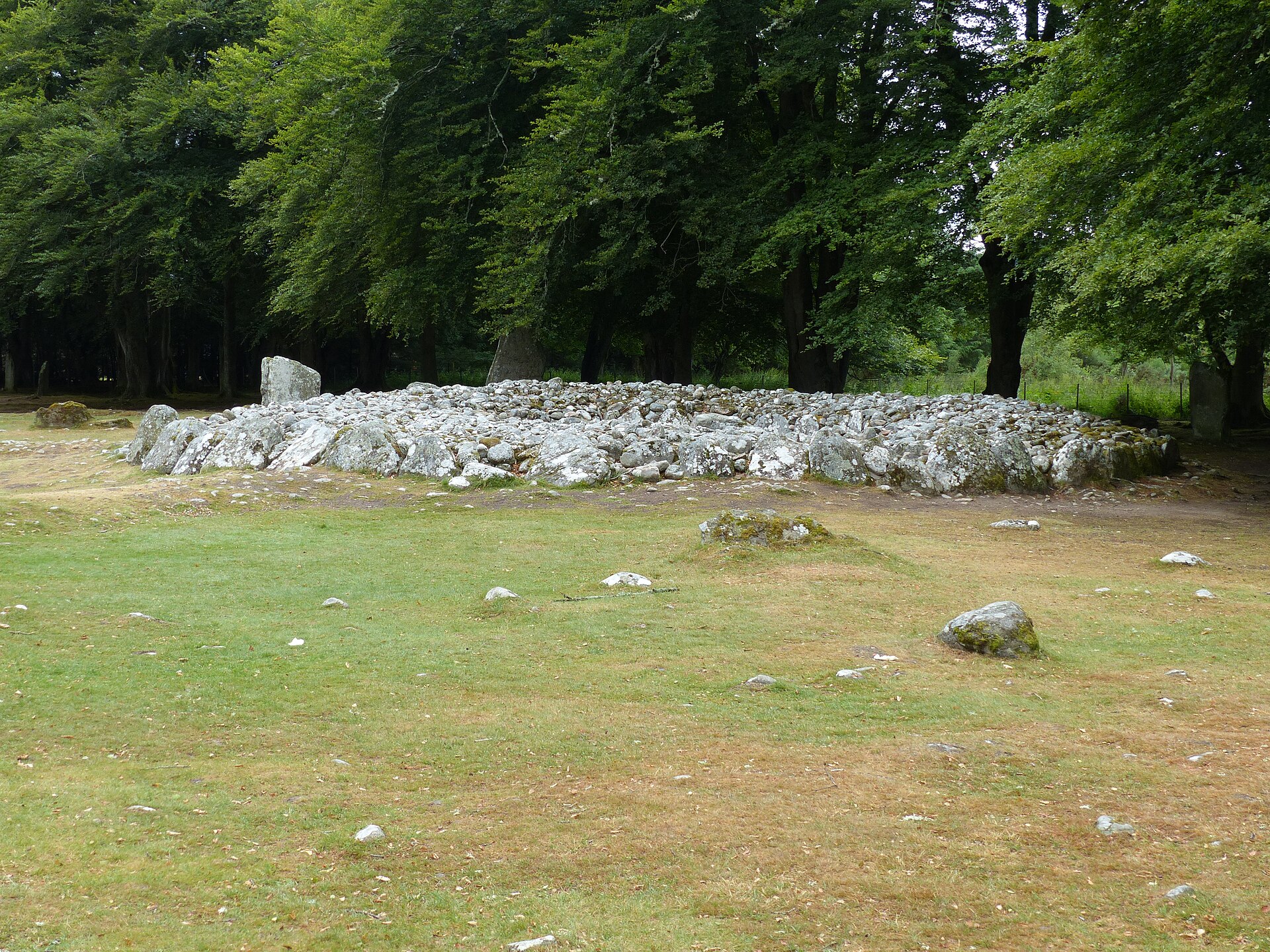
A Bronze Age funerary monument of the Inverness/Moray Firth communities; the three cairns and their stone circles appear to have been built as a single, deliberate design rather than added to over time.
People
-
Bronze Age communities of the Moray Firth
Builders; no named individuals (prehistoric)
Cultural influences
-
Prehistoric funerary and ritual tradition: passage graves and ring cairns enclosed by stone circles, with only one or two burials per tomb — suggesting the dead were not revisited.
-
Astronomical orientation: the passage-grave entrances and graded standing stones are aligned south-west towards the midwinter sunset — a designed feature of the type, not a later legend.
Connections
-
~50 Clava-type cairns around Inverness & the Moray Firth
Balnuaran of Clava is the type site for all of them
-
Culloden Battlefield
Immediately adjacent — the dominant visitor pairing (NTS visitor centre)
Discovery & excavation
Excavation and dating history not covered by the free type article.
What to look for
-
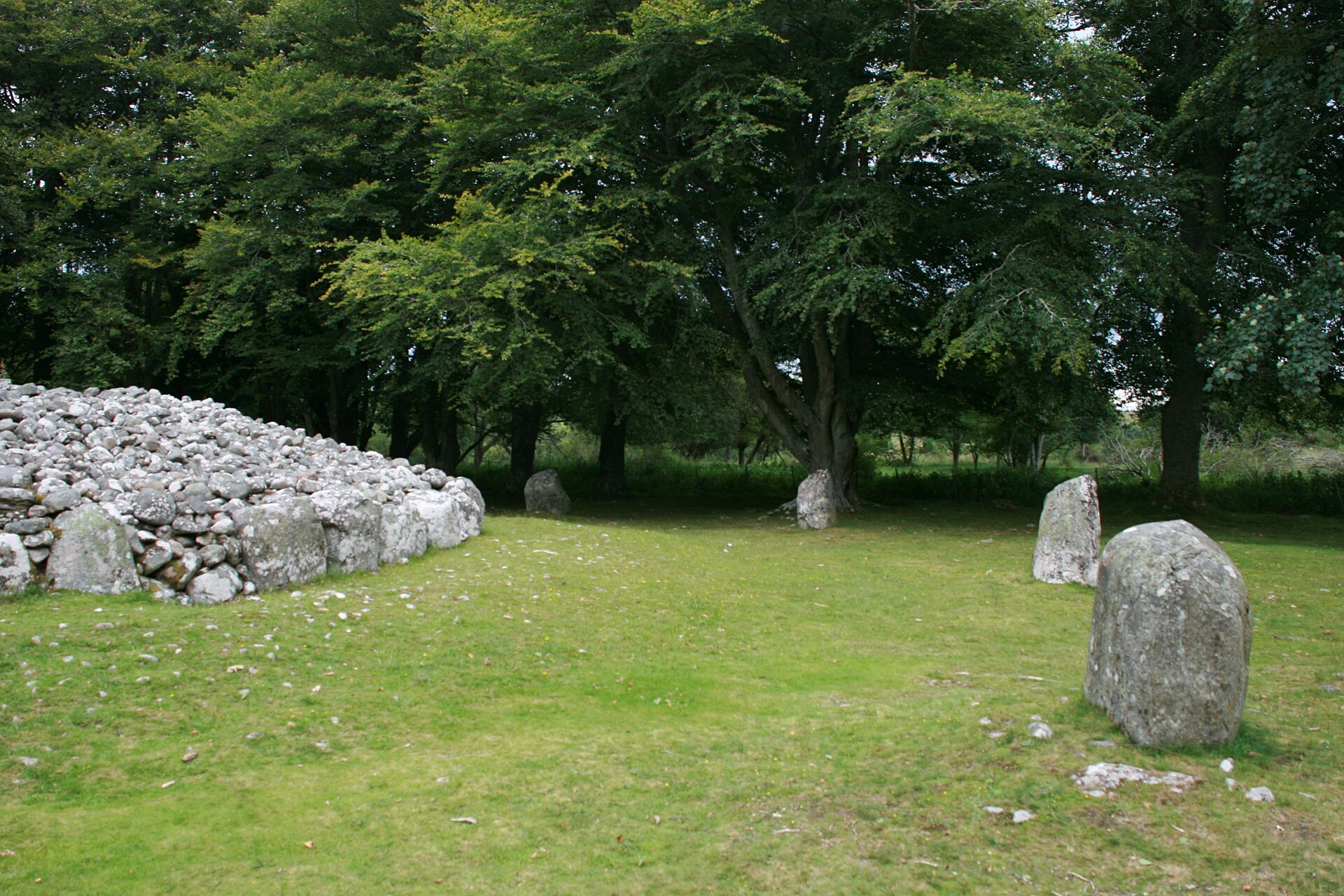
Three cairns in a line (NE passage grave, central ring cairn, SW passage grave), each ringed by a stone circle.
-
Kerb stones graded by size AND colour — larger and redder to the south-west, smaller and whiter to the north-east.
-
The central ring cairn's unique stone 'rays' — causeways radiating from the platform to three of the standing stones.
-
Cup-and-ring marked stones, carved earlier and reused in the cairn structures.
Plan your visit
- Location
- General area near Inverness, Highland
- Nearest settlement
- Inverness
- Access
- Open access
- Terrain
- Easy going
- Best time
- Open year-round; the south-west midwinter-sunset alignment is the atmospheric draw in late December.
- What survives
- All three cairns, their stone circles and graded kerbs survive well and are among the best-preserved Clava cairns.
- Start point
- Clava Cairns (Balnuaran of Clava) car park — On-site HES car park (parking available per HES); note the 17-tonne vehicle weight limit on the access road. Signposted from the B9091, 300 yards east of Culloden Battlefield.
Opening & admission
Free entry
- Open year-round.
This is a sensitive site, so we show its general area only. Please use the official access information here rather than seeking out an independent route.
Nearby places
Minor monument · Medieval
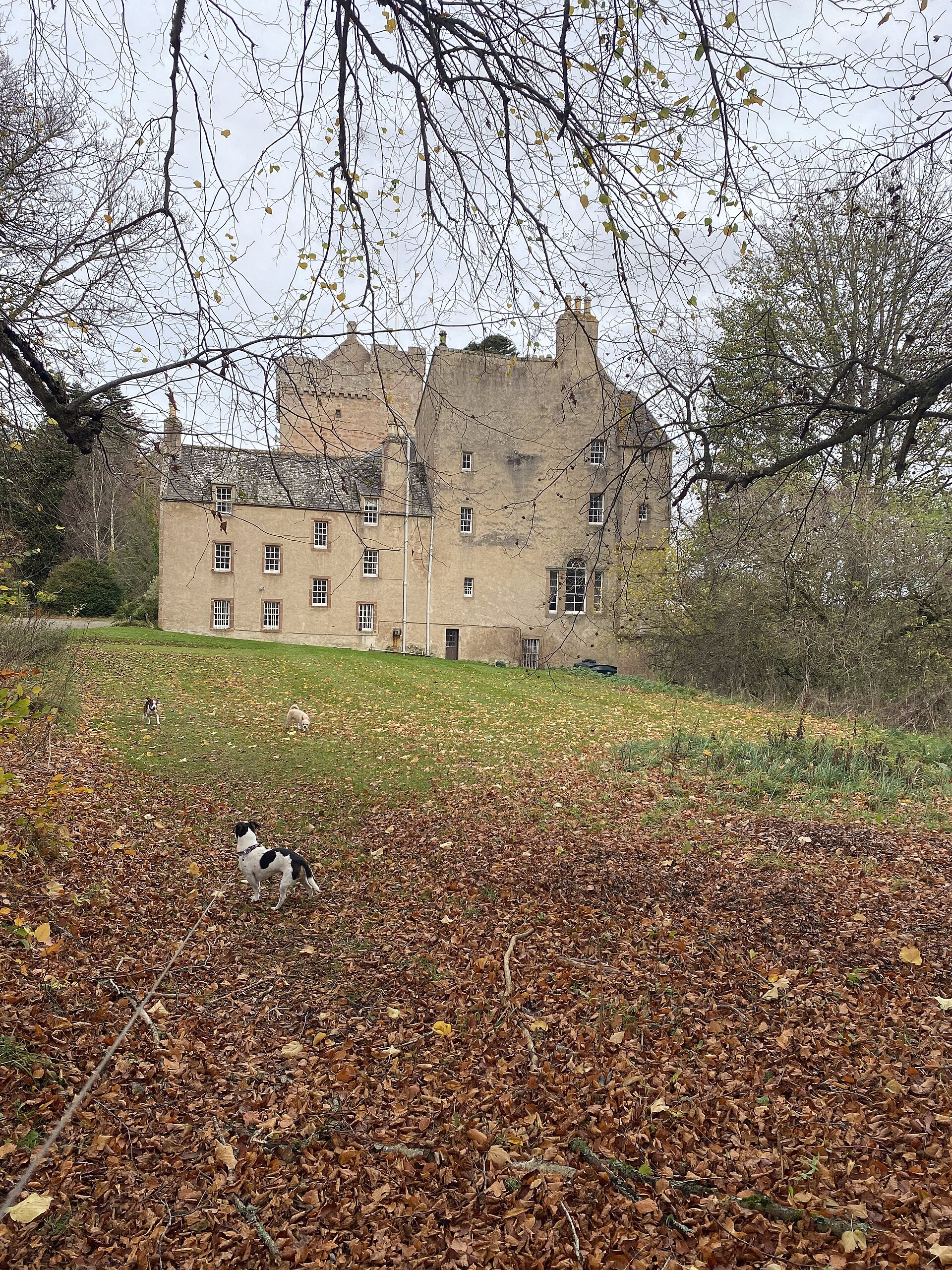
Dovecot, Kilravock Castle
Highland
Dovecote with HES-listed pre-1800 evidence (1460).
Fortified place · Medieval
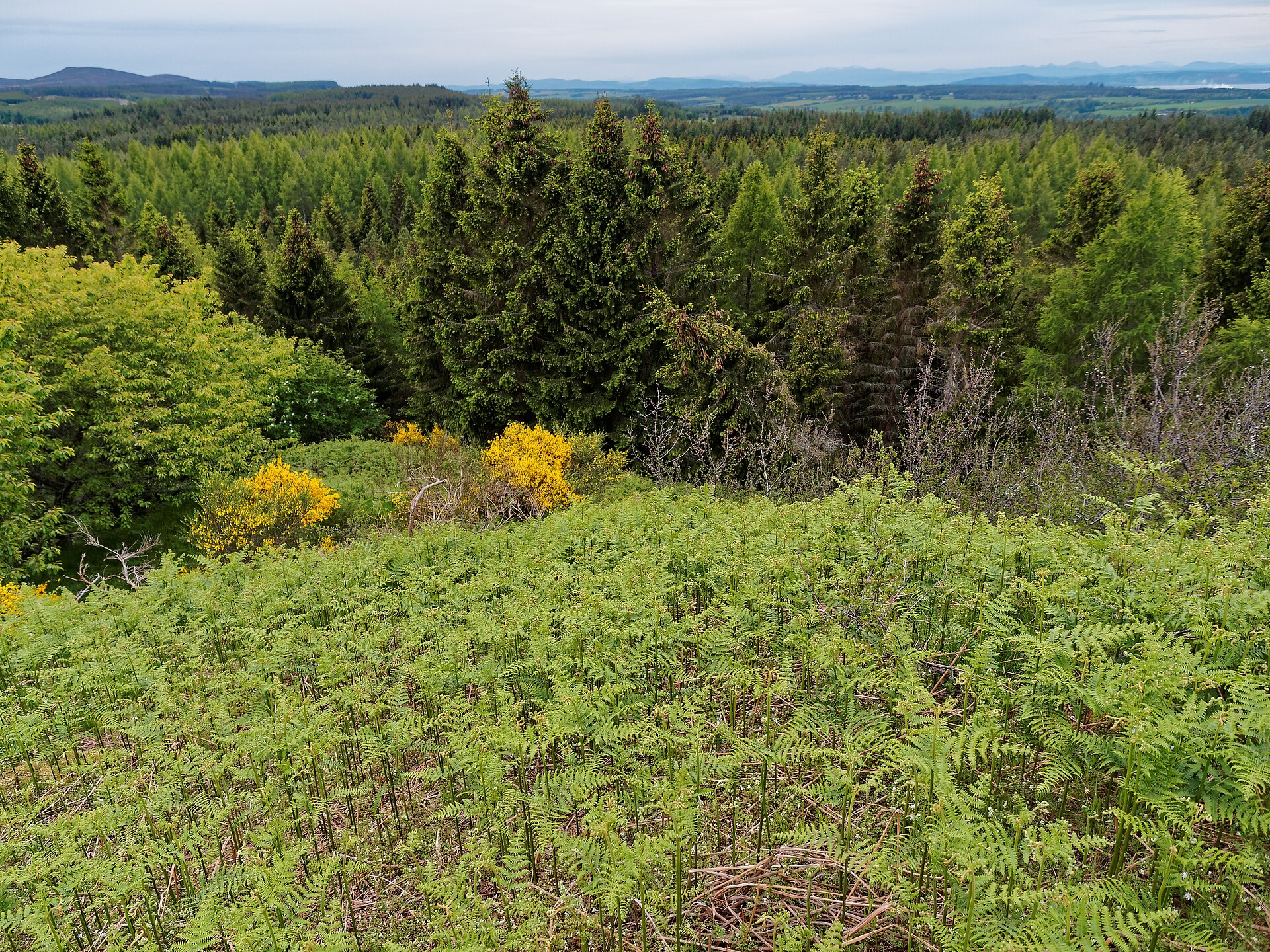
Inverness Castle
Highland
It marks a site fortified for close to a thousand years and bound up with pivotal moments of Highland and Scottish history, from Robert the Bruce t…
Sources
- Canmore site record 14264 (accessed 2026-06-13)
- Trove (HES) record (accessed 2026-06-13)
- Wikidata Q39505213 (accessed 2026-06-13)
Explore more: Tomb or burial places · Prehistoric · Highland
The Ancient Codex, in your pocket
Get the Pocket Codex app
Carry the directory with you — Clava Cairns and thousands of ancient places across Britain and Ireland, offline, wherever you roam.