
It marks a site fortified for close to a thousand years and bound up with pivotal moments of Highland and Scottish history, from Robert the Bruce to Mary, Queen of Scots.
Inverness Castle occupies a commanding site that has carried a succession of strongholds since the eleventh century. Tradition credits Malcolm III with the earliest castle here, and the fortresses that followed were repeatedly caught up in the turbulence of Highland politics. Robert the Bruce razed its defences in 1307; in 1428 James I lured some fifty clan chiefs to a parley, then had a number of them seized and imprisoned. George Gordon, 4th Earl of Huntly, completed a towered castle in 1548, and in 1562 the Gordons barred Mary, Queen of Scots from entering until neighbouring clans drove them out and secured it for her. The site withstood repeated sieges through the seventeenth and eighteenth centuries, the last in 1746. The red sandstone building seen today is largely the work of the architect William Burn, completed in 1836, with a north block added by Thomas Brown in 1848. For much of its modern life it housed the sheriff court and the county council; the courts moved out in 2020 and the castle closed in 2021 for a major refurbishment ahead of reopening as a visitor attraction. Its silhouette even appears on Royal Bank of Scotland fifty-pound notes.
What follows is drawn from published sources, with each claim labelled by how firmly it is established.
What to look for
-
The red sandstone building designed by the architect William Burn and completed in 1836
-
The north block added by Thomas Brown in 1848
-
Its appearance on Royal Bank of Scotland fifty-pound notes
-
Its literary association with Shakespeare's Macbeth as the setting for King Duncan's murder
Plan your visit
- Location
- 57.4763°N · 4.2255°W
Nearby places
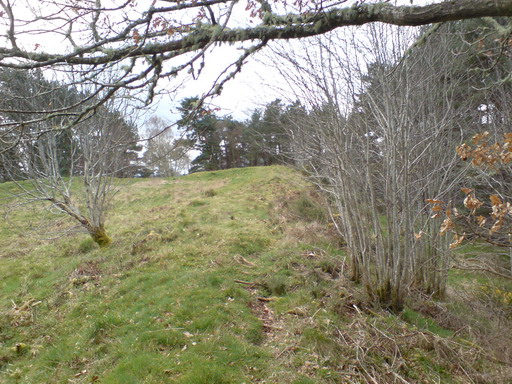
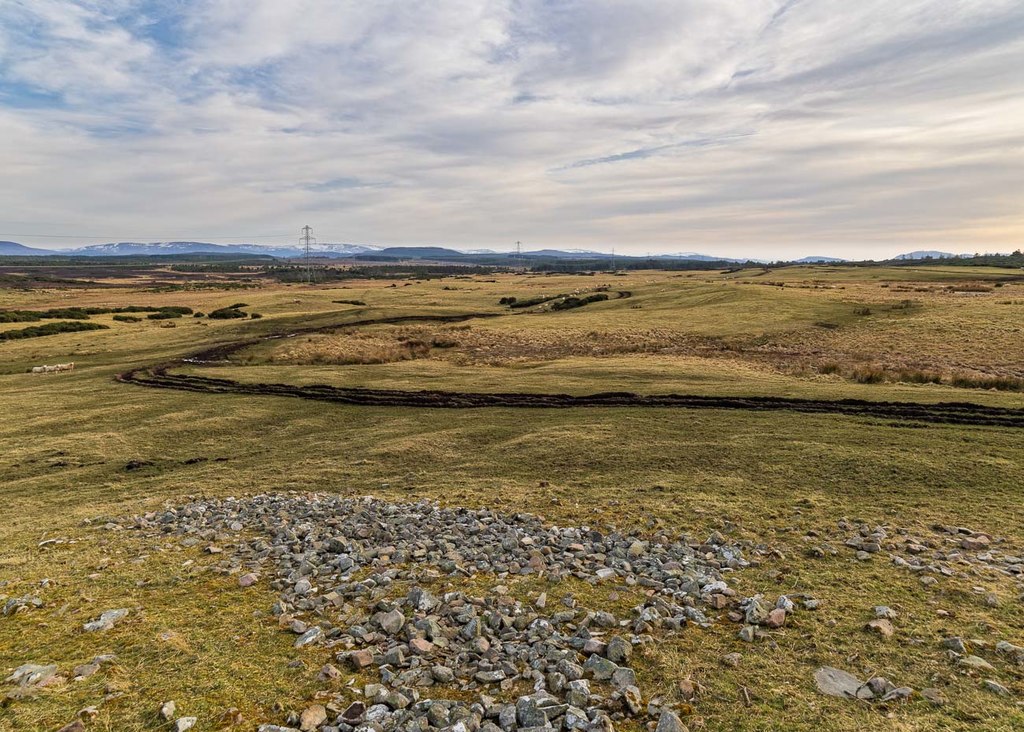
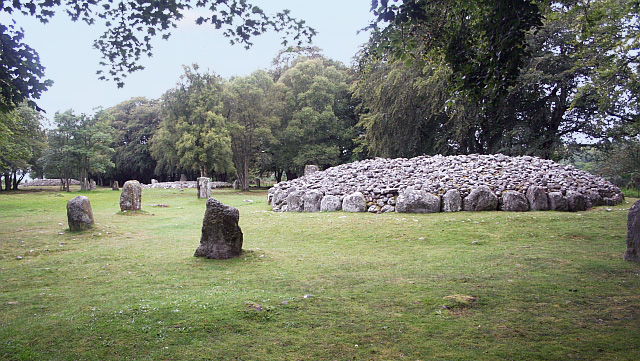
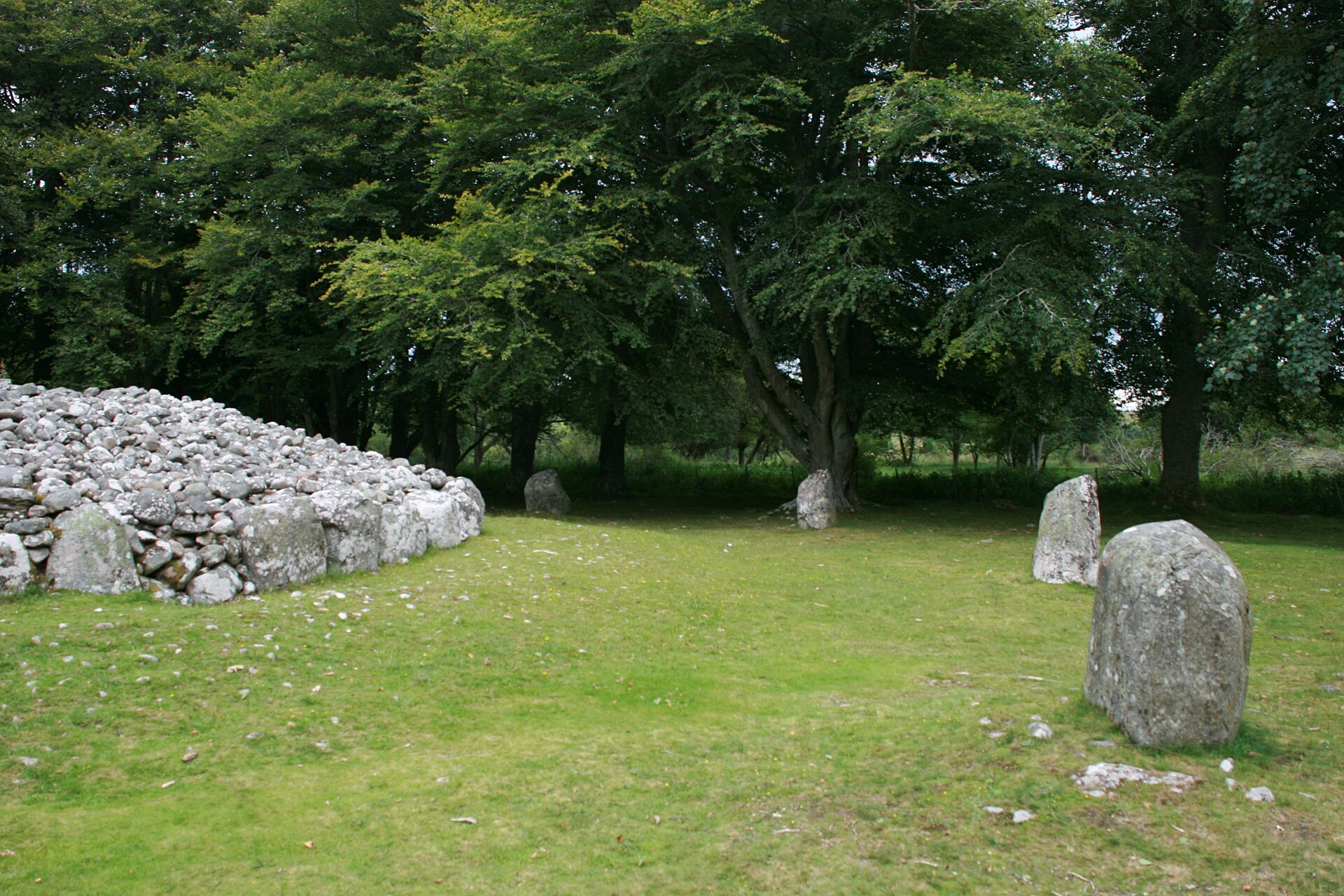
Tomb or burial place · Prehistoric
Clava Cairns
Highland
A Bronze Age funerary monument of the Inverness/Moray Firth communities; the three cairns and their stone circles appear to have been built as a si…
- Near Inverness
- 149 metres from car park
- Easy path
The Ancient Codex, in your pocket
Get the Pocket Codex app
Carry the directory with you — Inverness Castle and thousands of ancient places across Britain and Ireland, offline, wherever you roam.