
A reconstructed sandstone cross now stands in Groam House Museum with Pictish symbols carved across its reverse. The Rosemarkie Stone, also called the Rosemarkie Cross, is a Class II Pictish stone, an early-medieval carved monument combining a Christian cross with older Pictish symbols.
The stone was found broken in the old church floor at Rosemarkie before 1821 and has since been put back together. Its front carries an elaborate cross, while the reverse is crowded with crescents, V-rods, a double-disc and Z-rod, a small lower cross and interlace along the sides.
What follows is drawn from published sources, with each claim labelled by how firmly it is established.
History
Rosemarkie was probably the site of a major Pictish monastery on the Black Isle of Easter Ross.
Before 1821 the Rosemarkie Stone was found in the floor of the old church in the village.
When it was discovered, the fine-grained sandstone monument had already broken into two parts.
The two pieces were later reconstructed, allowing the cross and symbol faces to be read as one monument again.
The reconstructed stone is now displayed at Groam House Museum in Rosemarkie.
The stone is notable because it is the only Pictish stone known to bear three versions of the same symbol.
Connections
-
Groam House Museum
Current display place of the reconstructed stone.
-
Rosemarkie sculpture fragments
Related carved fragments from the same Easter Ross centre.
-
Rosemarkie old church
Discovery setting where the stone was found in the floor.
Discovery & excavation
The stone was found before 1821 in the floor of Rosemarkie’s old church, already broken into two parts that were later reconstructed.
Finds now held at: Groam House Museum.
What to look for
-
Elaborate cross
The front face carries a richly decorated Christian cross.
-
Repeated symbols
The reverse includes three crescents and V-rods plus a double-disc and Z-rod.
-
Interlace sides
The narrow sides are also decorated with interlace patterns.
Plan your visit
- Location
- 57.5914°N · 4.1133°W
- Access
- Open access
- Terrain
- Easy going
Opening & admission
Check the museum before travelling.
- Reconstructed stone is displayed in Groam House Museum.
Nearby places
Fortified place · Medieval
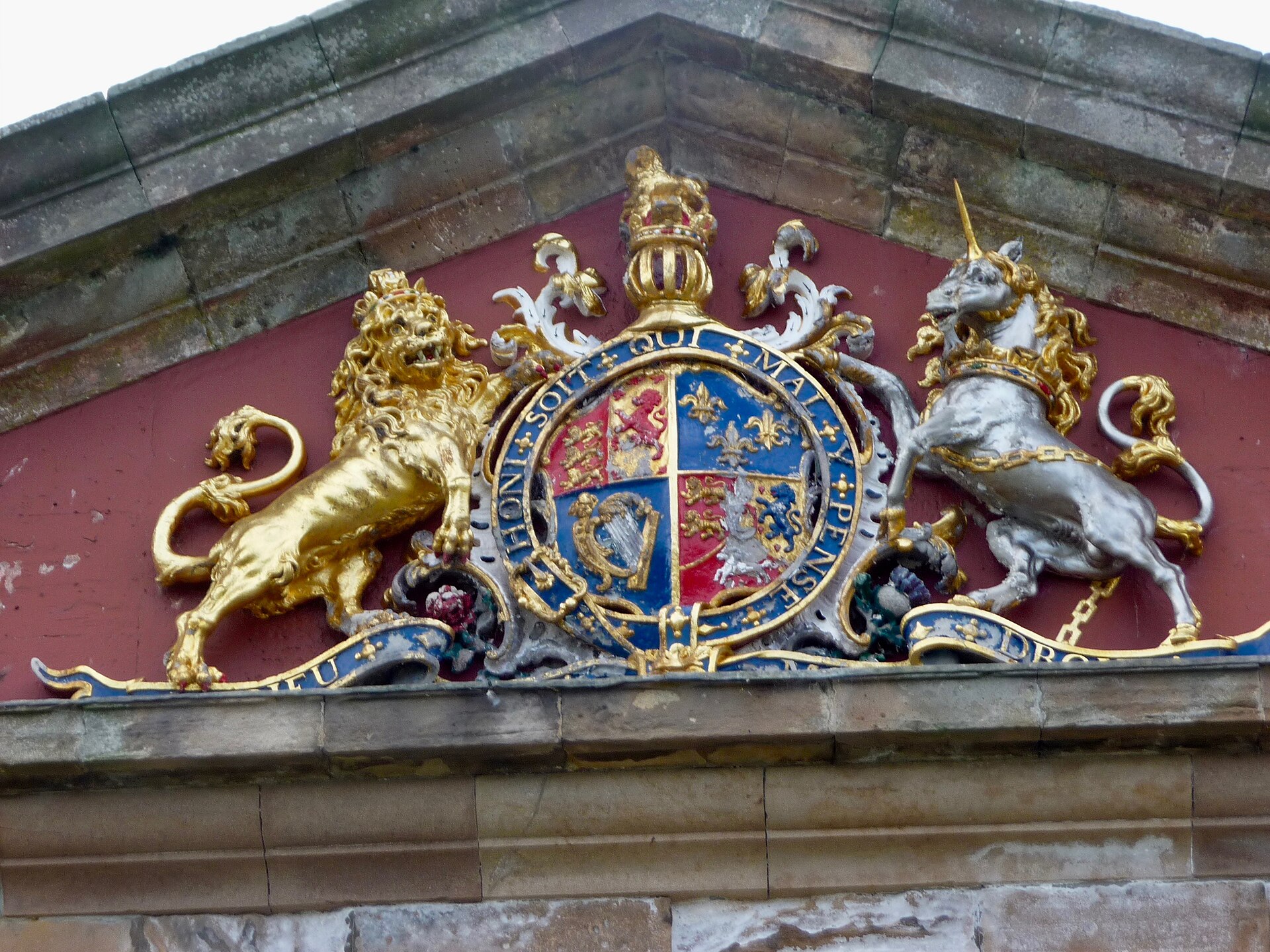
Fort George
Highland
It is one of the finest and most complete artillery fortifications in Europe, built to secure the Highlands after the 1745 rising and still in mili…
Minor monument · Medieval
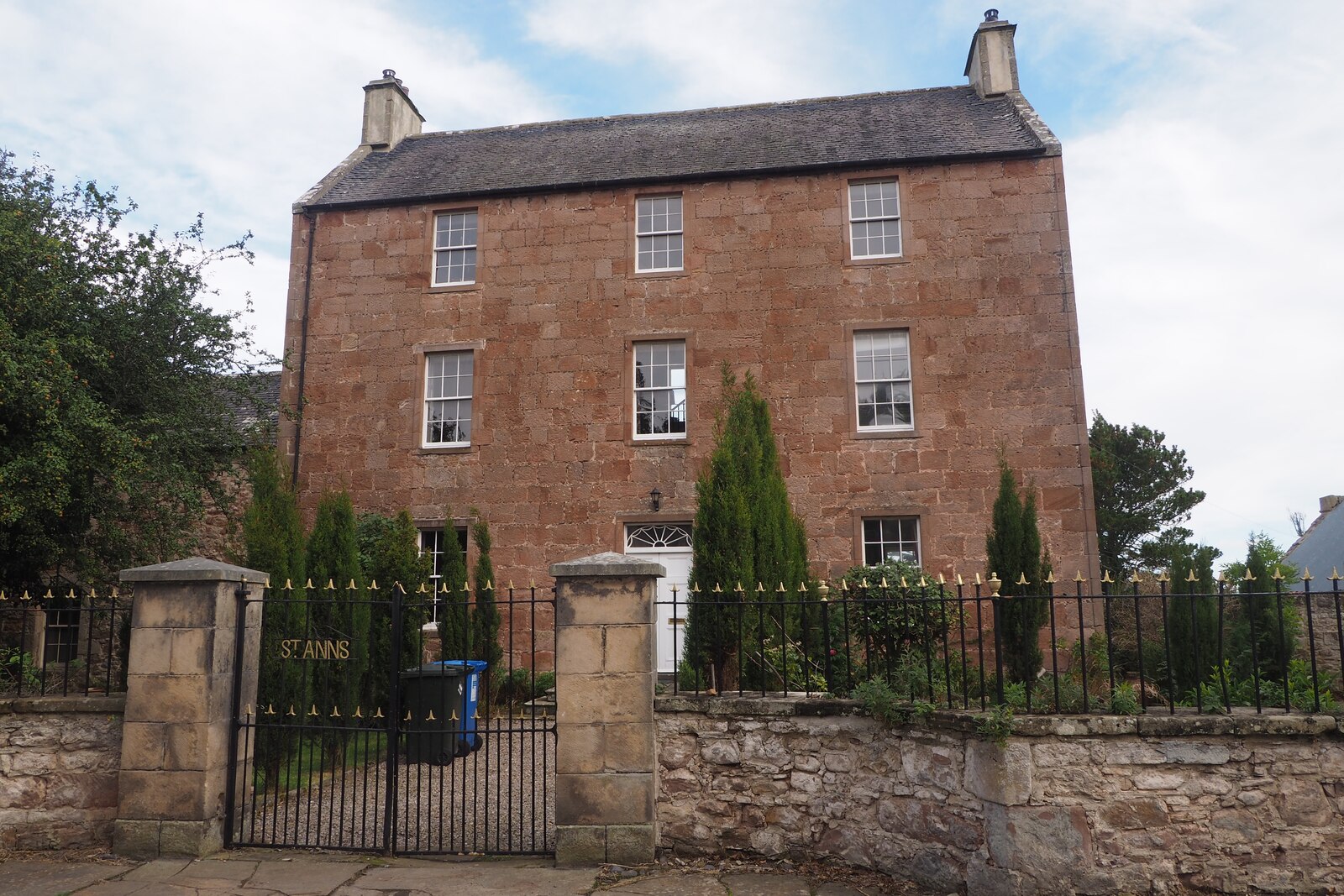
Market Cross, Church Street, Cromarty
Highland
Mercat cross with HES-listed pre-1800 evidence (1578).
- Easy path
Minor monument · Medieval
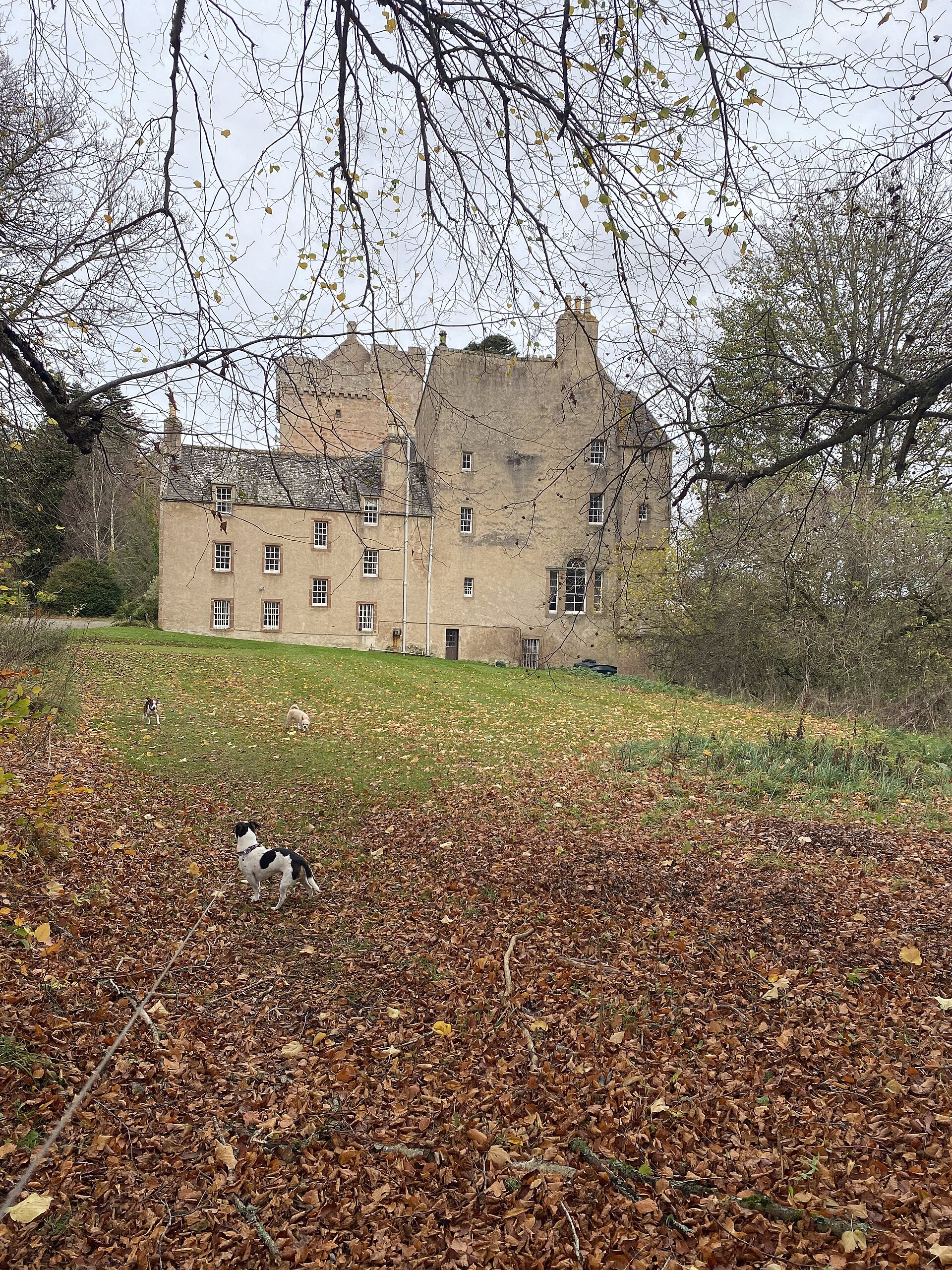
Dovecot, Kilravock Castle
Highland
Dovecote with HES-listed pre-1800 evidence (1460).
Questions people ask
- What is the Rosemarkie Stone?
- It is a Class II Pictish stone, an early-medieval carved monument with a Christian cross and Pictish symbols.
- Where is it now?
- The reconstructed stone is displayed at Groam House Museum in Rosemarkie.
- Where was it found?
- It was found before 1821 in the floor of the old church at Rosemarkie.
- Why is it unusual?
- It is the only Pictish stone known to bear three versions of the same symbol.
Sources
Explore more: Carved stones · Pictish & early medieval · Highland
The Ancient Codex, in your pocket
Get the Pocket Codex app
Carry the directory with you — Rosemarkie Stone and thousands of ancient places across Britain and Ireland, offline, wherever you roam.