
Dunearn looks across the Findhorn valley from the steep hill called Doune. Dunearn is a hillfort, a defended hilltop enclosure, south-south-east of Nairn in the Highland area.
Two parallel ramparts once followed the S-shaped summit, though ploughing and later use have left the stone remains slight. Traces of vitrification, heat-fused stone from burning, hint that the fort’s walls had a fiery history.
What follows is drawn from published sources, with each claim labelled by how firmly it is established.
History
Dunearn was built on the steep hill called Doune above the Findhorn valley.
Two parallel walls followed the contour of the S-shaped summit plateau.
Evidence of vitrification suggests the inner rampart may have burned intensely.
The relatively level summit was farmed and ploughed for many years until 1906.
A Second World War artillery base was later established inside the fort.
The site is compared locally with larger hillforts such as Craig Phadrig and Ord Hill of Kessock.
Connections
-
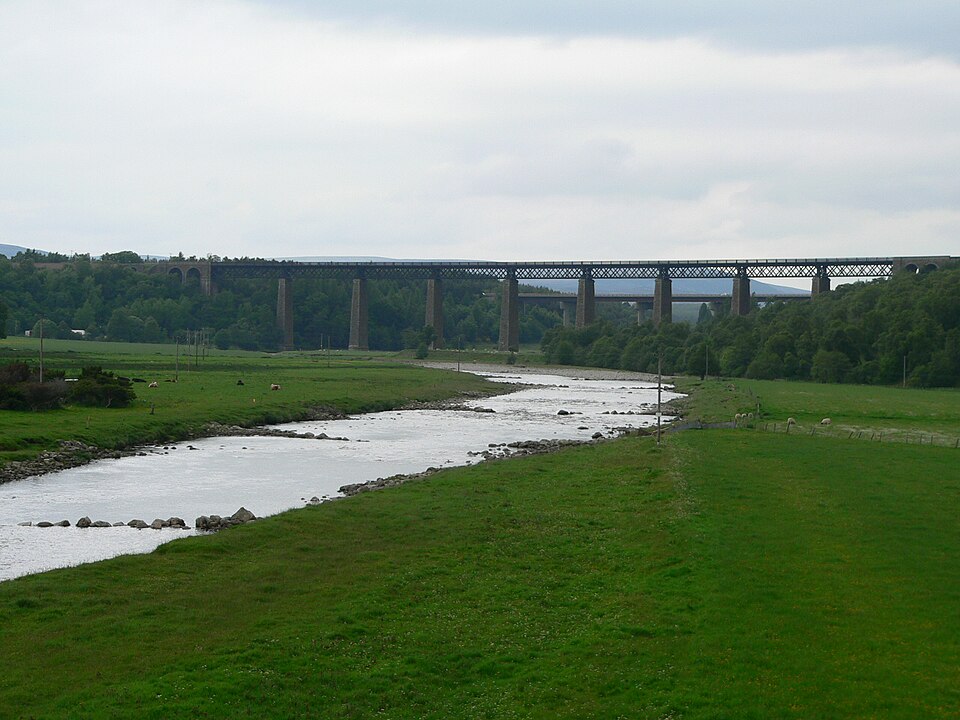
Photo: Chris McKenna (Thryduulf) / Wikimedia Commons / CC BY-SA 4.0 River Findhorn
Valley overlooked by the fort.
-
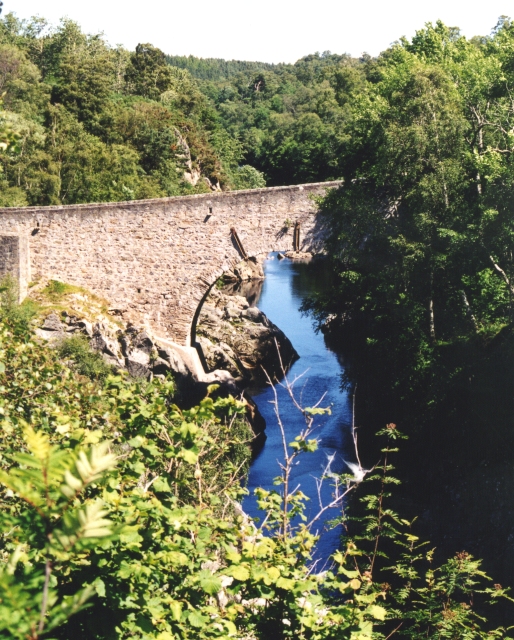
Photo: Anne Burgess / Wikimedia Commons / CC BY-SA 2.0 Dulsie Bridge
Modern crossing near the hill.
-
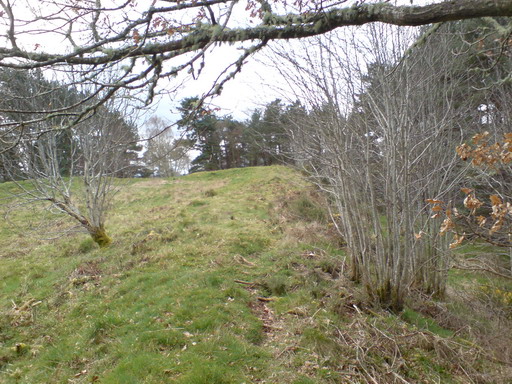
Photo: david johnston / Wikimedia Commons / CC BY-SA 2.0 Craig Phadrig
Comparable larger Highland hillfort.
What to look for
-
S-shaped summit
The ramparts followed the shape of the hilltop.
-
Slight stone lines
Ploughing helped reduce the visible remains.
-
Vitrified rampart traces
Burnt stone suggests intense firing of the wall.
Plan your visit
- Location
- 57.4505°N · 3.7836°W
- Access
- Open access
- Terrain
- Rough ground — reasonable boots advised
Opening & admission
- Steep hillfort above the Findhorn valley; source gives no visitor access detail.
Nearby places
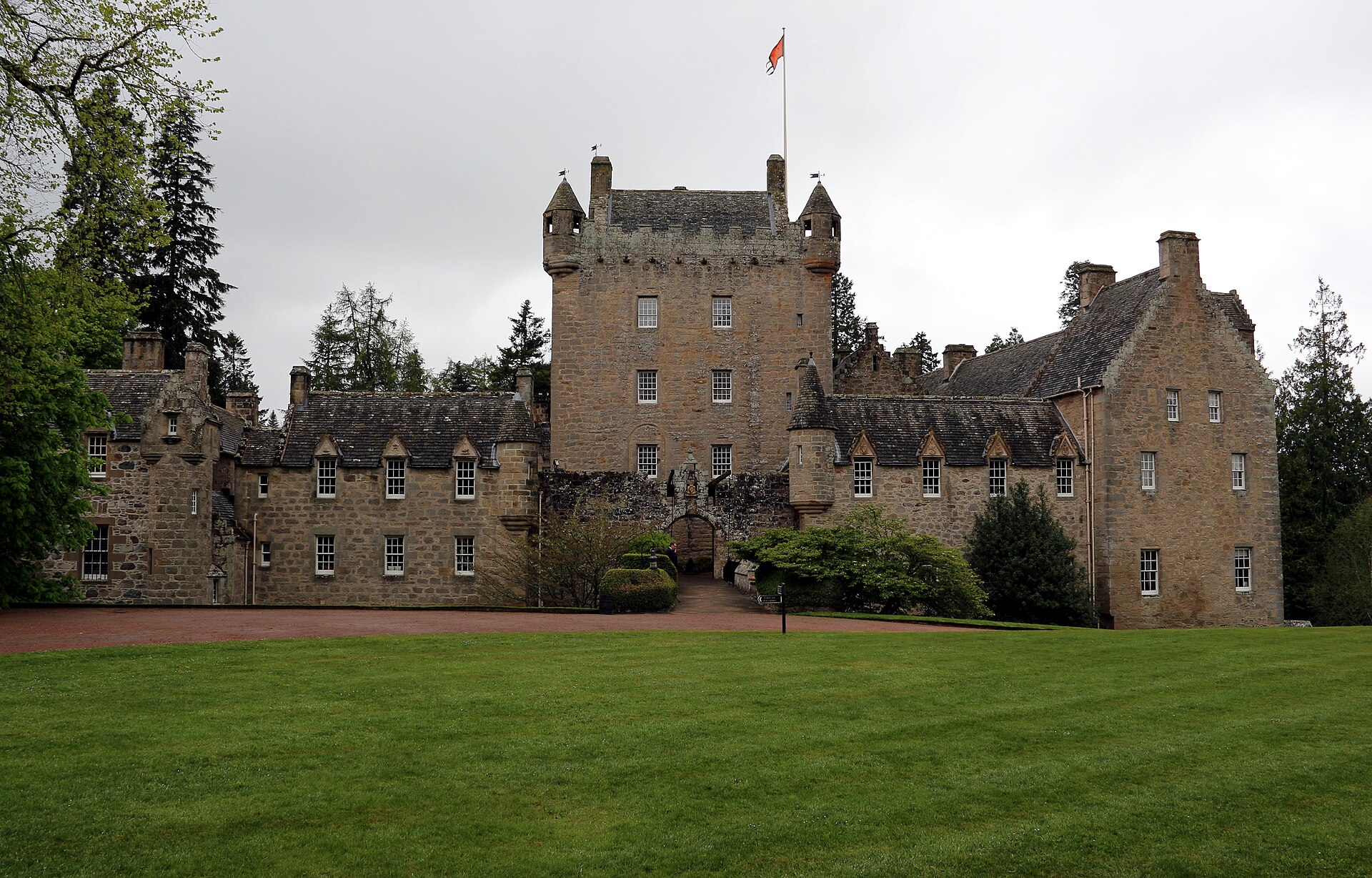
Fortified place · Medieval
Cawdor Castle
Highland
One of Scotland's enduring inhabited castles, Cawdor grew from a medieval Highland tower into the seat of the Thanes of Cawdor and carries a litera…
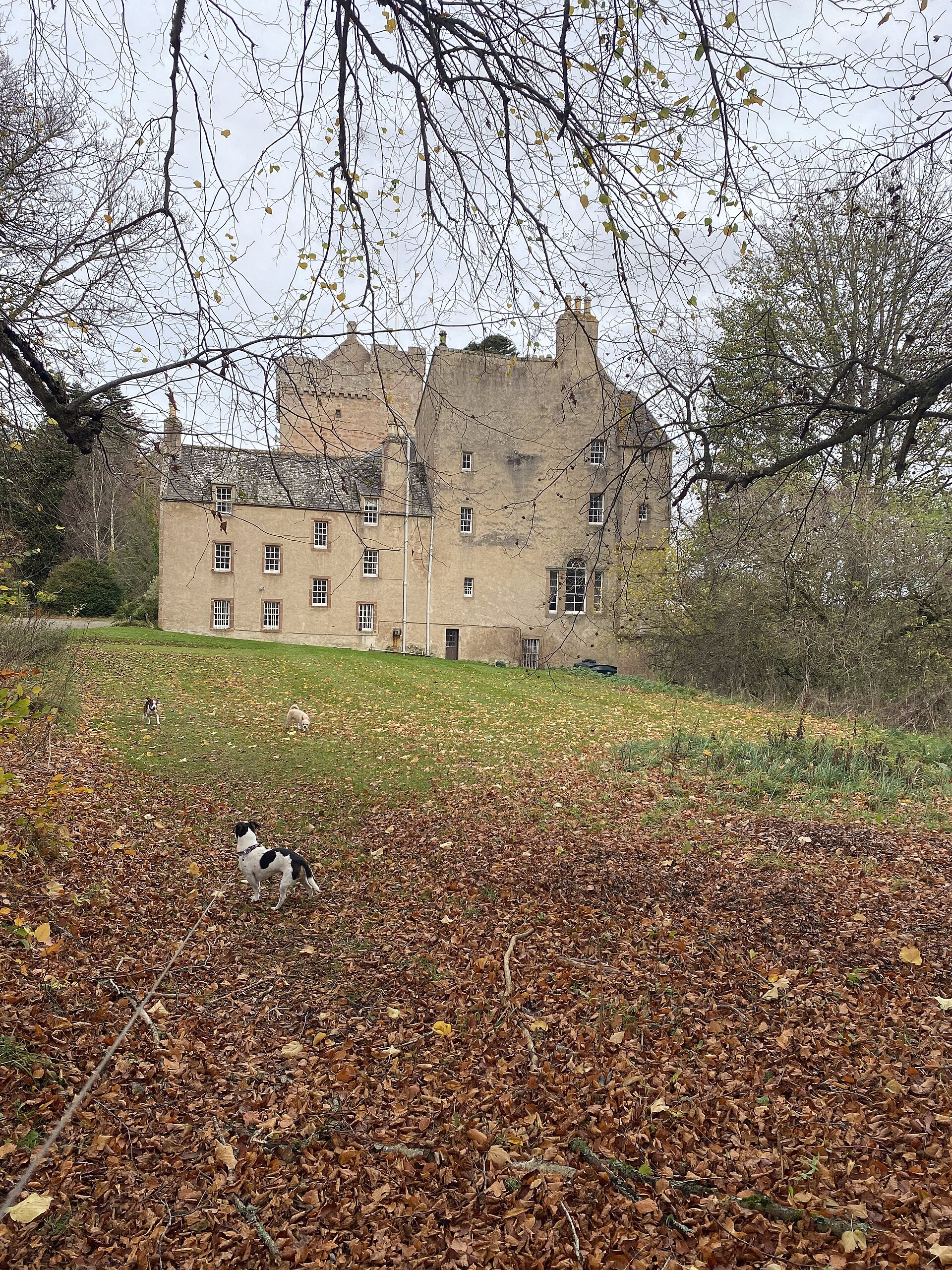
Minor monument · Medieval
Dovecot, Kilravock Castle
Highland
Dovecote with HES-listed pre-1800 evidence (1460).
Questions people ask
- What is Dunearn?
- It is a Highland hillfort above the Findhorn valley.
- What does the name mean?
- The source pack derives it from Gaelic Dun Eireann, meaning a hillfort on the Findhorn.
- Why are the remains slight?
- The summit was farmed and ploughed for many years.
- Was it reused later?
- Yes. An artillery base was established there during the Second World War.
Sources
Explore more: Fortified places · Iron Age · Highland
The Ancient Codex, in your pocket
Get the Pocket Codex app
Carry the directory with you — Dunearn and thousands of ancient places across Britain and Ireland, offline, wherever you roam.