
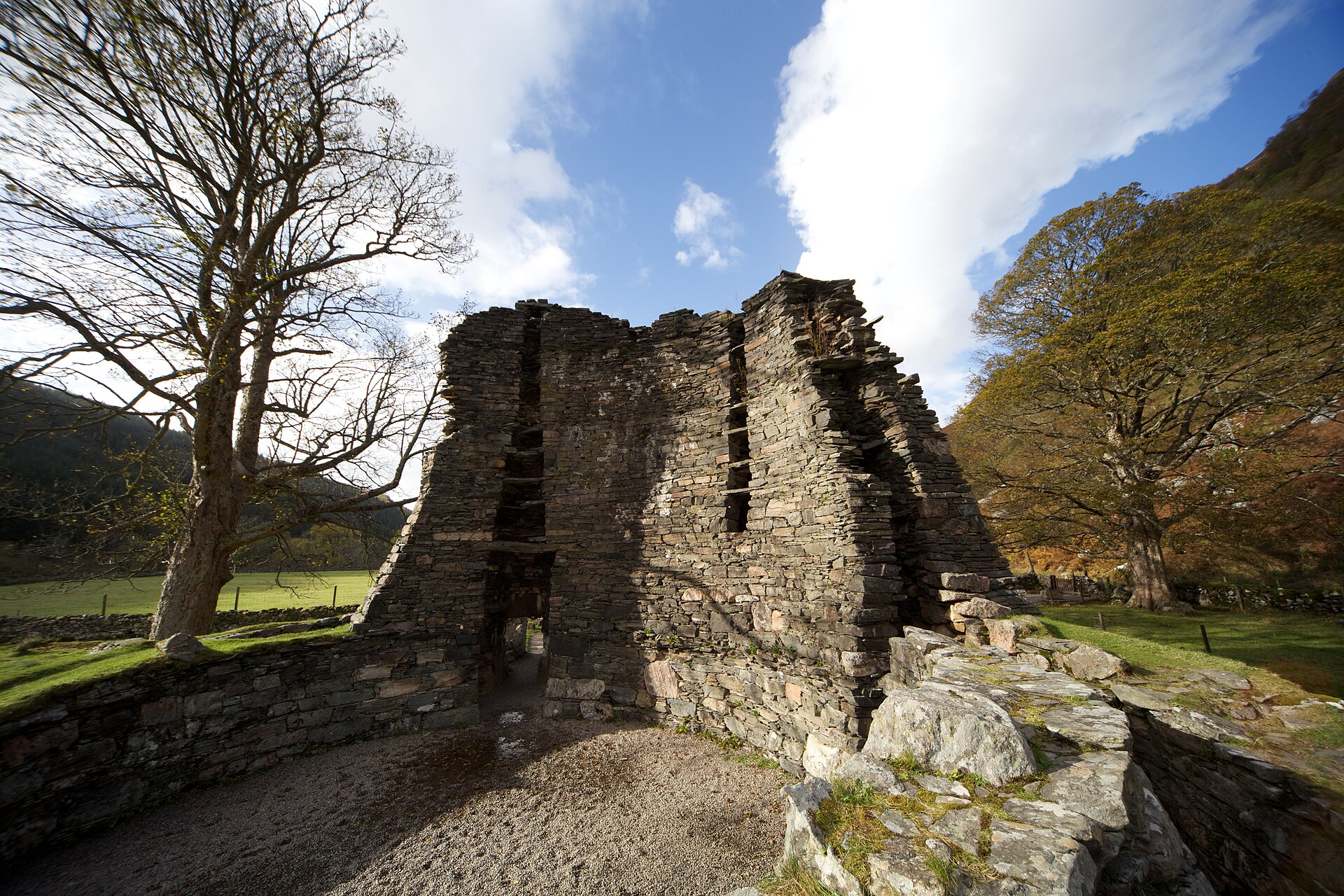
A landward doorway opens through the stacked stone ruin of Dun Ringill above Loch Slapin. Dun Ringill is an Iron Age fortified site on Skye, later strengthened and remembered in tradition as a Clan MacKinnon seat.
The name combines Gaelic dun, meaning fort, with Ringill, the point of the ravine. Its long life shows in the broch (an Iron Age drystone round tower)-like plan, medieval associations, nearby building remains and the ramps that once connected the headland to sea travel.
What follows is drawn from published sources, with each claim labelled by how firmly it is established.
History
Dun Ringill began as an Iron Age fortified structure with a layout similar to a broch.
The site was modified and occupied across many centuries.
Tradition associates it with Clan MacKinnon before the 16th century.
Historical texts mention the site in the 16th century.
The MacKinnons later moved their seat to Dunakin.
Jethro Tull gave the site a modern afterlife through Ian Anderson’s 1979 song “Dun Ringill”.
Connections
-
Clan MacKinnon
Traditionally associated with Dun Ringill as a clan seat.
-
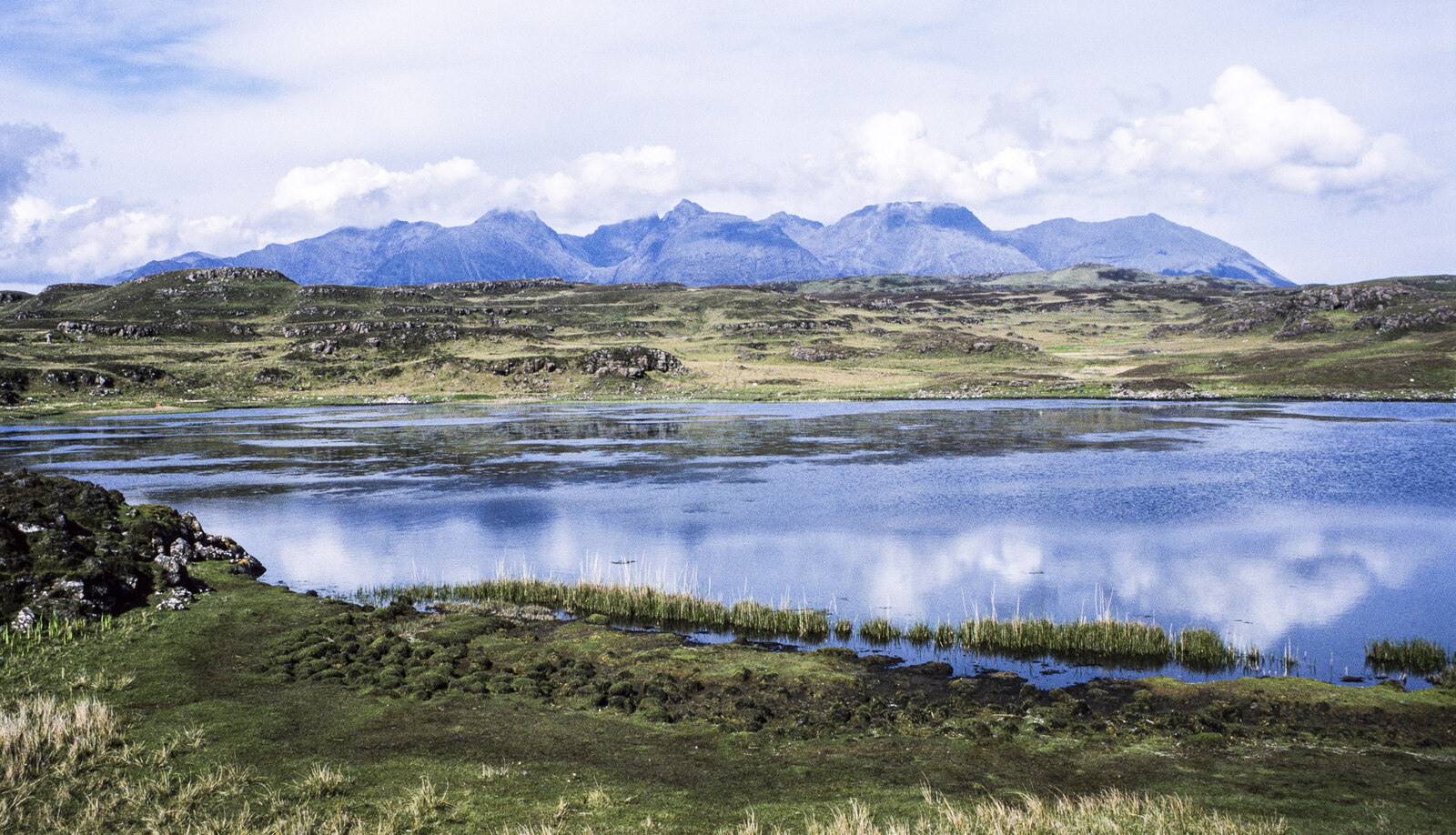
Loch Slapin
Sea loch beside the site.
-
Ian Anderson
Jethro Tull songwriter who lived nearby and wrote “Dun Ringill”.
What to look for
-
Central doorway
Landward-facing opening is the most striking surviving feature.
-
Sea ramps
Earth and stone ramps lead toward the water.
-
Nearby building traces
Survey found remains around the fort, though their dates are uncertain.
Plan your visit
- Location
- 57.1792°N · 6.0378°W
- Access
- Open access
- Terrain
- Moderate walking
Opening & admission
- Coastal Skye ruin east of Kirkibost; source describes setting but not formal access.
Nearby places
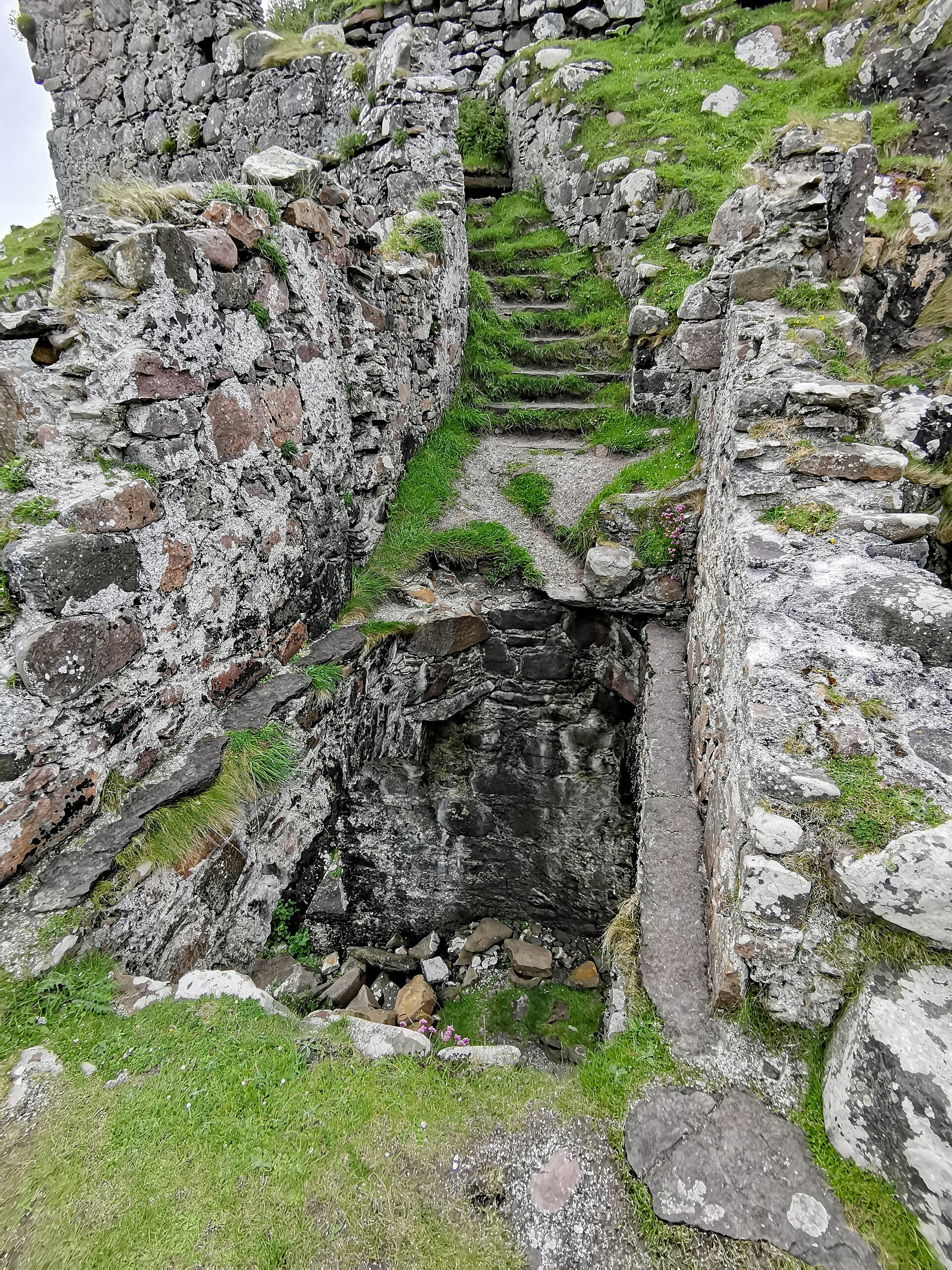
Fortified place · Medieval
Dunscaith Castle
Highland
A ruined clan stronghold on Skye whose very name preserves its role in Gaelic and Irish legend as the fortress of the warrior-teacher Scathach.
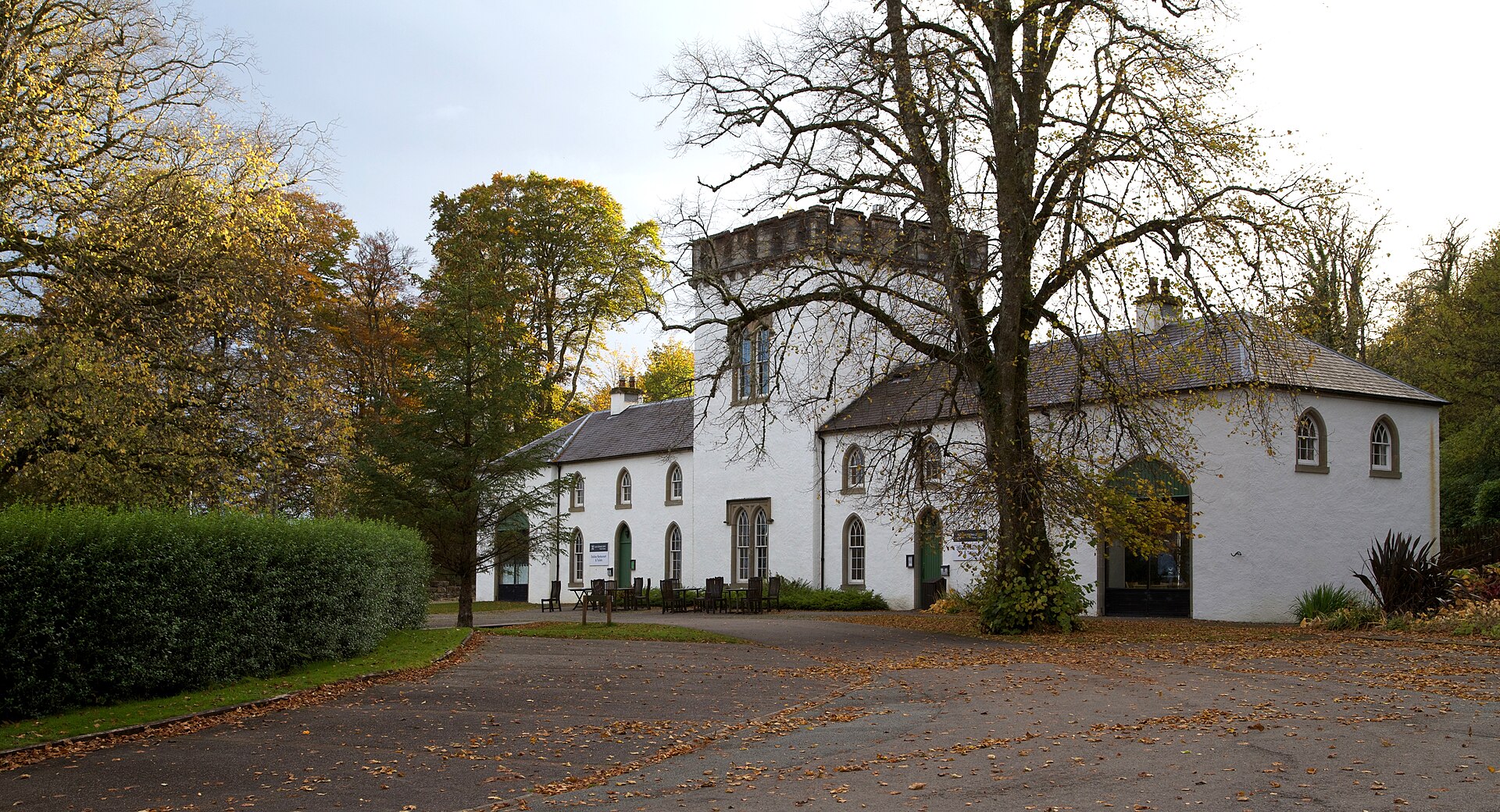
Fortified place · Medieval
Armadale Castle
Highland
Armadale Castle is the historic seat of Clan Donald, whose Lordship of the Isles once ruled much of Scotland's western seaboard, and today anchors…
Questions people ask
- What is Dun Ringill?
- It is an Iron Age fortified site on Skye with later medieval associations.
- Why is Clan MacKinnon linked to it?
- Tradition holds that the MacKinnons used Dun Ringill as a seat before moving to Dunakin.
- What does the name mean?
- The source pack gives Gaelic dun as “fort” and Ringill as “point of the ravine”.
- Is it connected to music?
- Yes. Jethro Tull released a song called “Dun Ringill” in 1979.
Sources
Explore more: Fortified places · Iron Age · Highland
The Ancient Codex, in your pocket
Get the Pocket Codex app
Carry the directory with you — Dun Ringill and thousands of ancient places across Britain and Ireland, offline, wherever you roam.