
Trial trenches confirmed Cleddans as a small Roman post on the Antonine Wall. Cleddans was a Roman fortlet (a small fort guarding a short stretch of frontier), positioned between larger forts on the Wall line.
Its importance is partly architectural and partly epigraphic. The fortlet helps show how Rome spaced small posts along the frontier, while nearby tablets and slabs preserve symbols of the Sixth and Twentieth Legions.
What follows is drawn from published sources, with each claim labelled by how firmly it is established.
History
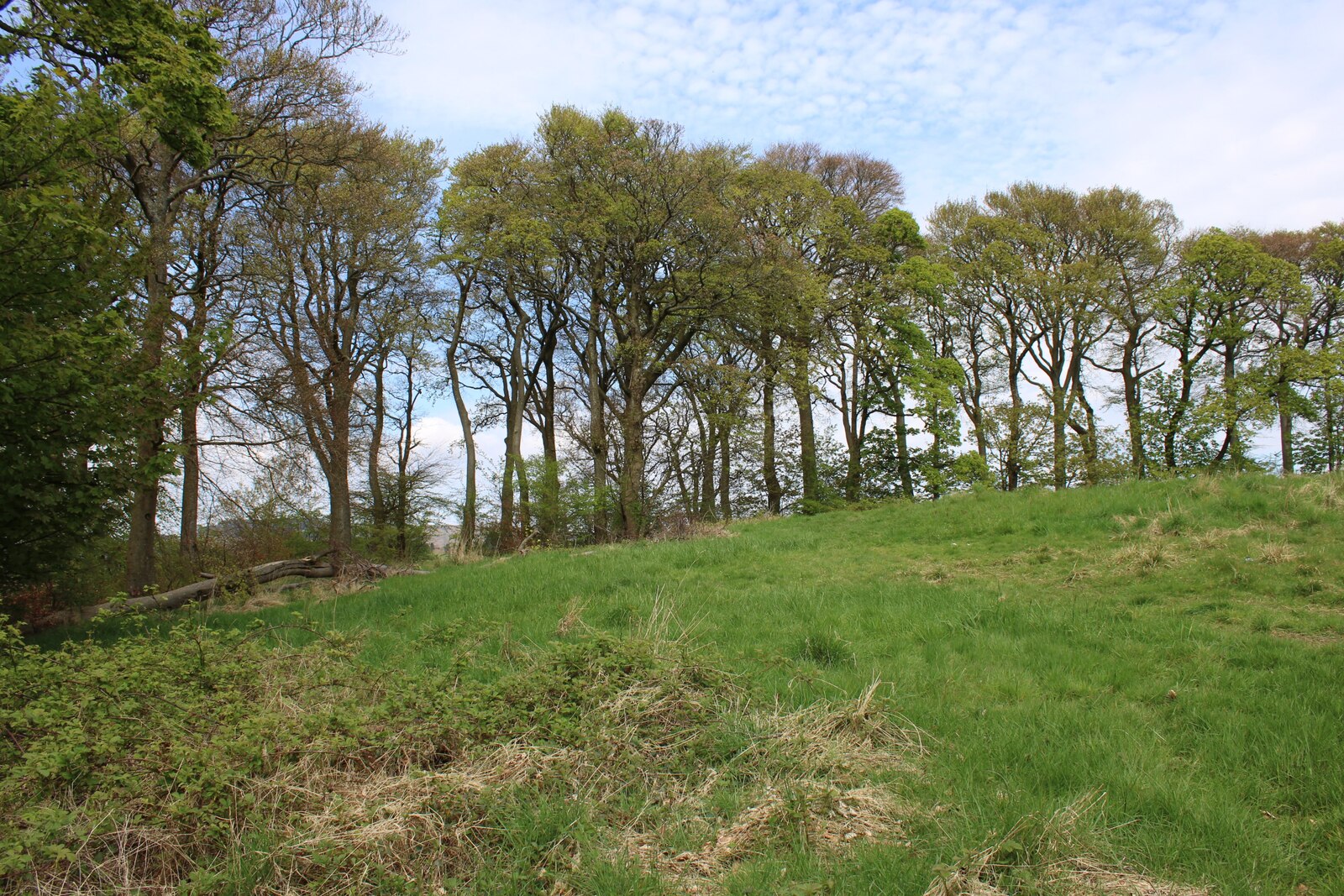
Cleddans was suspected because Hutcheson Hill lay between known forts at Duntocher and Castlehill and had line of sight between them.
Trial trenching in 1979-1980 confirmed the fortlet's existence.
The fortlet was part of the Antonine Wall system built between 142 and 154 AD.
Its discovery supported the idea that Antonine Wall fortlets were placed at roughly Roman-mile intervals.
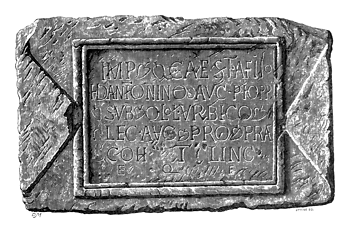
Several tablets or slabs from the area record work by the Sixth and Twentieth Legions.
People
-
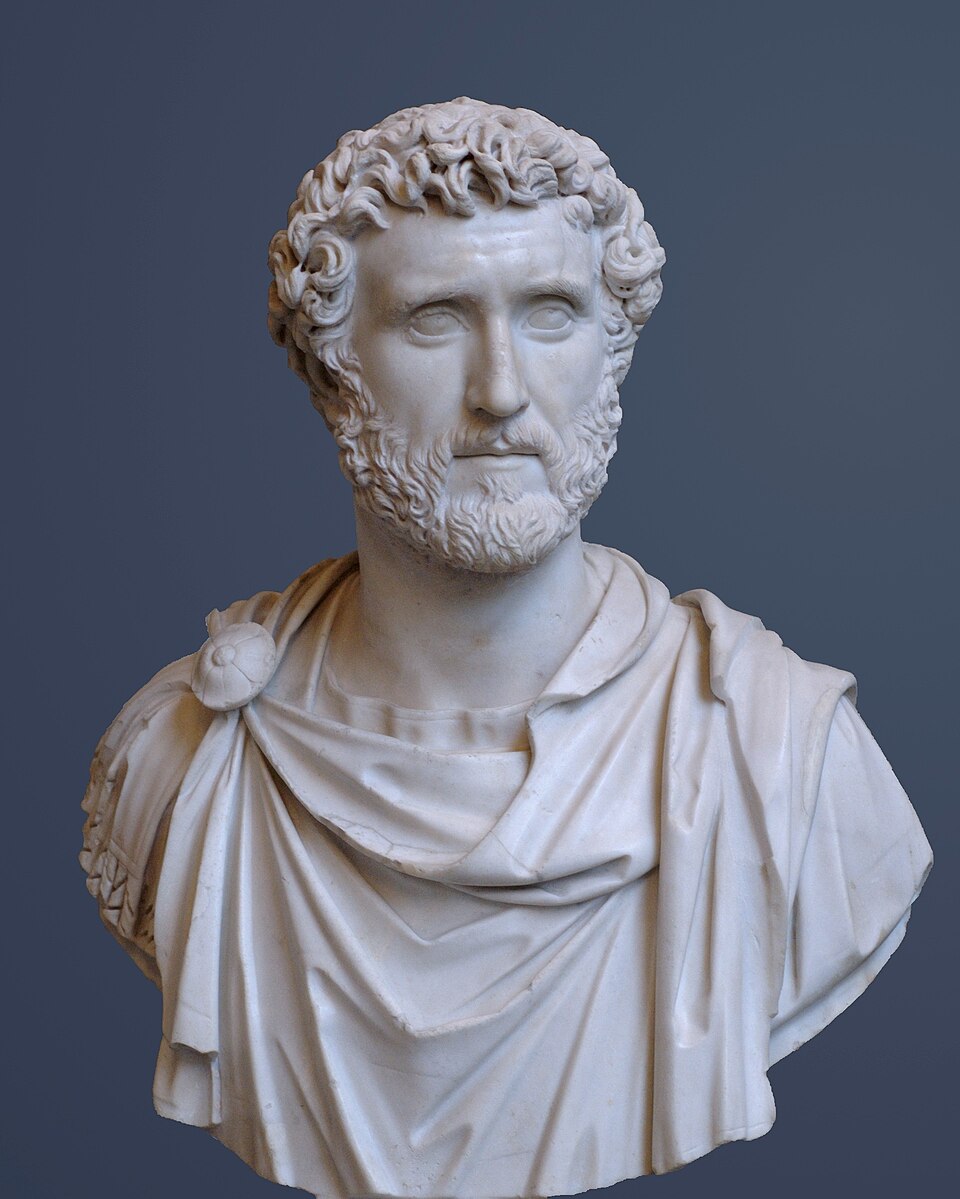
Portrait: Unknown artistUnknown artist / Wikimedia Commons / Public domain Antoninus Pius
Emperor associated with the Wall system to which Cleddans belonged.
-
Portrait: Unknown authorUnknown author / Wikimedia Commons / Public domain Quintus Lollius Urbicus
Governor who supervised the Roman advance into central Scotland.
-
Sir George Macdonald
Wrote about the site in editions of The Roman wall in Scotland.
Cultural influences
-
Fortlet spacing
Cleddans strengthened the model of small interval posts between major Wall forts.
-
Legion identity
Boar symbols, Victories, Mars, Virtus and inscriptions connect the site to Roman military imagery.
Connections
-
Duntocher and Castlehill
Known forts west and east of Cleddans.
-
Hunterian Museum
Holds several tablets or casts associated with the site.
-
Hutcheson Hill
Nearby find area for inscriptions and part of the discovery context.
Discovery & excavation
The fortlet was located by trial trenching and measured internally about 18 metres by 17.6 metres within a rampart on a stone base. Tablets were found at Cochno House, Braidfield Farm, Hutcheson Hill and Cleddans Farm.
In culture
-
Scanned tablet
A well-preserved tablet found in 1969 has been scanned and made available for educational and research use.
What to look for
-
Fortlet position
The site lies south of the main road between Duntocher and Bearsden.
-
Legion slabs
The portable finds are more legible than the field remains.
-
Wall line
Cleddans belongs to the chain of Wall forts and fortlets rather than an isolated site.
Plan your visit
- Location
- 55.9202°N · 4.3887°W
- Access
- Open access
- Terrain
- Moderate walking
Opening & admission
The pack does not give current visitor access details; the fortlet is an archaeological site confirmed by trenching.
- Several tablets or casts are held by the Hunterian Museum.
- The site lies south of the main road between Duntocher and Bearsden.
Nearby places
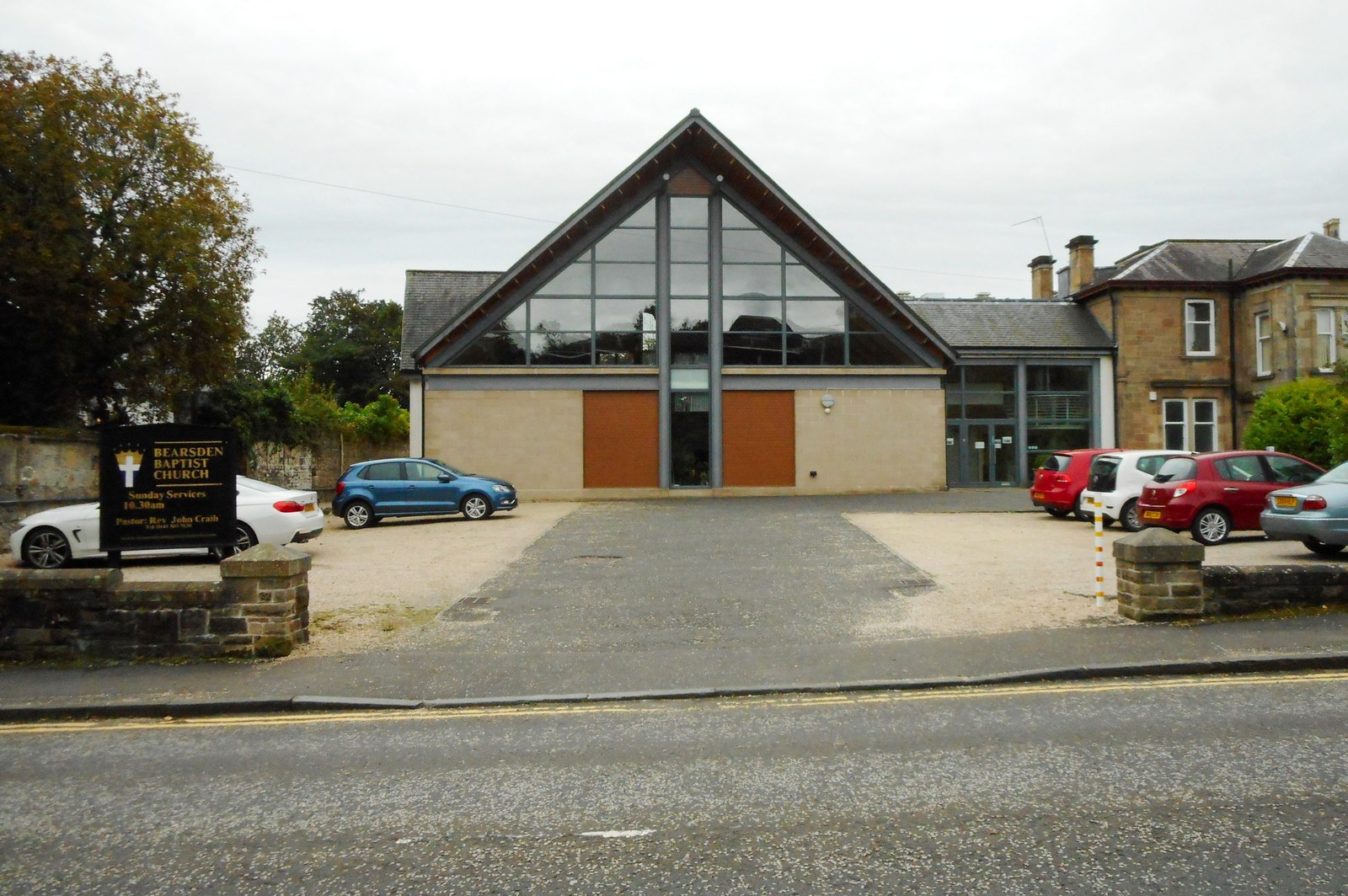
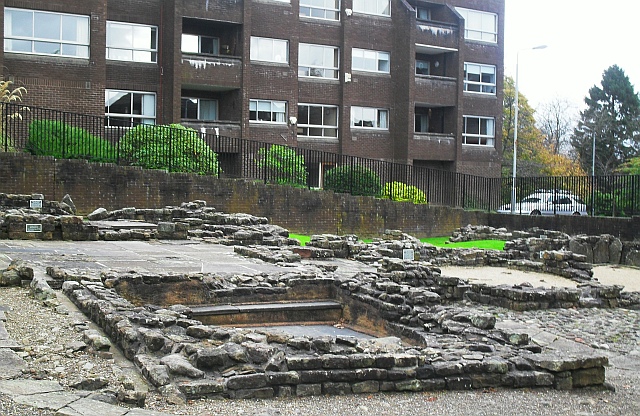
Fortified place · Roman
Bearsden Roman Bath House
East Dunbartonshire
The Romans built a stone-and-turf fortification, the Antonine Wall, between the Firth of Clyde and the Firth of Forth between AD 142 and 144 under…
- Near Bearsden
- 3 min walk from car park
Questions people ask
- What was Cleddans?
- It was a Roman fortlet on the Antonine Wall.
- How was Cleddans confirmed?
- Trial trenching in 1979-1980 confirmed the postulated fortlet.
- Why is Cleddans important?
- Its discovery supported the idea that fortlets were placed around every Roman mile along the Antonine Wall.
- What finds are associated with Cleddans?
- Roman tablets and slabs with boars, Victories, Mars, Virtus, inscriptions and legion symbols are recorded from the area.
- Where are some of the objects now?
- The pack says the Hunterian Museum holds tablets or casts associated with the site.
Sources
Explore more: Fortified places · Roman · East Dunbartonshire
The Ancient Codex, in your pocket
Get the Pocket Codex app
Carry the directory with you — Cleddans and thousands of ancient places across Britain and Ireland, offline, wherever you roam.