
Restenneth Priory was a monastic house of Augustinian canons founded by Jedburgh Abbey, under the patronage of King Malcolm IV of Scotland, in 1153. It was always a small priory and very dependent on…
Restenneth Priory is a building or ruin near Forfar, Angus, Scotland.
What follows is drawn from published sources, with each claim labelled by how firmly it is established.
History
Restenneth Priory was a monastic house of Augustinian canons founded by Jedburgh Abbey, under the patronage of King Malcolm IV of Scotland, in 1153. It was always a small priory and very dependent on its mother house at Jedburgh.
By 1501 there were only two canons and an annual income of £120 (against Arbroath Abbey's £10,924 in 1561). An attempt that year to incorporate Restenneth into the Royal Chapel failed, as did James IV's later suggestion to fold it into the archbishopric of St Andrews; priors remained on record until the priory was turned into a secular lordship for Thomas Erskine, Viscount Fentoun, in 1606.
The site was excavated in 1883 by William Galloway and Dr John Stuart. All but the tower is now in ruins, designated a scheduled monument.
People
-
King Malcolm IV of Scotland
Patron under whom the Augustinian priory was founded in 1153
-
Thomas Erskine, Viscount Fentoun
Received Restenneth as a secular lordship in 1606
-
George Dempster of Dunnichen (1732–1818)
Post-Reformation owner who chose part of the choir as a family burial site
-
William Galloway and Dr John Stuart
Excavated the site in 1883
Cultural influences
-
Augustinian canons regular — Restenneth was a daughter house founded and governed from Jedburgh Abbey, reflecting the 12th-century spread of the Augustinian order in Scotland under royal patronage.
Connections
-
Jedburgh Abbey
Founding mother house on which the priory was always dependent
-
Angus Archives
Shares an access road with the priory just outside Forfar
-
Forfar
Nearest town; the priory lies about 2 km east
Discovery & excavation
The priory was excavated in 1883 by William Galloway and Dr John Stuart. Although there is little literary evidence, archaeological evidence strongly indicates a monastery at Restenneth from very early times.
What to look for
-
The surviving tower — the only part still standing while the rest of the priory is in ruins; its lower stage is argued by some to be very early.
-
The choir, part of which George Dempster of Dunnichen used as a family burial place.
-
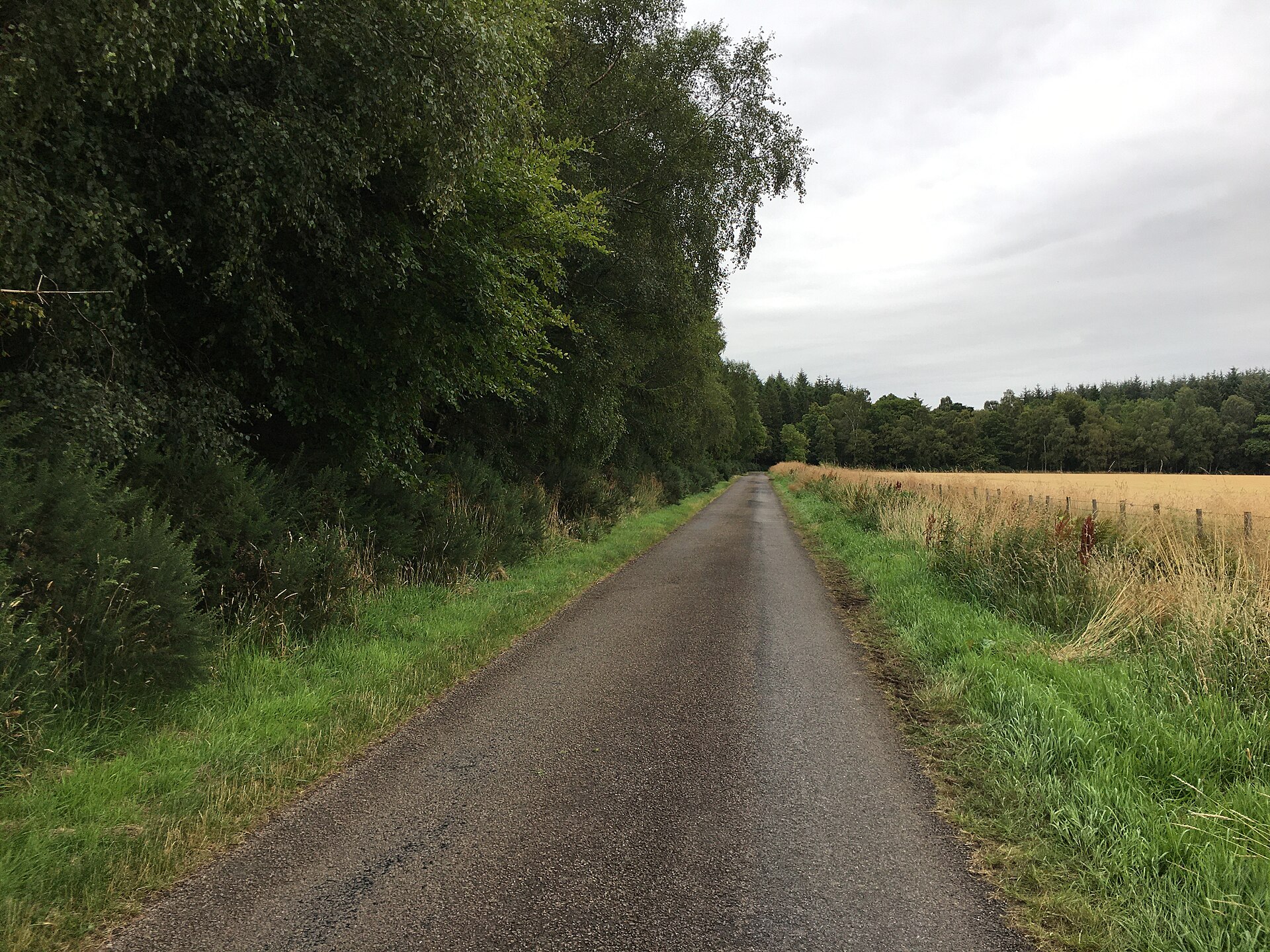
The secluded rural setting east of Forfar — from the priory the town and roads are hidden, leaving only the fields and the medieval (or earlier) architecture in view.
What is said
Folklore and tradition, recorded as what is said — not as established fact.
-
Restenneth may have been the Pictish church dedicated to St Peter, mentioned in Bede, said to have been built in 710 for Nechtán mac Der Ilei, King of the Picts. (speculation; not confirmed)
-
John Bruce, youngest son of Robert I and his second wife Elizabeth de Burgh and twin brother of David II, is reported to have been buried at the priory about 1327. (reported, not confirmed)
Plan your visit
- Location
- 56.6533°N · 2.8461°W
- Nearest settlement
- Forfar
- Access
- Open access
- Parking
- Parking available nearby — see the official getting-here page.
- Start point
- 2km east of Forfar on the B9113 Brechin Road.
- Best time
- **April to September** Open between 9.30am and 5pm **October to March** Open between 10 and 4pm Opening times Open year-round.
- Start point
- Restenneth Priory car park, off the B9113 Brechin Road — HES confirms parking is available at the site, ~2km east of Forfar on the B9113 Brechin Road.
Opening & admission
Free entry
- **April to September** Open between 9.30am and 5pm **October to March** Open between 10 and 4pm Opening times Open year-round.
Nearby places
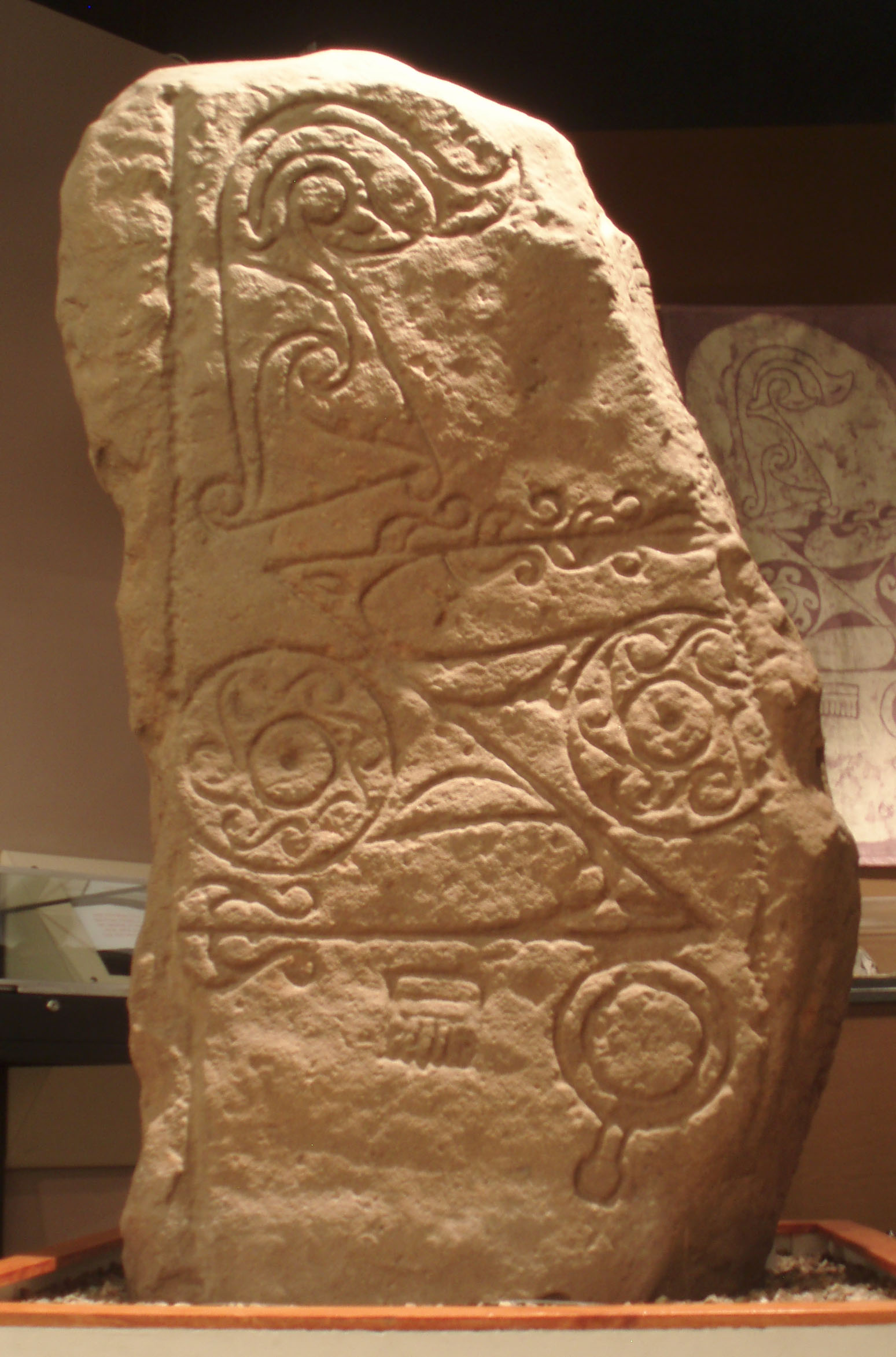
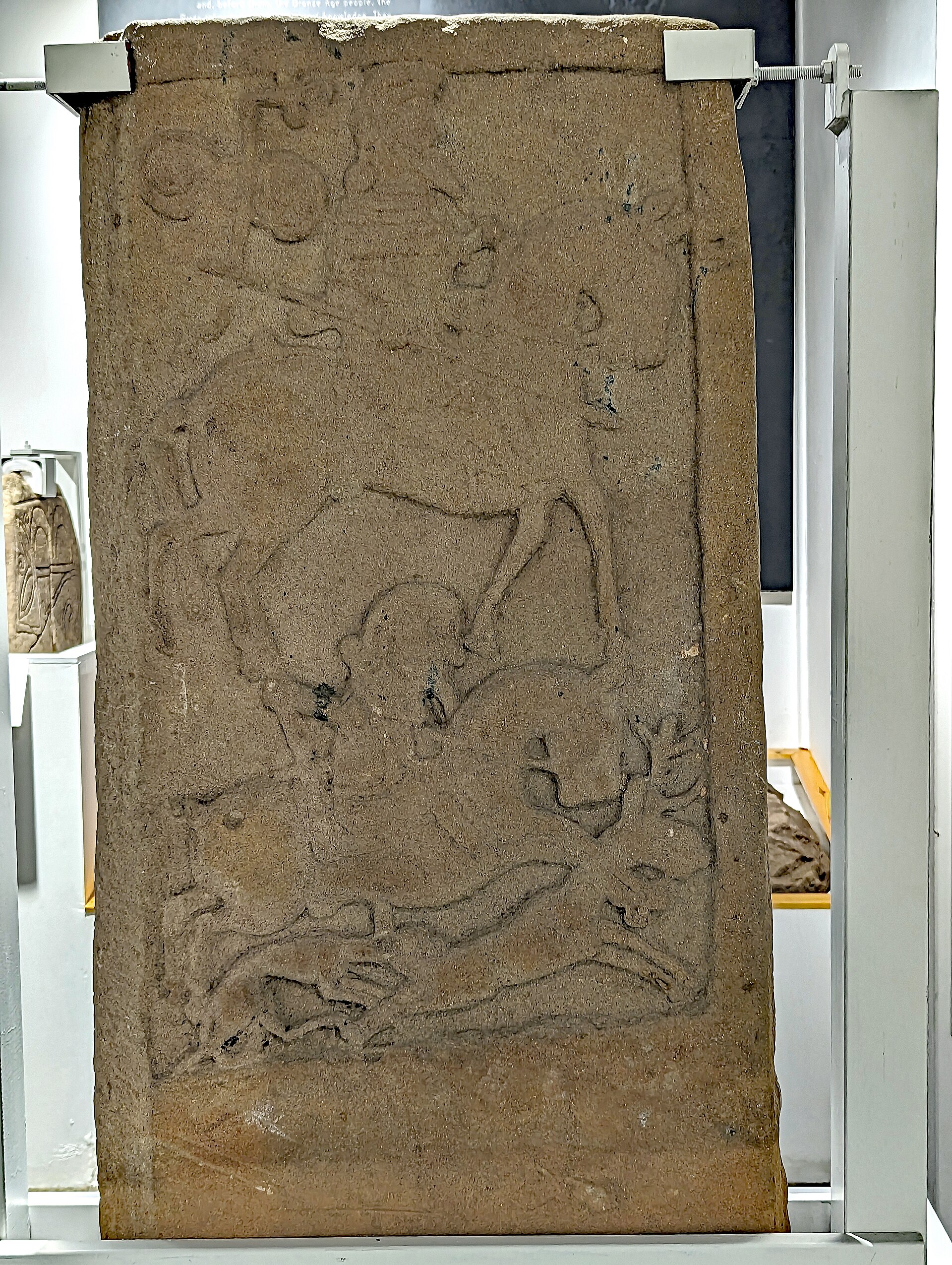
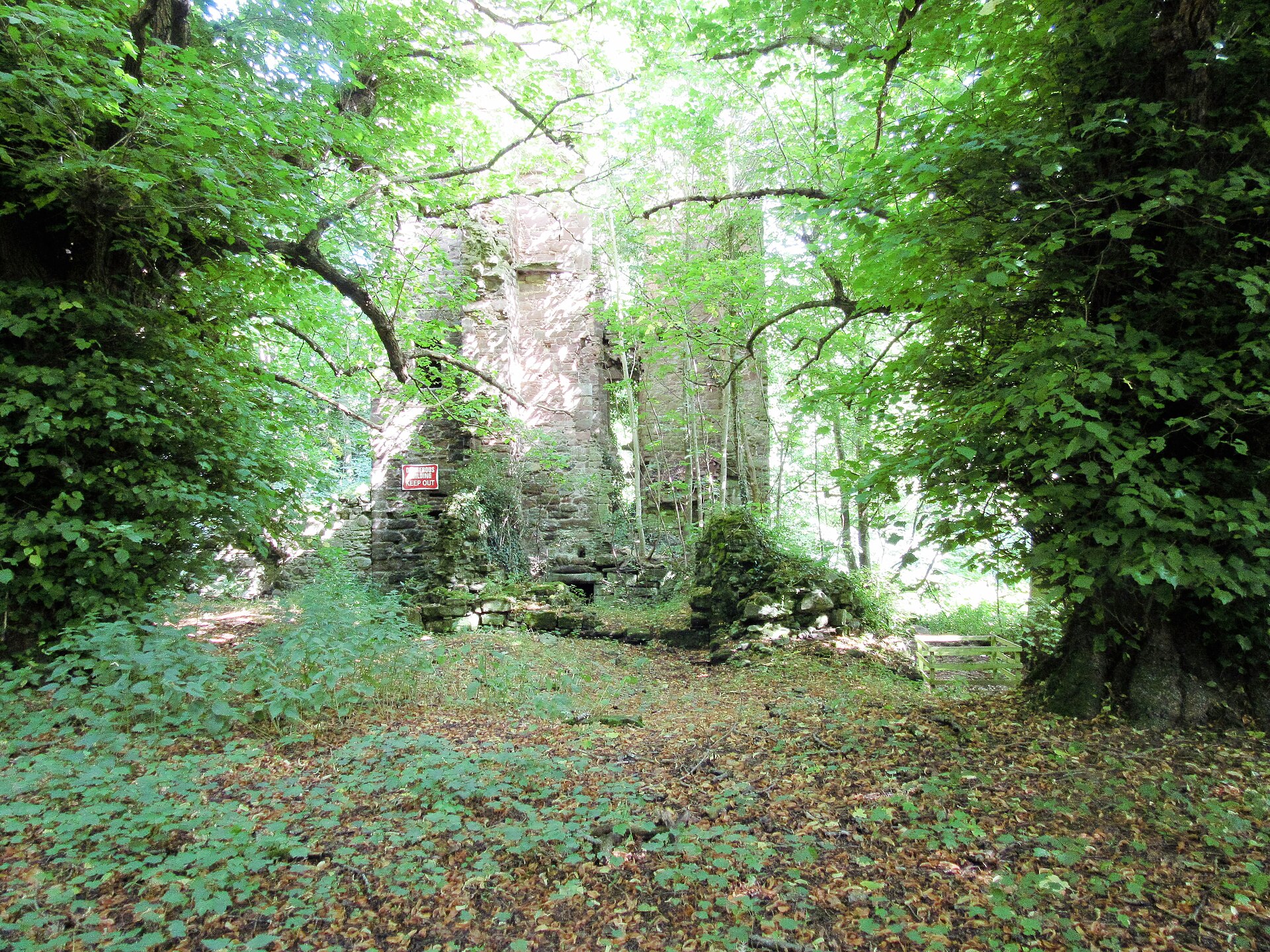
Fortified place · Medieval
Finavon Castle
Angus
It preserves the seat of the Lindsay Earls of Crawford, among medieval Angus's foremost noble families, from their rise in 1375 to the loss of the…
Sources
- Canmore site record 33745 (accessed 2026-06-13)
- Trove (HES) record (accessed 2026-06-13)
- Wikipedia: Restenneth Priory (accessed 2026-06-13)
- Wikidata Q7316106 (accessed 2026-06-13)
Explore more: Building or ruins · Pictish & early medieval · Angus
The Ancient Codex, in your pocket
Get the Pocket Codex app
Carry the directory with you — Restenneth Priory and thousands of ancient places across Britain and Ireland, offline, wherever you roam.