
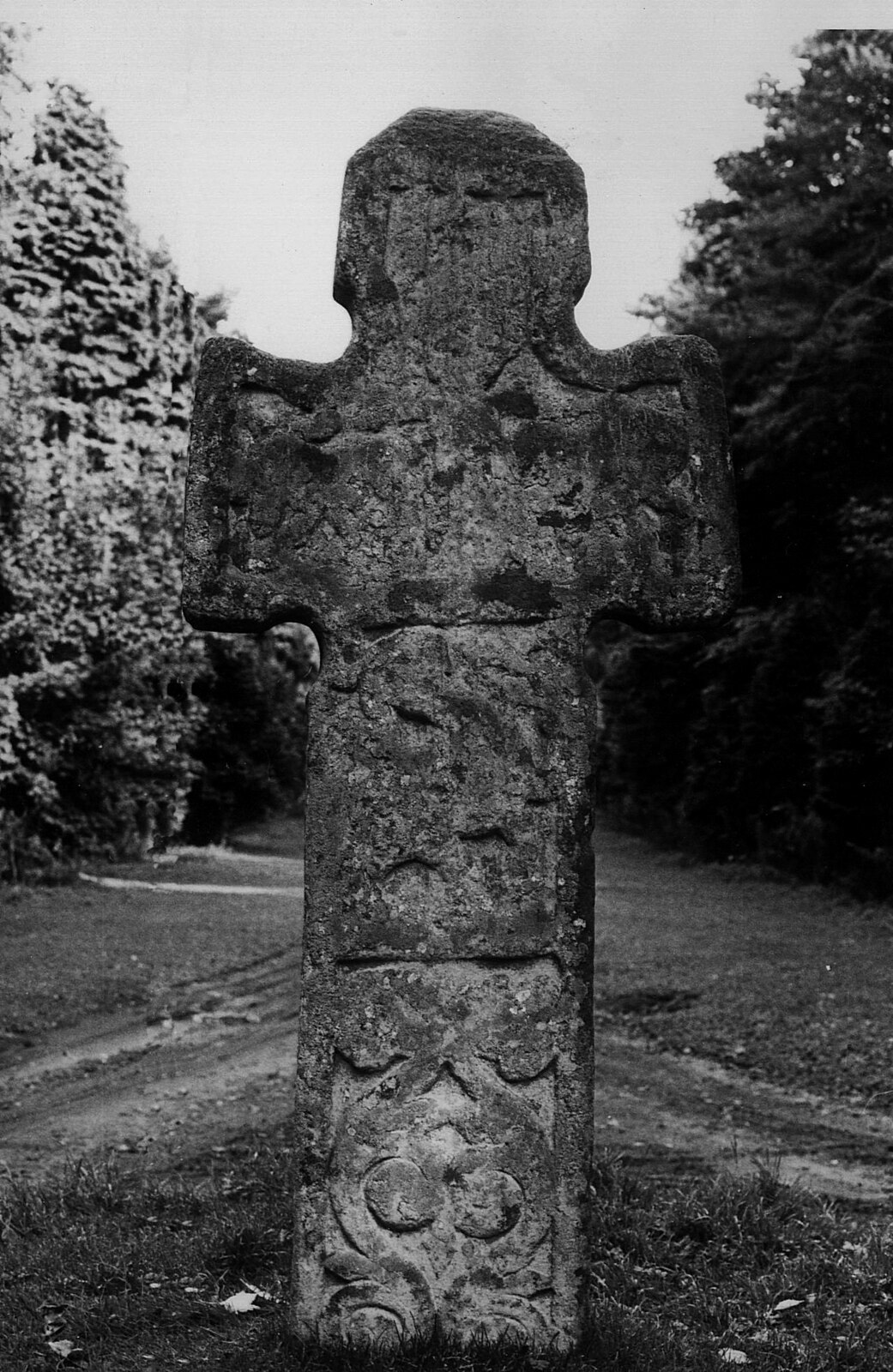
A carved slab at St Vigeans carries a rare line of early lettering. The Drosten Stone is a Pictish cross-slab, a flat early-medieval monument carved with Christian and Pictish imagery, unusual because its inscription is not ogham.
The stone matters because Pictish sculpture is seldom so closely tied to names and possible dates. Thomas Owen Clancy’s reading connects Drosten, Uoret, and Forcus, while alternative interpretations leave open whether the slab commemorated a person, honoured saints, or was commissioned by named patrons.
What follows is drawn from published sources, with each claim labelled by how firmly it is established.
History
The Drosten Stone is a ninth-century carved Pictish stone at St Vigeans.
It is a Class II cross-slab with a cross on one side and symbols on the other.
The stone carries a non-ogham inscription.
Thomas Owen Clancy interpreted the text as Goidelic.
Clancy suggested the stone may date to the reign of the Pictish king Uurad or Uoret.
Guto Rhys proposed that UORET may be a personal name or a Pictish form of a word meaning protection.
People
-
Thomas Owen Clancy
Published a major reading of the inscription.
-
Guto Rhys
Suggested alternative interpretations of UORET.
-
Drosten
Name in the inscription, possibly a commemorated person, saint, or patron.
-
Uoret and Forcus
Names or titles discussed in readings of the inscription.
Connections
-
St Vigeans Sculptured Stones Museum
Museum context for the Drosten Stone and related St Vigeans carvings.
-
St Vigeans
Early-medieval religious centre associated with the stone.
What to look for
-
Cross-slab form
The slab carries Christian cross imagery on one side and Pictish symbols on the other.
-
Non-ogham inscription
Ogham is an early medieval script; this inscription uses Latin-script letters instead.
-
Pictish symbols
The symbol face connects the slab with the wider Pictish carved-stone tradition.
-
Name evidence
The inscription is important because named Pictish monuments are rare.
Plan your visit
- Location
- 56.5766°N · 2.5900°W
- Access
- Paid entry — managed visitor site
- Terrain
- Easy going
Opening & admission
- Displayed through the St Vigeans museum context; check official visitor details before travelling.
Nearby places
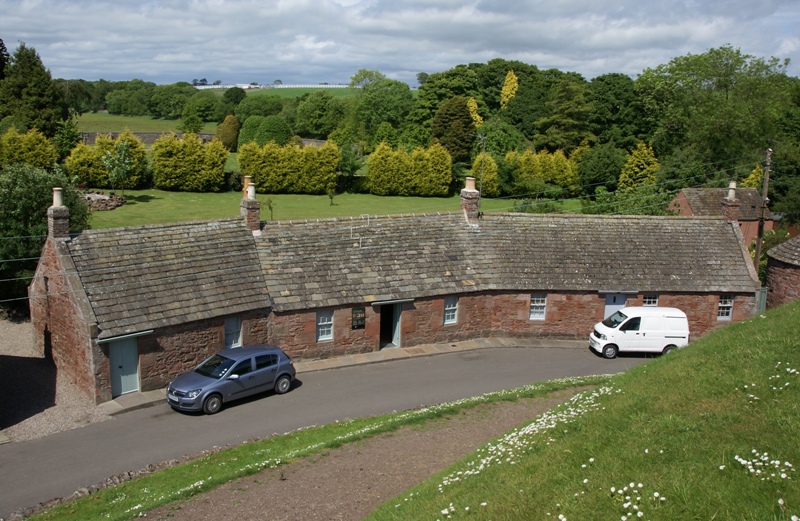
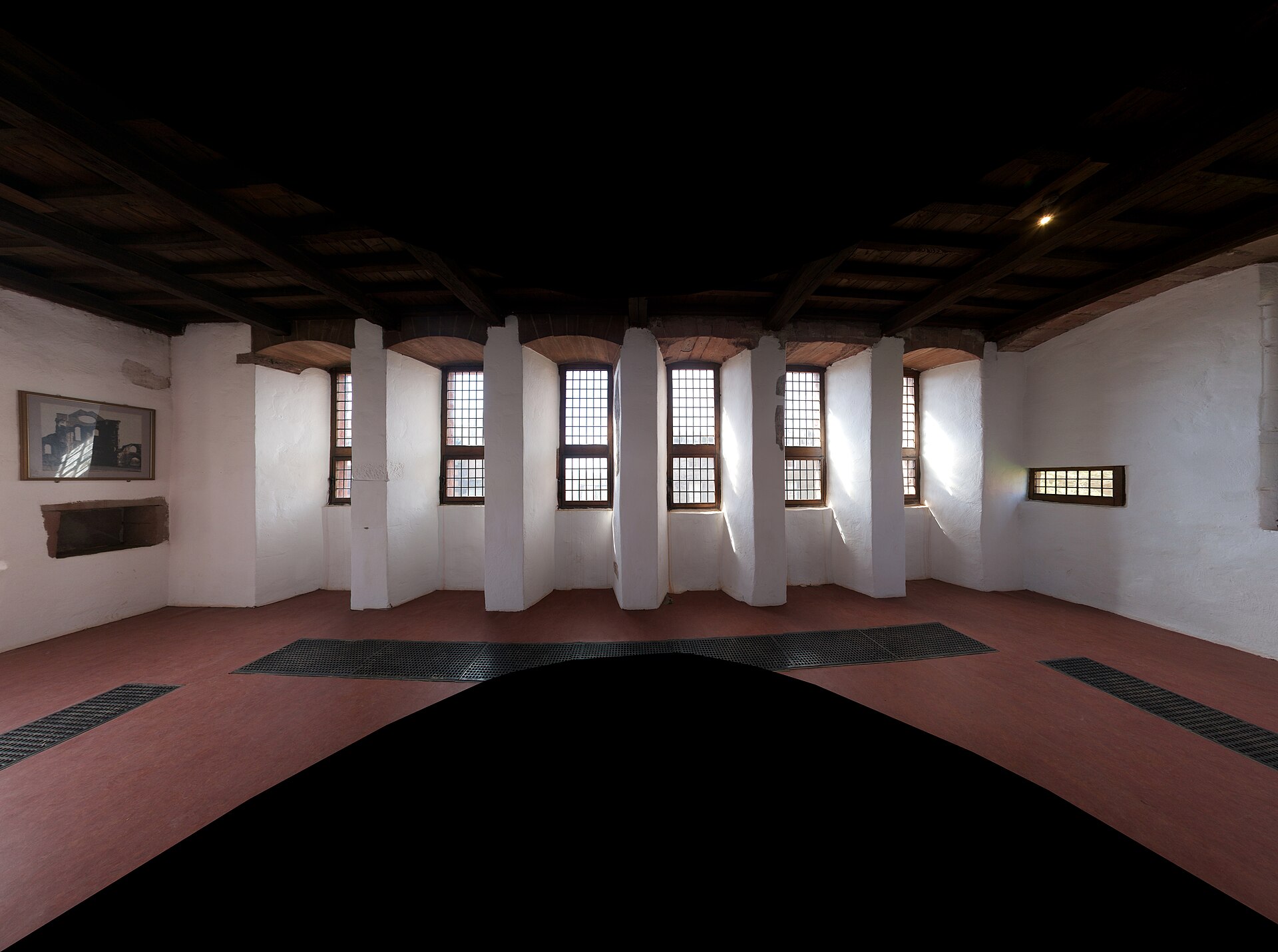
Building or ruin · Medieval
Arbroath Abbey
Angus
It is the reputed birthplace of the 1320 Declaration of Arbroath, Scotland's most celebrated assertion of national independence.
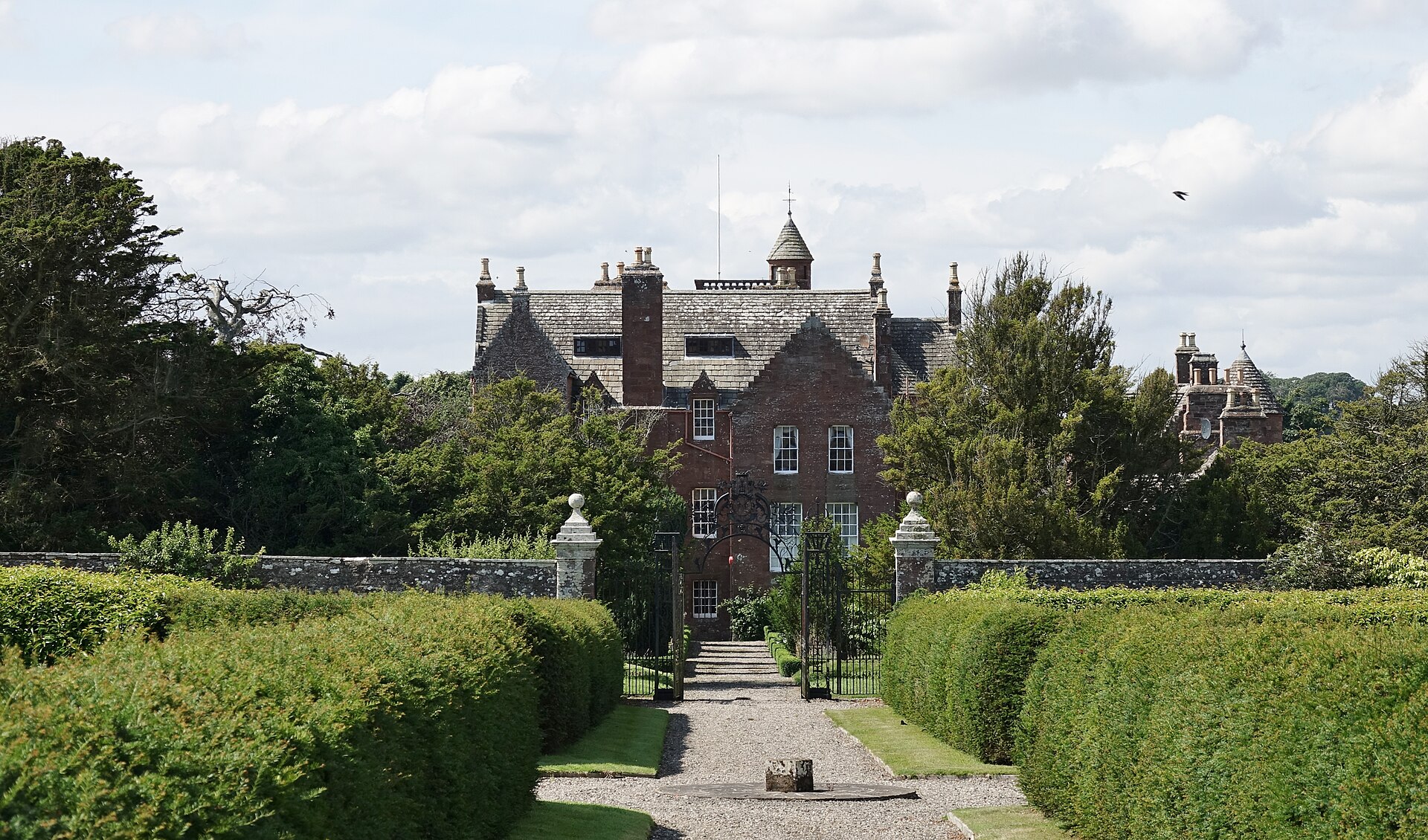
Fortified place · Medieval
Ethie Castle
Angus
It is a rare medieval castle continuously inhabited from monastic origins through cardinal, earls and clan chief, carrying with it the memory of Ca…
Questions people ask
- What is the Drosten Stone?
- It is a ninth-century carved Pictish slab at St Vigeans near Arbroath.
- Why is the inscription unusual?
- It is not ogham; it uses Latin-script lettering on a Pictish carved stone.
- Who studied the inscription?
- Thomas Owen Clancy published a major reading, and Guto Rhys later proposed another interpretation of UORET.
- Can the stone be dated closely?
- Clancy argued it may date to the reign of Uurad or Uoret in the ninth century.
Sources
Explore more: Carved stones · Pictish & early medieval · Angus
The Ancient Codex, in your pocket
Get the Pocket Codex app
Carry the directory with you — Drosten Stone and thousands of ancient places across Britain and Ireland, offline, wherever you roam.