
It is the reputed birthplace of the 1320 Declaration of Arbroath, Scotland's most celebrated assertion of national independence.
In 1320 the Declaration of Scottish Independence — the Declaration of Arbroath — is believed to have been drafted here by Abbot Bernard, Chancellor of Scotland under King Robert I. That association is what makes Arbroath Abbey famous.
King William the Lion founded the abbey in 1178 for a group of Tironensian Benedictine monks from Kelso Abbey. It was consecrated in 1197, dedicated to the recently killed Saint Thomas Becket, and became the richest abbey in Scotland. It was William’s only personal foundation; he was buried before the high altar in 1214.
The distinctive red sandstone ruins stand at the top of Arbroath’s High Street. The abbey fell into ruin after the Reformation and its stones were raided for the town from 1590 until preservation began in 1815. It is now cared for by Historic Environment Scotland and open to the public year-round for an entrance charge.
What follows is drawn from published sources, with each claim labelled by how firmly it is established.
History
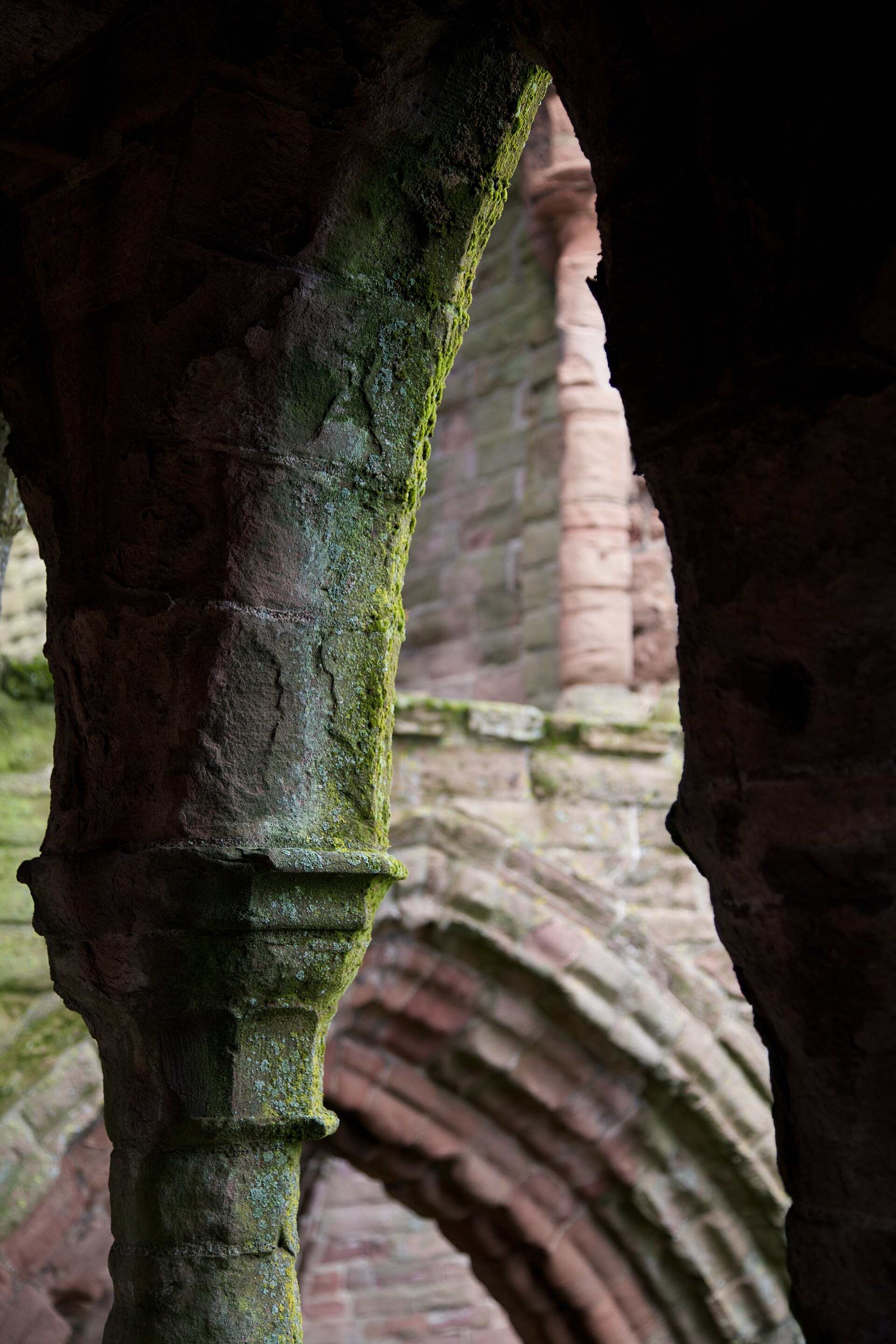
Arbroath Abbey was founded in 1178 by King William the Lion for Tironensian Benedictine monks brought from Kelso Abbey. It was consecrated in 1197 with a dedication to the deceased Saint Thomas Becket, whom the king had met at the English court. It was William's only personal foundation, and he was buried before the high altar of the church in 1214.
William gave the abbey independence from its founding house, Kelso, and endowed it generously, including income from 24 parishes and land in every royal burgh. The monks were allowed to run a market and build a harbour, and King John of England granted permission to buy and sell goods anywhere in England except London, toll-free. It became the richest abbey in Scotland.
In 1320 the Declaration of Scottish Independence, later known as the Declaration of Arbroath, is believed to have been drafted at the abbey by Abbot Bernard, who was Chancellor of Scotland under King Robert I. This association is the abbey's chief claim to fame.
James V stayed at the abbey for four days in July 1529. Its last abbot was Cardinal David Beaton, who in 1522 succeeded his uncle James to become Archbishop of St Andrews.
The abbey fell into ruin after the Reformation. From 1590 onward its stones were raided for buildings in the town of Arbroath, a practice that continued until 1815, when steps were taken to preserve the remaining ruins.
On Christmas Day 1950 the Stone of Destiny went missing from Westminster Abbey. On 11 April 1951 the stone was found lying on the site of the abbey's altar.
In 2005 the Arbroath Abbey campaign was launched to seek World Heritage Status for the site as the birthplace of the Declaration of Arbroath. In 2008 the campaign group chairman, Councillor Jim Millar, launched a public petition to reinforce the bid.
People
-
King William the Lion
Founded the abbey in 1178 as his only personal foundation; buried before the high altar in 1214.
-
Abbot Bernard
Chancellor of Scotland under King Robert I; believed to have drafted the 1320 Declaration of Arbroath.
-
Cardinal David Beaton
Last abbot; in 1522 succeeded his uncle James to become Archbishop of St Andrews.
-
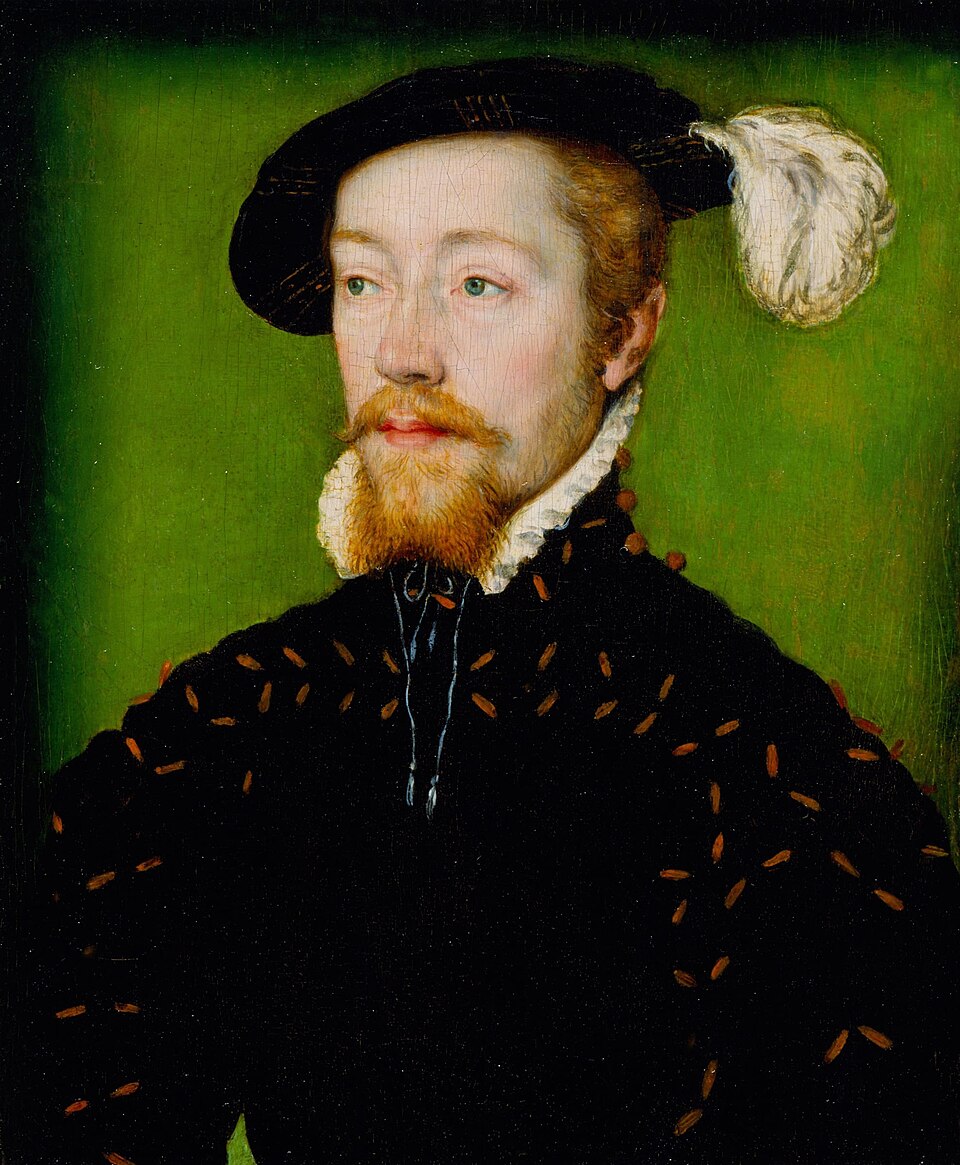
Portrait: Corneille de Lyon / Wikimedia Commons / Public domain James V
Stayed at the abbey for four days in July 1529.
-
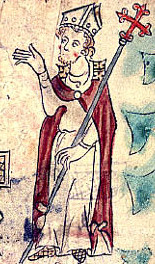
Portrait: Peter of Langtoft / Wikimedia Commons / Public domain Saint Thomas Becket
The deceased saint to whom the abbey was dedicated at its consecration in 1197.
Cultural influences
-
Birthplace of the Declaration
The abbey's fame rests on the 1320 Declaration of Arbroath, believed drafted here by Abbot Bernard. MSP Alex Johnstone described the Declaration as "a literary work of outstanding universal significance by any stretch of the imagination."
-
Bid for World Heritage
A campaign launched in 2005 seeks World Heritage Status for the abbey as the birthplace of the Declaration, with a 2008 public petition asking local people to back recognition by the United Nations.
Connections
-
Kelso Abbey
Founding house from which the Tironensian Benedictine monks came in 1178; the abbey was later granted independence from it.
-
Stone of Destiny (Stone of Scone)
Went missing from Westminster Abbey on Christmas Day 1950 and was found on the site of Arbroath Abbey's altar on 11 April 1951.
-
Westminster Abbey
The abbey from which the Stone of Destiny was removed in 1950 before being left at Arbroath.
Discovery & excavation
An archaeological investigation before the visitors' centre was built revealed the foundations of the medieval precinct wall with a gateway, and stonework discarded during manufacture, showing the area had been the site of the masons' yard while the abbey was being built. Detached architectural fragments found in the ruins during consolidation give an impression of the original refined, rather austere effect.
Finds now held at: Site of the visitors' centre by the west front; Within the ruins during consolidation.
In culture
-
Arbroath Abbey Pageant
Since 1947 a major historical re-enactment commemorating the Declaration's signing has been held within the roofless remains of the abbey church, run by the local Arbroath Abbey Pageant Society. It is not an annual event.
-
Annual 6 April commemoration
A special event to mark the signing is held every year on 6 April, involving a street procession and a short piece of street theatre.
What to look for
-
Red sandstone ruins
The distinctive red sandstone ruins stand at the top of the High Street. The cruciform church measured 276 feet (84 m) long by 160 feet (49 m) wide.
-
Unique triforium and west front
The round-arched processional doorway in the western front looks back to late Norman or transitional work, flanked by twin towers with blind arcading. The open triforium arcade above the door is unique in Scottish medieval architecture.
-
The 'Round O' window
The distinctive round window high in the south transept, known locally as the 'Round O', which the pack notes was originally lit at night as a beacon for mariners.
-
South transept lancet windows
The southern transept features Scotland's largest lancet windows. Also surviving are part of the choir and presbytery and the southern half of the nave.
-
Sacristy by Abbot Paniter
The sacristy was added by Abbot Paniter in the 15th century and survives among the remains, alongside parts of the western towers and the western doorway.
-
Gatehouse and Abbot's House
The impressive gatehouse stretches between the church's south-west corner and a defensive tower on the High Street. The complete Abbot's House, of the 13th, 15th and 16th centuries, is the best preserved of its type in Scotland.
-
Wave-roofed visitors' centre
The red sandstone-clad visitors' centre, opened in summer 2001 beside the west front with a 'wave-shaped' sedum-planted roof, won the 2002 Angus Design Award. It houses a scale model and a computer-generated fly-through reconstruction.
What is said
Folklore and tradition, recorded as what is said — not as established fact.
-
The Round O beacon
The round window high in the south transept is said to have been lit at night as a beacon for mariners. It is known locally as the 'Round O'.
-
Reid Lichties
From the tradition of the lit round window, inhabitants of Arbroath are colloquially known as 'Reid Lichties' (Scots reid = red).
-
A sea mark for ships
The church's central tower and probable spire, visible for many miles over the surrounding countryside, are said to have once acted as a sea mark for ships.
Plan your visit
- Location
- General area near Angus, Angus
This is a sensitive or fragile site, so we show only its general area. Please check official heritage sources for access before visiting, and take care not to disturb it.
Nearby places
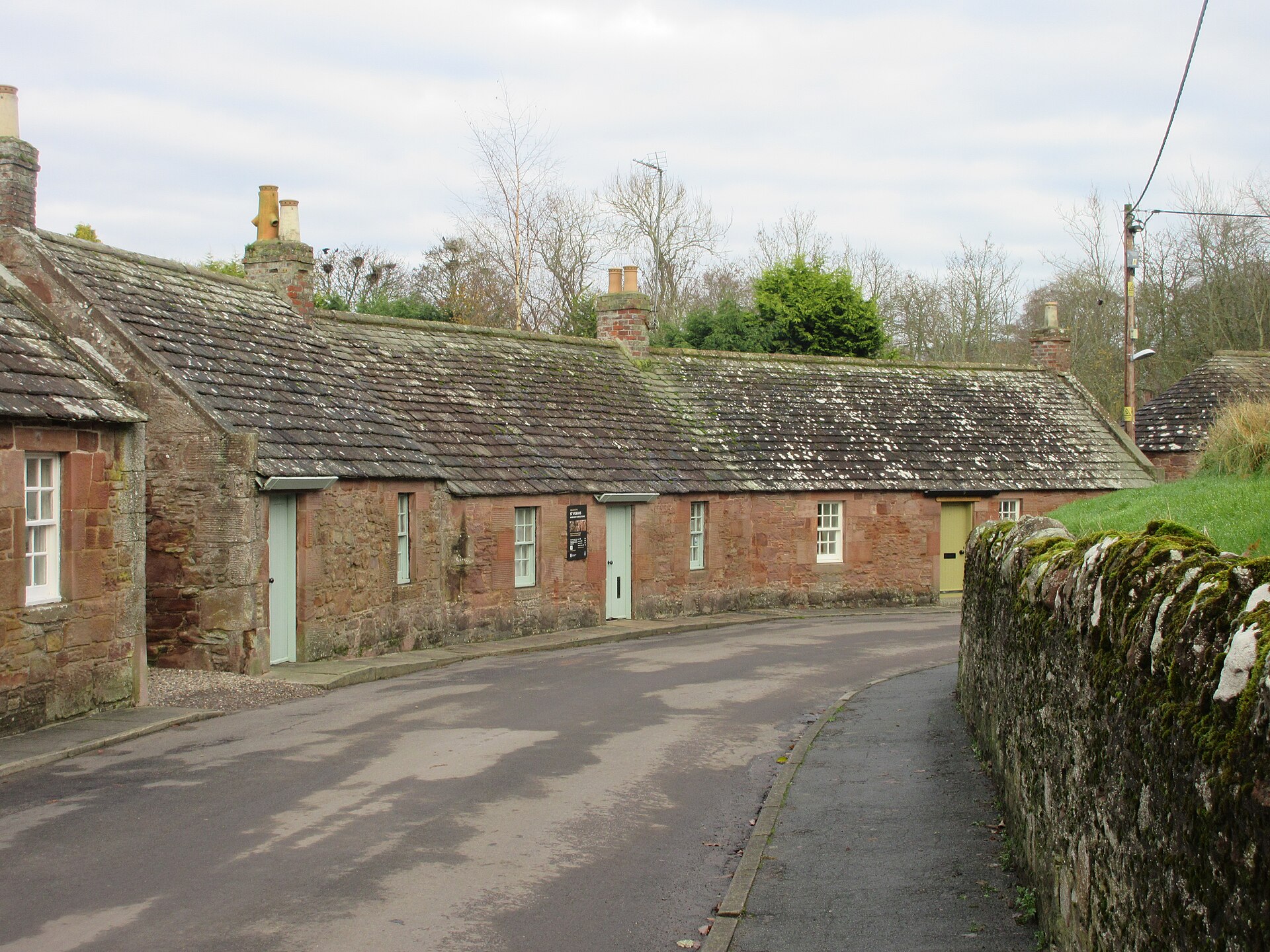
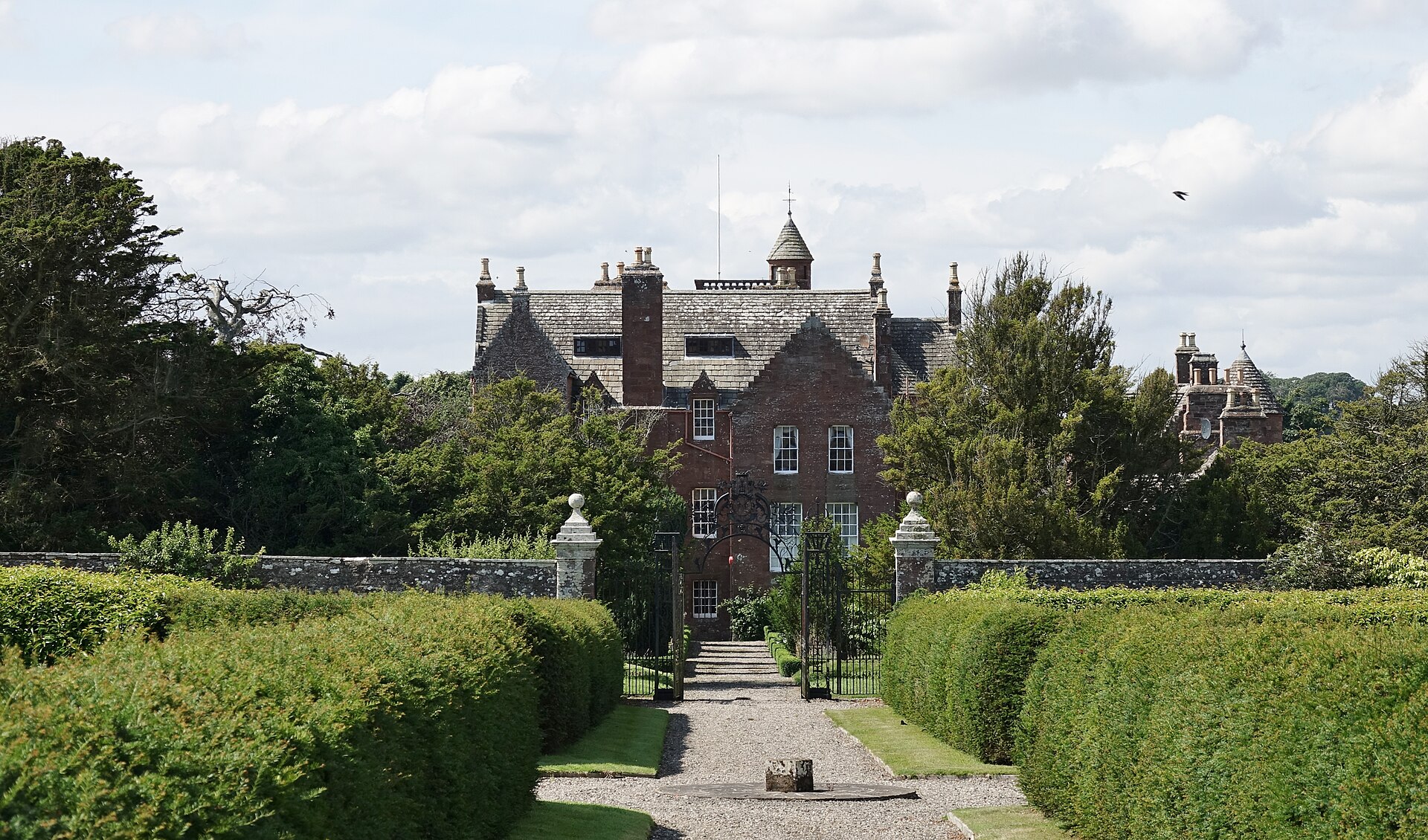
Fortified place · Medieval
Ethie Castle
Angus
It is a rare medieval castle continuously inhabited from monastic origins through cardinal, earls and clan chief, carrying with it the memory of Ca…
Questions people ask
- Why is Arbroath Abbey famous?
- It is most famous for its association with the 1320 Declaration of Scottish Independence, the Declaration of Arbroath, believed to have been drafted there by Abbot Bernard, Chancellor of Scotland under King Robert I.
- Who founded Arbroath Abbey and when?
- King William the Lion founded it in 1178 for Tironensian Benedictine monks from Kelso Abbey. It was consecrated in 1197 and dedicated to Saint Thomas Becket. It was William's only personal foundation.
- What happened to the Stone of Destiny at Arbroath Abbey?
- After the Stone of Destiny went missing from Westminster Abbey on Christmas Day 1950, it was found lying on the site of Arbroath Abbey's altar on 11 April 1951.
- Can you visit Arbroath Abbey?
- Yes. The abbey is cared for by Historic Environment Scotland and is open to the public throughout the year for an entrance charge. A visitors' centre opened beside the west front in 2001.
- Why are Arbroath people called 'Reid Lichties'?
- The name comes from the round window in the south transept, known as the 'Round O', which tradition holds was lit at night as a beacon for mariners. Reid is Scots for red.
- Why did Arbroath Abbey fall into ruin?
- It fell into ruin after the Reformation. From 1590 onward its stones were raided for buildings in Arbroath, continuing until 1815, when steps were taken to preserve the remaining ruins.
Sources
- Wikipedia: Arbroath Abbey (accessed 2026-07-18)
- Historic Environment Scotland: Arbroath Abbey and associated buildings, including the Abbot's House (SM90018) (accessed 2026-07-18)
- Arbroath Abbey Pageant Society (accessed 2026-07-18)
Explore more: Building or ruins · Medieval · Angus
The Ancient Codex, in your pocket
Get the Pocket Codex app
Carry the directory with you — Arbroath Abbey and thousands of ancient places across Britain and Ireland, offline, wherever you roam.