
As the medieval seat of the Earls of Mar and the scene of two significant sieges in the Wars of Scottish Independence, Kildrummy is one of eastern Scotland's most complete surviving thirteenth-century castles.
Kildrummy Castle stands in ruin in the uplands of Aberdeenshire, one of the most extensive thirteenth-century castles to survive in eastern Scotland. It was probably raised in the mid-1200s by Gilbert de Moravia, and its siting may have been shaped by the trackway crossings of the Grampian Mounth. The castle became the seat of the Earls of Mar, and its distinctive shield-shaped plan gathered a ring of independent towers behind a massive twin-towered gatehouse set at the pointed end of the enclosure. Taller than the rest rose the Snow Tower, a keep built in the French manner much as at Bothwell Castle, while a dry moat and a steep ravine strengthened the defences. The stronghold saw hard use. In August and September 1306 it was besieged in defence of Robert the Bruce’s family, an episode that led to the execution of Nigel Bruce and many other Scots. It was besieged again in 1335, when Christina Bruce held out against David of Strathbogie until Sir Andrew Murray relieved her. Held later by the Elphinstone and Erskine families, the castle was finally abandoned in 1716 after the failure of the 1715 Jacobite Rising. It passed into state care in 1951.
What follows is drawn from published sources, with each claim labelled by how firmly it is established.
What to look for
-
The shield-shaped enclosure plan, with its ring of independent towers.
-
The massive twin-towered gatehouse guarding the pointed end of the castle.
-
The Snow Tower, the tall French-style keep, comparable to the one at Bothwell Castle.
-
The dry moat and the steep ravine that reinforced the site's natural defences.
-
The wider setting near the Grampian Mounth trackway crossings that may have determined its position.
Plan your visit
- Location
- General area near Aberdeenshire, Aberdeenshire
This is a sensitive or fragile site, so we show only its general area. Please check official heritage sources for access before visiting, and take care not to disturb it.
Nearby places
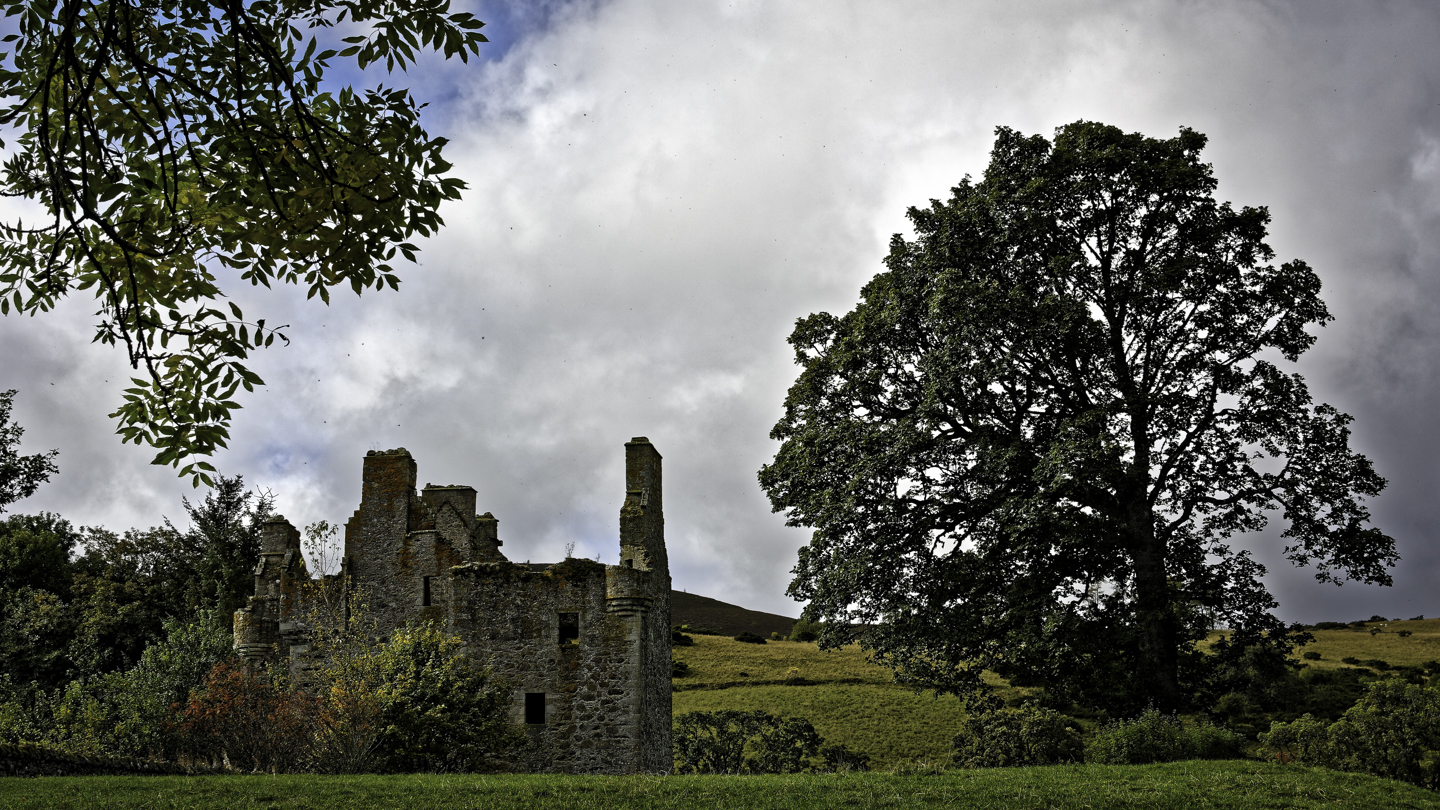
Fortified place · Medieval
Glenbuchat Castle
Aberdeenshire
Glenbuchat is a well-preserved late sixteenth-century Z-plan tower house that records both the domestic ambitions and the defensive instincts of Ab…
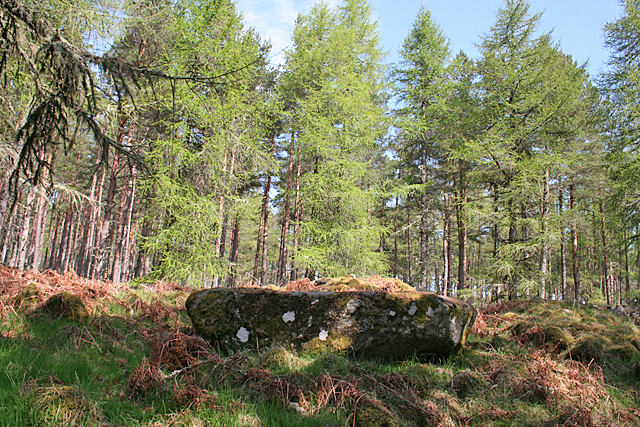
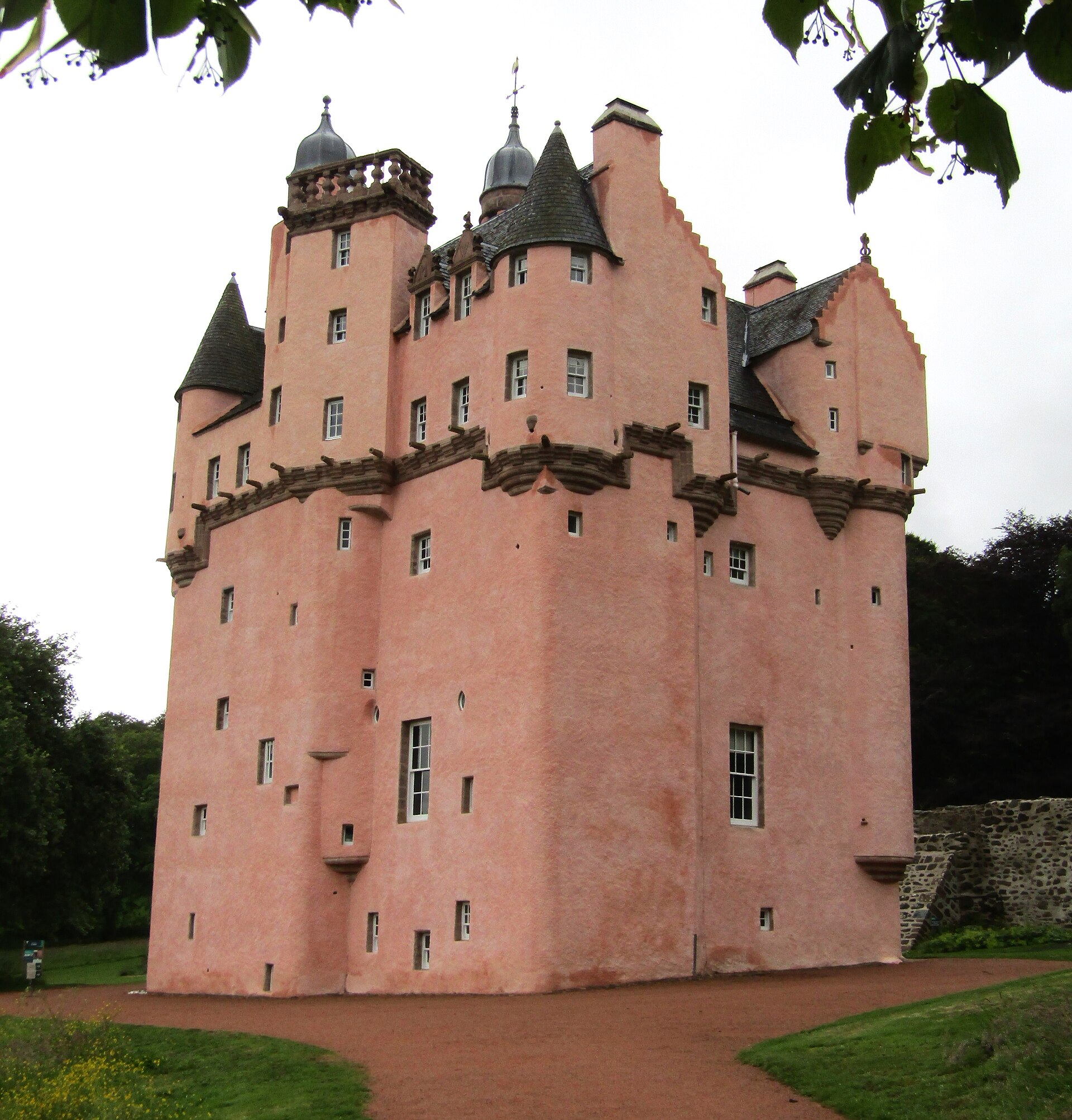
Fortified place · Medieval
Craigievar Castle
Aberdeenshire
One of the best-preserved and most admired tower houses in Scotland, Craigievar is a refined expression of the Scottish Baronial style and has stoo…
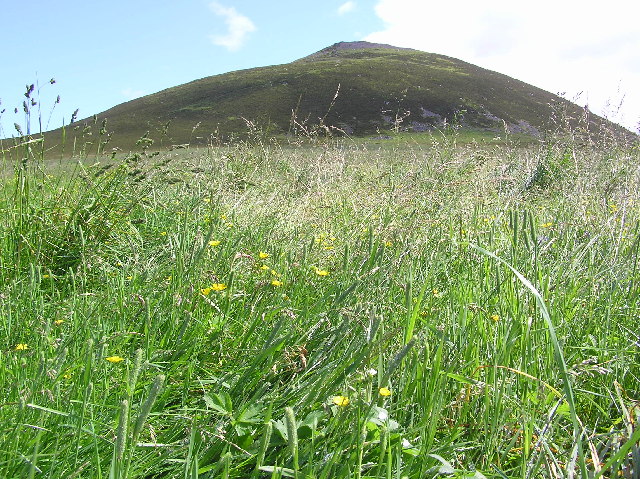
Fortified place · Iron Age
Tap o' Noth Hillfort
Aberdeenshire
Tap o' Noth is a hillfort on the summit of its hill in Aberdeenshire - the second highest fort in Scotland - whose principal feature is a well-pres…
- Near Rhynie
- 50 min walk from car park
- Some walking
The Ancient Codex, in your pocket
Get the Pocket Codex app
Carry the directory with you — Kildrummy Castle and thousands of ancient places across Britain and Ireland, offline, wherever you roam.