
Glenbuchat is a well-preserved late sixteenth-century Z-plan tower house that records both the domestic ambitions and the defensive instincts of Aberdeenshire's landed Gordons.
Glenbuchat Castle stands roofless in the Aberdeenshire uplands, a Z-plan tower house raised in 1590. It was built by John Gordon of Cairnbarrow to mark his marriage that same year to Helen Carnegie, a daughter of Robert Carnegie of Kinnaird in Angus. The design follows the Z-plan arrangement favoured by Scottish lairds of the period, with a central block set between projecting corner towers so that defenders could cover every face of the walls. Much of the building stone was carried from nearby Kildrummy Castle, giving the new house a ready supply of dressed masonry. Only a few years after it was completed, Glenbuchat was drawn into the conflicts of the age: after the Battle of Glenlivet in 1594, it was seized and garrisoned by royal forces. The Gordons held the castle until 1738, when the family sold it and it passed through private hands. In 1901 it was bought by James William Barclay, and in 1946 his grandson, Colonel James Barclay Milne, placed it in state care, with the surrounding parkland following soon afterwards. Today the roofless shell survives in fairly good order, cared for by Historic Environment Scotland as a scheduled monument.
What follows is drawn from published sources, with each claim labelled by how firmly it is established.
What to look for
-
The Z-plan layout — a central block flanked by projecting towers at opposite corners
-
Dressed building stone reused from nearby Kildrummy Castle
-
The roofless but substantially intact shell of the tower house
-
Its upland setting in the glen of Aberdeenshire
-
Scheduled-monument status under the care of Historic Environment Scotland
Plan your visit
- Location
- General area near Aberdeenshire, Aberdeenshire
This is a sensitive or fragile site, so we show only its general area. Please check official heritage sources for access before visiting, and take care not to disturb it.
Nearby places
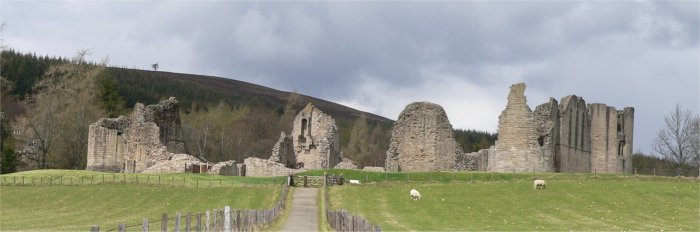
Fortified place · Medieval
Kildrummy Castle
Aberdeenshire
As the medieval seat of the Earls of Mar and the scene of two significant sieges in the Wars of Scottish Independence, Kildrummy is one of eastern…
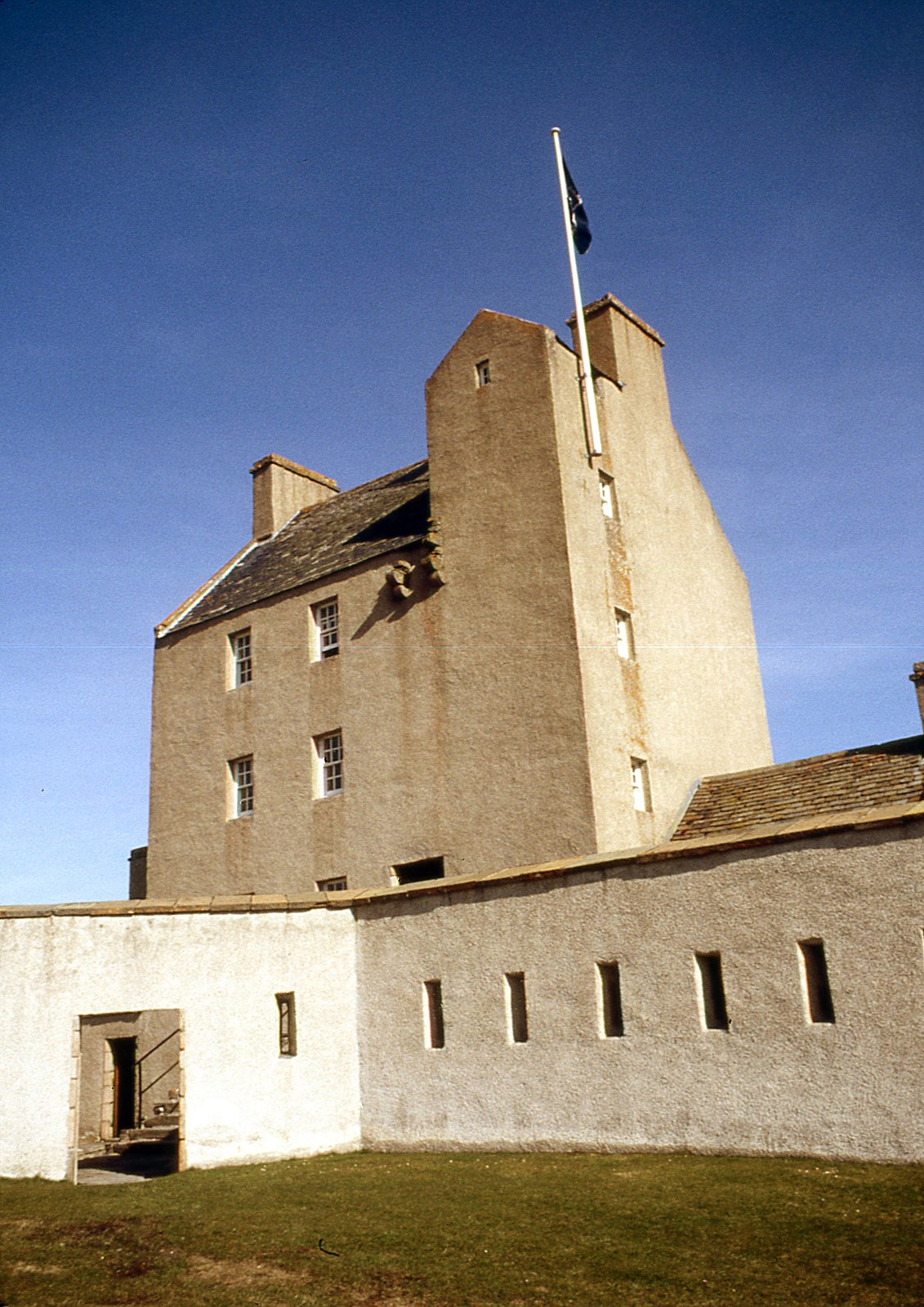
Fortified place · Medieval
Corgarff Castle
Aberdeenshire
Few Scottish strongholds trace so clearly the arc from clan feud through Jacobite conflict to a government garrison policing the Highlands.
The Ancient Codex, in your pocket
Get the Pocket Codex app
Carry the directory with you — Glenbuchat Castle and thousands of ancient places across Britain and Ireland, offline, wherever you roam.