
A ruined ring of contrasting stones looks toward Mither Tap from farmland near Inverurie. Balquhain is a recumbent stone circle, an early Bronze Age ring whose main horizontal slab is framed by upright flanker stones.
The surviving stones are notable for their varied geology, possible cup marks, suggested lunar alignments, and views to the hill behind. The pack also records visits and studies by Richard Bradley, Alexander Thom, and Frederick Coles.
What follows is drawn from published sources, with each claim labelled by how firmly it is established.
History
Balquhain stands in farmland near Inverurie with views toward Mither Tap.
The circle originally consisted of twelve stones.
Four stones remain standing, four have fallen, and four are presumed removed.
The recumbent is made of white grained granite that may have been brought from some distance.
The flankers include dark grey basalt and reddish quartzite.
The circle shows suggested rock art including cup marks and a rounded bump on the recumbent.
Lunar associations were identified in the 1980s, including alignments involving the flankers and recumbent.
Balquhain is a scheduled monument.
People
-
Richard Bradley
archaeologist who visited and published on north-east Scottish stone circles.
-
Alexander Thom
surveyor who proposed a diameter for the circle.
-
Frederick Coles
antiquarian surveyor who reported on the site.
Plan your visit
- Location
- 57.3066°N · 2.4415°W
- Access
- Open access
- Terrain
- Moderate walking
Opening & admission
The source pack does not provide reliable current admission details; verify before travelling.
- The circle stands in farmland; the pack gives no public access route details.
Nearby places
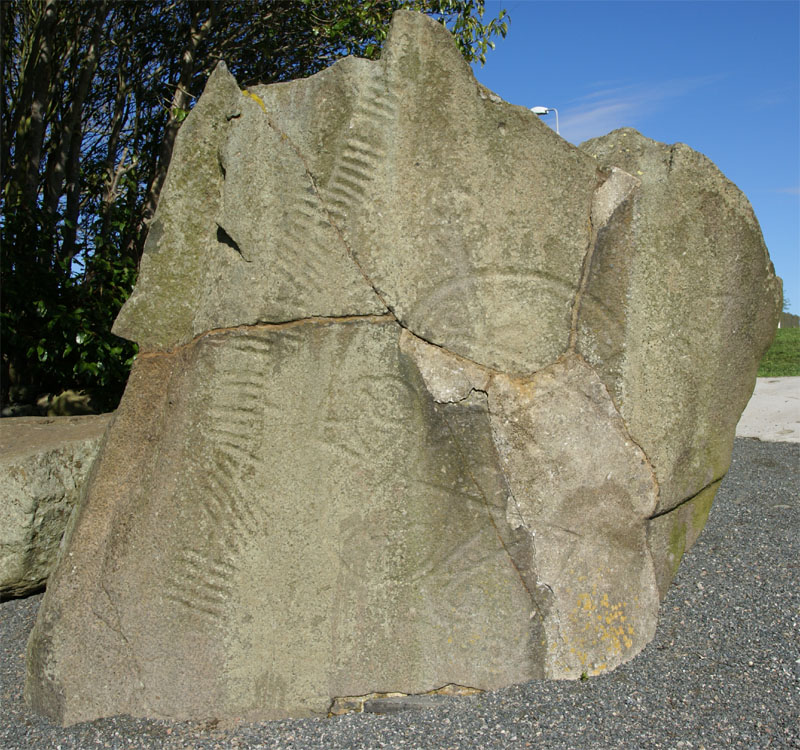
Carved stone · Pictish & early medieval
Brandsbutt Stone
Aberdeenshire
The Brandsbutt Stone is a Class I Pictish symbol stone in Inverurie, Aberdeenshire, a large block of whinstone bearing two incised Pictish symbols…
- Near Inverurie
- 1 min walk from car park
- Easy path
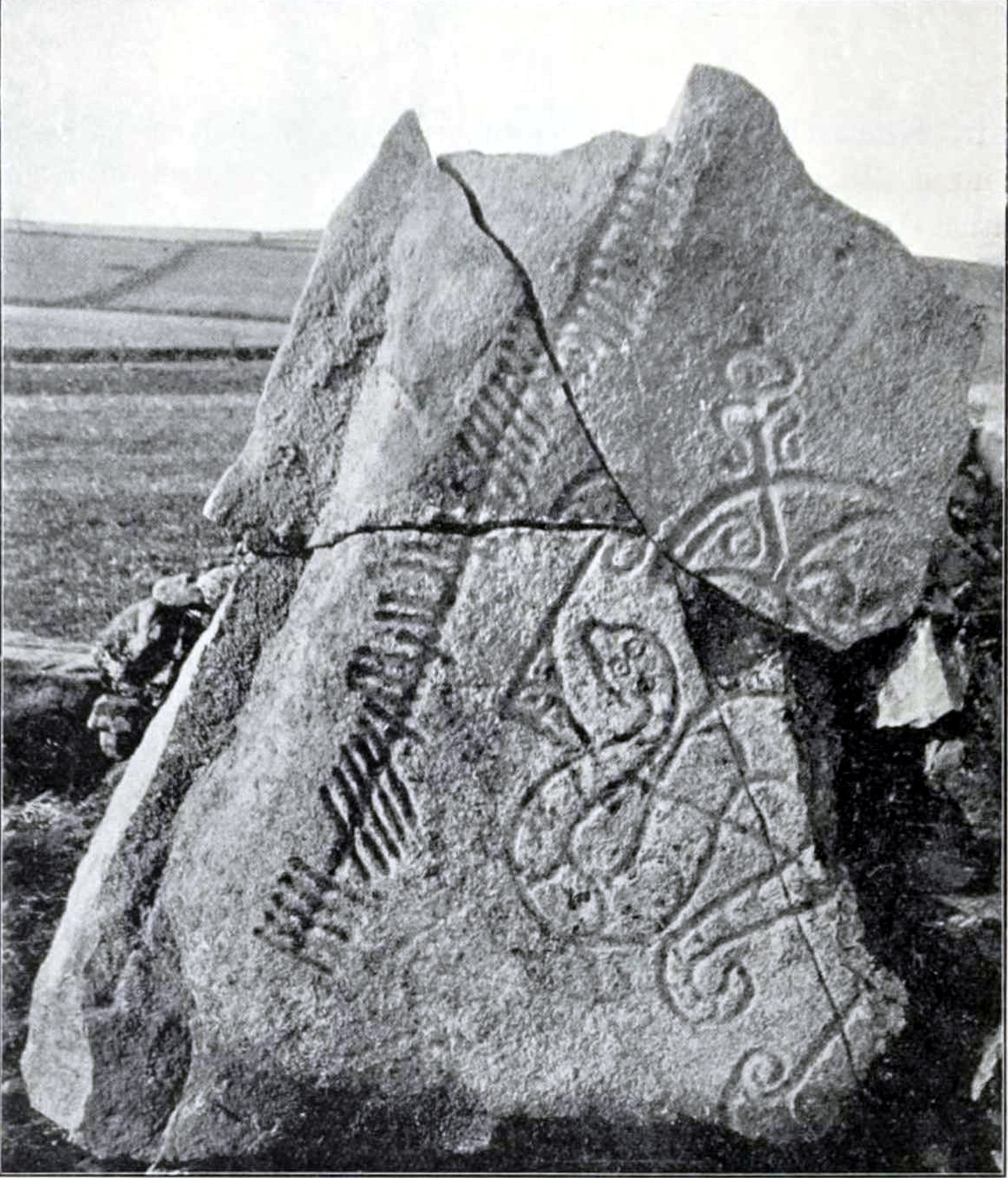
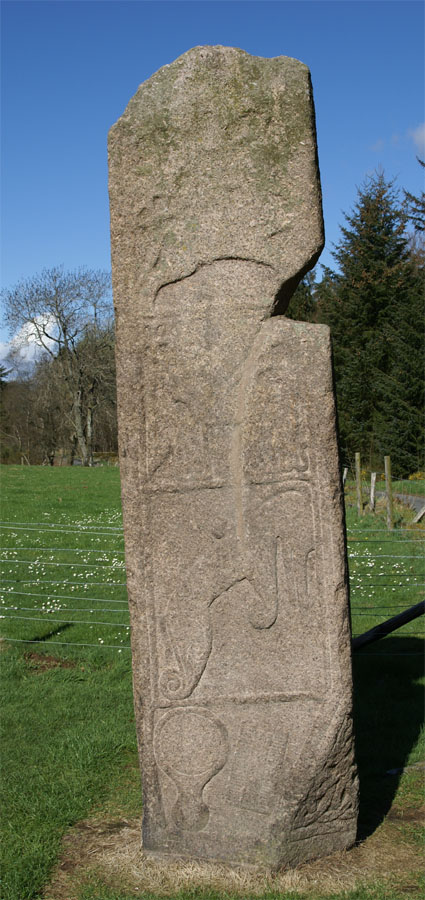
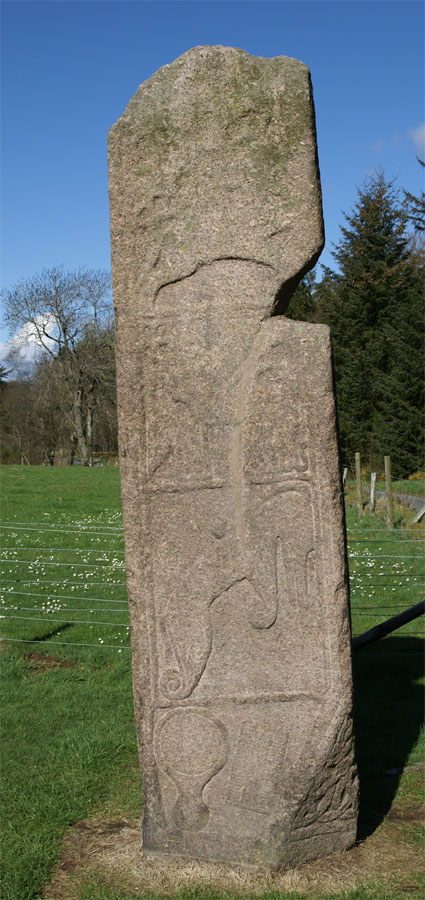
Carved stone · Pictish & early medieval
Maiden Stone
Aberdeenshire
The cross-slab was carved probably in the late 8th or early 9th century AD as a Class II Pictish monument, combining Christian and pre-Christian Pi…
- Near Inverurie
- 1 min walk from car park
- Easy path
Questions people ask
- What is Balquhain?
- It is a ruined recumbent stone circle near Inverurie in Aberdeenshire.
- What stones survive?
- The pack says four stones stand, four have fallen, and the remaining four original stones are presumed moved.
- Why is the stone colour important?
- The source notes white granite, dark basalt, reddish quartzite, red granite, and an outlier of white quartz, giving the circle a striking material range.
- What are the lunar associations?
- Researchers identified alignments involving the eastern and western flankers and the central hump of the recumbent stone.
Sources
Explore more: Tomb or burial places · Prehistoric · Aberdeenshire
The Ancient Codex, in your pocket
Get the Pocket Codex app
Carry the directory with you — Balquhain and thousands of ancient places across Britain and Ireland, offline, wherever you roam.