
Fortified place · Medieval · South Ayrshire
Dundonald Castle
A rare surviving royal residence of the early Stewart kings, built to mark Robert II's accession in 1371 on a hilltop fortified since prehistory.
Dundonald Castle stands on a hill above the Ayrshire village of the same name, the third stronghold to occupy the site. Robert Stewart raised the present tower house around 1371, most likely to mark his accession as Robert II, first of the Stewart kings, and it served as a royal residence for him and his son Robert III. Two earlier castles preceded it: a twelfth-century work attributed to Walter the Steward, and a later thirteenth-century castle largely destroyed during the Wars of Independence. The surviving keep rose three storeys, with a great hall reserved for the king set above a lower hall used for public business and the baron court, and cellars beneath; later additions brought private chambers, a prison and a walled courtyard holding stables, bakehouse and smithy. As the Stewart line moved on, the castle passed to the Wallaces of Craigie and, from the seventeenth century, to the Cochranes, who took the title Earl of Dundonald. The thirteenth earl gave it to the state in 1953. Excavations have traced occupation on the hill back through an Iron Age fort to Neolithic activity. Local legend credits its building to one Donald Din, said to have raised it entirely of stone.
What follows is drawn from published sources, with each claim labelled by how firmly it is established.
What to look for
-
The surviving three-storey keep, with the royal great hall raised above the lower public hall, baron court and cellars
-
Traces of the two earlier medieval castles and an Iron Age hillfort that stood on the same hilltop
-
The line of the barmkin, the walled outer courtyard that once held stables, a bakehouse and a smithy
-
The elevated setting above Dundonald village, chosen for defence and command of the surrounding country
Plan your visit
- Location
- General area near South Ayrshire, South Ayrshire
This is a sensitive or fragile site, so we show only its general area. Please check official heritage sources for access before visiting, and take care not to disturb it.
Nearby places
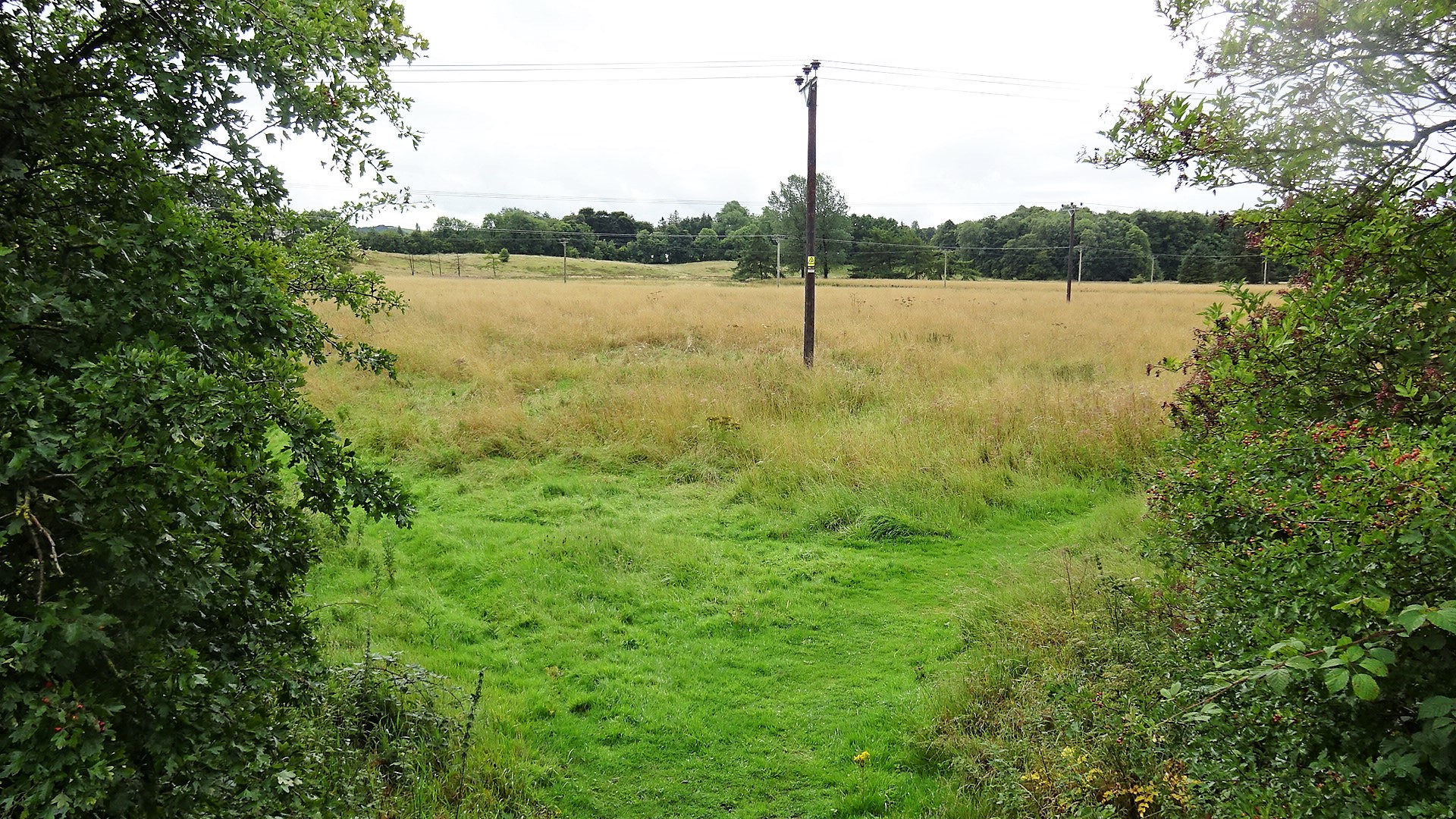
Ancient tree · Medieval
Bickering Bush
East Ayrshire
A named, long-standing tree carried in local memory as a landmark — included for its place in the landscape, with age and superlative claims held f…
- Near East Ayrshire
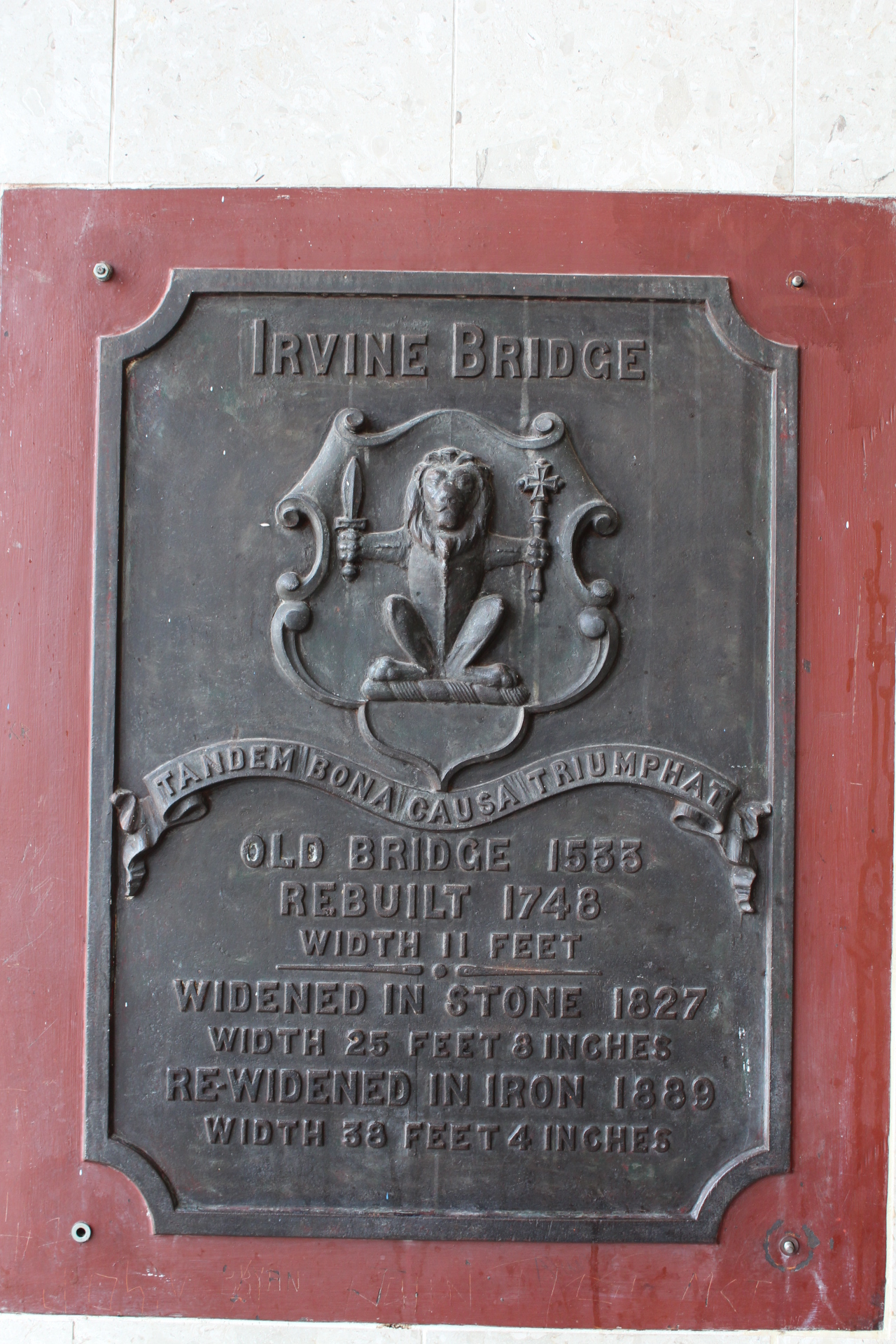
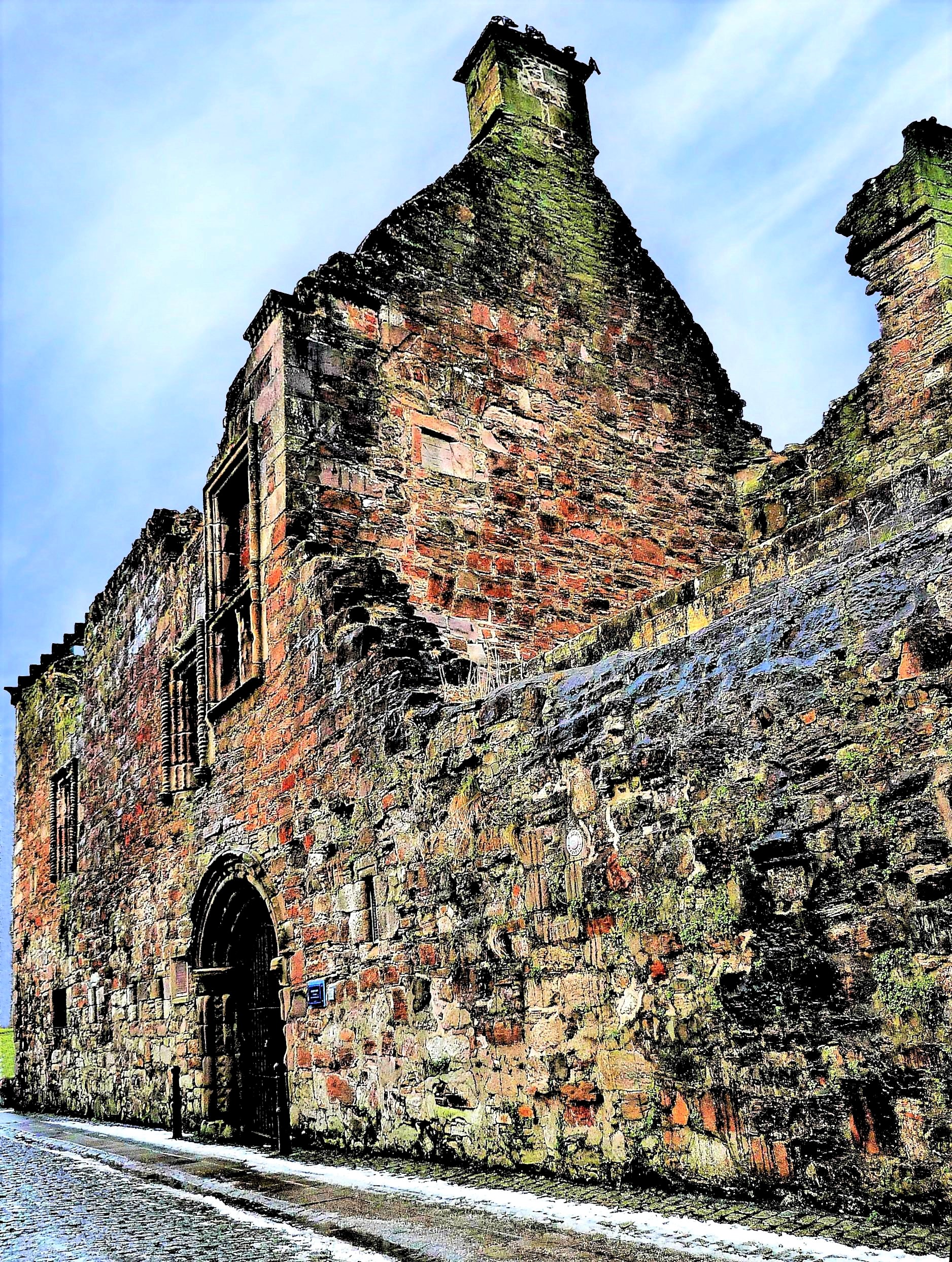
Fortified place · Medieval
Seagate Castle
North Ayrshire
It is a rare surviving sixteenth-century urban town house of a leading Ayrshire noble family, linked by tradition to a visit from Mary, Queen of Sc…
Minor monument · Medieval
Market Cross, Prestwick
South Ayrshire
Mercat cross with HES-listed pre-1800 evidence (1777).
- Easy path
The Ancient Codex, in your pocket
Get the Pocket Codex app
Carry the directory with you — Dundonald Castle and thousands of ancient places across Britain and Ireland, offline, wherever you roam.