
A grey boulder sits low in the River Irvine, sometimes hidden by the water and sometimes exposed at low tide. The Grannie Stone is one of Irvine’s prehistoric puzzles: it may be the last visible stone from a lost stone circle, or it may simply be a glacial erratic, a boulder carried and dropped by ice.
The stone’s story is shaped as much by local memory as by archaeology. Accounts connect it with vanished stepping stones, river works, Marymass customs and speculative name traditions, while the source pack is clear that its archaeological status remains uncertain.
What follows is drawn from published sources, with each claim labelled by how firmly it is established.
History
The Grannie Stone lies in the River Irvine below the Rivergate Centre in Irvine, North Ayrshire.
The source pack says it may be the only surviving part of a stone circle, but may also be a glacial erratic with no archaeological significance.
Other stones in the river were reportedly removed by blasting in 1897 and 1899 after the Irvine weir was built.
Public protest is said to have saved the remaining stone.
The 1895 weir raised the river level and made the stone less prominent.
The pack notes that the stone is not listed by RCAHMS, is not mentioned by John Smith and does not appear on the first Ordnance Survey map.
The Carters Society formerly circled the stone twice during the Marymass celebration on the way to Irvine Moor.
In culture
-
Puddleford stepping stones
Some accounts connect nearby stepping stones with monks travelling from the Carmelite Priory, though the details remain uncertain.
-
Paddy's Milestone
The stone has also been jokingly compared with Ailsa Craig and called Paddy's Milestone.
What to look for
-
River setting
The boulder is visible in the river below the Rivergate Centre when water conditions allow.
-
Single survivor
If the stone-circle tradition is correct, this is the remaining stone from a larger group.
-
Weir-altered visibility
The modern water level has made the stone less prominent than it once was.
What is said
Folklore and tradition, recorded as what is said — not as established fact.
-
Name traditions
It is said that the pack records several speculative explanations for the name, including links with Apollo Grannicus, Grianaig or Grian, and a goddess transformed into a grey boulder.
-
Wallace tradition
Local celebration connected the stone with William Wallace crossing the Irvine in 1297, but the pack treats that story as fanciful or embellished.
-
Lost holm
A persistent belief says the river once flowed differently and that the stone stood on a green holm with other stones later swept away or broken up.
Plan your visit
- Location
- 55.6128°N · 4.6697°W
- Access
- Open access
- Terrain
- Easy going
Opening & admission
The pack gives no admission details or managing body, so visitors should check local conditions before travelling.
- The stone lies in the River Irvine below the Rivergate Centre.
- It is visible only when water conditions allow.
- The pack treats the prehistoric interpretation as uncertain.
Nearby places
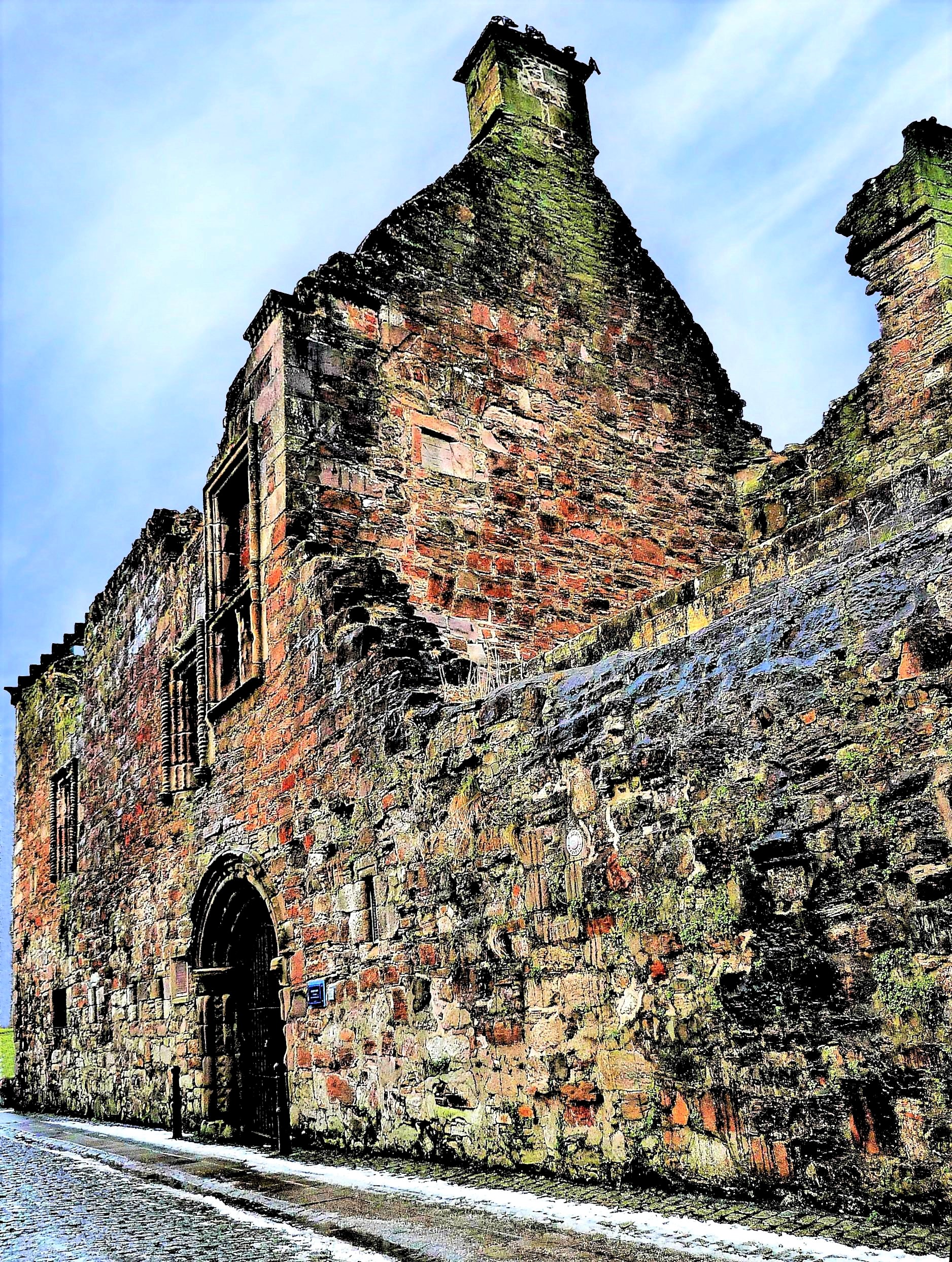
Fortified place · Medieval
Seagate Castle
North Ayrshire
It is a rare surviving sixteenth-century urban town house of a leading Ayrshire noble family, linked by tradition to a visit from Mary, Queen of Sc…
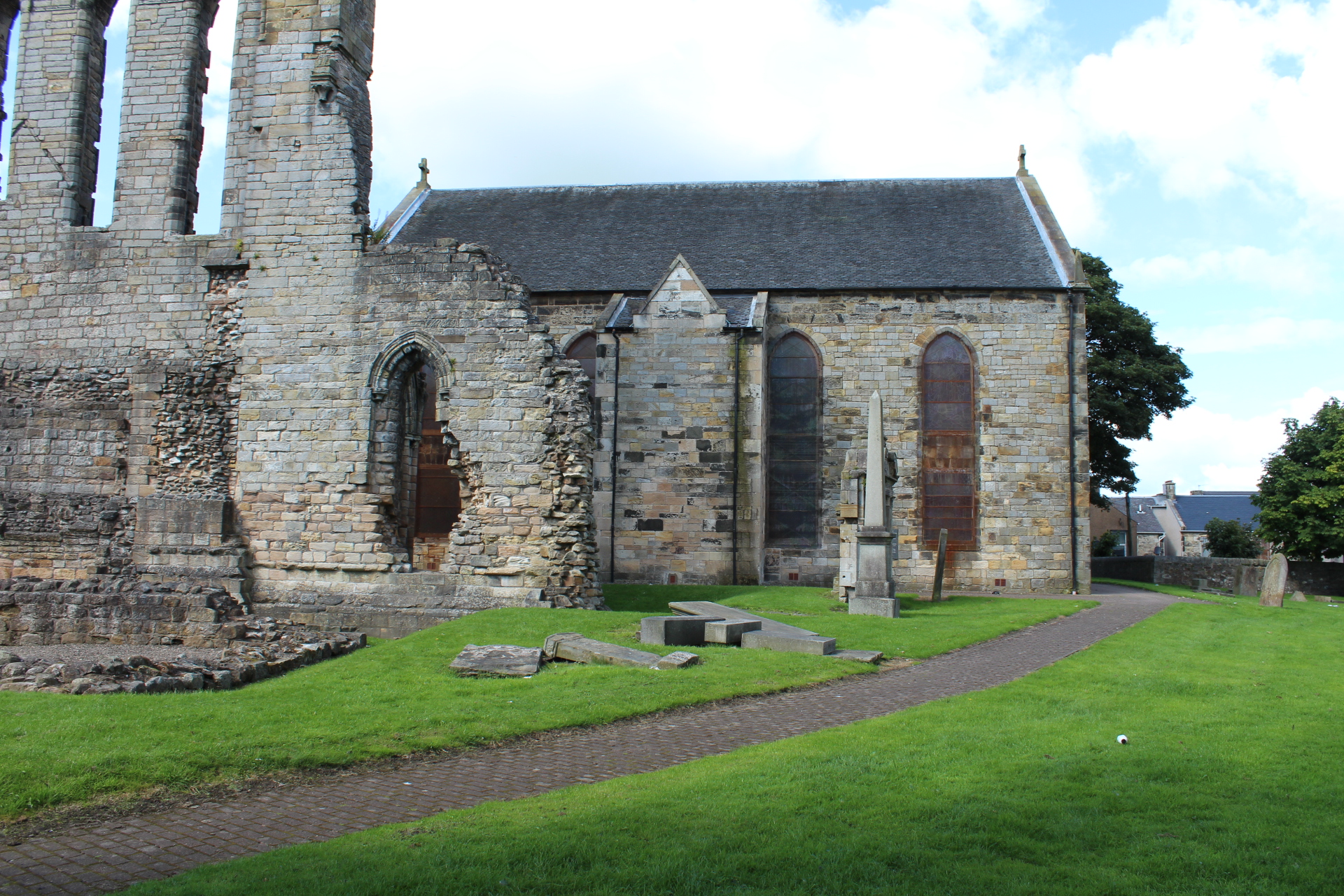
Building or ruin · Medieval
Kilwinning Abbey
North Ayrshire
One of Scotland's early Tironensian monasteries, its ruined medieval church and later clock tower anchor the North Ayrshire town that took the abbe…
Fortified place · Medieval
Dundonald Castle
South Ayrshire
A rare surviving royal residence of the early Stewart kings, built to mark Robert II's accession in 1371 on a hilltop fortified since prehistory.
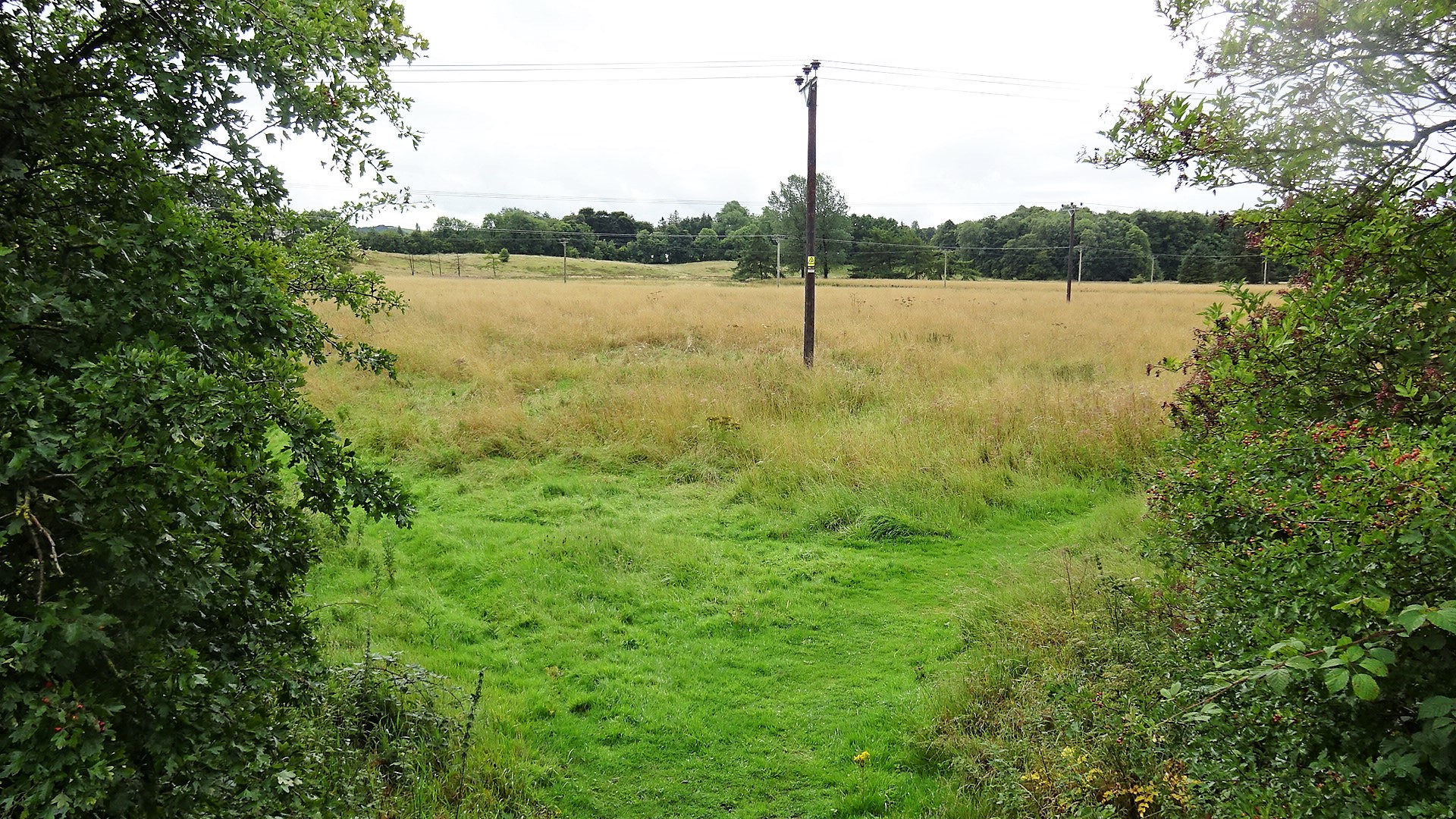
Ancient tree · Medieval
Bickering Bush
East Ayrshire
A named, long-standing tree carried in local memory as a landmark — included for its place in the landscape, with age and superlative claims held f…
- Near East Ayrshire
Questions people ask
- What is the Grannie Stone?
- It is a boulder in the River Irvine that may be a surviving stone from a lost stone circle, though the pack says it may simply be a glacial erratic.
- Is the Grannie Stone definitely prehistoric?
- No. The source pack presents its archaeological status as uncertain and notes reasons for caution.
- Why is the Grannie Stone less visible now?
- The Irvine weir, built in 1895, raised the river level and made the stone less prominent.
- What tradition involved the Grannie Stone?
- The Carters Society formerly circled the stone twice during Marymass celebrations on the way to Irvine Moor.
Sources
Explore more: Tomb or burial places · Prehistoric · North Ayrshire
The Ancient Codex, in your pocket
Get the Pocket Codex app
Carry the directory with you — Grannie stone and thousands of ancient places across Britain and Ireland, offline, wherever you roam.