
A low circular mound of collapsed stone lies within older earthworks on a ridge near Galashiels. Torwoodlee is a broch (an Iron Age drystone round tower), an Iron Age drystone round tower, built partly over the defences of an earlier hillfort, a defended prehistoric enclosure.
Torwoodlee Broch matters because excavation tied a southern broch directly to the Roman frontier story. Roman pottery, glass, a coin, double-wall construction, and evidence for rapid building and destruction make it one of the key Borders brochs.
What follows is drawn from published sources, with each claim labelled by how firmly it is established.
History
An earlier hillfort occupied the ridge before the broch was built.
The broch was first cleared by James Curle in 1891.
Roman pottery, glass, and a first-century coin were found inside the broch.
Stuart Piggott systematically excavated the broch in 1950.
Roman pottery and glass were also found beneath the broch wall.
The broch appears to have been built soon after the Roman withdrawal around AD 100 and destroyed soon afterwards.
People
-
James Curle
Cleared the broch in 1891 and published early notes on the site.
-
Stuart Piggott
Systematically excavated Torwoodlee Broch in 1950.
-
Roman army
The nearby Roman presence provides context for the finds and destruction theory.
Connections
-
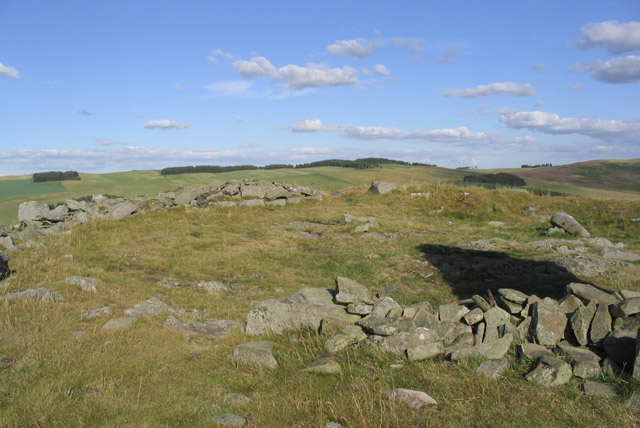
Photo: Walter Baxter / Wikimedia Commons / CC BY-SA 2.0 Bow Castle Broch
Nearby Borders broch north of Torwoodlee.
-
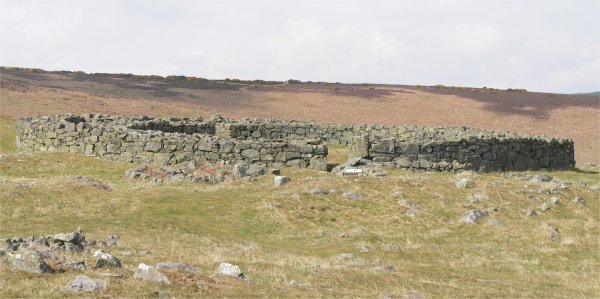
Photo: Oehoe at Dutch Wikipedia (Original text: Van de Beek) / Wikimedia Commons / CC BY-SA 3.0 Edin's Hall Broch
Another southern broch in the Scottish Borders.
-
Trimontium (Newstead)
Nearby Roman fort that may explain Roman material found at Torwoodlee.
-
Galashiels
Nearby town.
What to look for
-
Circular mound
The collapsed broch survives as a low circular mound of stone.
-
Earlier hillfort
The broch lies within the earthworks of an older fortified enclosure.
-
Double-wall construction
Brochs used two concentric stone walls with chambers and stairs in the thickness.
-
Entrance passage
A stone-lined passage led through the wall into the central court.
-
Roman material
Pottery, glass, and a coin connect the site to the Roman frontier.
Plan your visit
- Location
- 55.6369°N · 2.8505°W
- Access
- Permission required
- Terrain
- Rough ground — reasonable boots advised
Opening & admission
- Ridge and farmland setting near Galashiels; confirm local access before visiting.
Nearby places
Fortified place · Medieval
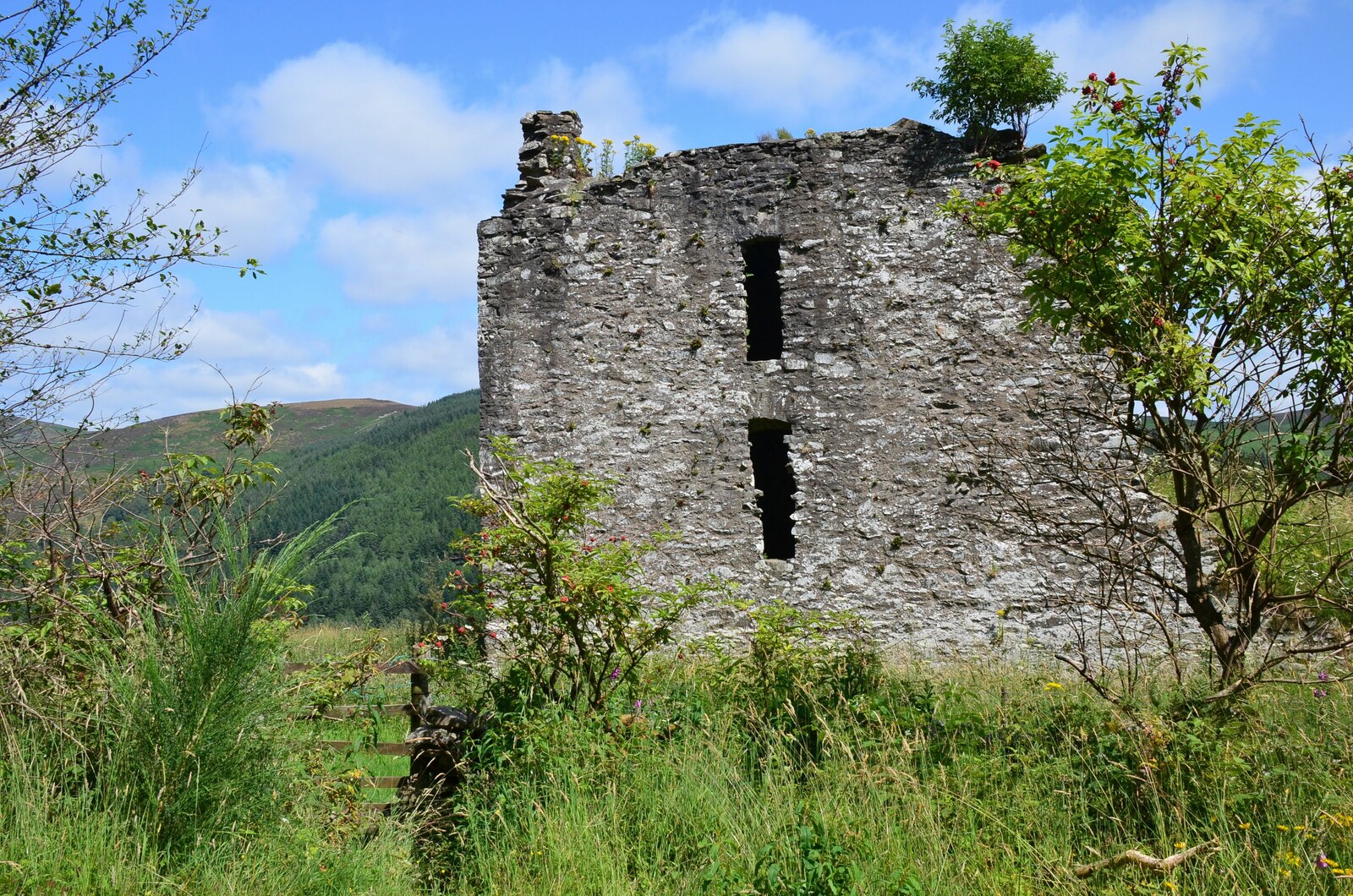
Elibank Castle
Scottish Borders
A late-16th-century Borders fortified house whose Italianate terraced gardens, laid out after the Union of the Crowns, were counted among the grand…
Building or ruin · Medieval
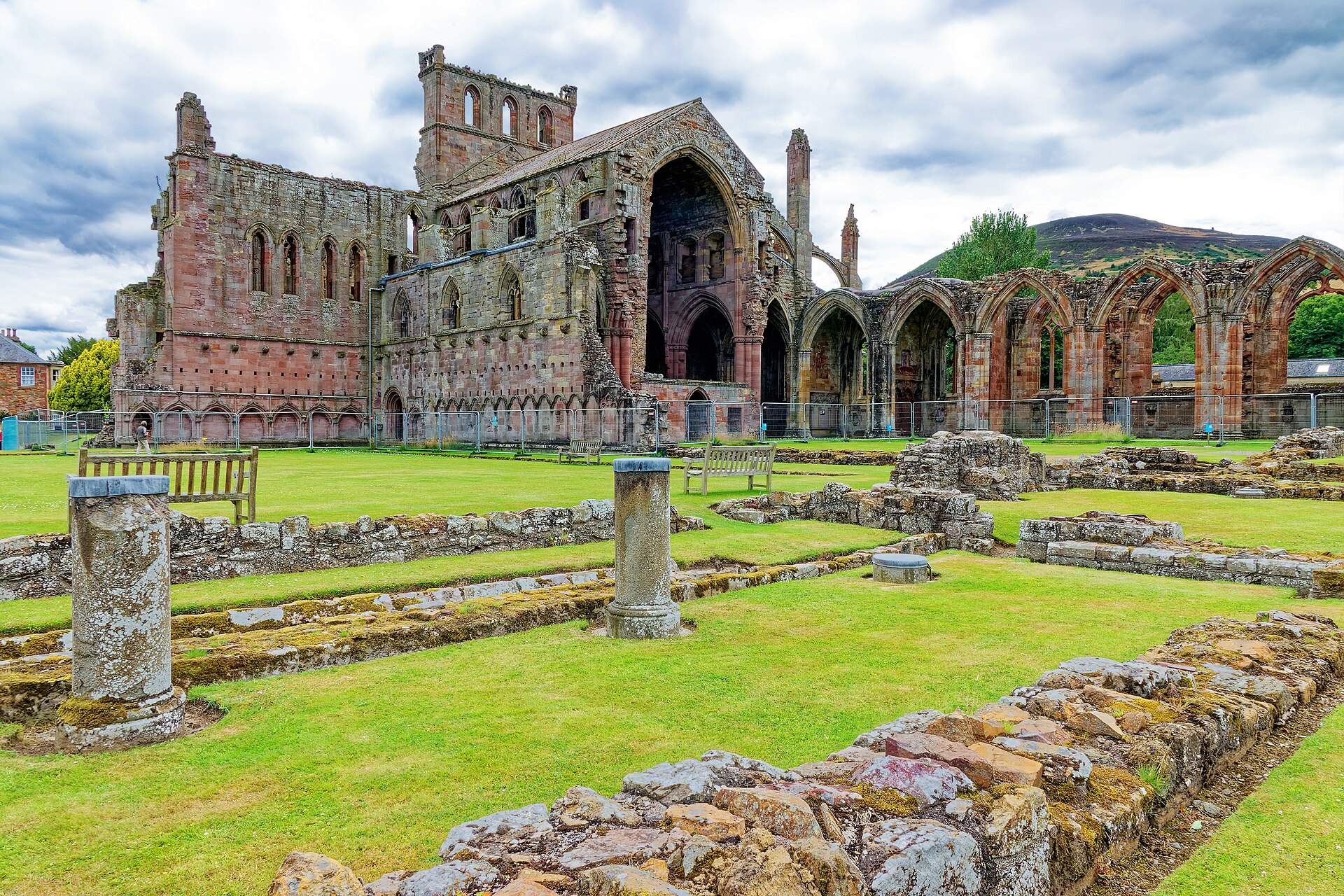
Melrose Abbey
Scottish Borders
St Mary's Abbey, Melrose was founded in 1136 by Cistercian monks at the request of King David I of Scotland — the first Cistercian abbey in Scotlan…
- Near Melrose
- 2 min walk from car park
Minor monument · Medieval
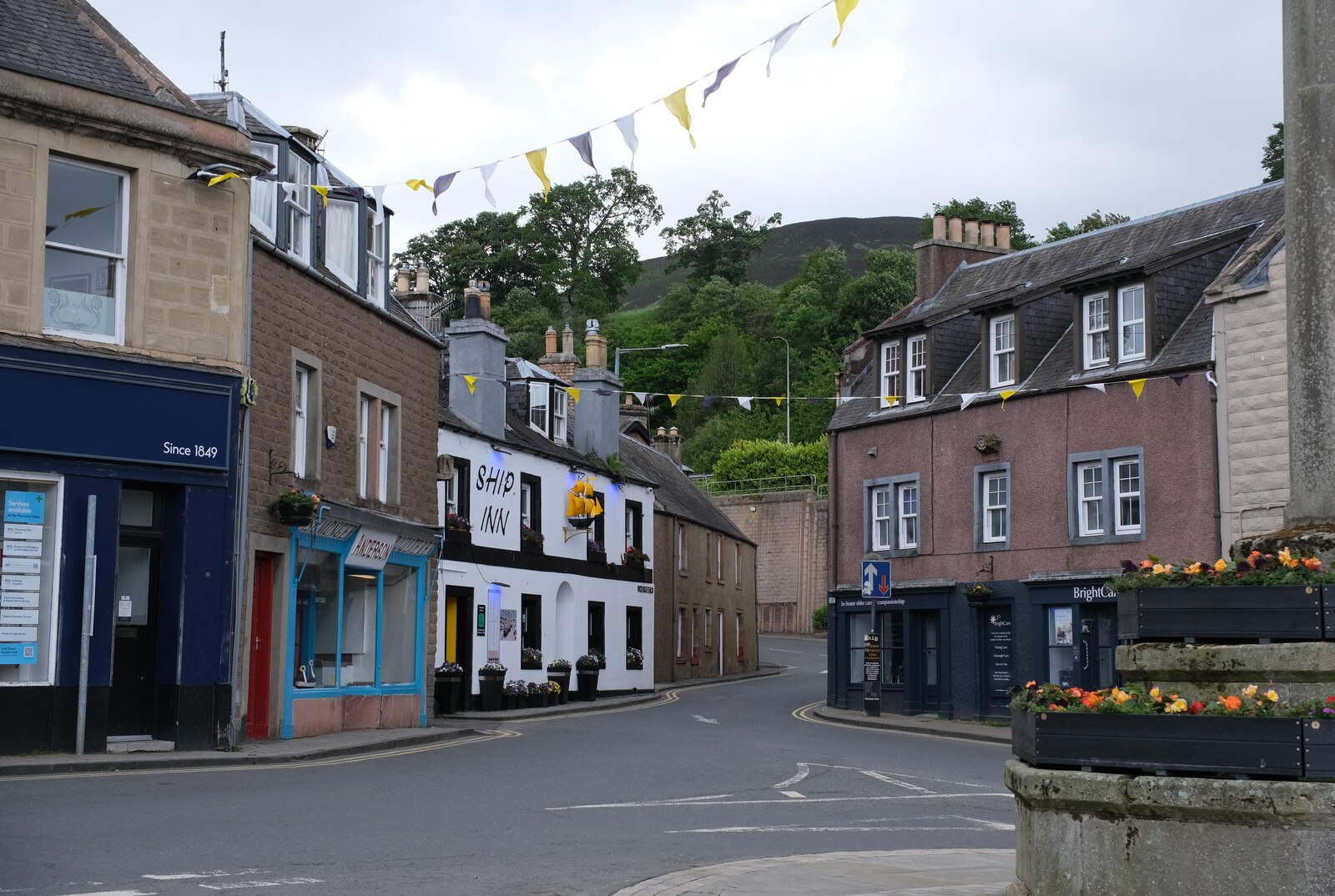
Market Cross, Market Square, Melrose
Scottish Borders
Mercat cross with HES-listed pre-1800 evidence (1645).
- Easy path
Questions people ask
- What is Torwoodlee Broch?
- It is an Iron Age broch built within an earlier hillfort near Galashiels.
- Who excavated Torwoodlee?
- James Curle cleared it in 1891, and Stuart Piggott excavated it systematically in 1950.
- What was found there?
- Finds included Roman pottery, glass, and a first-century AD coin.
- Why is Torwoodlee important?
- It is one of the rare southern brochs and helps explain Iron Age life near the Roman frontier.
Sources
Explore more: Fortified places · Iron Age · Scottish Borders
The Ancient Codex, in your pocket
Get the Pocket Codex app
Carry the directory with you — Torwoodlee Broch and thousands of ancient places across Britain and Ireland, offline, wherever you roam.