
The hilltop on the northeast slope of Cockburn Law was first fortified in the pre-Roman Iron Age, when double ramparts and ditches enclosed an oval settlement roughly 135 by 75 m, with the entrance…
Edin’s Hall Broch (an Iron Age drystone round tower), Fort and Settlement is a fortified place near Duns, Scottish Borders, Scotland.
What follows is drawn from published sources, with each claim labelled by how firmly it is established.
The name
In the late 18th century the site was called 'Woden's Hall' or 'Woden's Castle', after the chief god of Anglo-Saxon mythology. The later name 'Edin's Hall' is said to recall the legend of the three-headed giant The Red Ettin known from tales and ballads.
History
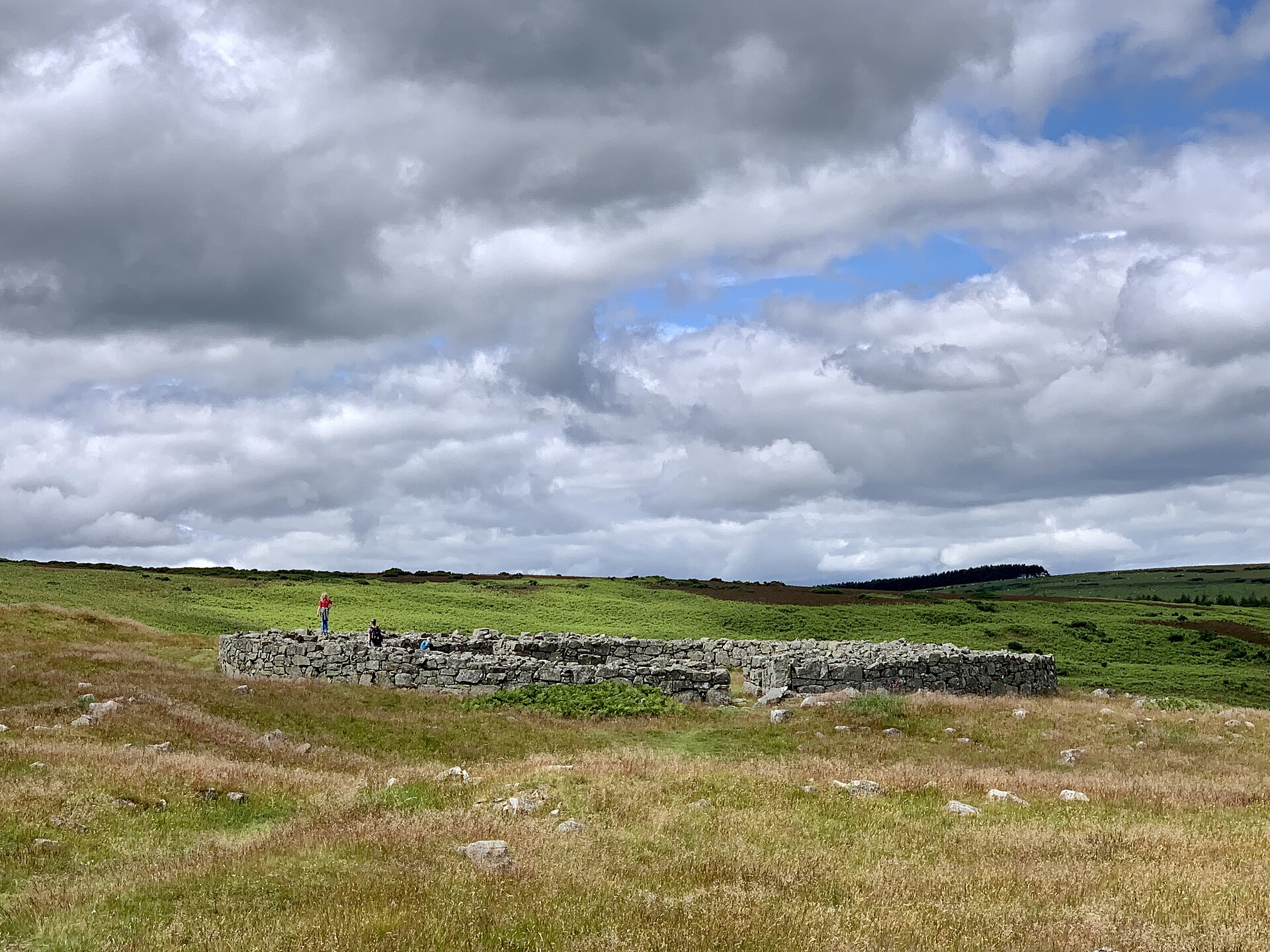
The hilltop on the northeast slope of Cockburn Law was first fortified in the pre-Roman Iron Age, when double ramparts and ditches enclosed an oval settlement roughly 135 by 75 m, with the entrance on the west side.
At a later stage the character of the site changed: a massive circular stone tower — the broch — was built into the northwest corner of the existing hillfort, its builders cutting partly through the earlier defences to make room for it rather than abandoning the fort.
The broch is dated by comparison with similar sites rather than from its own stratigraphy. Brochs in southern Scotland are generally assigned to the Roman Iron Age, and excavation at nearby Torwoodlee Broch showed a tower built and destroyed within the 2nd century AD, between two periods of Roman occupation; Edin's Hall is usually interpreted as belonging to this same phase, hence its description as a 2nd-century broch.
Settlement on the site continued to change over time: the outlines of smaller buildings survive as low stone footings across the interior, and some of these houses lie across the earlier ramparts, indicating occupation that long outlasted the first hillfort and possibly the broch itself.
Cultural influences
-
Broch-building tradition — the drystone tower is a form far more typical of northern Scotland; Edin's Hall is one of very few brochs found in southern Scotland and among the largest of its kind in the south.
-
Roman frontier context — the southern Scottish brochs are tied to the Roman Iron Age and the turbulent frontier landscape between phases of Roman occupation, the setting in which the comparable Torwoodlee tower rose and fell.
Connections
-
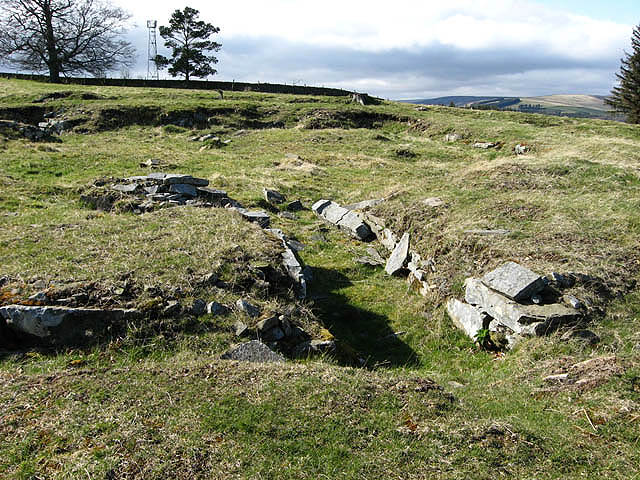
Photo: Walter Baxter / Wikimedia Commons / CC BY-SA 2.0 Torwoodlee Broch
Comparable southern-Scottish broch in the Borders, built and destroyed in the 2nd century AD; used to date Edin's Hall by analogy
-
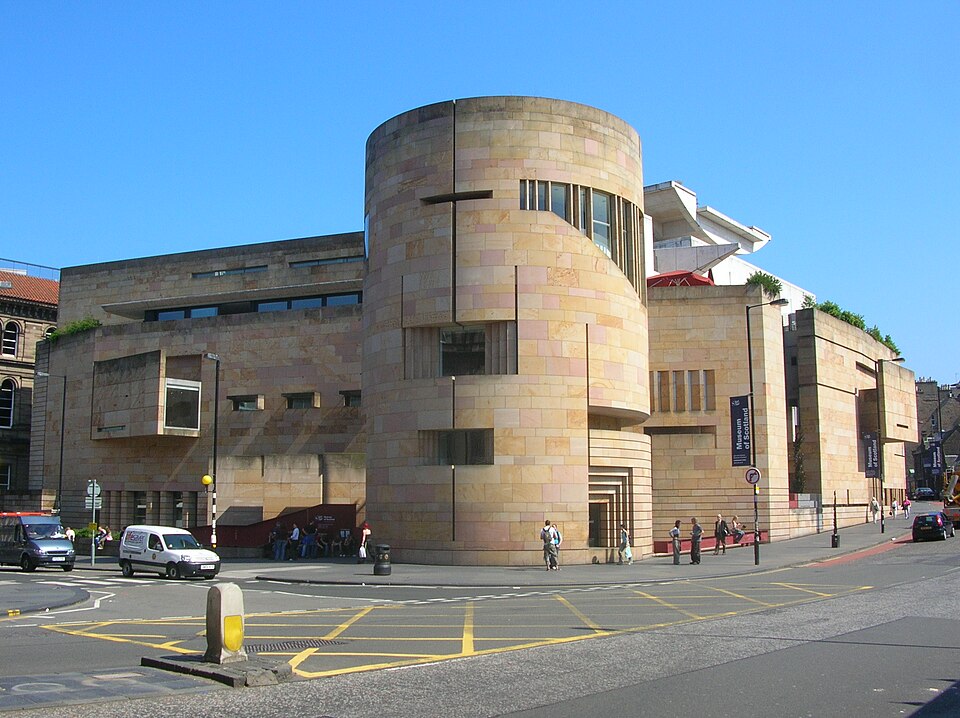
Photo: No machine-readable author provided. Maccoinnich~commonswiki assumed ( / Wikimedia Commons / CC BY-SA 3.0 National Museum of Scotland
Holds finds from the site, including relics from the 19th-century clearance and one of the two copper ingots found in 1976
-
Cockburn Law
Hill whose northeast slope, above the Whiteadder Water, the fort and broch stand on
Discovery & excavation
Edin's Hall was 'cleared' by antiquarians in the 19th century, who removed rubble and collected artefacts but did not record the soil layers archaeologists use to date a site — losing much of the dating evidence. The relics recovered, donated to the National Museum of Scotland, included a stone spindle whorl, part of a jet ring, an amber bead, bones, an oyster shell and a fragment of a glass bracelet. Two copper ingots, derived from local copper mines and perhaps a source of the inhabitants' wealth, were found with a metal detector inside the broch in 1976 (one now in the National Museum). An archaeological survey and sample excavation in 1996 recovered further material including coarse pottery and a stone spindle whorl.
Finds now held at: National Museum of Scotland (19th-century relics; one of the 1976 copper ingots).
What to look for
-
The broch itself: an unusually large drystone tower, about 28 m external and 17 m internal diameter, with walls now surviving between roughly 1.0 and 1.8 m high — its great width suggesting it never rose as tall as the northern brochs.
-
The entrance passage on the east side, flanked by two guard chambers either side of the doorway.
-
Three intramural cells within the wall thickness, all roughly dumb-bell shaped; the south cell preserves the remains of a stone stairway at its north end that once rose to the wallhead.
-
The surrounding earlier hillfort — double ramparts and ditches enclosing an oval area about 135 by 75 m — and a large central roundhouse near the broch that may have been the principal building before the tower was raised.
-
Low stone footings of smaller buildings across the interior, some lying over the earlier ramparts, traces of the settlement's long later life. The broch sits within a rectangular enclosure roughly 58 by 54 m.
What is said
Folklore and tradition, recorded as what is said — not as established fact.
-
The name 'Edin's Hall' is said to recall the legend of The Red Ettin, a three-headed giant known from Scottish tales and ballads.
Plan your visit
- Location
- 55.8356°N · 2.3656°W
- Nearest settlement
- Duns
- Access
- Open access
- Terrain
- Moderate walking
- Parking
- Parking available nearby — see the official getting-here page.
- Start point
- Edin’s Hall Broch · On the north east slope of Cockburn Law, about 4.5m from Grantshouse, 1m walk from the A6112 Duns road, then a footpath for 2m. · Access is over agricultural land and may be wet and muddy at times. There may also be livestock in the vicinity.
- Best time
- Open year-round.
- Start point
- Abbey St Bathans (Riverside car park) — Park at Abbey St Bathans and follow the signed riverside path to the broch on the slope of Cockburn Law. HES note the final approach is a footpath over farmland.
Opening & admission
Free entry
- Open year-round.
Nearby places
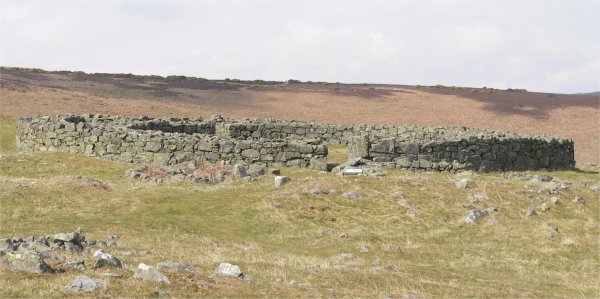
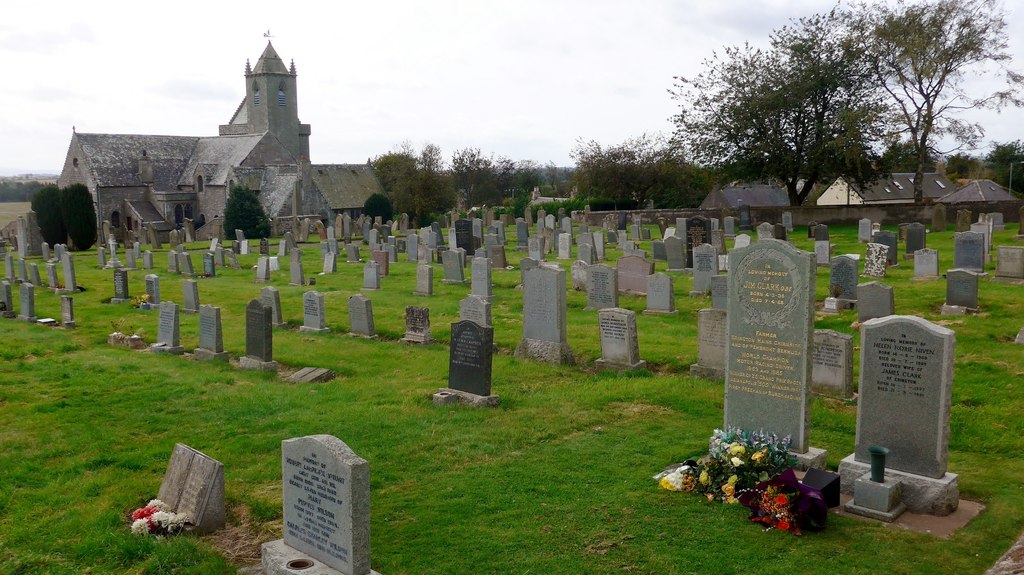
Minor monument · Medieval
Dovecot, Kirkgate, Chirnside
Scottish Borders
Dovecote with HES-listed pre-1800 evidence (16th century).
Fortified place · Medieval
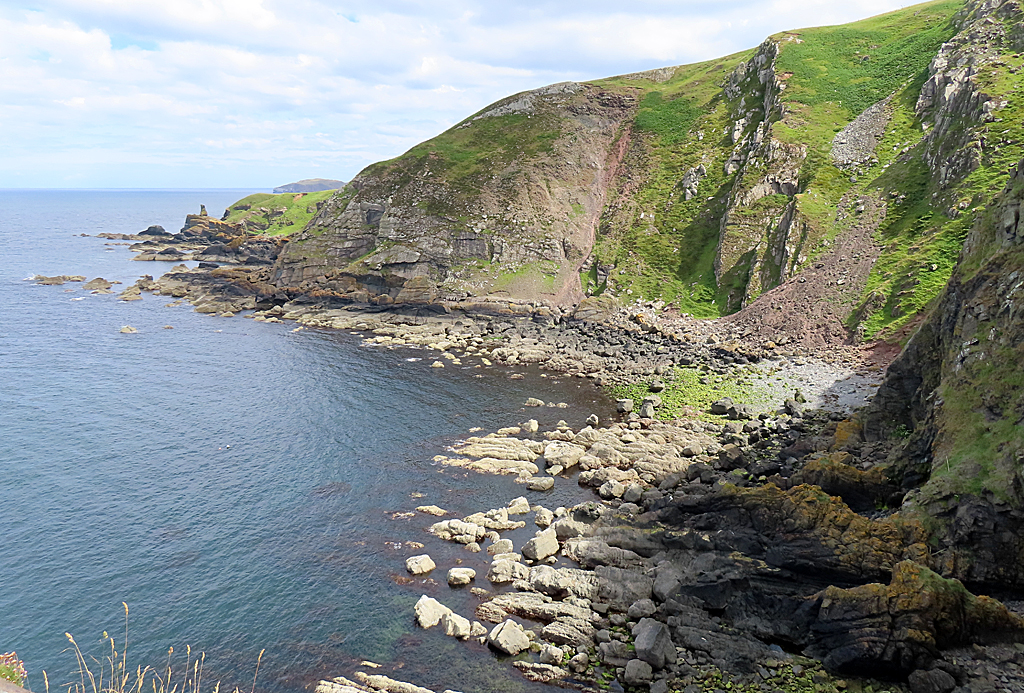
Fast Castle
Scottish Borders
A dramatically sited Borders stronghold whose repeated changes of hand trace the long violence of the Anglo-Scottish frontier, and whose ruins are…
Sources
- Canmore site record 58777 (accessed 2026-06-13)
- Trove (HES) record (accessed 2026-06-13)
- Wikipedia: Edin's Hall Broch (accessed 2026-06-13)
- Wikidata Q1284794 (accessed 2026-06-13)
Explore more: Fortified places · Iron Age · Scottish Borders
The Ancient Codex, in your pocket
Get the Pocket Codex app
Carry the directory with you — Edin's Hall Broch, Fort and Settlement and thousands of ancient places across Britain and Ireland, offline, wherever you roam.