
Carved sandstone under St Serf’s tower preserves a royal name from early Pictish sculpture. The Dupplin Cross is a high cross, a free-standing carved stone cross, dating from around AD 800 and now preserved at Dunning.
The cross matters because it gives scholars a fixed point in the chronology of Pictish carving. Its partly legible inscription names CUSTANTIN FILIUS FIRCUS, understood as Caustantín son of Fergus, and links the monument to the early 9th-century Pictish royal world.
What follows is drawn from published sources, with each claim labelled by how firmly it is established.
The name
A high cross is a free-standing stone cross, often carved with religious, royal or symbolic imagery.
History
The Dupplin Cross was first recorded by Thomas Pennant in 1769 on a hillside in Strathearn.
In 2002 the cross was placed in the care of Historic Scotland.
For preservation, it was moved under the 11th- or 12th-century tower of St Serf's Church, Dunning.
The cross dates from around AD 800.
Its inscription preserves the name CUSTANTIN FILIUS FIRCUS, read as Caustantín son of Fergus.
The inscription indicates that the cross was carved during or shortly after Caustantín's reign.
People
-
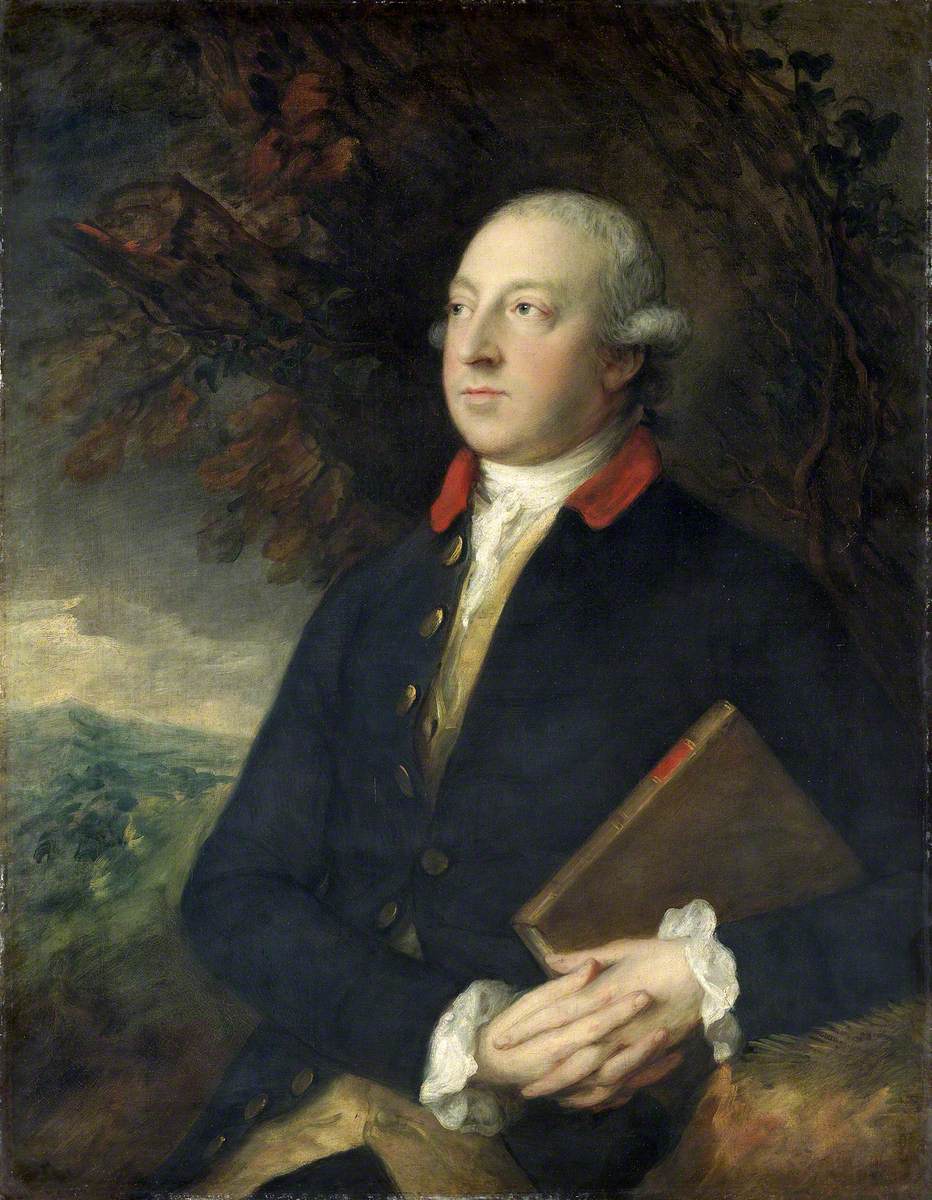
Portrait: Thomas Gainsborough / Wikimedia Commons / Public domain Thomas Pennant
Antiquary who first recorded the cross in 1769.
-
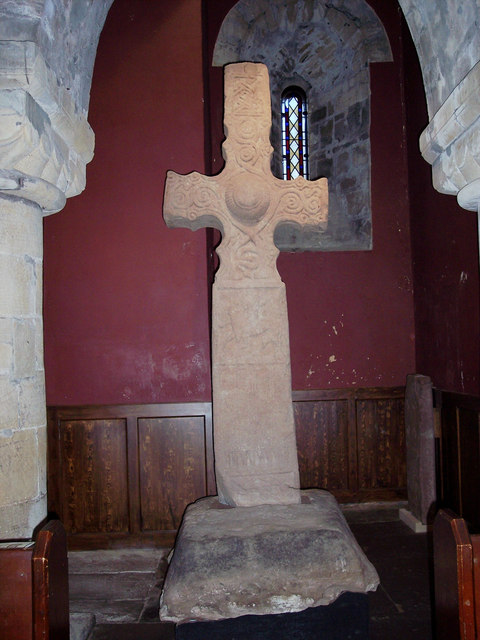
Portrait: Patricia Steel / Wikimedia Commons / CC BY-SA 2.0 Caustantín son of Fergus
Early 9th-century Pictish king named in Latin form on the cross.
What to look for
-
Royal inscription
The legible name gives the cross unusual historical value for dating Pictish sculpture.
-
Old Red Sandstone
The monument is carved from Old Red Sandstone.
-
Authority figure
A rider with an oversized head and ponytail is interpreted as a man of authority.
-
Bear-fighting scene
One carved scene shows a man fighting bears with his bare hands.
-
Harp and hunting dogs
Side carvings include a harp-playing figure, probably David, and hunting dogs.
Plan your visit
- Location
- 56.3125°N · 3.5872°W
- Access
- Open access
- Terrain
- Easy going
Opening & admission
- Cross is preserved under the tower of St Serf's Church, Dunning.
- Check current Historic Scotland or local opening arrangements before travelling.
Nearby places
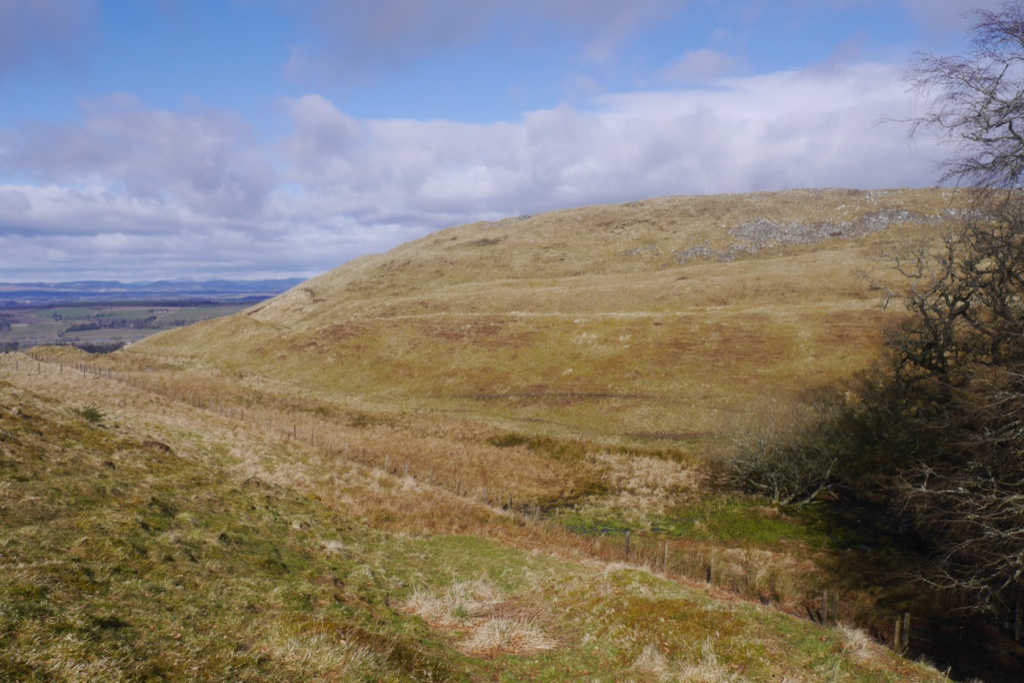
Fortified place · Medieval
Castle Law, Forgandenny
Perth and Kinross
A nationally scheduled hillfort whose double classification — contour fort and multiple-enclosure fort — preserves an unusually layered set of anci…
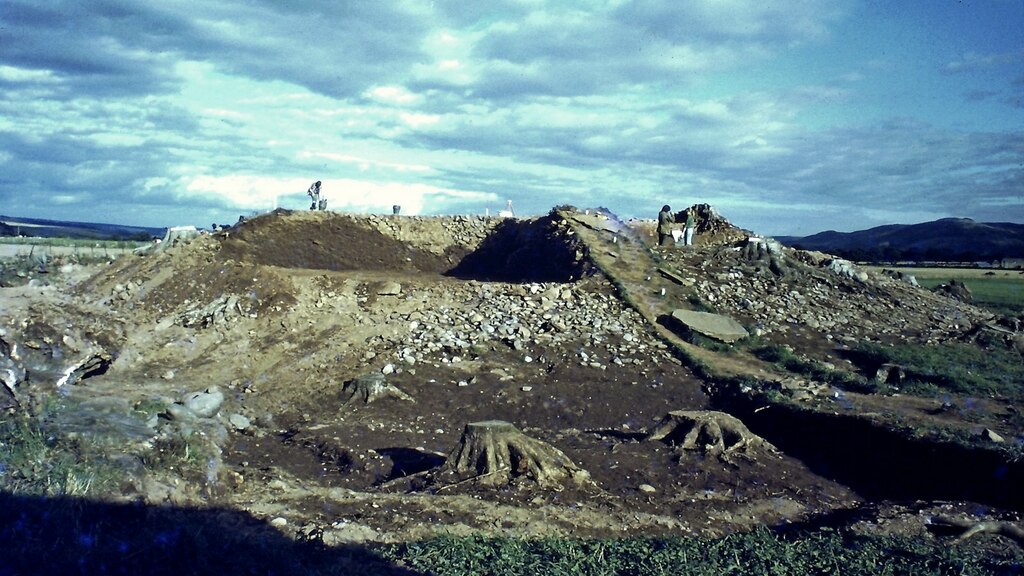
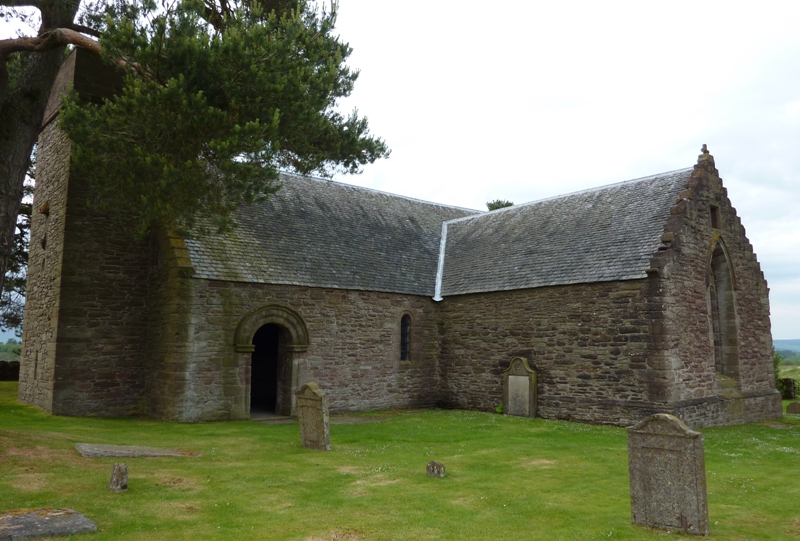
Building or ruin · Medieval
Tullibardine Chapel
Perth and Kinross
A large part of the chapel dates to 1446, when it was built by Sir David Murray, Baron of Tullibardine, of Tullibardine Castle, as a family chapel…
- Near Auchterarder
- 1 min walk from car park
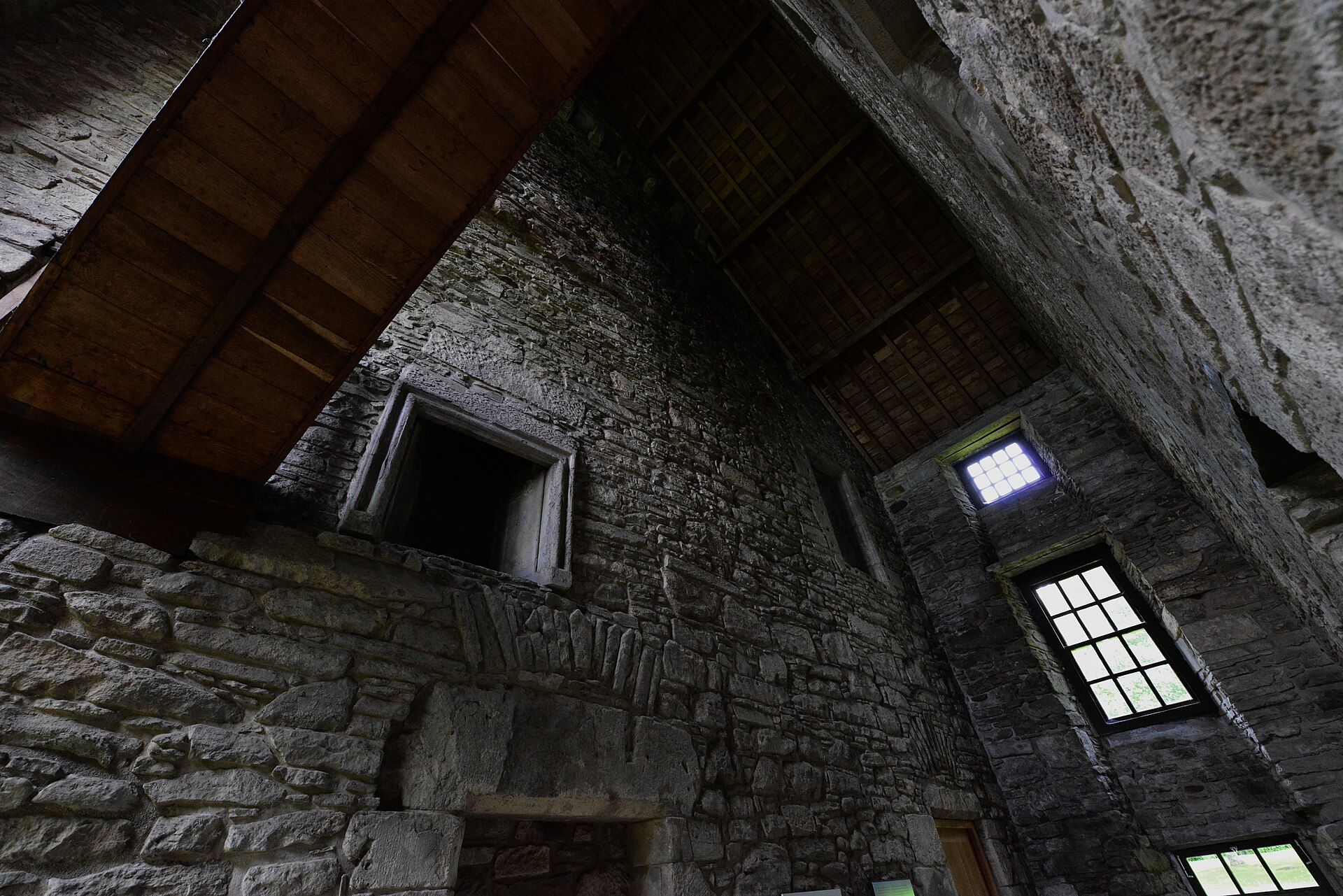
Fortified place · Medieval
Huntingtower Castle
Perth and Kinross
Huntingtower was the setting for the 1582 Raid of Ruthven, when Scottish nobles seized the young King James VI, and its closely paired towers gave…
Questions people ask
- What is the Dupplin Cross?
- It is a carved monumental Pictish high cross dating from around AD 800.
- What is a high cross?
- A high cross is a free-standing stone cross, usually carved with religious or symbolic decoration.
- Where is the Dupplin Cross now?
- It is preserved under the tower of St Serf's Church in Dunning.
- Why is its inscription important?
- It names Caustantín son of Fergus, giving a fixed point for dating Pictish sculpture.
- Who first recorded the cross?
- Thomas Pennant first recorded it in 1769.
Sources
Explore more: Carved stones · Pictish & early medieval · Perth and Kinross
The Ancient Codex, in your pocket
Get the Pocket Codex app
Carry the directory with you — Dupplin Cross and thousands of ancient places across Britain and Ireland, offline, wherever you roam.