
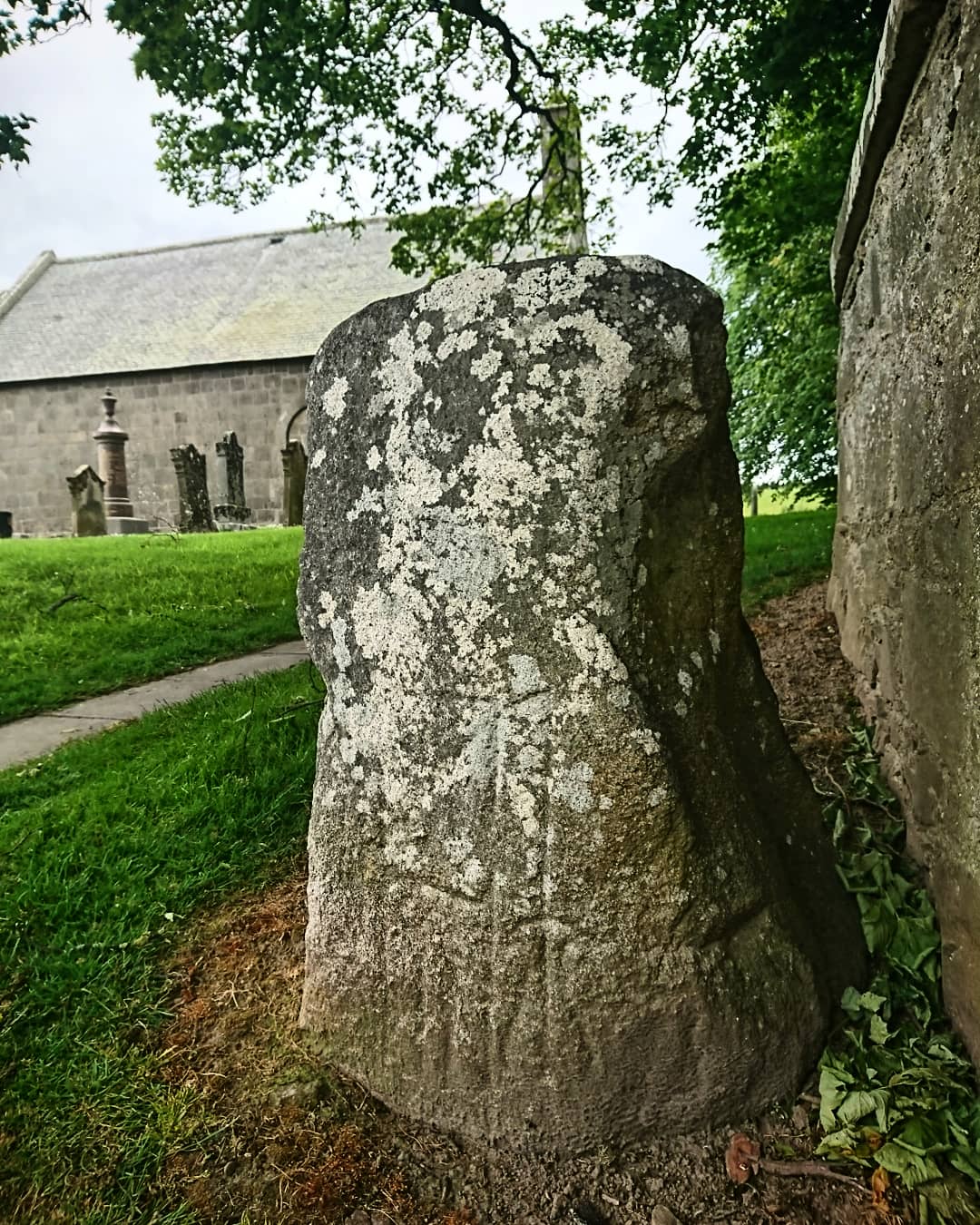
A tapering granite pillar now stands by Elgin Cathedral after being lifted from the old churchyard ground of St Giles. The Elgin Pillar is a Class II Pictish stone, a carved early-medieval stone with a Christian cross and Pictish-style decoration, discovered in 1823.
The pillar matters because it hints at early Christian activity in Elgin’s marketplace area. Its original burial beneath the former churchyard surface, its later position beside the cathedral, and its 9th-century date make it a small but important witness to the town’s religious landscape before the later cathedral story dominates.
What follows is drawn from published sources, with each claim labelled by how firmly it is established.
The name
Class II Pictish stones usually combine Pictish symbols or ornament with a Christian cross.
History
The Elgin Pillar was discovered in 1823 beneath the surface of the former churchyard of St Giles' Church in Elgin High Street.
It is now situated on the north-west side of Elgin Cathedral.
The pillar is thought to date from the 9th century.
The find suggests there may have been a centre of early Christian activity around the marketplace and St Giles' Church in central Elgin.
What to look for
-
Tapering granite form
The pillar is made of granite and narrows from head to base.
-
Cathedral-side setting
Its current position by Elgin Cathedral places the stone in a later medieval ecclesiastical landscape.
-
St Giles connection
The discovery beneath the old churchyard of St Giles links it to an earlier town-centre religious site.
Plan your visit
- Location
- 57.6506°N · 3.3053°W
- Access
- Visible from a public way
- Terrain
- Easy going
Opening & admission
- Stone stands on the north-west side of Elgin Cathedral.
- Current cathedral grounds access should be checked locally.
Nearby places
Fortified place · Medieval
Duffus Castle
Moray
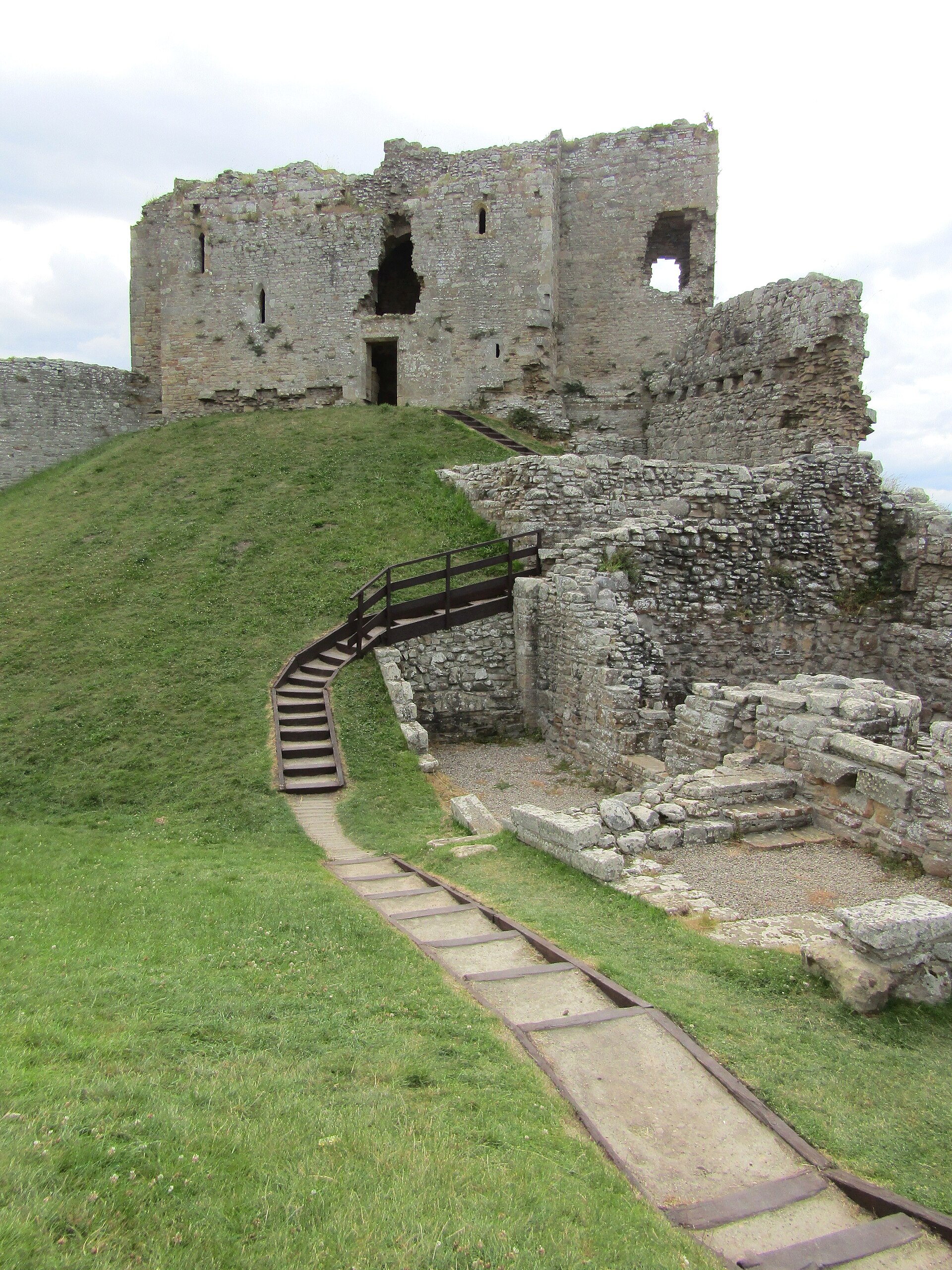
Duffus Castle shows the rise and fall of a Norman-founded Moray lordship, from a twelfth-century timber motte to a stone tower undone by the very m…
Questions people ask
- What is the Elgin Pillar?
- It is a Class II Pictish stone now standing near Elgin Cathedral.
- What does Class II Pictish stone mean?
- It usually means a Pictish carved stone that includes a Christian cross as well as Pictish-style decoration.
- Where was it found?
- It was found beneath the former churchyard of St Giles' Church in Elgin High Street.
- When was it discovered?
- It was discovered in 1823.
- Why is it important?
- It suggests early Christian activity in the marketplace area around St Giles' Church in central Elgin.
Sources
Explore more: Carved stones · Pictish & early medieval · Moray
The Ancient Codex, in your pocket
Get the Pocket Codex app
Carry the directory with you — Elgin Pillar and thousands of ancient places across Britain and Ireland, offline, wherever you roam.