
Elginhaugh was a 1st-century Roman fort west of Dalkeith, south-east of Edinburgh. Discovered from the air in 1979 and fully excavated in 1986-87, it is described in the pack as the most completely excavated timber-built auxiliary fort in the Roman Empire.
Its importance lies in what excavation revealed rather than in standing remains. Elginhaugh confirmed broad patterns in auxiliary fort planning while showing how individual forts varied in detail, especially in the stable-barracks where horses and men appear to have been housed together.
What follows is drawn from published sources, with each claim labelled by how firmly it is established.
History
Around AD 79-87, Elginhaugh was occupied as a Flavian Roman fort. Its dating is closely linked to associated coin evidence, including a foundation hoard from the principia, or headquarters building.
The fort probably guarded the nearby ford where Dere Street, an important north-south Roman route, crossed the North Esk, a tributary of the River Esk in Lothian. In that role it served as a garrison post during and just after the campaigns of Gnaeus Julius Agricola.
In 1979 the fort was discovered by aerial reconnaissance and took its name from the nearby hamlet of Elginhaugh. Its timber-built character made the later excavation especially important for understanding Roman auxiliary forts.
In 1986-87 Dr William Hanson fully excavated the fort and much of its large annexe. The work showed broad consistency in auxiliary fort plans but also highlighted individual differences in layout and building detail.
One important finding was that horses and men were probably housed together in stable-barracks. The number and arrangement of those buildings suggested the fort did not hold a single standard unit, but was probably occupied by a vexillation of cavalry.
After the garrison departed, the site appears to have continued as a collection centre for animals. The fort interior was cobbled over, two more wells were dug, and ditches were inserted across the annexe to funnel livestock.
The coin hoard has also been debated. Excavators argued that the 45 denarii provided a construction date of AD 77-78, but David Woolliscroft later questioned that use because only 21 coins were securely in a single stacked deposit, with the latest of those dated to AD 71.
People
-
Dr William Hanson
Dr William Hanson directed the full excavation of Elginhaugh fort and much of its annexe in 1986-87.
-
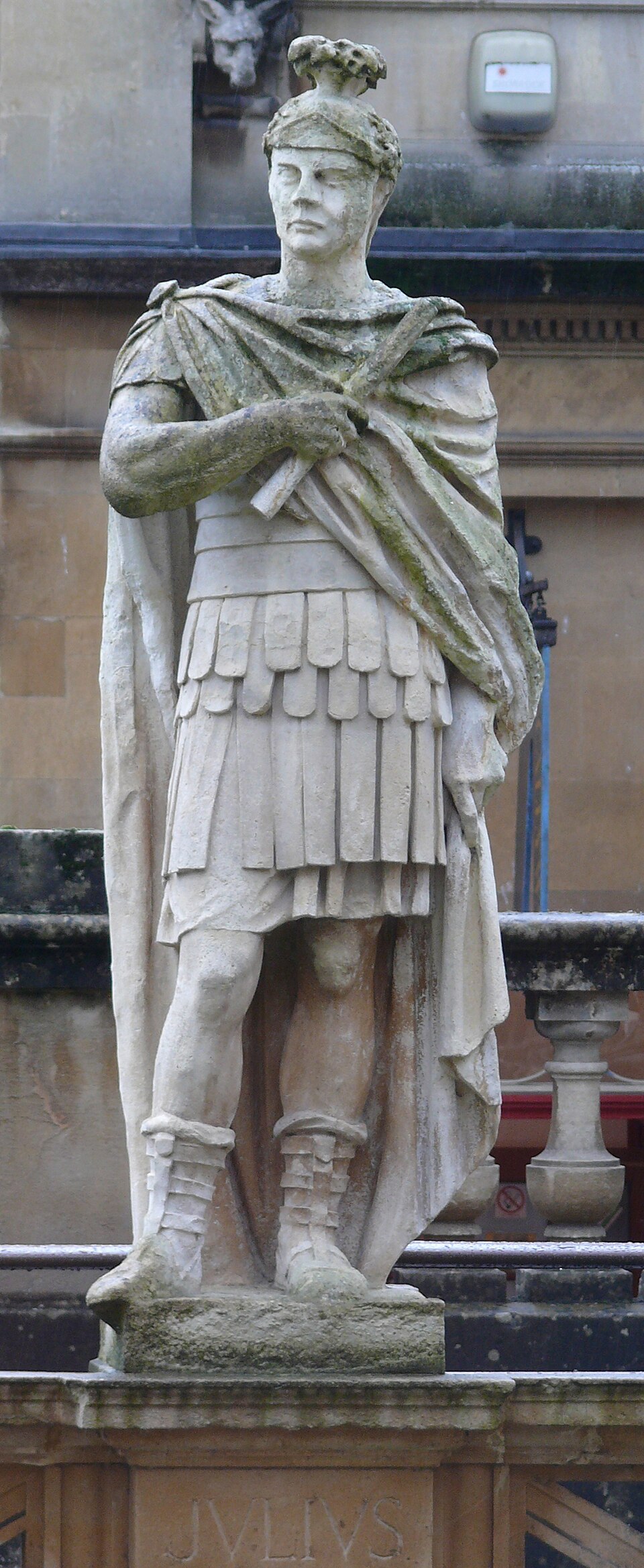
Portrait: Ad Meskens / Wikimedia Commons / CC BY-SA 3.0 Gnaeus Julius Agricola
Elginhaugh served Roman consolidation during and immediately after Agricola's campaigns in Scotland.
-
David Woolliscroft
David Woolliscroft questioned whether the coin hoard securely dates the fort's construction to AD 77-78.
Cultural influences
-
Roman auxiliary fort planning
Elginhaugh is important because its complete excavation tested assumptions about standard fort layouts and showed local variation.
-
Dere Street
The fort's likely purpose was to guard the ford where Dere Street crossed the North Esk.
Connections
-
Dalkeith
The fort site lies about 1 km west of modern Dalkeith.
-
Dere Street
Elginhaugh probably guarded the nearby crossing of Dere Street over the North Esk.
-
North Esk
The fort watched a ford across the North Esk, a tributary of the River Esk.
-
Elginhaugh hamlet
The fort takes its name from the nearby hamlet of Elginhaugh.
Discovery & excavation
Elginhaugh was discovered by aerial reconnaissance in 1979 and fully excavated in 1986-87 by Dr William Hanson, together with much of its large annexe.
Finds now held at: fort interior; annexe; principia.
What to look for
-
Fort site
The archaeological importance is in the excavated plan of the timber-built auxiliary fort.
-
Annexe
The large annexe showed ancillary, probably military, activity and later changes in use.
-
Stable-barracks plan
The excavation identified stable-barracks indicating horses and men housed together.
-
Post-garrison livestock works
Cobbling, additional wells and annexe ditches suggest later use as a collection centre for animals.
Plan your visit
- Location
- 55.8944°N · 3.0868°W
- Access
- Open access
- Terrain
- Moderate walking
Opening & admission
The pack does not confirm admission or visitor access arrangements.
- The site was fully excavated in 1986-87.
- The fort lay about 1 km west of modern Dalkeith.
- The pack does not describe surviving above-ground visitor features.
Nearby places
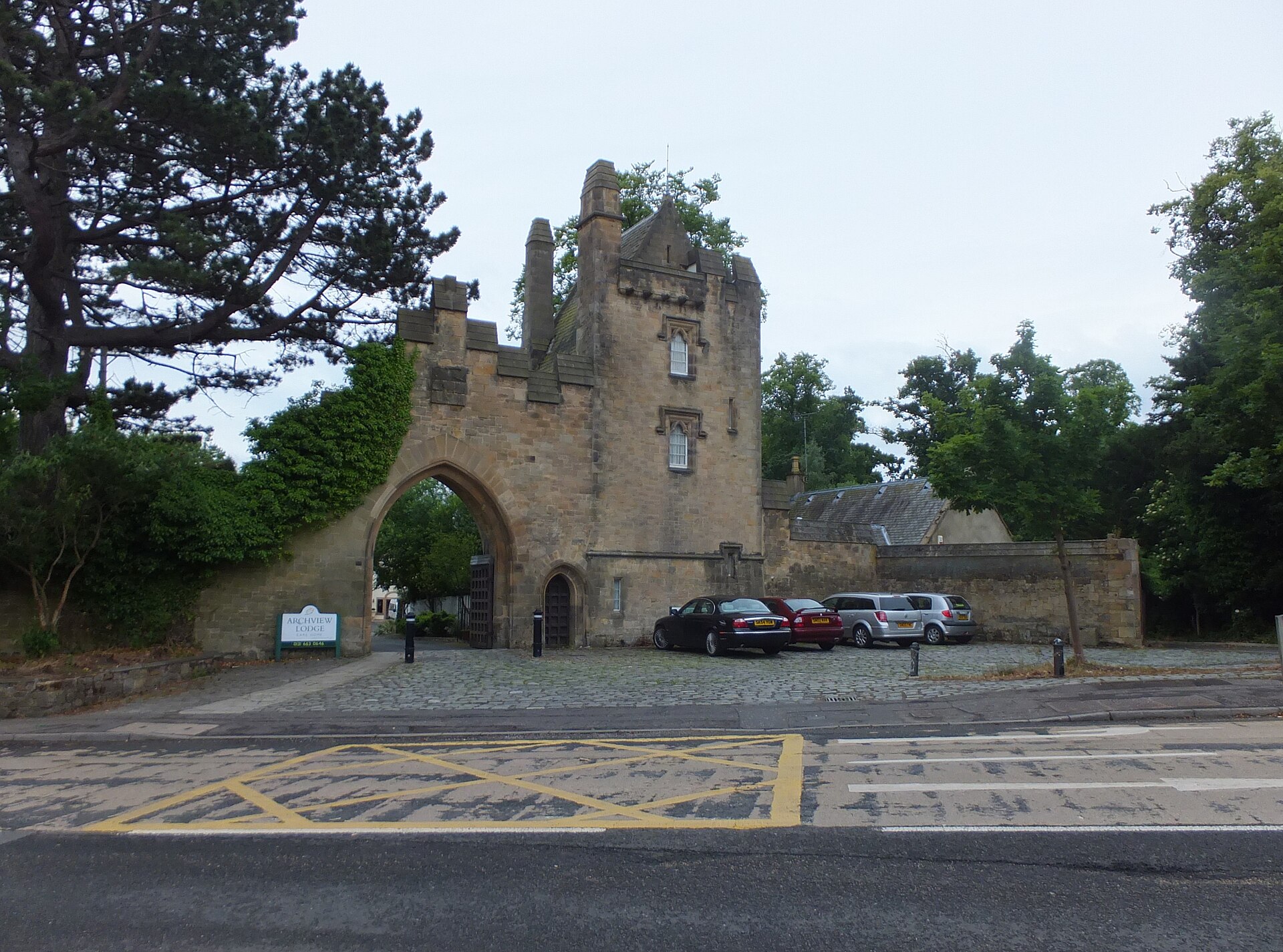
Sacred place · Medieval
Newbattle Abbey
Midlothian
One of Scotland's earliest Cistercian houses and a pioneer of Scottish coal mining, Newbattle survives as a monastic core absorbed into a still-wor…
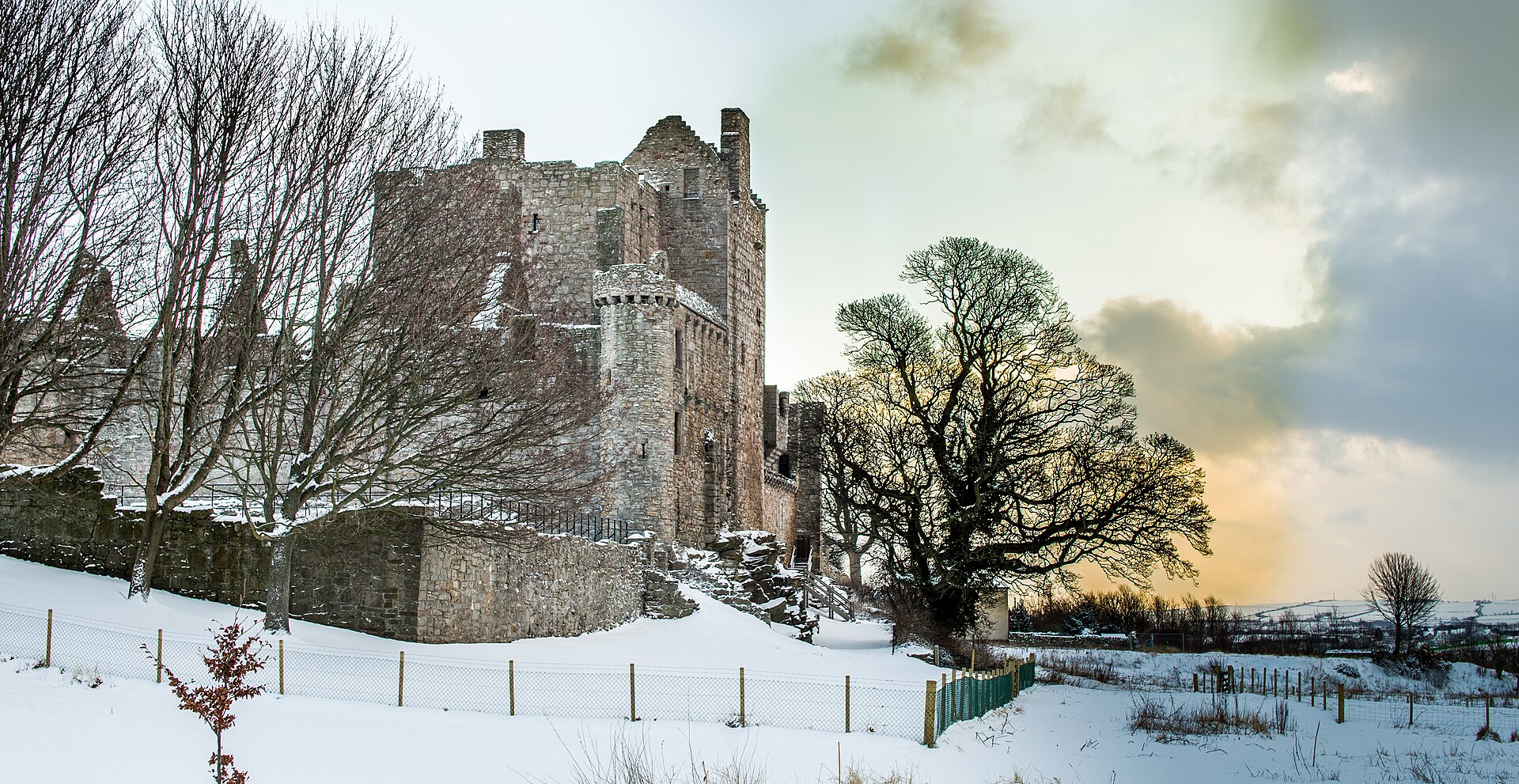
Fortified place · Medieval
Craigmillar Castle
City of Edinburgh
Craigmillar is one of Scotland's best-preserved medieval castles and is closely tied to the story of Mary, Queen of Scots and the plot against Lord…
Questions people ask
- Where was Elginhaugh Roman Fort?
- The fort lay about 1 km west of modern Dalkeith in Midlothian, south-east of Edinburgh.
- Why is Elginhaugh important?
- It is described as the most completely excavated timber-built auxiliary fort in the Roman Empire.
- When was Elginhaugh occupied?
- The fort's occupation is closely dated to about AD 79-87 by associated coin evidence, though the precise dating of the coin hoard has been debated.
- Who excavated Elginhaugh?
- Dr William Hanson fully excavated the fort and much of its annexe in 1986-87 after the site was discovered by aerial reconnaissance in 1979.
- What did the excavation reveal about the garrison?
- The stable-barracks suggest horses and men were housed together and that the fort probably held a vexillation of cavalry rather than a single standard unit.
Sources
- Wikipedia article
- Wikidata
- Hanson, William S., A Roman Frontier Fort in Scotland: Elginhaugh
- Maxwell, Gordon, A Gathering of Eagles
Explore more: Fortified places · Roman · Midlothian
The Ancient Codex, in your pocket
Get the Pocket Codex app
Carry the directory with you — Elginhaugh and thousands of ancient places across Britain and Ireland, offline, wherever you roam.