
A railed stone in an Edinburgh cul-de-sac carries a prehistoric monument into a modern housing estate. The Ravenswood standing stone is a menhir, a single upright prehistoric stone, whose original purpose may have been ritual or commemorative.
What follows is drawn from published sources, with each claim labelled by how firmly it is established.
History
The stone was erected around 2000 BC.
It may have marked an ancient battle or served a ritual purpose, but its original function is unknown.
The stone originally stood in what is now Liberton glebe, south-west of the modern Old Dalkeith Road.
It was moved in the early nineteenth century for a road scheme and restored to its original location in 1891.
The stone was surveyed in 1903 and protected as a scheduled monument in 1938.
A housing estate built around 1971 led to another move, after which the stone was set in concrete and enclosed by railings.
Historic Environment Scotland notes that moving removed its archaeological potential, but its cultural significance still justifies protection.
Connections
-
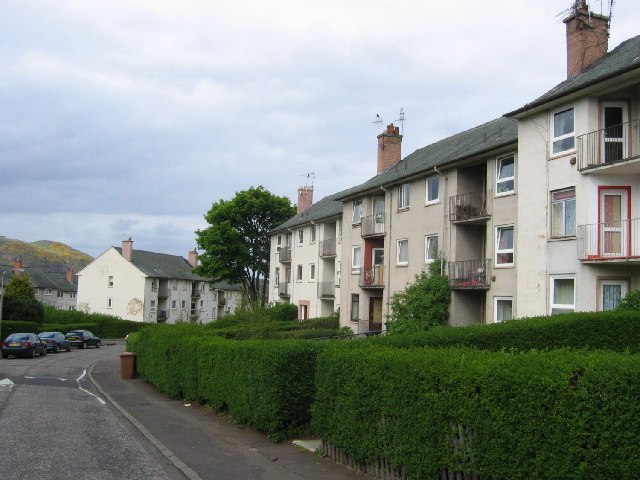
Photo: Richard Webb / Wikimedia Commons / CC BY-SA 2.0 The Inch
The stone now stands in this Edinburgh area.
-
Auchencorth gowk stane
The source compares the Ravenswood stone with this similar Penicuik stone.
-
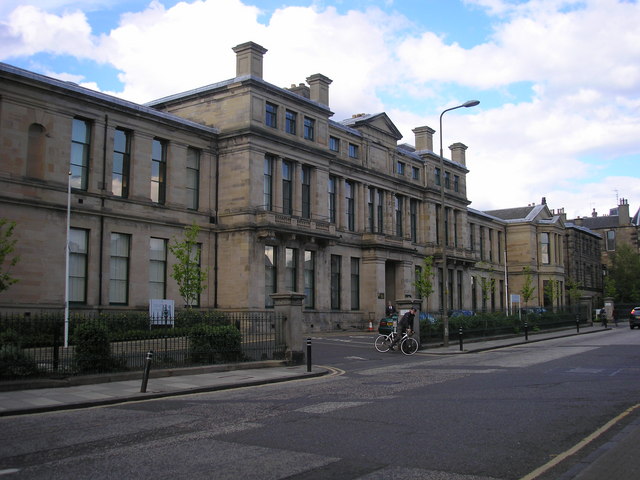
Photo: Sandy Gemmill / Wikimedia Commons / CC BY-SA 2.0 Historic Environment Scotland
Records the monument's protection and cultural significance.
Discovery & excavation
Surveys recorded its shape, faces, erosion grooves, quartz-bearing sandstone and lack of manmade markings.
Finds now held at: Ravenswood Avenue; The Inch.
In culture
-
Urban standing stone
Because it stands inside a modern housing estate, it has been described as possibly Britain's most urban standing stone.
What to look for
-
Natural ear-shaped cavity
A large naturally formed hollow marks the east face.
-
Metal railings
The modern railings reflect its 1970s relocation and protection.
-
No carved marks
The source says the stone has no manmade markings.
Plan your visit
- Location
- 55.9222°N · 3.1492°W
- Access
- Open access
- Terrain
- Easy going
Opening & admission
No admission arrangement is stated in the source.
- The stone stands in a cul-de-sac in The Inch.
- It is set in concrete and protected by metal railings.
Nearby places
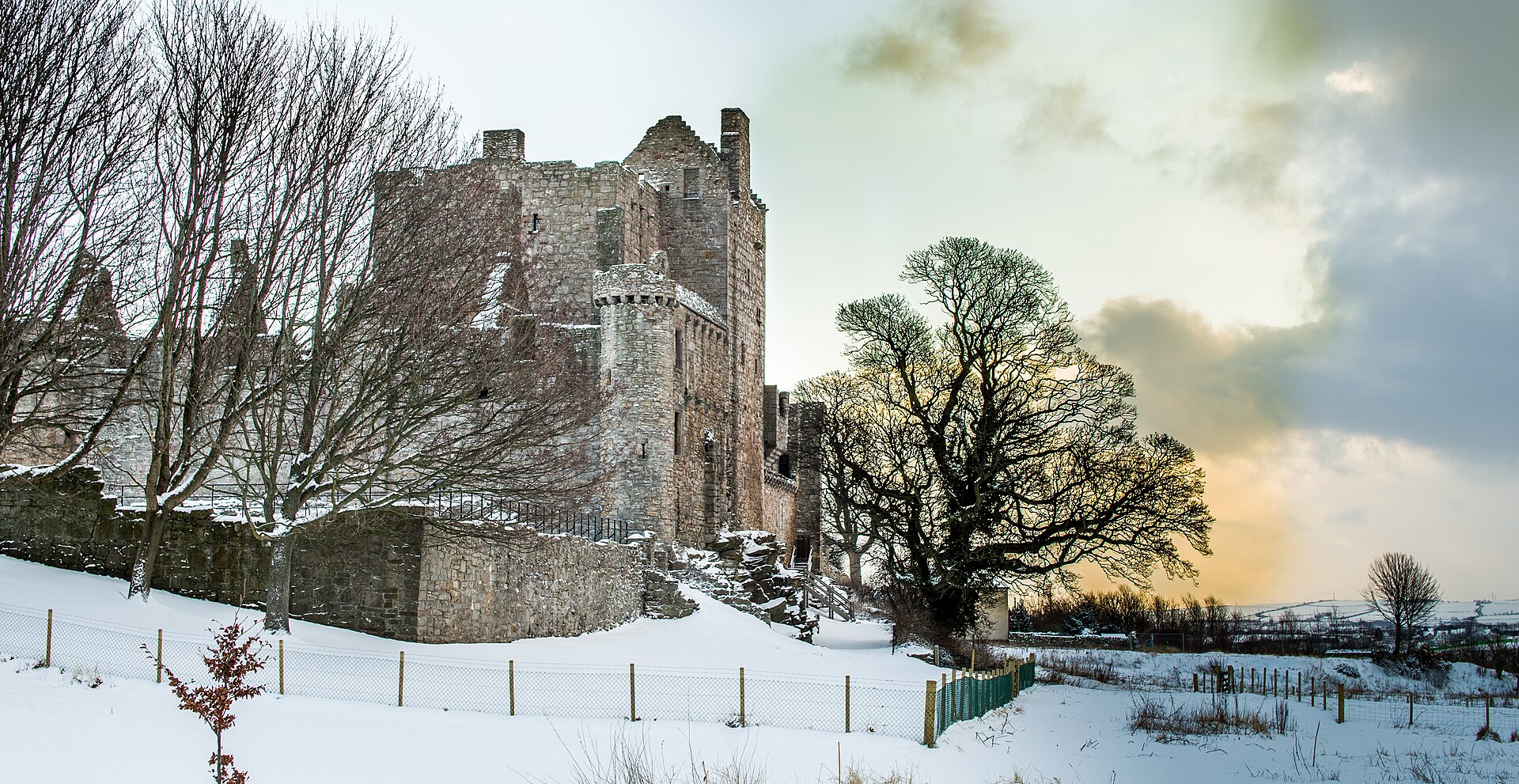
Fortified place · Medieval
Craigmillar Castle
City of Edinburgh
Craigmillar is one of Scotland's best-preserved medieval castles and is closely tied to the story of Mary, Queen of Scots and the plot against Lord…
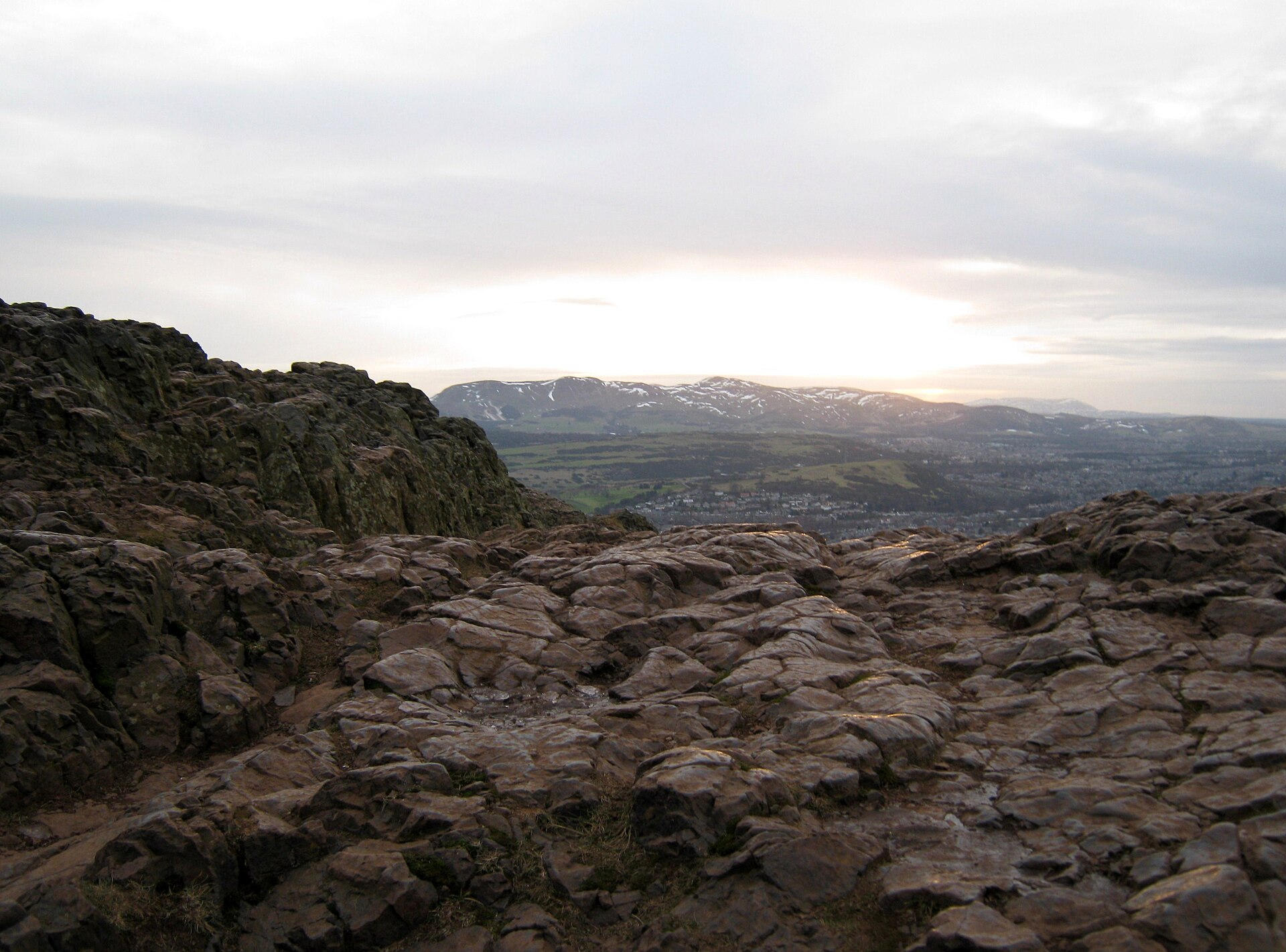
Sacred place · Medieval
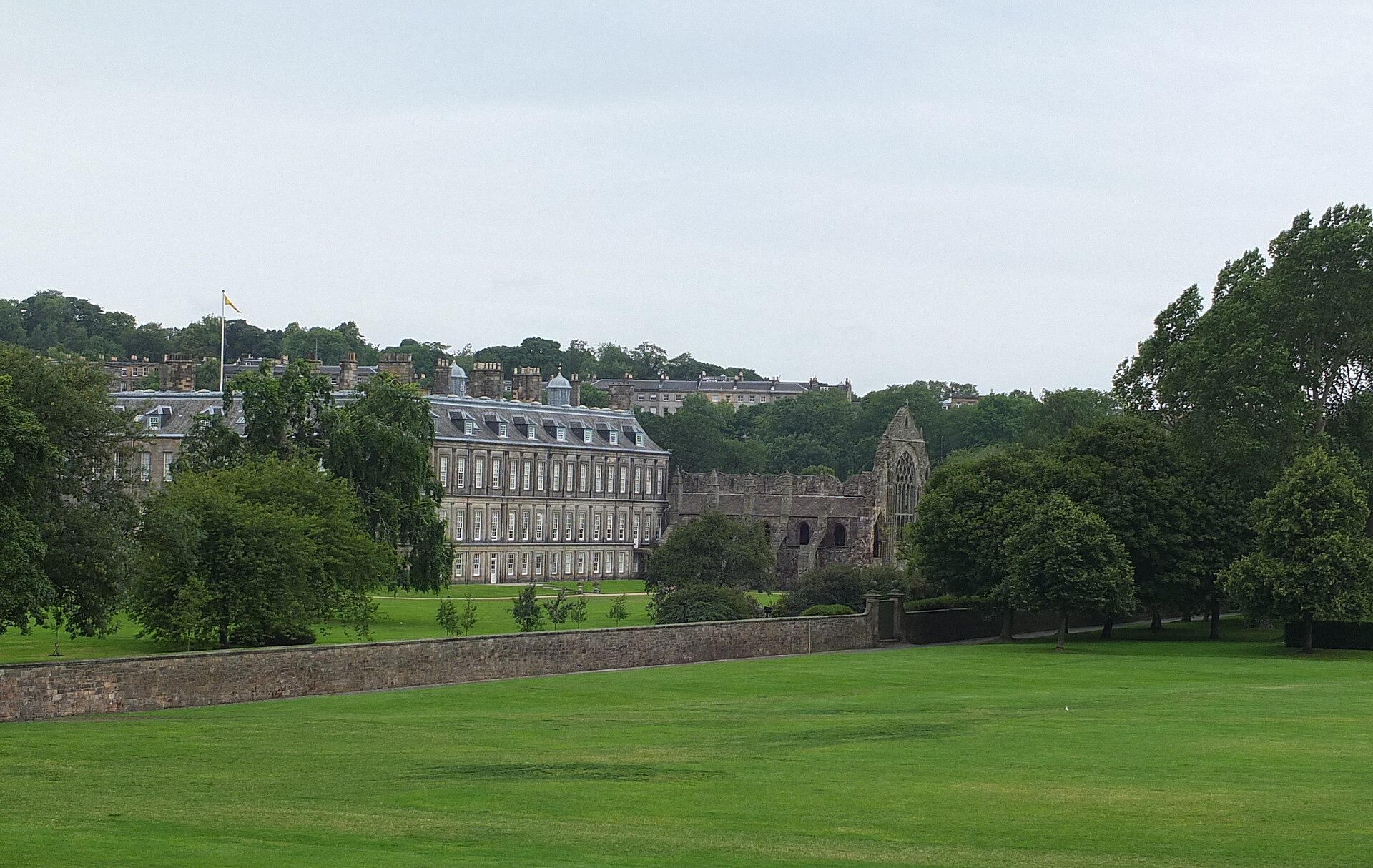
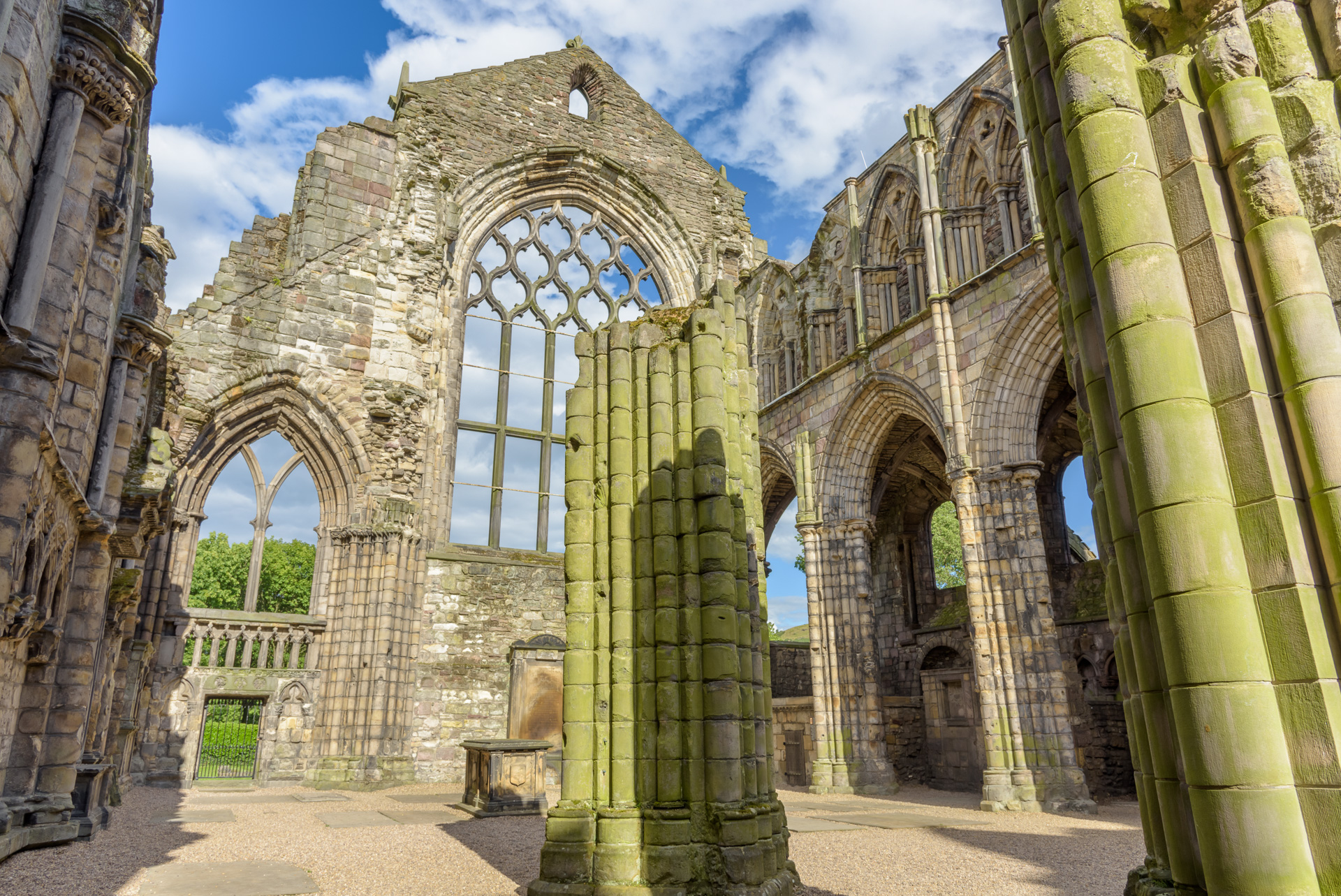
Holyrood Abbey
City of Edinburgh
A royal abbey where Scottish monarchs were crowned, married and buried, and where medieval parliaments and treaties helped shape the nation's history.
Questions people ask
- What is the Ravenswood standing stone?
- It is a prehistoric menhir, or single standing stone, now in The Inch, Edinburgh.
- How old is it?
- The stone was erected around 2000 BC.
- Has the stone been moved?
- Yes. It was moved for a road scheme, restored in 1891, then moved again around 1971 for a housing estate.
- Does it have carvings?
- No. The source says it has no manmade markings.
- Why is it still protected?
- Although moving removed archaeological potential, Historic Environment Scotland still regards it as culturally significant.
Sources
Explore more: Tomb or burial places · Prehistoric · City of Edinburgh
The Ancient Codex, in your pocket
Get the Pocket Codex app
Carry the directory with you — Ravenswood standing stone and thousands of ancient places across Britain and Ireland, offline, wherever you roam.