
A field stone near Rosskeen carries markings from more than one age. Clach a’ Mheirlich is a standing stone, probably Bronze Age in origin, later reused as a Class I Pictish symbol stone.
Its Gaelic name means the Thief’s Stone. Three incised Pictish-style symbols are barely visible on the surface, turning an older standing stone into a monument with a later Pictish layer.
What follows is drawn from published sources, with each claim labelled by how firmly it is established.
History
The stone was probably first erected in the Bronze Age.
At a later date, three Pictish-style symbols were incised on its surface.
Because the stone is older and carries symbols without a cross, it is treated as a Class I Pictish symbol stone.
The source pack identifies the stone as standing in a field near Rosskeen in Easter Ross.
Connections
-
Rosskeen
Nearby Easter Ross place.
-
Easter Ross
Regional context for several Pictish stones.
What to look for
-
Standing stone form
Older upright stone reused in a later Pictish context.
-
Faint incised symbols
Three barely visible Pictish-style symbols on the surface.
-
Name meaning
Clach a' Mheirlich means the Thief's Stone.
Plan your visit
- Location
- 57.6925°N · 4.2125°W
- Access
- Open access
- Terrain
- Easy going
Opening & admission
- Standing stone in a field near Rosskeen; access not established.
Nearby places
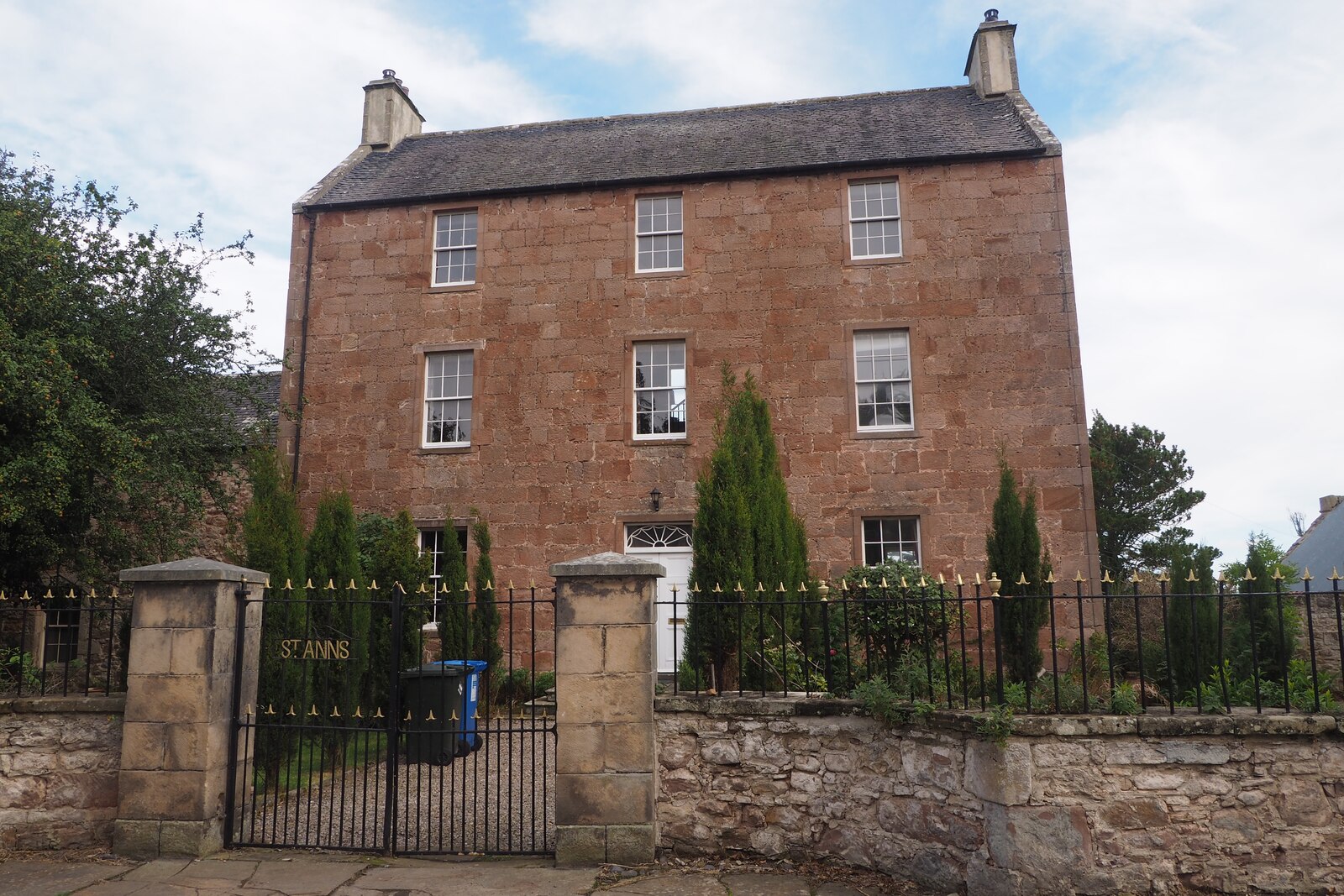
Minor monument · Medieval
Market Cross, Church Street, Cromarty
Highland
Mercat cross with HES-listed pre-1800 evidence (1578).
- Easy path
Questions people ask
- What is Clach a' Mheirlich?
- It is a standing stone near Rosskeen with later Pictish-style symbols.
- How old is it?
- The stone itself is probably Bronze Age in origin.
- What makes it Pictish?
- Three incised Pictish-style symbols were later added to its surface.
- What does the name mean?
- The source pack translates it as the Thief's Stone.
Sources
Explore more: Carved stones · Pictish & early medieval · Highland
The Ancient Codex, in your pocket
Get the Pocket Codex app
Carry the directory with you — Clach a' Mheirlich and thousands of ancient places across Britain and Ireland, offline, wherever you roam.