
Whithorn was the location of the first recorded Christian church in Scotland — Candida Casa, the 'White/Shining House' — built by Saint Ninian around 397 CE. Ninian dedicated it to his master Martin…
Whithorn Priory and Museum is a sacred place near Whithorn, Dumfries and Galloway, Scotland.
What follows is drawn from published sources, with each claim labelled by how firmly it is established.
The name
By tradition St Ninian built a church of stone and lime here in the late 4th century called Candida Casa, 'White/Shining House'. 'Whithorn' is a modern form of the Anglo-Saxon version, Hwit Ærn or Hwiterne, 'White House'. In Gallovidian Gaelic the place was called Rosnat, or Futarna (the latter a Gaelic rendering of the Anglo-Saxon name, since Gaelic has no 'wh' sound).
History
Whithorn was the location of the first recorded Christian church in Scotland — Candida Casa, the 'White/Shining House' — built by Saint Ninian around 397 CE. Ninian dedicated it to his master Martin of Tours and, on his death (probably in 432), was buried in the church.
A monastery and diocese of the Anglo-Saxon kingdom of Northumbria was founded on the site in the 8th century, possibly originating with a 6th-century Magnum Monasterium (the monastery of Rosnat). From the 12th century it was the centre of the revived See of Galloway under the patronage of Fergus, Lord of Galloway, and Bishop Gille Aldan.
The eastern end of the late-medieval cathedral priory once held the shrine of St Ninian, making Whithorn one of medieval Scotland's major pilgrimage destinations; pilgrims often arrived by boat at the Isle of Whithorn, coming ashore by the 13th-century St Ninian's Chapel.
People
-
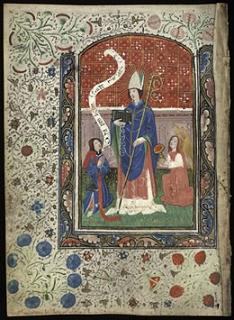
Portrait: Unknown authorUnknown author / Wikimedia Commons / Public domain Saint Ninian
Traditional founder of Candida Casa c. 397 CE and Scotland's earliest recorded church; buried in the church c. 432
-
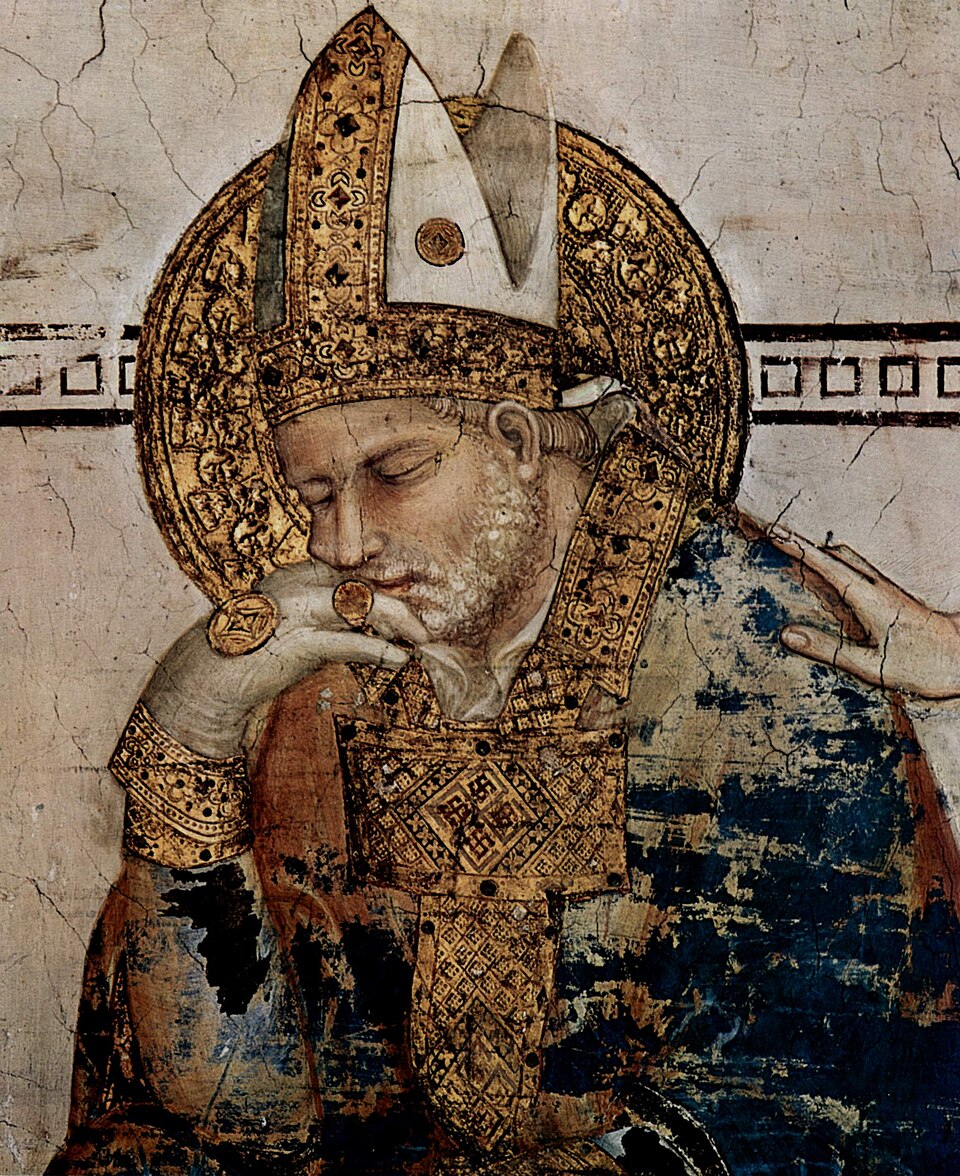
Portrait: Simone Martini / Wikimedia Commons / Public domain Martin of Tours
Ninian's master, to whom the church was dedicated
-
Fergus, Lord of Galloway
12th-century patron of the revived See of Galloway centred on Whithorn
-
Bishop Gille Aldan
First bishop of the revived 12th-century See of Galloway
-
Simon de Wedale
Bishop of Whithorn thought to have been buried with the Whithorn Crozier
Cultural influences
-
Early Christian Scotland: as the site of Candida Casa, Whithorn is the cradle of recorded Christianity in Scotland, its memorial-stone collection including the country's earliest surviving Christian inscription.
-
Northumbrian monasticism: the 8th-century monastery and diocese on the site belonged to the Anglo-Saxon kingdom of Northumbria.
-
Medieval pilgrimage culture: the shrine of St Ninian drew pilgrims across Scotland and by sea, shaping the priory and the wider landscape (Isle of Whithorn, St Ninian's Chapel).
Connections
-
Latinus Stone
Scotland's earliest surviving Christian memorial (5th century), held in the Whithorn museum's collection of carved stones
-
Whithorn Crozier (National Museums of Scotland)
Champlevé-enamelled crozier of c. 1175 found at the site, thought buried with Bishop Simon de Wedale; loaned back to Whithorn each summer
-
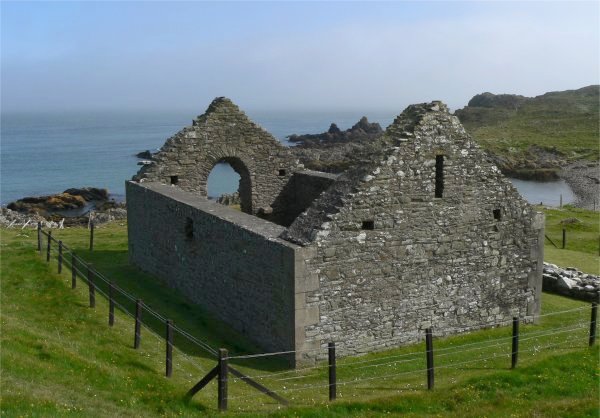
Photo: Van de Beek / Wikimedia Commons / CC BY-SA 3.0 St Ninian's Chapel, Isle of Whithorn
13th-century chapel marking where pilgrims came ashore by boat; in the care of Historic Environment Scotland
-
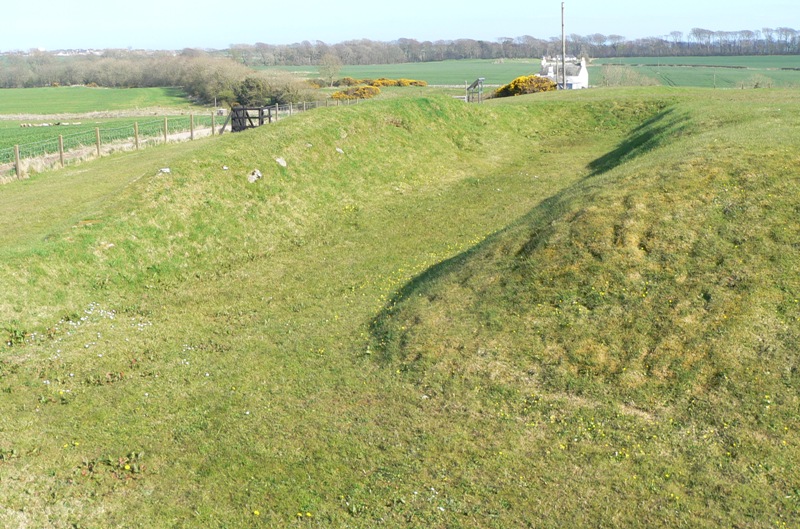
Photo: Otter / Wikimedia Commons / CC BY-SA 3.0 Rispain Camp
1st-century settlement about a mile west of Whithorn, also in state care
-
National Museums of Scotland
Holds the Whithorn Crozier
Discovery & excavation
The priory site has been extensively excavated in recent years, with finds displayed in the town museum — Historic Environment Scotland's collection of early-medieval carved stones, one of the largest in Scotland, includes the 5th-century inscribed Latinus Stone, the country's earliest surviving Christian memorial. Among the finest individual finds is the Whithorn Crozier, a gilded, champlevé-enamelled crozier of around 1175 (an outstanding example of English work of the period), thought to have been buried with Bishop Simon de Wedale and now in the National Museums of Scotland. The museum's layout and display were greatly revised in 2005.
Finds now held at: Whithorn Museum (carved stones incl. the Latinus Stone); National Museums of Scotland (Whithorn Crozier).
What to look for
-
The ruinous late-medieval cathedral priory — much has vanished, but the much-altered aisleless nave and the vaults at the former eastern end (which once held St Ninian's shrine) survive.
-
The late-medieval gateway bearing the arms of the King of Scots, leading into the priory precinct.
-
The museum's collection of early-medieval carved stones — one of the largest in Scotland — centred on the 5th-century Latinus Stone, Scotland's earliest surviving Christian memorial.
-
The 19th-century parish church (St Ninian's Priory Church, 1822) within the precinct, built using stones from the medieval priory, with a mid-19th-century tower and a 1914 porch by Peter MacGregor Chalmers.
What is said
Folklore and tradition, recorded as what is said — not as established fact.
-
Tradition holds that St Ninian built a church of stone and lime here — Candida Casa — in the late 4th century, and was himself buried in it around 432. (long-standing tradition; the early documentary record is debated)
Plan your visit
- Location
- 54.7337°N · 4.4169°W
- Nearest settlement
- Whithorn
- Access
- Paid entry — managed visitor site
- Start point
- 6 Bruce Street · Whithorn · Newton Stewart · DG8 8PY · National Grid reference: NX 444 402 · Telephone: 01988 500 700
- Start point
- Whithorn Priory & Museum visitor entrance, 6 Bruce Street — Entry is through the museum on Bruce Street, off George Street in the centre of Whithorn village; the priory ruins lie immediately behind. On-street parking in the village. Postcode and address from HES getting-here page.
- Sat-nav
- DG8 8PY
Nearby places
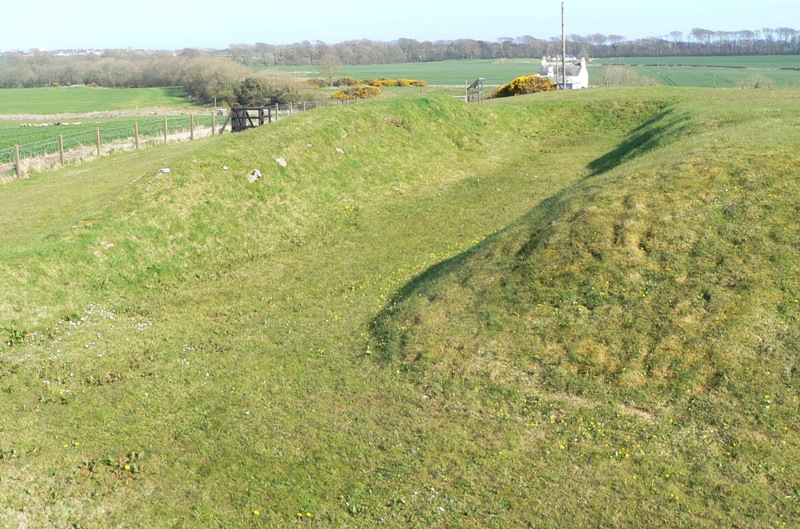
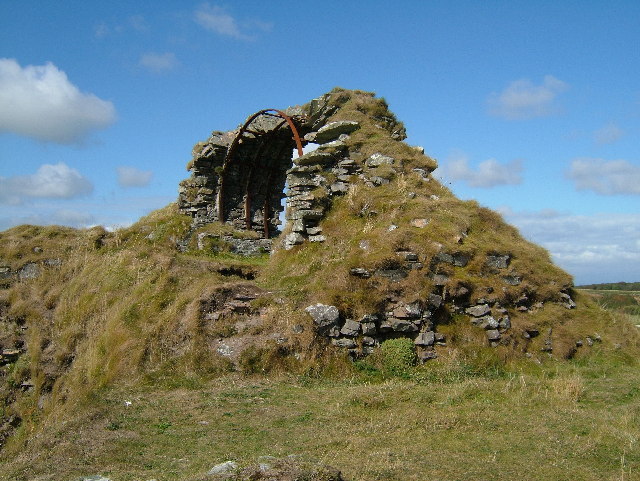
Fortified place · Medieval
Cruggleton Castle
Dumfries and Galloway
It preserves the fragmentary remains of a medieval Galloway stronghold whose owners span the Lords of Galloway, the Comyns and the priory of Whithorn.
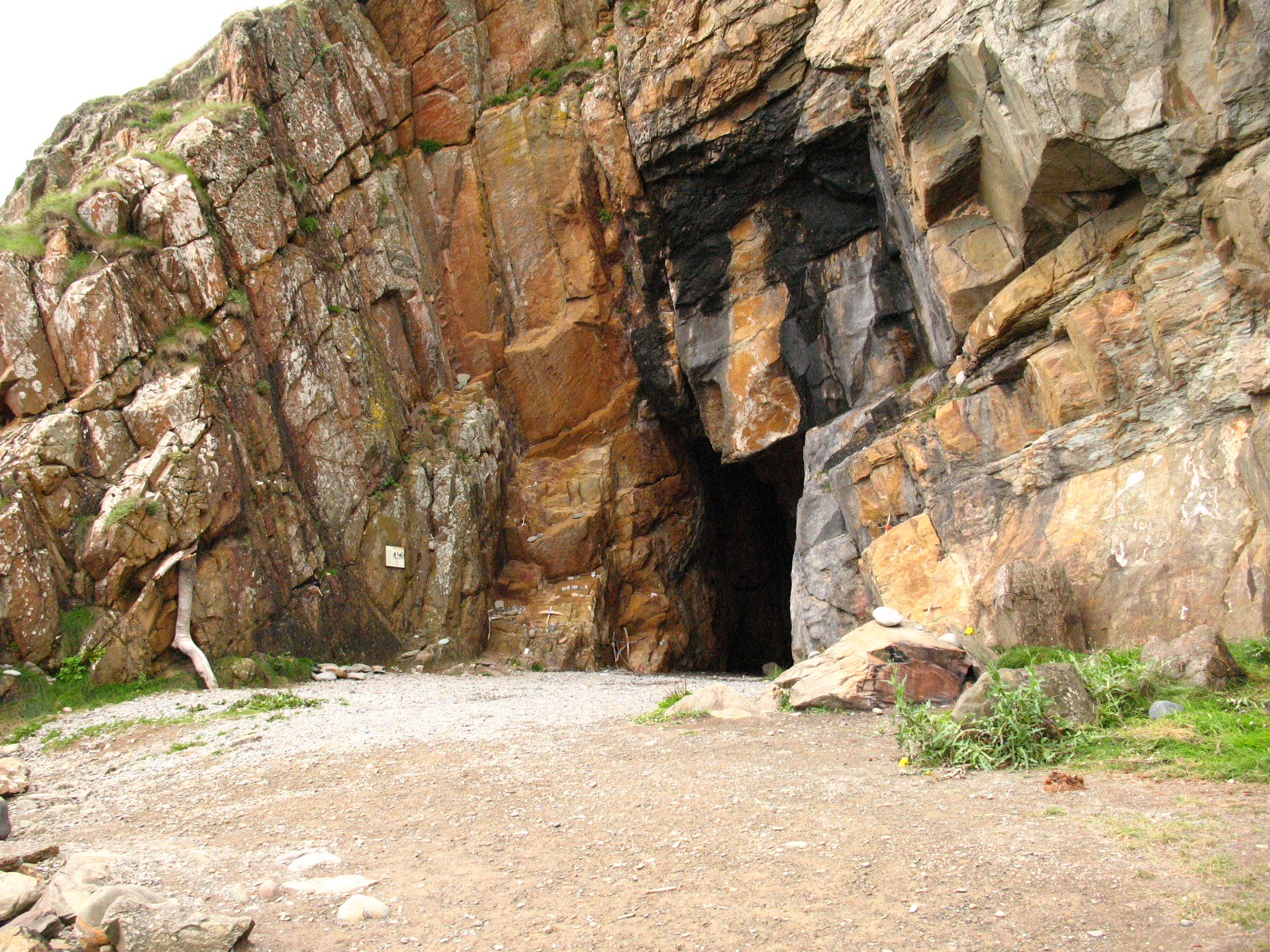
Sacred place · Pictish & early medieval
St Ninian's Cave
Dumfries and Galloway
The cave is a long-standing place of Roman Catholic pilgrimage through its association with the Scottish saint Ninian.
- Near Whithorn
- 25 min walk from car park
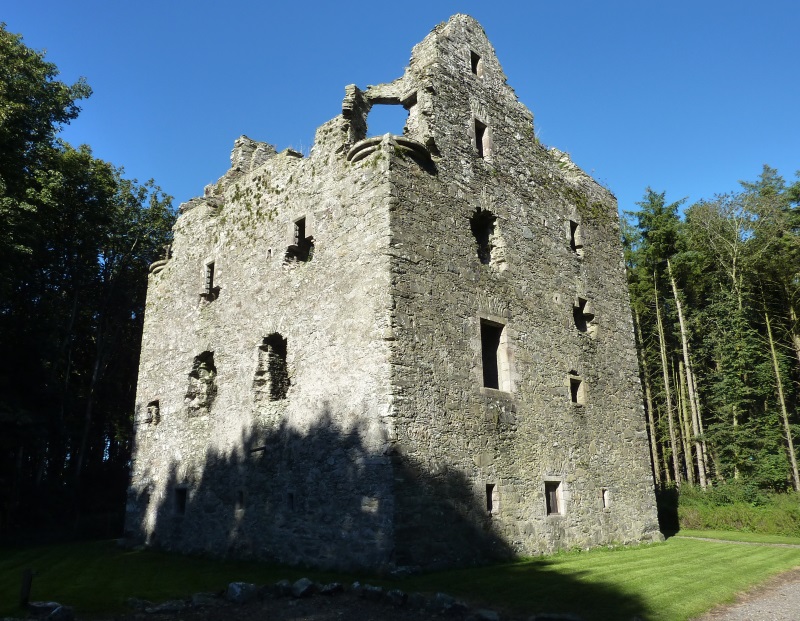
Fortified place · Medieval
Sorbie Tower
Dumfries and Galloway
Sorbie Tower is the ancient seat of Clan Hannay — a late-sixteenth-century L-plan tower house that fell to ruin for two centuries before being retu…
Sources
- Canmore site record 63298 (accessed 2026-06-13)
- Trove (HES) record (accessed 2026-06-13)
- HES designation SM12992 (accessed 2026-06-13)
- Wikipedia: Whithorn (accessed 2026-06-13)
- Wikidata Q113363957 (accessed 2026-06-13)
Explore more: Sacred places · Pictish & early medieval · Dumfries and Galloway
The Ancient Codex, in your pocket
Get the Pocket Codex app
Carry the directory with you — Whithorn Priory and Museum and thousands of ancient places across Britain and Ireland, offline, wherever you roam.