
It is one of Scotland's most evocative Cistercian ruins, founded and named for a widow's lifelong devotion to her husband's embalmed heart.
Why is it called Sweetheart Abbey? The name records an act of grief. When Dervorguilla of Galloway founded this Cistercian house in 1273 in memory of her husband John de Balliol, she kept his embalmed heart in a casket of ivory and silver and carried it with her until she died, when it was buried at her side. She dedicated the abbey Dulce Cor, Latin for sweet heart. Built of deep-red local sandstone in the Early English style as a daughter house of Dundrennan Abbey, its church ran to some 203 feet beneath a central tower of about 92 feet. The abbey stood at the centre of local farming and religious life until the Reformation suppressed it; its last Cistercian abbot, Gilbert Broun, was arrested in 1605, and the final monks left in 1624. The roofless church and stretches of precinct wall survive today.
What follows is drawn from published sources, with each claim labelled by how firmly it is established.
The name
The abbey was dedicated Dulce Cor, Latin for 'sweet heart', by its founder Dervorguilla of Galloway after she kept the embalmed heart of her late husband John de Balliol with her until death; the Gaelic name is An Abaid Ur, and as a new daughter house of Dundrennan it also became known as the 'New Abbey'.
History
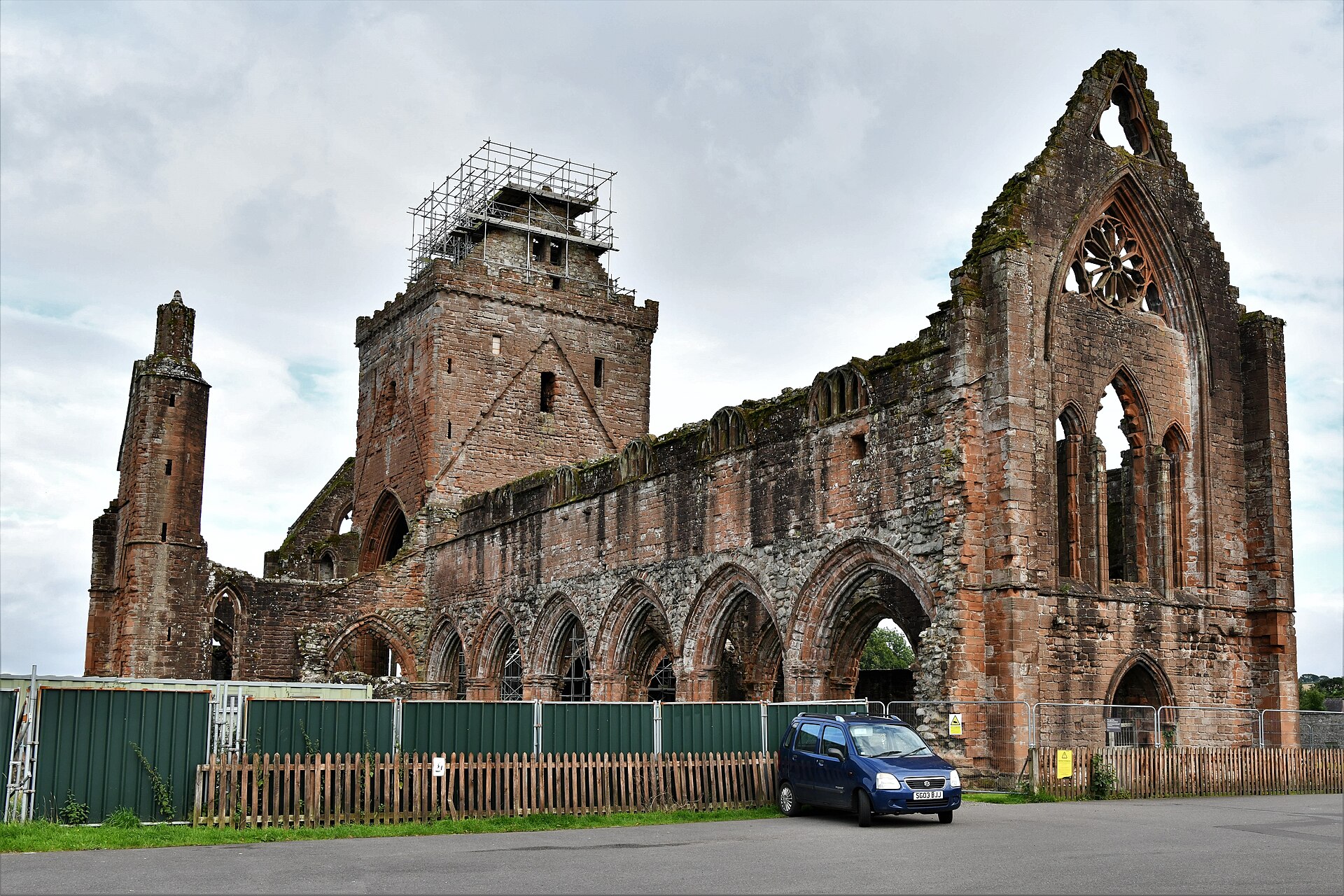
The abbey was founded in 1273 by Dervorguilla of Galloway, daughter of Alan, Lord of Galloway, as a daughter house of nearby Dundrennan Abbey and in memory of her husband John de Balliol.
Under its first abbot, Henry, the abbey was built in deep-red local sandstone in the Early English style; the church, dedicated to St Mary the Virgin, measured 203 feet with a central tower of 92 feet.
During the First War of Scottish Independence, King Edward I of England resided at the abbey in 1300 while campaigning in Galloway.
After some 50 years of warfare left the abbey dilapidated, Archibald Douglas, 3rd Earl of Douglas ('Archibald the Grim'), became a major benefactor and financed wholesale repairs and rebuilding.
Following the Reformation the crown placed the abbey under commendatory abbots from 1565; the last Cistercian abbot, Gilbert Broun, was arrested in 1605 and exiled, and the last monks died in 1624 when the lands passed to Sir Robert Spottiswoode.
In 1633 King Charles I sought the New Abbey lands for his new Diocese of Edinburgh; the grant was later cancelled and the estate restored to Spottiswoode in 1641 before reverting to the Crown.
People
-
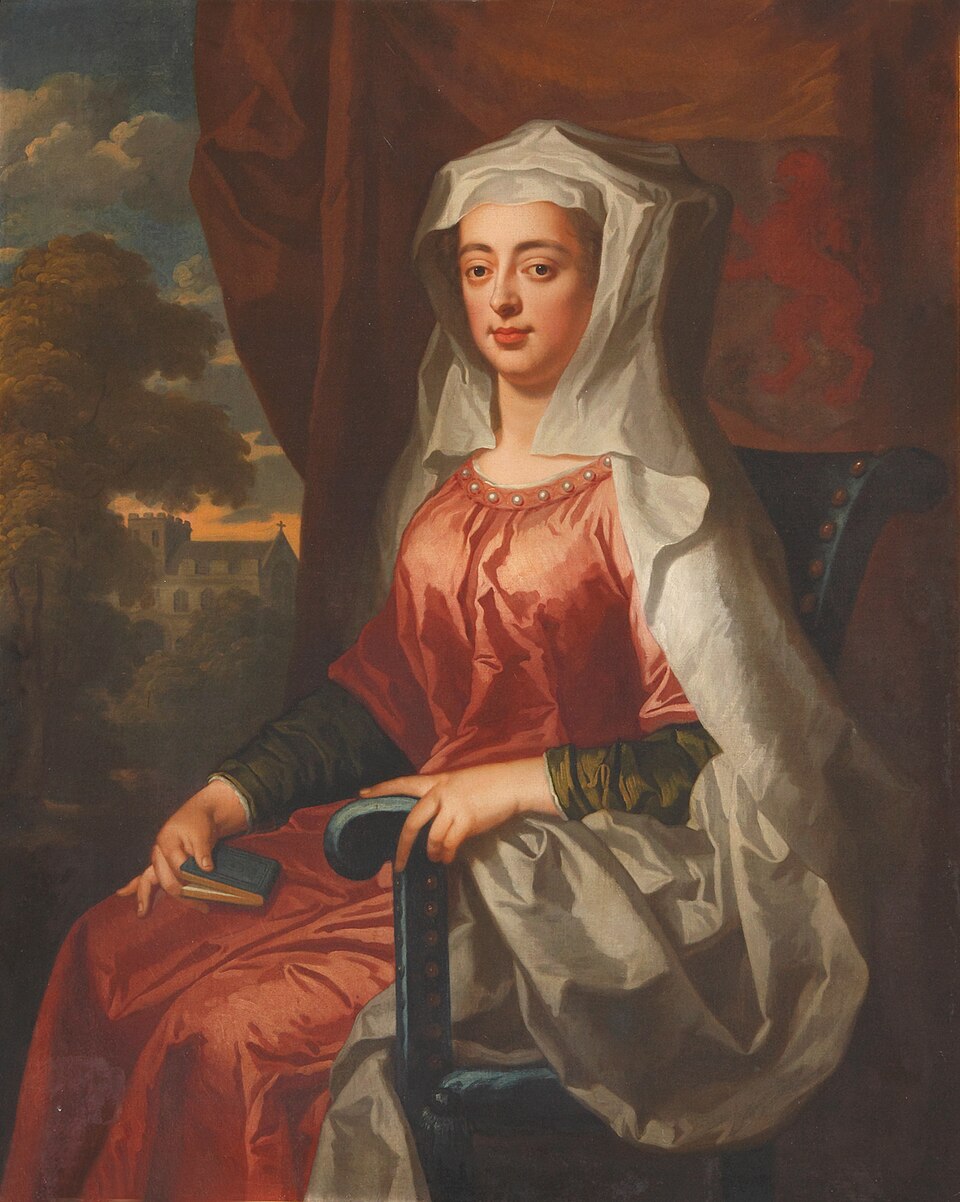
Portrait: William Sonmans / Wikimedia Commons / Public domain Dervorguilla of Galloway
Foundress (1273), daughter of Alan, Lord of Galloway; kept her husband's embalmed heart and named the abbey Dulce Cor; buried here with the casket
-
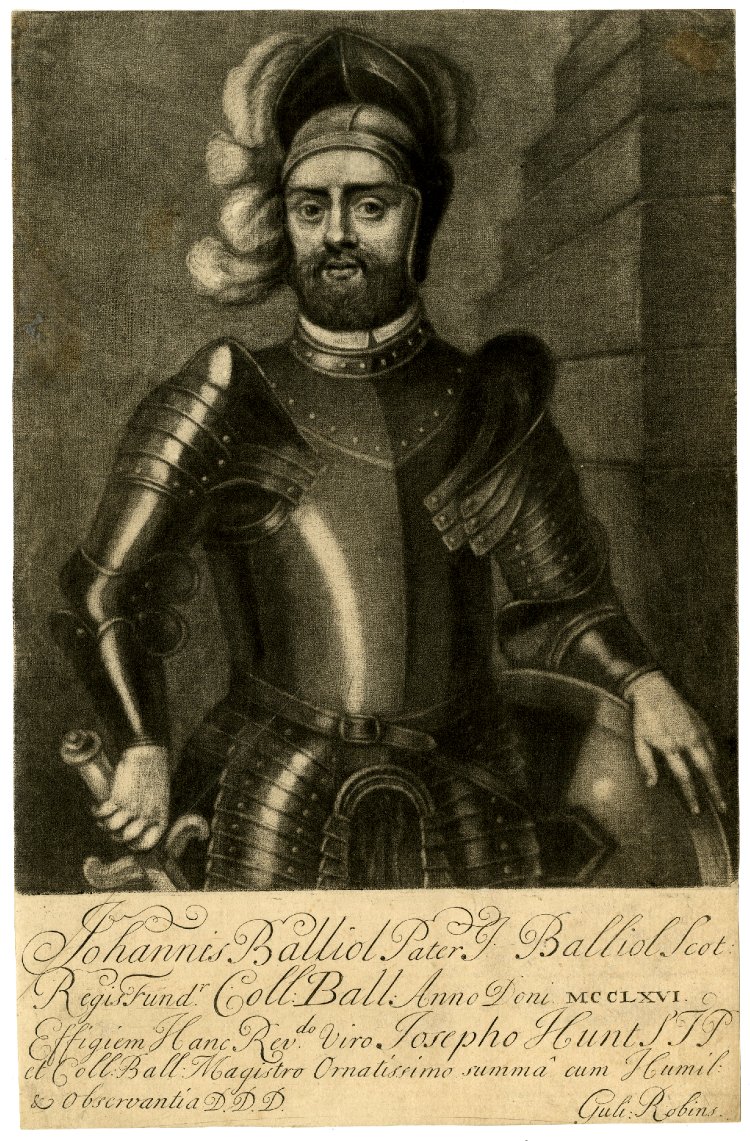
Portrait: William Robins / Wikimedia Commons / Public domain John de Balliol
Husband of Dervorguilla in whose memory the abbey was founded; his embalmed heart was buried alongside her
-
Abbot Henry
First abbot, under whom the abbey was built (from 1275)
-
Gilbert Broun
Last Cistercian abbot (died 1612); upheld the Catholic faith after the Reformation, arrested in 1605 and sentenced to exile
-
Archibald Douglas, 3rd Earl of Douglas ('Archibald the Grim')
Major benefactor who financed repairs and rebuilding of the abbey complex
-
Sir Robert Spottiswoode
Son of the Archbishop of St Andrews; received the abbey lands in 1624 and took the title Lord of New Abbey
Cultural influences
-
As a Cistercian ('White Monk') house, the abbey was a centre of local life whose farming, agriculture, and horse and cattle breeding shaped the ways of local farmers and influenced agriculture across the surrounding district.
Connections
-
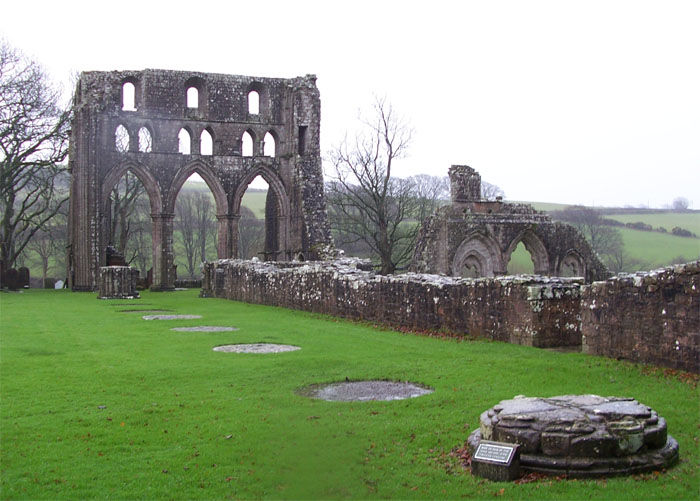
Photo: Hopmans at nl.wikipedia / Wikimedia Commons / CC BY-SA 3.0 Dundrennan Abbey
Mother house — Sweetheart was founded as its daughter house, hence the 'New Abbey'
-
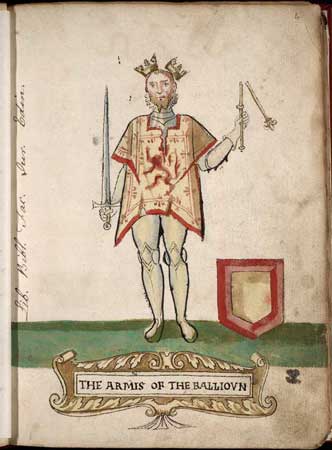
Photo: Forman Armorial (produced for Mary, Queen of Scots) / Wikimedia Commons / Public domain John Balliol (King of Scots)
Son of the foundress Dervorguilla and John de Balliol; became King of Scotland
-
Cistercian Order
The abbey belonged to the Cistercian Order, whose abbots sat ex officio in the Parliament as members of the First Estate
In culture
-
The Sweetheart Abbey Breviary, a 14th-century prayer book associated with the abbey, is now held in the National Library of Scotland in Edinburgh.
What to look for
-
Walls and tower of deep-red local sandstone, the abbey's most striking material
-
The roofless abbey church, around 203 feet long, built in the Early English style
-
Surviving sections of the medieval precinct wall, which once enclosed grounds of about 30 acres
-
The site of the central tower, once rising to roughly 92 feet
-
The setting within New Abbey village, which grew up around the monastery, with Monksmill corn mill at the far end of the main street
Plan your visit
- Location
- General area near Dumfries and Galloway, Dumfries and Galloway
- Access
- Paid entry — managed visitor site
- Terrain
- Easy going
- Time needed
- About 45 minutes
Opening & admission
In the care of Historic Environment Scotland. Parts of the abbey may be closed for high-masonry conservation — check the official page for current access before travelling.
- The ruin sits in the centre of New Abbey village; the exterior is visible from the surrounding green.
This is a sensitive site, so we show its general area only. Please use the official access information here rather than seeking out an independent route.
Nearby places
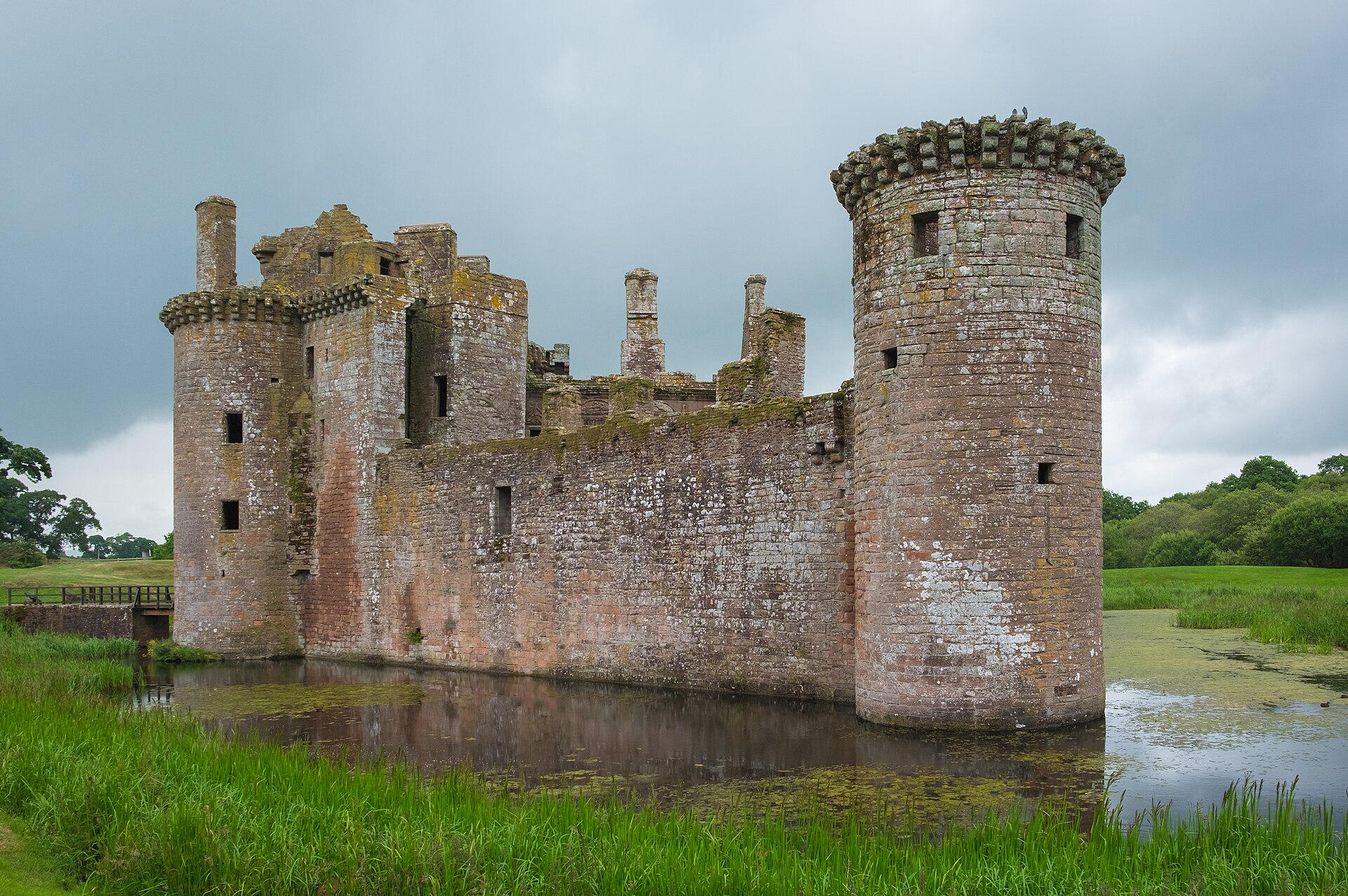
Fortified place · Medieval
Caerlaverock Castle
Dumfries and Galloway
Its rare triangular moated plan, unique among British castles, encloses four centuries of Maxwell power and border warfare, from Edward I's siege o…
- Easy path
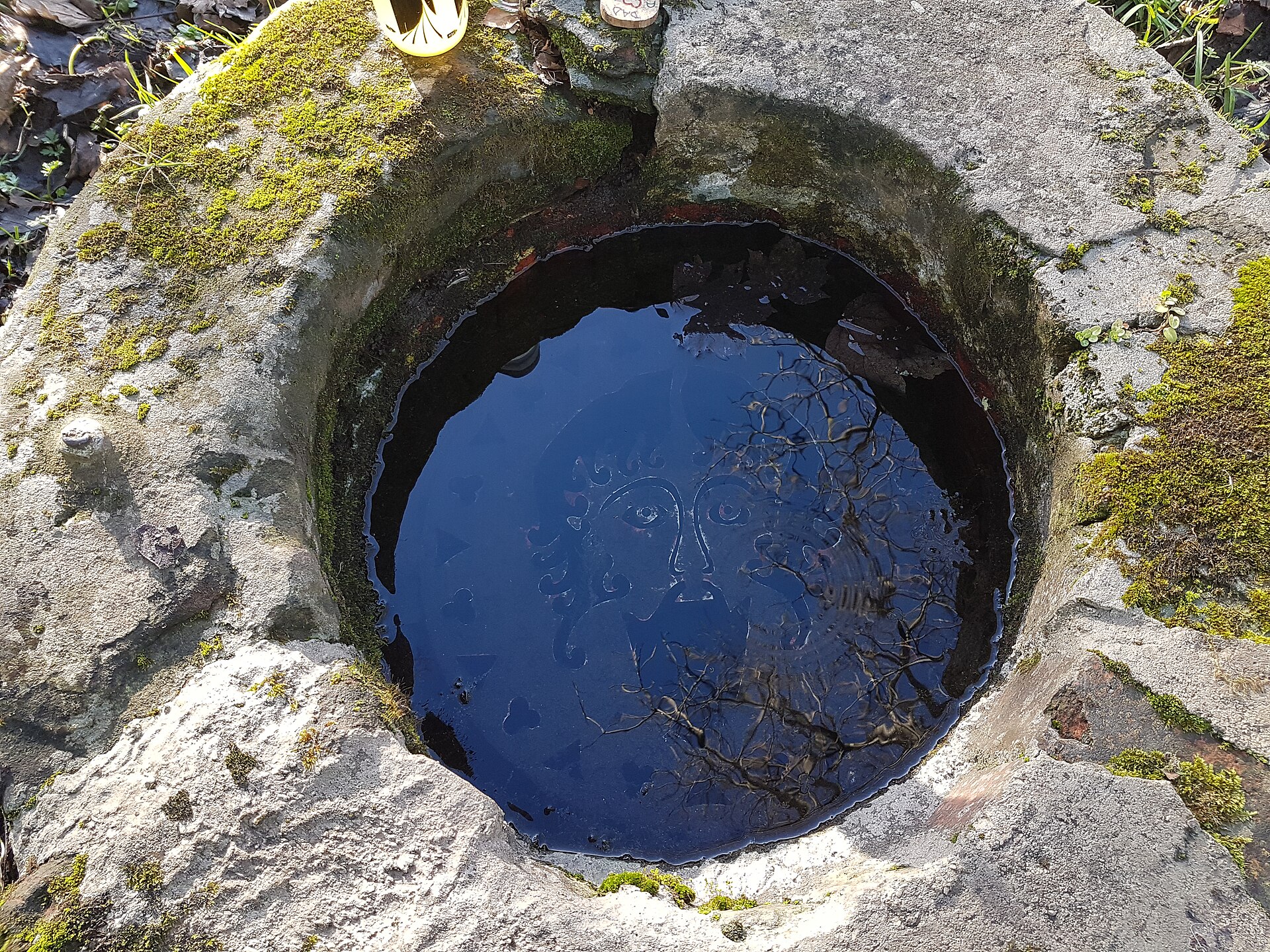
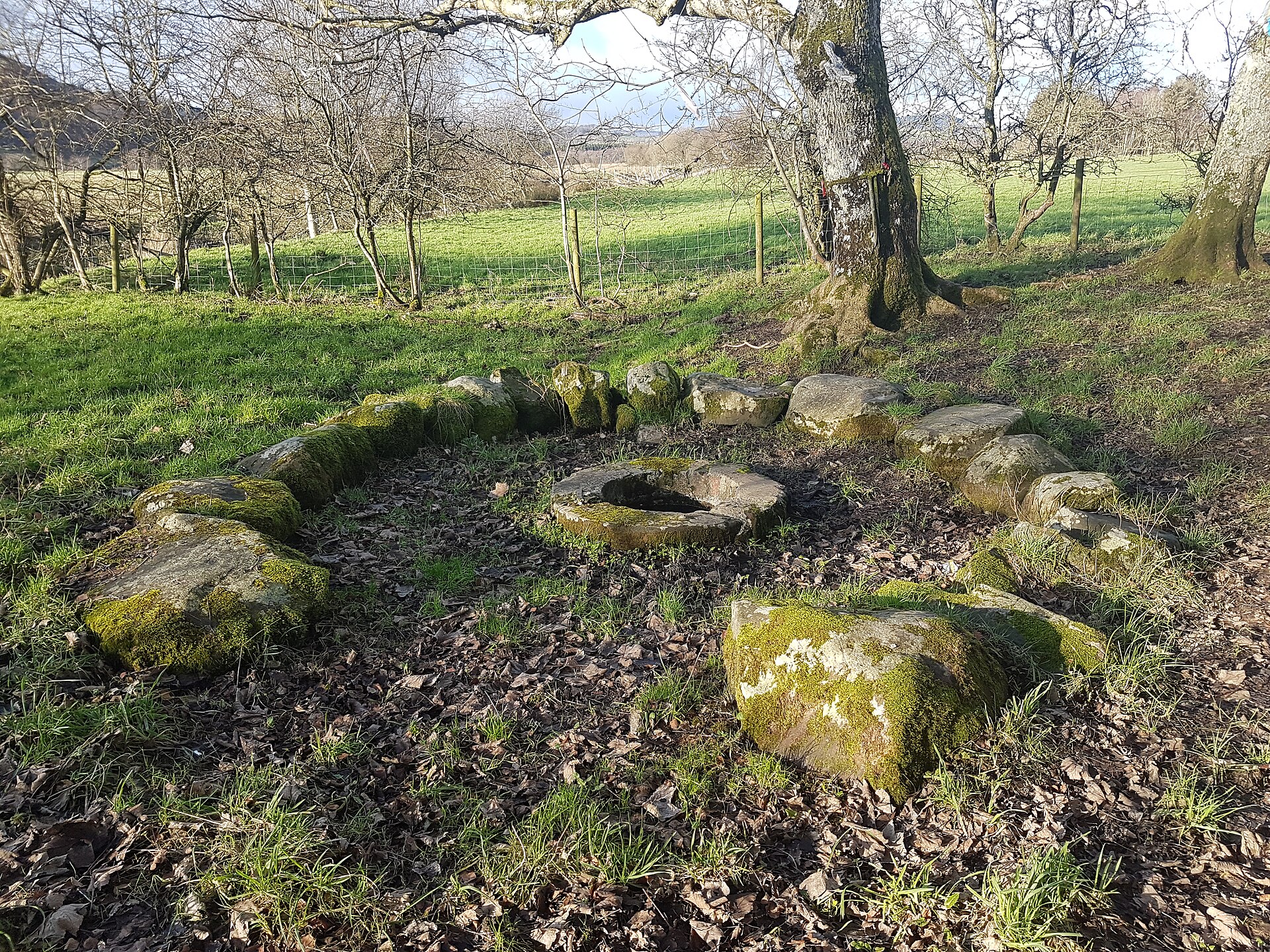
Sacred place · Medieval
St Queran's Well
Dumfries and Galloway
It is a rare example of a Scottish holy well where votive offerings, recovered coins dating back to 1560 and ribbons tied to bushes, show an unbrok…
Questions people ask
- Why is it called Sweetheart Abbey?
- Its founder, Dervorguilla of Galloway, kept the embalmed heart of her late husband John de Balliol in an ivory and silver casket until her death. She named the abbey Dulce Cor, Latin for 'sweet heart', and was buried beside the casket.
- When was Sweetheart Abbey founded and by whom?
- It was founded in 1273 by Dervorguilla of Galloway, daughter of Alan, Lord of Galloway, as a Cistercian monastery and a daughter house of nearby Dundrennan Abbey.
- Who is buried at Sweetheart Abbey?
- Dervorguilla of Galloway and her husband John de Balliol were buried here, along with his embalmed heart. Later burials recorded include Eric Drummond, 7th Earl of Perth, and William Paterson, founder of the Bank of England.
- What happened to the abbey after the Reformation?
- From 1565 the crown appointed commendatory abbots. The last Cistercian abbot, Gilbert Broun, was arrested in 1605 and exiled; the final monks died in 1624 and the lands passed to Sir Robert Spottiswoode.
- Can you still visit Sweetheart Abbey?
- The roofless abbey church and stretches of its precinct wall survive as ruins beside New Abbey village. The site is a scheduled monument cared for by Historic Environment Scotland.
Sources
- Canmore: Sweetheart Abbey, site record 65464 (accessed 2026-07-18)
- Historic Environment Scotland: designation SM90293 (accessed 2026-07-18)
- Wikipedia: Sweetheart Abbey (accessed 2026-07-18)
Explore more: Building or ruins · Medieval · Dumfries and Galloway
The Ancient Codex, in your pocket
Get the Pocket Codex app
Carry the directory with you — Sweetheart Abbey and thousands of ancient places across Britain and Ireland, offline, wherever you roam.