
Two neighbouring hilltops carry very different rings of defence above Brechin. The Caterthuns are Iron Age forts, defended prehistoric hilltop enclosures, known as the White Caterthun and the Brown Caterthun.
Caterthun matters because the paired forts show two contrasting approaches to enclosing high ground. One summit is dominated by a pale dry-stone wall and a central well or cistern, while the other is defined by earthen embankments whose purpose remains less certain.
What follows is drawn from published sources, with each claim labelled by how firmly it is established.
History
The White Caterthun and Brown Caterthun occupy neighbouring hills near Brechin.
The White Caterthun has a massive dry-stone wall around an oval fort.
The Brown Caterthun consists mainly of earthen embankments.
Radiocarbon dating suggests the Brown Caterthun was built and modified across several centuries in the later first millennium BC.
Parts of the White Caterthun may be contemporary with Brown Caterthun, though its main wall may belong to the Picts or their predecessors.
The Caterthuns are protected as a scheduled monument.
People
-
Picts
The main stone wall of White Caterthun may have been built by the Picts or their predecessors.
Connections
-
Brechin
Nearby city below the Caterthun hills.
-
White Caterthun
Western stone-walled fort in the pair.
-
Brown Caterthun
Eastern earthwork fort in the pair.
What to look for
-
White Caterthun wall
A dry-stone wall is built from stones without mortar.
-
Central water feature
A well or cistern lies inside the White Caterthun.
-
Brown Caterthun banks
Earthen embankments form the Brown Caterthun's main visible defences.
-
Radiating entrances
Entrances on both forts run outward like spokes from the summit.
-
Uncertain purpose
Brown Caterthun has little evidence for settlement, agriculture, or water supply.
Plan your visit
- Location
- 56.7842°N · 2.7408°W
- Access
- Open access
- Terrain
- Rough ground — reasonable boots advised
Opening & admission
- Hillfort walk over uneven exposed ground; use responsible Scottish outdoor access.
Nearby places
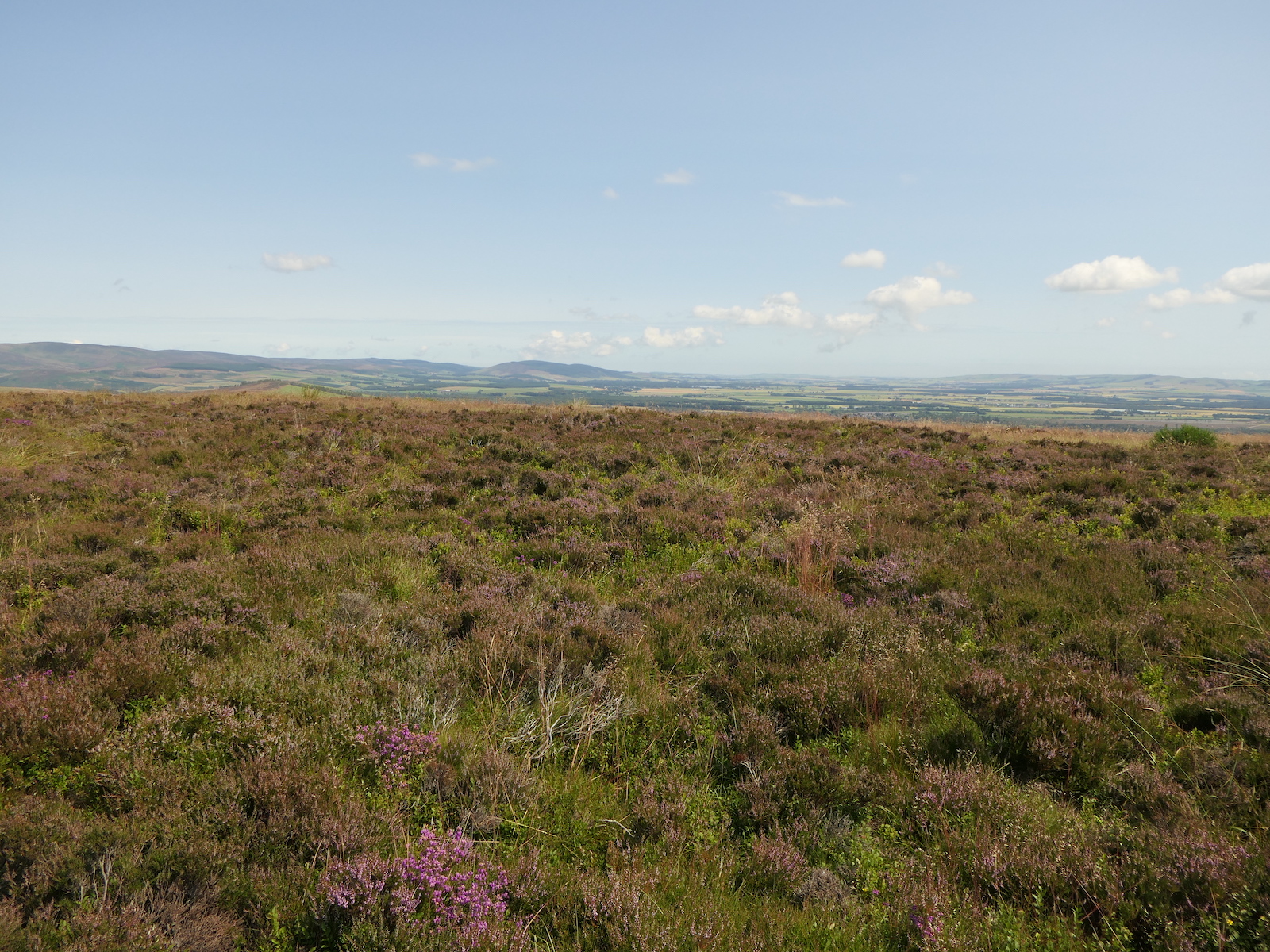
Carved stone · Prehistoric
White Caterthun
Angus
Radiocarbon dating shows the neighbouring Brown Caterthun was built and modified over several centuries in the latter half of the first millennium…
- Near Brechin
- 15 min walk from car park
- Some walking
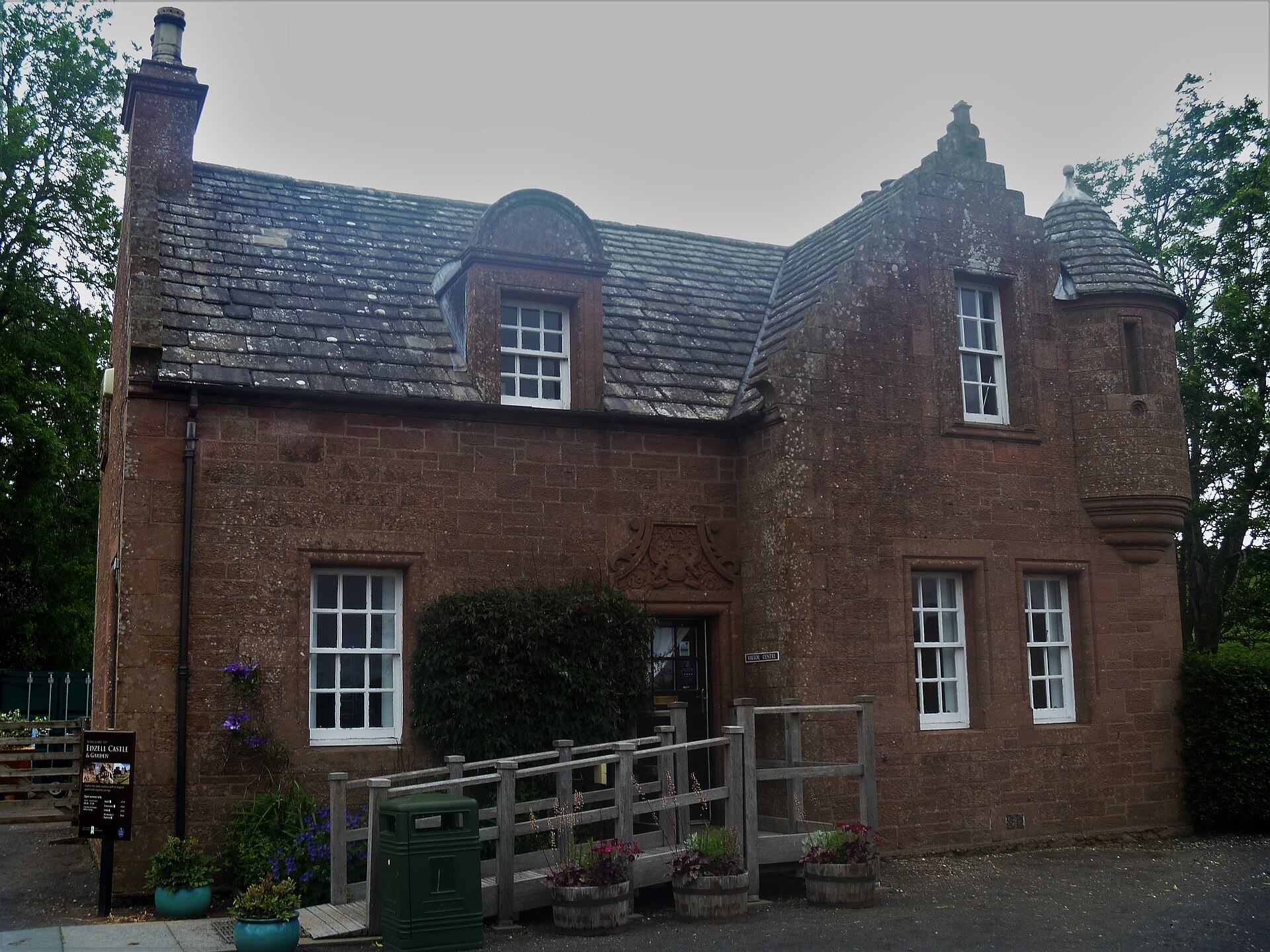
Fortified place · Medieval
Edzell Castle and Garden
Angus
Edzell's walled garden of 1604, ringed with carved panels of the planetary deities, liberal arts and cardinal virtues, is unique in Scotland and am…
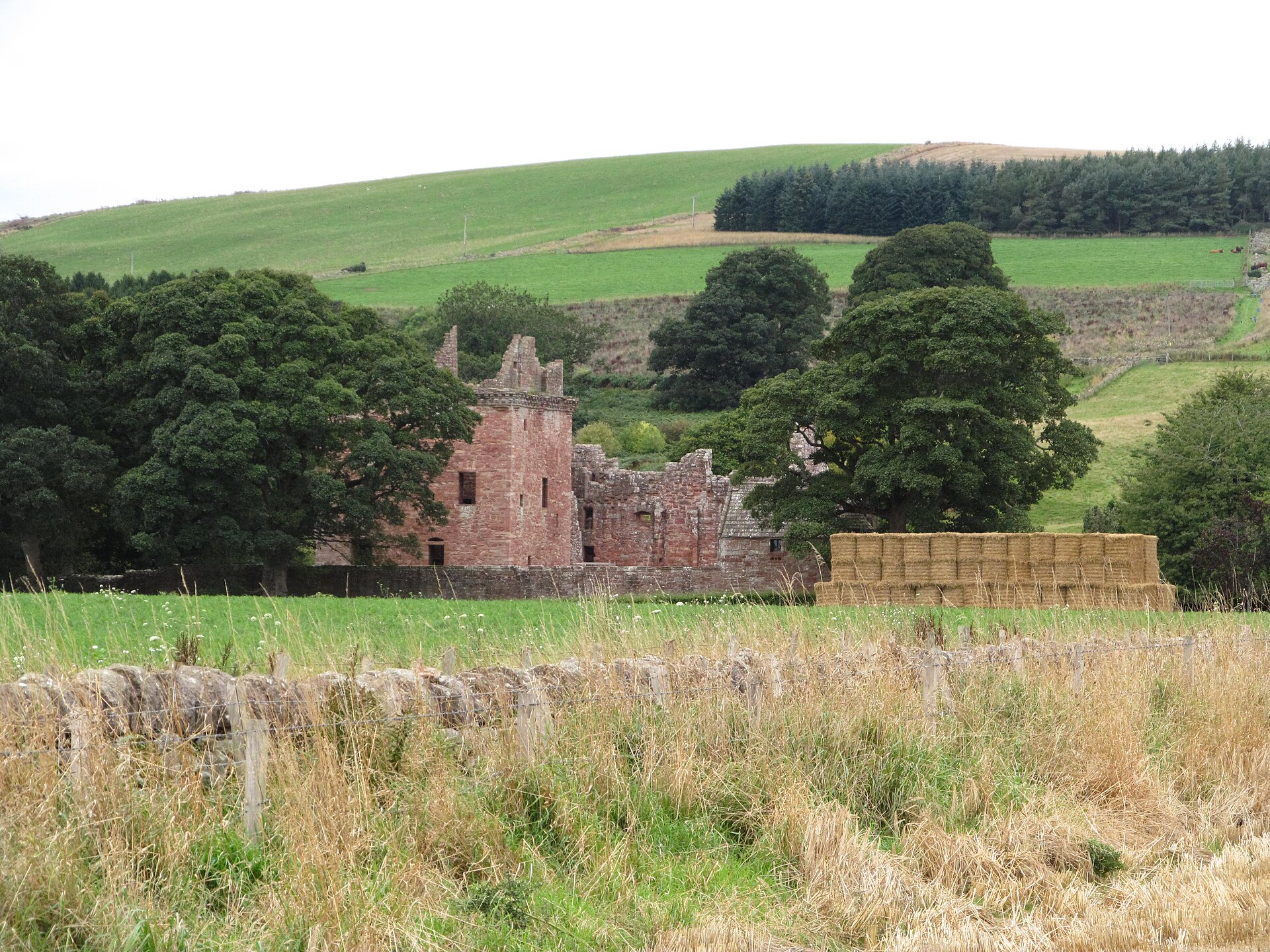
Minor monument · Medieval
Dovecot, Mains Of Edzell
Angus
Dovecote with HES-listed pre-1800 evidence (1600).
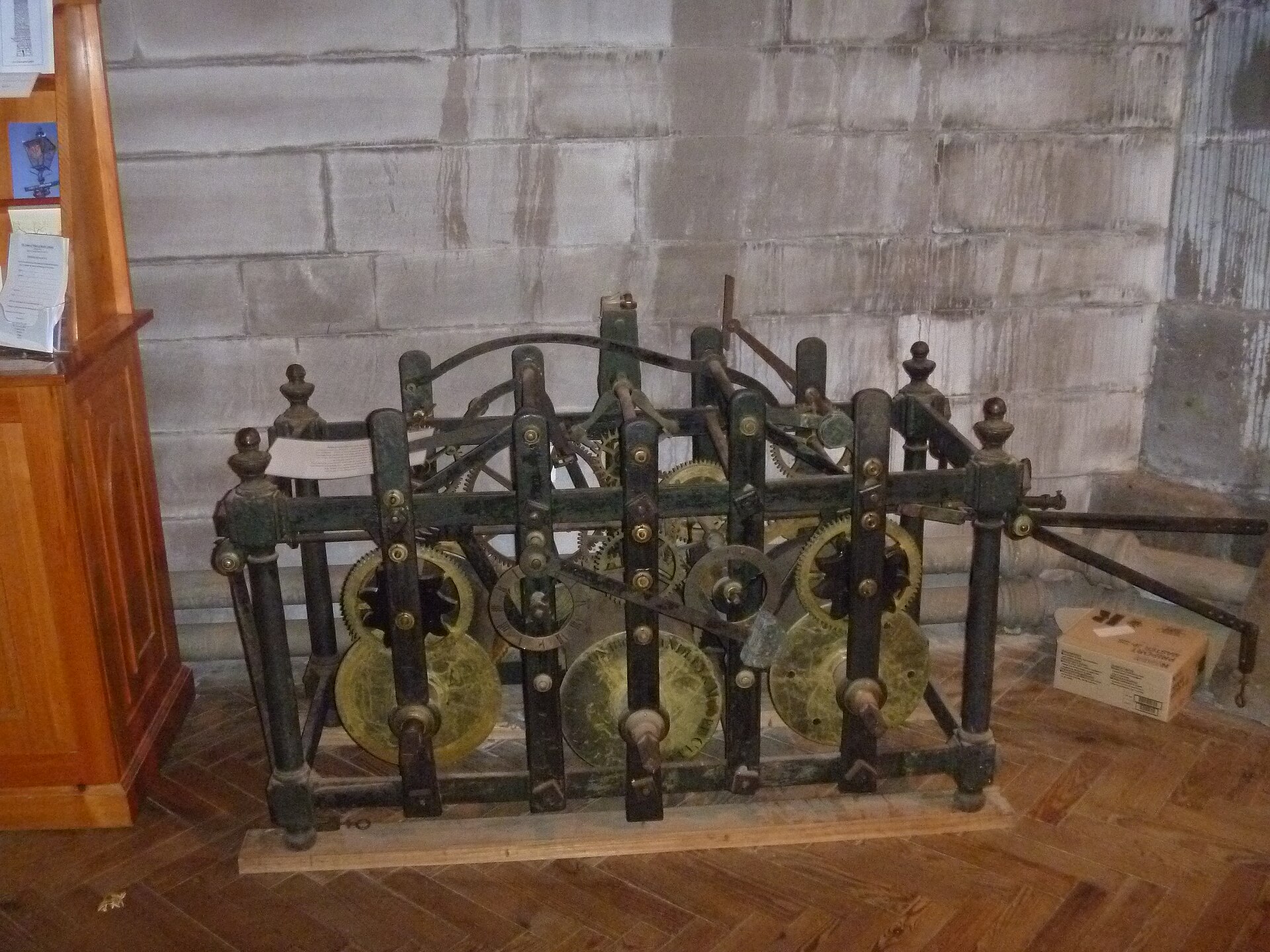
Sacred place · Medieval
Brechin Cathedral
Angus
It preserves one of only two surviving Irish-style round towers in Scotland, set beside a medieval cathedral and rare 11th-century carved stones.
Questions people ask
- What are the Caterthuns?
- They are two Iron Age forts, defended prehistoric hilltop enclosures, near Brechin: the White Caterthun and the Brown Caterthun.
- Why is one called White Caterthun?
- Its light-coloured dry-stone wall gives the western fort its name.
- What is unusual about Brown Caterthun?
- It has earthen embankments but little clear evidence for settlement, agriculture, or water supply.
- Are the Caterthuns protected?
- Yes. The forts are designated as a scheduled monument.
Sources
Explore more: Fortified places · Iron Age · Angus
The Ancient Codex, in your pocket
Get the Pocket Codex app
Carry the directory with you — Caterthun and thousands of ancient places across Britain and Ireland, offline, wherever you roam.