
Aerial photographs revealed an enormous Roman camp in the fields north-west of Inverurie. Durno, or Logie Durno, is a Roman marching camp, a temporary fortified enclosure used by soldiers on campaign.
Its scale makes the site exceptional north of the Antonine Wall. The camp has been suggested as Agricola’s assembly point before the Battle of Mons Graupius in AD 84, though the source pack notes that this argument has been criticised as circumstantial.
What follows is drawn from published sources, with each claim labelled by how firmly it is established.
History
Durno lies north-west of Inverurie in Aberdeenshire.
The Roman marching camp was first discovered by aerial photography in July 1975.
The site was excavated in 1976 and 1977.
It is the largest Roman camp found north of the Antonine Wall.
The exceptional size led to a proposal that Agricola assembled forces there before Mons Graupius in AD 84.
The evidence for the Mons Graupius proposal has been criticised as largely circumstantial.
The camp was enclosed by a substantial ditch.
The physician and amateur geologist William Mackie was born at Durno.
People
-
Agricola
Roman governor whose forces have been tentatively linked with the camp before Mons Graupius.
-
J. K. St Joseph
scholar cited for work on Durno and Mons Graupius.
-
William Mackie
physician and amateur geologist born at Durno.
Plan your visit
- Location
- 57.3345°N · 2.5006°W
- Access
- Visible from a public way
- Terrain
- Easy going
Opening & admission
The source pack does not provide reliable current admission details; verify before travelling.
- The Roman camp is mainly a buried cropmark site discovered by aerial photography; the pack gives no visitor facilities.
Nearby places
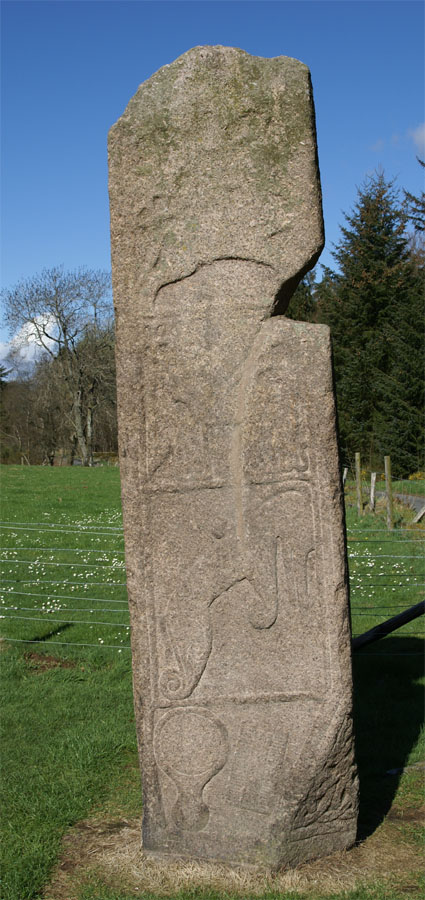
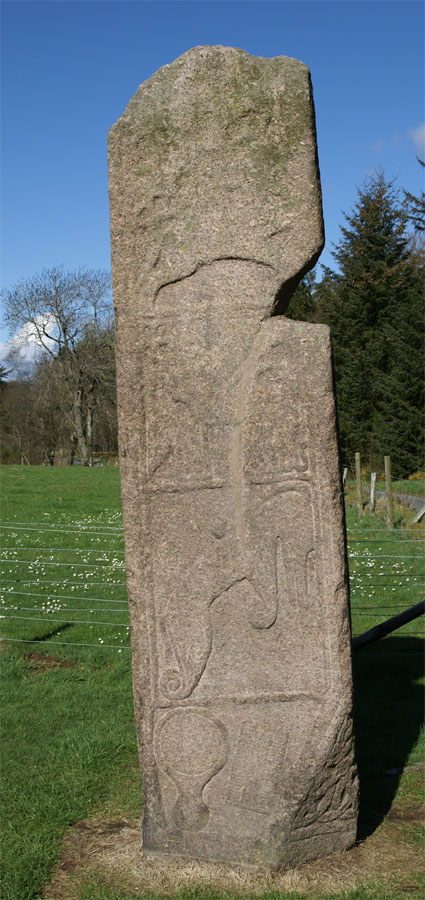
Carved stone · Pictish & early medieval
Maiden Stone
Aberdeenshire
The cross-slab was carved probably in the late 8th or early 9th century AD as a Class II Pictish monument, combining Christian and pre-Christian Pi…
- Near Inverurie
- 1 min walk from car park
- Easy path
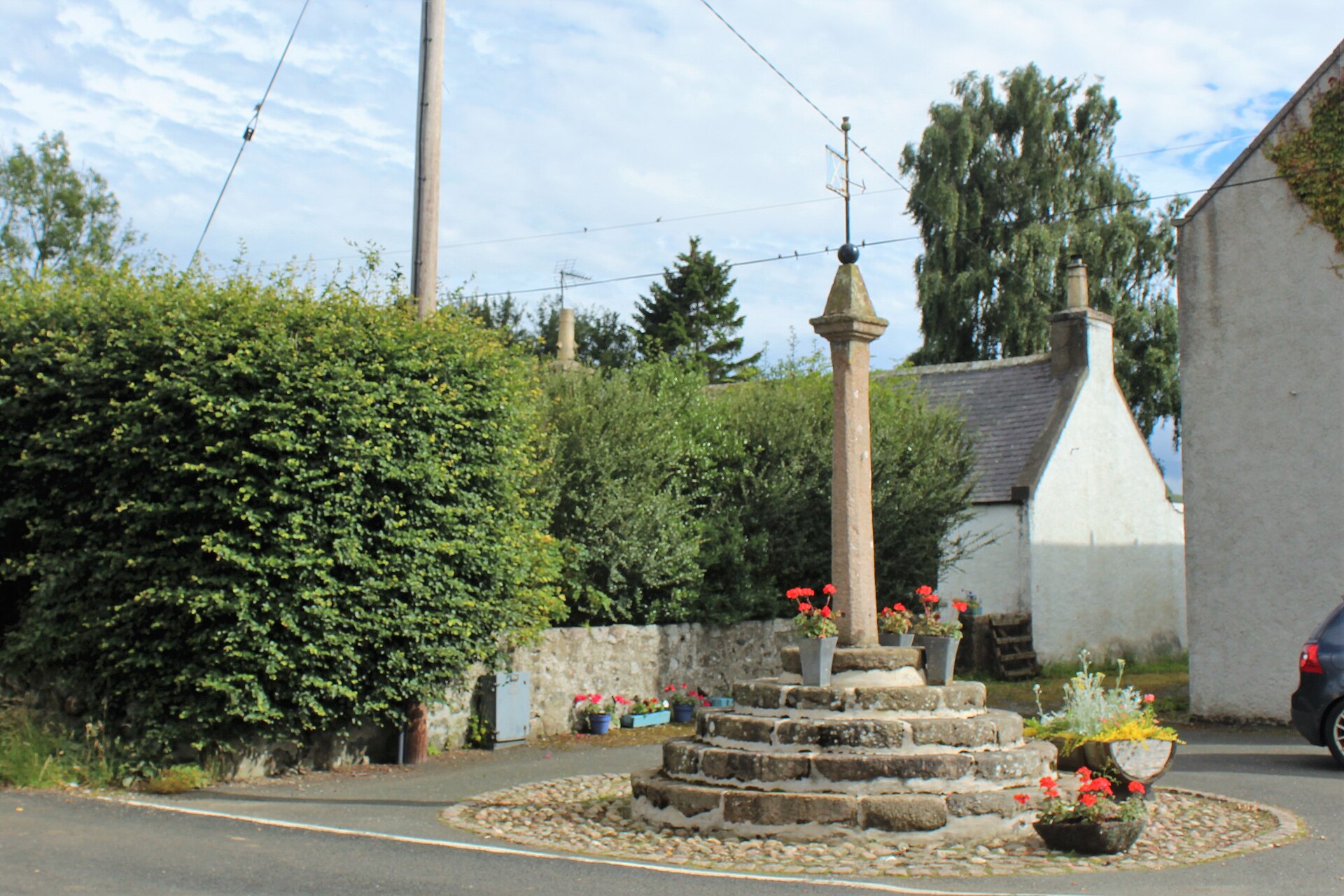
Minor monument · Medieval
Market Cross, Old Rayne
Aberdeenshire
Mercat cross with HES-listed pre-1800 evidence (1492).
- Easy path
Questions people ask
- What is Durno?
- It is a Roman marching camp near Inverurie in Aberdeenshire.
- Why is it important?
- The pack says it is the largest Roman camp found north of the Antonine Wall.
- Is it definitely Mons Graupius?
- No. The site has been suggested as Agricola’s assembly point, but the source says that evidence has been criticised as circumstantial.
- How was it discovered?
- It was first discovered from aerial photography in July 1975 and excavated in 1976 and 1977.
Sources
Explore more: Fortified places · Roman · Aberdeenshire
The Ancient Codex, in your pocket
Get the Pocket Codex app
Carry the directory with you — Durno and thousands of ancient places across Britain and Ireland, offline, wherever you roam.