
The Annals of Ulster record two sieges of 'Dún Foither' in 681 and 694, possibly the earliest written references to the site; the 681 attack has been interpreted as an assault by Brude, the Pictish king of Fortriu, to extend his power over the north-east coast.
A narrow neck of land drops away and climbs again before the path reaches a flat-topped headland, cliffs falling close to 160 feet to the sea on every side. Surf and seabirds are the constant sound up here, and the salt wind off the North Sea rarely drops. The ruined walls and towers belong to Dunnottar Castle, a fortress on the Aberdeenshire coast some two miles south of Stonehaven.
What we know
The Gaelic name, Dùn Fhoithear — “fort on the shelving slope” — describes the same rocky ground still crossed to reach the ruins. The earliest written references are two sieges of “Dún Foither” recorded in the Annals of Ulster, in 681 and 694; the 681 attack has been read by some scholars as an assault by Brude, Pictish king of Fortriu, extending his power along the north-east coast. The Chronicle of the Kings of Alba records a further violent episode in 900, when Donald II — the first ruler styled rí Alban, king of Alba — was killed here during a Viking attack. Excavation in the 1980s found no clear evidence of an early-medieval fort on the headland itself; Pictish carved stones found on the nearby sea stack of Dunnicaer have led some to argue the early stronghold stood there instead.
By the 14th century a castle stood here in the more familiar sense. In 1336 Edward III of England ordered William Sinclair to refortify the partly ruined site as a forward base for his northern campaign; the Scottish regent Sir Andrew Murray recaptured and destroyed the English works within the year. The Keith family, Earls Marischal of Scotland, held Dunnottar from the 14th century into the 18th, and in the late 16th century George Keith, 5th Earl Marischal, converted the fortress into a residence — long, low ranges around a quadrangle, closer to contemporary English houses than to the tall Scottish tower tradition.
Charles II stayed at Dunnottar in July 1650, and his presence in Scotland drew Oliver Cromwell north to defeat the Scots at Dunbar that September. Through 1651–52 the Honours of Scotland — crown, sword and sceptre — were kept here from Cromwell, smuggled out during the blockade and buried under the floor of the Old Kirk at Kinneff. They were not recovered until the Restoration in 1660, after the garrison under Sir George Ogilvie had already surrendered to besiegers who found the vault empty. In 1685, 167 Covenanters — 122 men and 45 women — were packed for two months into a single cellar, the “Whigs’ Vault”, after Argyll’s rising against James VII; five died there. George Keith, 10th Earl Marischal, led cavalry for the Jacobites at Sheriffmuir in 1715; the estate was forfeited the following year, sold in 1720 to the York Buildings Company, who stripped and dismantled it. Restoration began only after Weetman Pearson, 1st Viscount Cowdray, bought the ruin in 1919 and his wife started a programme of repair.
The castle’s name travelled beyond its own walls: the early-13th-century Arthurian romance Roman de Fergus sends its hero here to retrieve a magic shield, and centuries later the ruins became a film location, used for portions of the 1990 Hamlet and as the model for Merida’s home in Disney’s Brave.
What is said
Local tradition holds that William Wallace captured Dunnottar from the English in 1297 and burned 4,000 prisoners of war alive in the castle church — a claim recorded only by the late medieval poet Blind Harry, and one usually read now as poetic exaggeration rather than an independently corroborated event. A chapel on the headland is said to have been founded by St Ninian in the 5th century; this too is a tradition rather than an established date, and the site’s first fortification remains otherwise uncertain.
What to see now
The main gate is still the way in: a curtain wall blocking a cleft in the cliffs, a portcullis, and an entrance passage that turns sharply underground through two tunnels cut in the rock. Benholm’s Lodging stands beside it, a five-storey building cut into the rock with three tiers of gun ports and a prison below its apartments. The late-14th-century keep, weathered and grey, still dominates the view on the approach, its stone-vaulted basement intact beneath later floors. Below the King’s Bedroom, named for Charles II’s stay, the Whigs’ Vault survives much as it was in 1685 — a low cellar about 52 by 15 feet, one window, cold stone. The 16th- and 17th-century palace ranges still trace their quadrangle, including the seven identical west-range lodgings and the footprint of a 120-foot gallery. At the south-east corner, the 13th-century chapel, consecrated in 1276, keeps its medieval walling and two original windows.
How to visit
Dunnottar is a paid-entry managed site; opening times and admission are set by the site operator and are not recorded in the sources used here. A free car park is signposted off the A92 south of Stonehaven, satnav postcode AB39 2TL, with an earth path running about 526 metres — roughly eight minutes — along the clifftop to the viewpoint above the ruins. Reaching the castle itself means a steep descent of around 219 steps, and the same climb back on the way out.
What follows is drawn from published sources, with each claim labelled by how firmly it is established.
The name
The Gaelic name Dùn Fhoithear means 'fort on the shelving slope', describing the castle's rocky headland setting south of Stonehaven.
History
The Annals of Ulster record two sieges of 'Dún Foither' in 681 and 694, possibly the earliest written references to the site; the 681 attack has been interpreted as an assault by Brude, the Pictish king of Fortriu, to extend his power over the north-east coast.
The Chronicle of the Kings of Alba records that King Donald II — the first ruler called rí Alban (King of Alba) — was killed at Dunnottar during a Viking attack in 900.
In 1336 Edward III of England ordered William Sinclair to rebuild and fortify the partially ruined site as a forward base for his northern campaign; the English works were undone the same year when the Scottish Regent Sir Andrew Murray captured and again destroyed the defences.
Charles II visited Dunnottar in July 1650; his presence in Scotland prompted Oliver Cromwell to invade and defeat the Scots at Dunbar that September.
In 1651–52 the Honours of Scotland (the crown, sword and sceptre) were held at Dunnottar to keep them from Cromwell. During Cromwell's blockade they were smuggled out and buried beneath the floor of the Old Kirk at Kinneff; the garrison under Sir George Ogilvie surrendered on 24 May 1652 only for the besiegers to find the regalia gone. They were returned to the king at the Restoration in 1660.
In 1685, during the Earl of Argyll's rebellion against James VII, 167 Covenanters (122 men and 45 women) were imprisoned in a castle cellar — the 'Whigs' Vault' — from late May until late July. Five died in the vault, some escaped or died falling from the cliffs, and the remainder were transported toward Perth Amboy, New Jersey.
George Keith, 10th Earl Marischal, took an active part in the Jacobite Rising of 1715, leading cavalry at Sheriffmuir; after the rising collapsed his titles and estates, including Dunnottar, were declared forfeit to the crown in 1716.
The forfeited estate was bought in 1720 by the York Buildings Company, who dismantled much of the castle; it was restored in the 20th century after Weetman Pearson, 1st Viscount Cowdray, purchased it in 1919 and his wife began a programme of repairs.
People
-
The Keith family / Earls Marischal
Owners of Dunnottar from the 14th to the 18th century; Marischals of Scotland
-
George Keith, 5th Earl Marischal
Carried out the late-16th-century conversion of the fortress into a comfortable palace; founder of Marischal College, Aberdeen
-
George Keith, 10th Earl Marischal
Jacobite leader at Sheriffmuir (1715); forfeited Dunnottar, later French ambassador for Frederick the Great
-
Sir George Ogilvie of Barras
Lieutenant-governor who defended the castle during Cromwell's 1651–52 blockade
-
Christian Fletcher
Minister's wife who smuggled the Honours of Scotland out of the besieged castle
-
Charles II
Visited in July 1650; the 'King's Bedroom' in the palace is named for his stay
-
Oliver Cromwell
His army blockaded Dunnottar in 1651–52 in pursuit of the Honours of Scotland
-
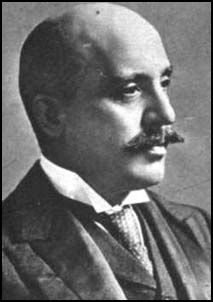
Portrait: Photograph / Wikimedia Commons / Public domain Weetman Pearson, 1st Viscount Cowdray
Bought the castle in 1919; his family restored it and opened it to the public
-
William Wallace
Said by the poet Blind Harry to have captured Dunnottar from the English in 1297
Cultural influences
-
Strategic geography — the headland's steep cliffs, narrow land-bridge and command of the coastal terrace between the North Sea and the Mounth made it one of the strongest defensive sites in Scotland, fortified from the Early Middle Ages onward.
-
The shift from fortress to Renaissance residence — the 5th Earl's late-16th-century palace, with its long, low ranges around a quadrangle, has been compared to contemporary English houses rather than the taller Scottish tower tradition.
Connections
-
Honours of Scotland
The Scottish crown jewels were hidden here from Cromwell in 1651–52
-
Kinneff Old Kirk
Church where the Honours were buried under the floor for safekeeping until 1660
-
Dunnicaer / Bowduns
Nearby sea stack and headland; Pictish stones found there have prompted speculation that early 'Dún Foither' lay there rather than at the present castle
-
Marischal College, Aberdeen
Founded by the 5th Earl Marischal, lord of Dunnottar
-
Stonehaven
Town about 2 miles north; the castle controlled access to and from the north-east
Discovery & excavation
W. D. Simpson speculated that a motte might lie under the present castle, but excavations in the 1980s failed to find substantive evidence of early-medieval fortification. The later discovery of Pictish stones at the nearby sea stack of Dunnicaer prompted speculation that the early stronghold of 'Dún Foither' actually stood on the adjacent headland of Bowduns.
In culture
-
Dunnottar is named in the early-13th-century Arthurian romance Roman de Fergus, in which the hero Fergus must travel there to retrieve a magic shield.
-
The castle has been used as a film location — portions of the 1990 Hamlet (Mel Gibson, Glenn Close) were shot there, and it was chosen as the model for Merida's home in Disney's Brave.
What to look for
-
The well-defended main gate set in a curtain wall blocking a cleft in the cliffs, with portcullis and an entrance passage that turns sharply and runs underground through two tunnels.
-
Benholm's Lodging beside the gate — a five-storey building cut into the rock with three tiers of gun ports and a prison below apartments.
-
The late-14th-century keep or tower house, the dominant building seen from the land approach, with its stone-vaulted basement.
-
The 'Whigs' Vault' beneath the King's Bedroom — the cellar (about 52 by 15 ft) where 167 Covenanters were held in 1685.
-
The 16th–17th-century palace ranged around a quadrangle, including the seven identical lodgings of the west range and the once-120-foot gallery above.
-
The 13th-century chapel at the south-east corner of the quadrangle, consecrated in 1276, retaining medieval walling and two original windows.
What is said
Folklore and tradition, recorded as what is said — not as established fact.
-
The poet Blind Harry related that William Wallace captured Dunnottar from the English in 1297 and imprisoned 4,000 English prisoners of war in the church, burning them alive. (from a late medieval poetic account, not independently corroborated)
-
A chapel at Dunnottar is said to have been founded by St Ninian in the 5th century. (traditional attribution; date of first fortification of the site is unclear)
Standing there
- The castle is reached on foot down and then steeply up a narrow neck of land; the ruined buildings spread across a flat-topped headland with sheer cliffs falling about 160 feet on every side to the North Sea, where the constant sound is surf and seabirds and the salt wind rarely drops.
- Past the main gate, the entrance passage turns sharply and runs underground through two tunnels in the rock, emerging into daylight near the great 14th-century tower house — the dominant, weathered grey block that fills the view on the land approach.
- Below the King's Bedroom lies the Whigs' Vault, a single low cellar about 52 by 15 feet where in the summer of 1685 some 167 Covenanters — 122 men and 45 women — were packed together for two months; five died there, and the cold damp stone and single window convey how grim that confinement was.
- In the late-16th-century palace the long ranges set around a quadrangle — the seven identical west-range lodgings, the kitchens, brewhouse and bakery, the circular cistern pool — would once have carried the smells of cooking fires, ale-brewing and baking bread, a comfortable Renaissance household perched on a sea-cliff fortress.
- During Cromwell's 1651-52 blockade the headland would have been tense and besieged — the boom of Colonel Morgan's artillery brought up for the reduction of the castle, the garrison watching the sea below where, by one account, the Honours of Scotland were lowered to the beach and carried off hidden in a creel of seaweed.
Plan your visit
- Location
- 56.9457°N · 2.1968°W
- Nearest settlement
- Stonehaven
- Access
- Paid entry — managed visitor site
- Start point
- Dunnottar Castle Car Park — Free official car park signposted off the A92 south of Stonehaven. Roughly a 5-minute walk to the clifftop viewpoint; entering the castle itself involves a steep stepped path down and back up.
- Sat-nav
- AB39 2TL
Nearby places
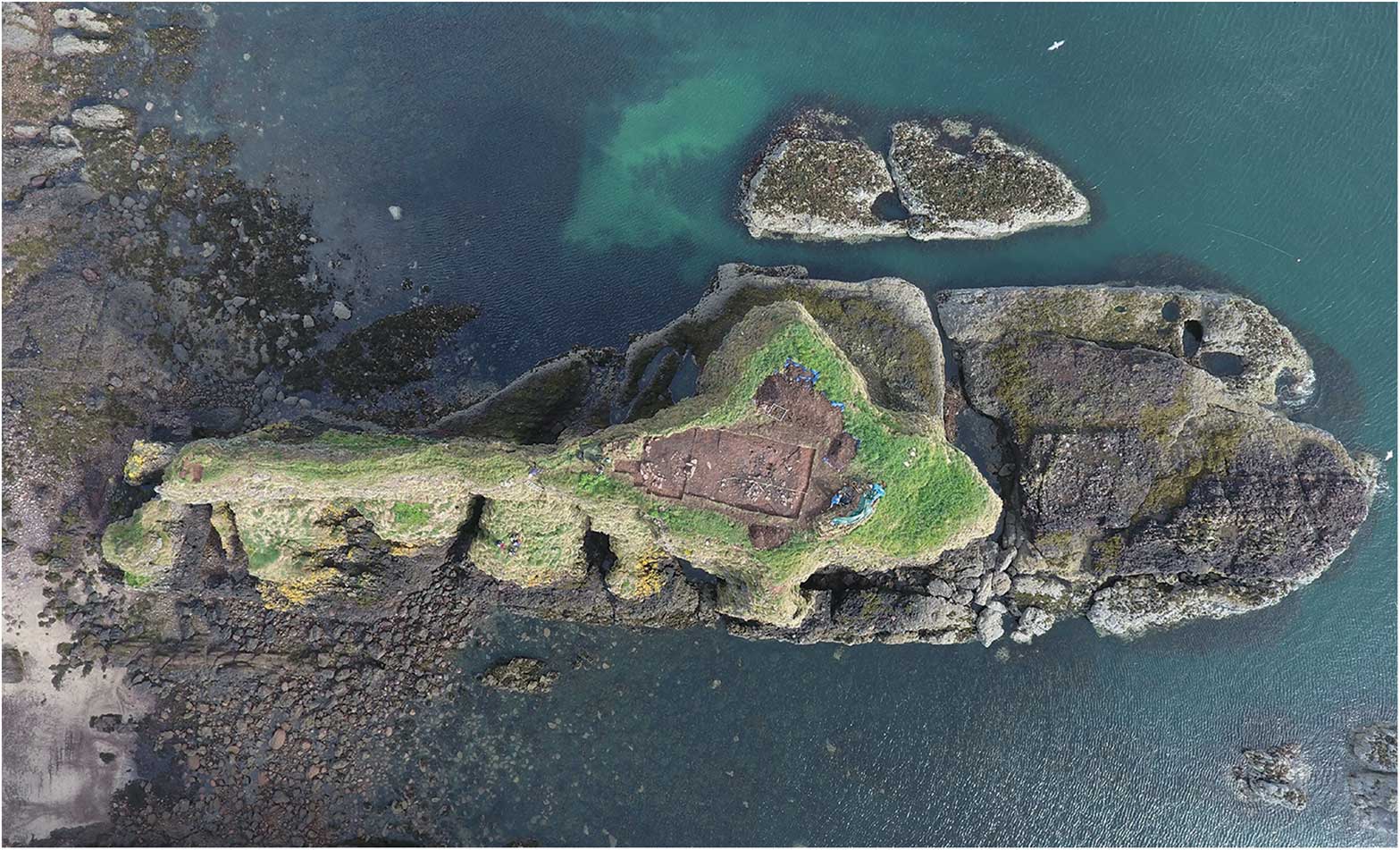
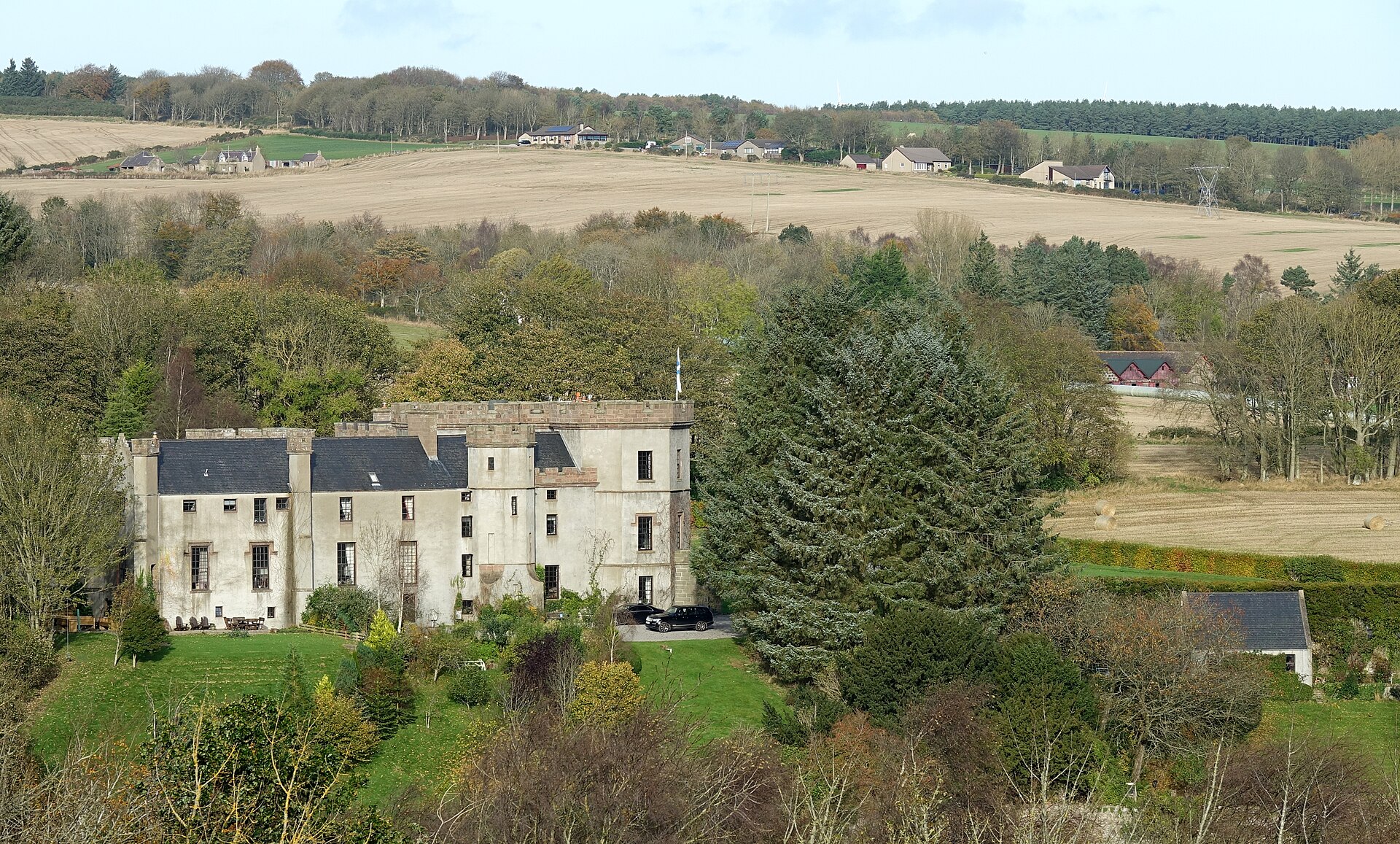
Minor monument · Medieval
Dovecot, Fetteresso Castle
Aberdeenshire
Dovecote with HES-listed pre-1800 evidence (16th century).
Questions people ask
- Who built Dunnottar Castle?
- No single founder is recorded. The surviving buildings were raised in stages by the Keith family, Earls Marischal, mainly from the 14th century; 1980s excavation found no clear evidence of earlier fortification.
- How old is Dunnottar Castle?
- The earliest written mention is a siege of 'Dún Foither' recorded in the Annals of Ulster in 681. The standing keep and palace date mainly from the 14th to 17th centuries.
- Can Dunnottar Castle be visited?
- Yes — it is a paid-entry managed site, reached via a free car park off the A92 near Stonehaven, with a clifftop path and a steep 219-step descent to the entrance.
- Where is Dunnottar Castle?
- On a headland about two miles south of Stonehaven, Aberdeenshire, on Scotland's north-east coast. The location is exact and public, with a car park signposted off the A92.
- What survives at Dunnottar Castle today?
- A 14th-century keep, the gatehouse and tunnel entrance, Benholm's Lodging, the Whigs' Vault cellar, and the ranges of a 16th–17th-century palace around a quadrangle, plus a 13th-century chapel.
Sources
- Canmore site record 36992 (accessed 2026-07-09)
- Trove (HES) record (accessed 2026-07-09)
- Wikipedia: Dunnottar Castle (accessed 2026-07-09)
- Wikidata Q746983 (accessed 2026-07-09)
Explore more: Fortified places · Medieval · Aberdeenshire
The Ancient Codex, in your pocket
Get the Pocket Codex app
Carry the directory with you — Dunnottar Castle and thousands of ancient places across Britain and Ireland, offline, wherever you roam.