
A broad natural platform above the River Tay preserves the plan of a Roman legionary base. Inchtuthil is a Roman legionary fortress, a permanent fortress for a full Roman legion, built as Agricola’s advance headquarters in northern Scotland.
The fortress matters because its plan survived with unusual completeness. Unlike many Roman fortress sites in Britain, Inchtuthil was not later built over, allowing excavations by Sir Ian Richmond to recover the only complete plan of a legionary fortress known anywhere in the Roman empire.
What follows is drawn from published sources, with each claim labelled by how firmly it is established.
The name
A legionary fortress was a large permanent military base designed for a Roman legion and its supporting facilities.
History
Inchtuthil was built in AD 82 or 83 as the advance headquarters for Gnaeus Julius Agricola's campaign against the Caledonian tribes.
It stood on a natural platform overlooking the north bank of the River Tay, southwest of Blairgowrie.
The fortress was occupied by Legion XX Valeria Victrix.
Sir Ian Richmond excavated the site between 1952 and 1965.
The fortress included turf-and-stone defences, gatehouses, a hospital, workshop, barracks and a headquarters building.
The site was probably evacuated around AD 86 or early AD 87, though recent archaeology has raised questions about the exact duration.
A concealed pit found in 1960 contained 875,400 complete iron nails and other ironwork, probably buried to deny the material to local groups.
People
-
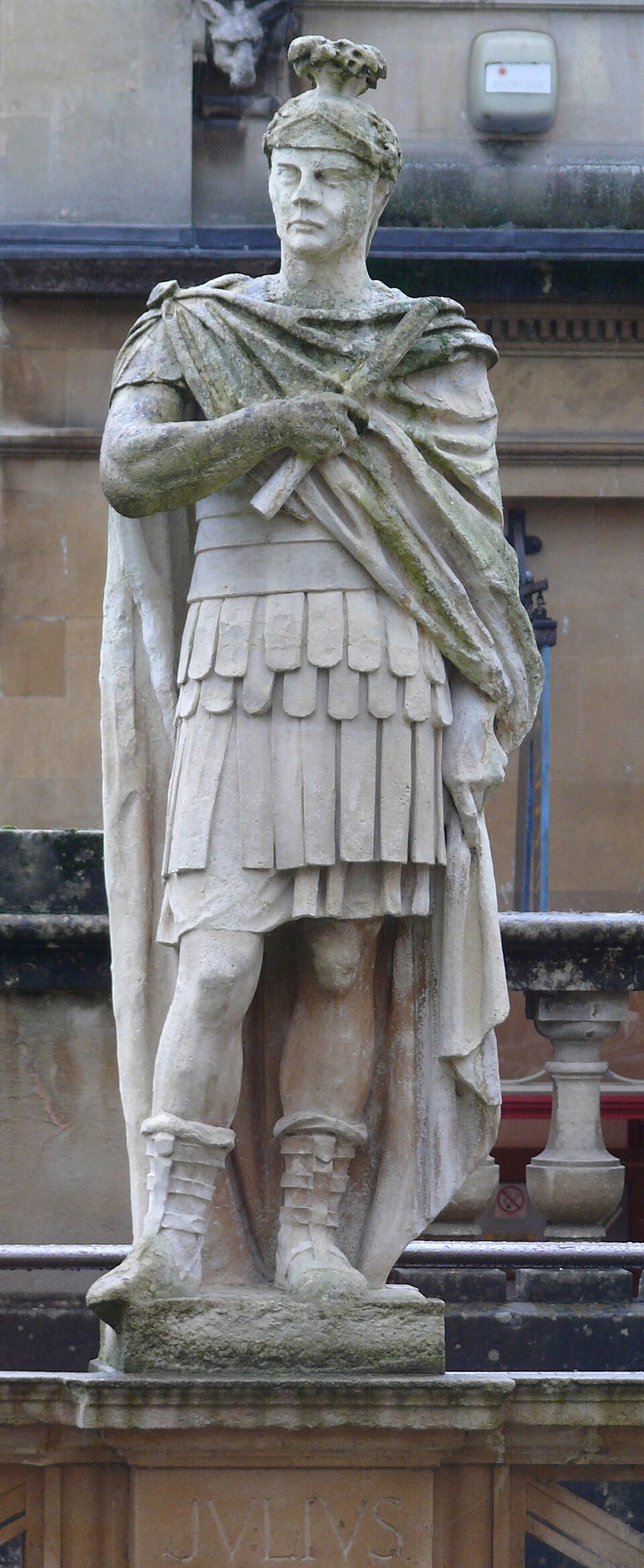
Portrait: Ad Meskens / Wikimedia Commons / CC BY-SA 3.0 Gnaeus Julius Agricola
Roman governor whose northern campaign used Inchtuthil as an advance headquarters.
-
Sir Ian Richmond
Archaeologist who excavated Inchtuthil between 1952 and 1965.
-
Legion XX Valeria Victrix
Roman legion that occupied the fortress.
What to look for
-
Complete fortress plan
The lack of later building over the site allowed an unusually complete Roman fortress plan to survive.
-
Glenblocker system
Glenblocker forts were smaller forts controlling routes through nearby glens, with Inchtuthil acting as the largest base.
-
Hospital and workshop
The fortress contained specialised buildings including a hospital and workshop.
-
Nail hoard
The concealed nail hoard preserved a huge quantity of Roman ironwork from the dismantled fortress.
-
Headquarters building
The central headquarters contained an aedes, the shrine where the legion's standards and emperor images would be kept.
Plan your visit
- Location
- 56.5410°N · 3.4240°W
- Access
- Open access
- Terrain
- Moderate walking
Opening & admission
- Large Roman legionary fortress site on a natural platform above the Tay.
- The source is archaeological rather than visitor-oriented and gives no managed access route.
Nearby places
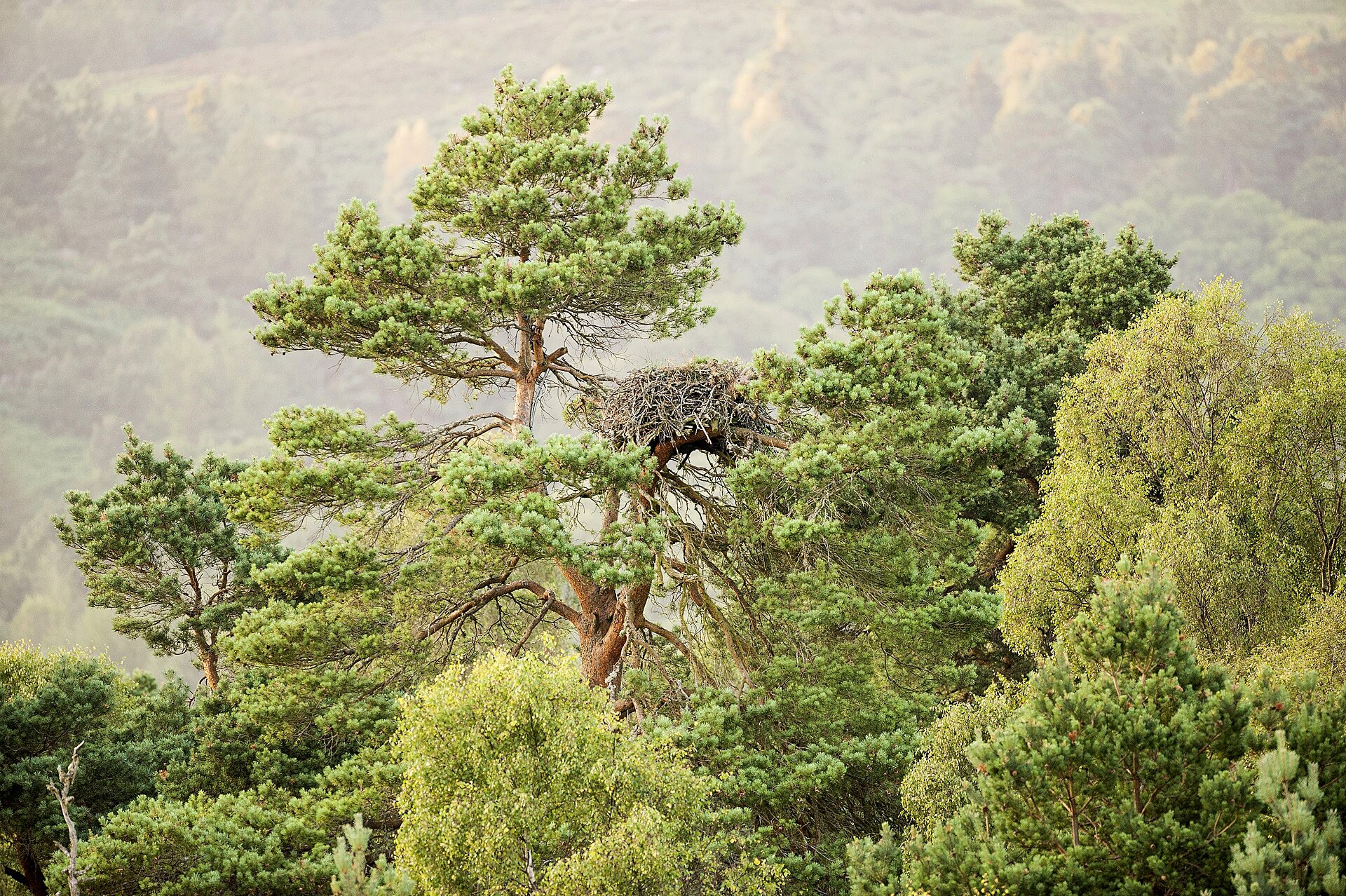
Ancient tree · Medieval
Lady's Tree
Perth and Kinross
A named, long-standing tree carried in local memory as a landmark — included for its place in the landscape, with age and superlative claims held f…
- Near Perth and Kinross
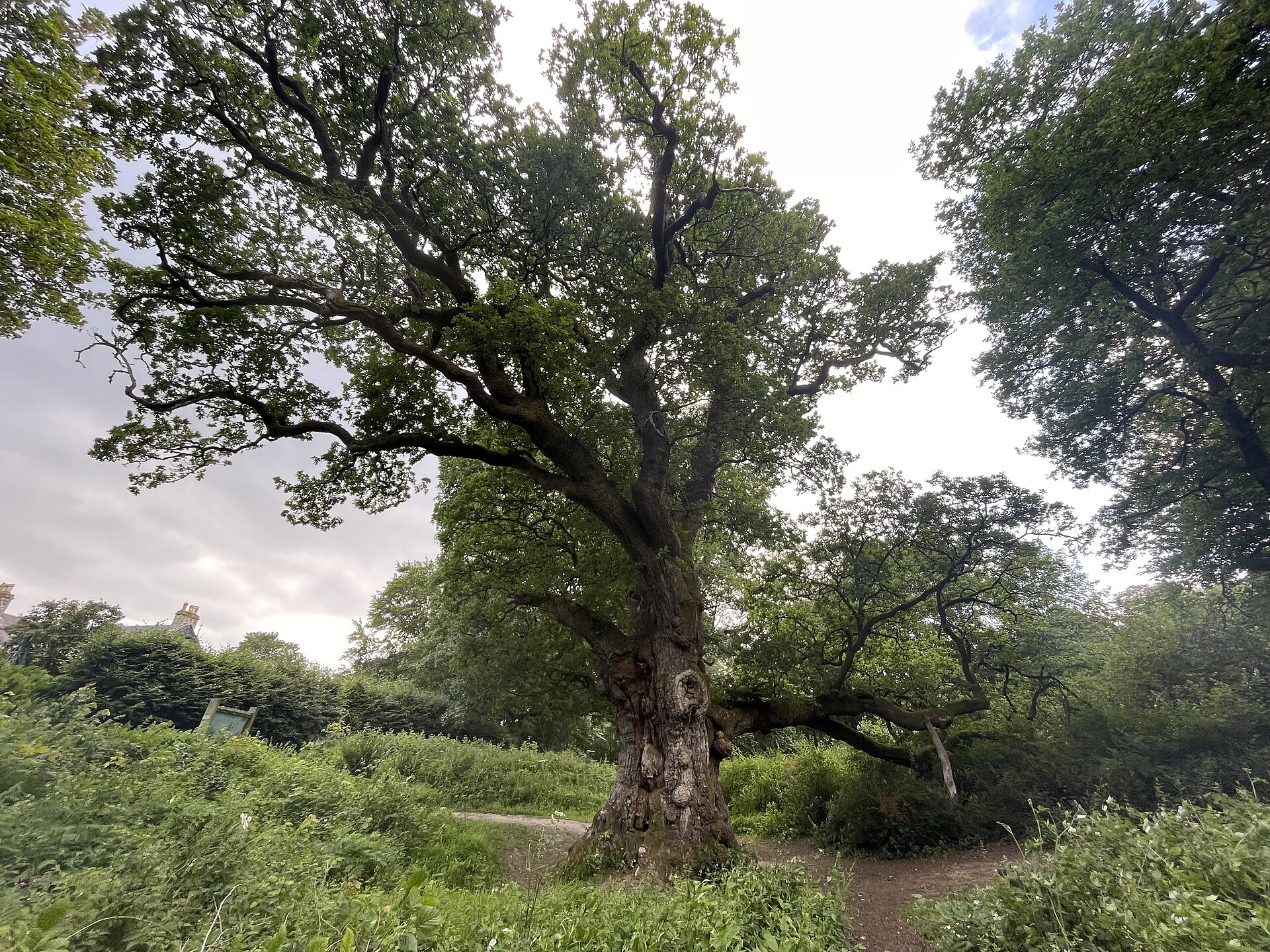
Ancient tree · Medieval
Birnam Oak
Perth and Kinross
A named, long-standing tree carried in local memory as a landmark — included for its place in the landscape, with age and superlative claims held f…
- Near Birnam
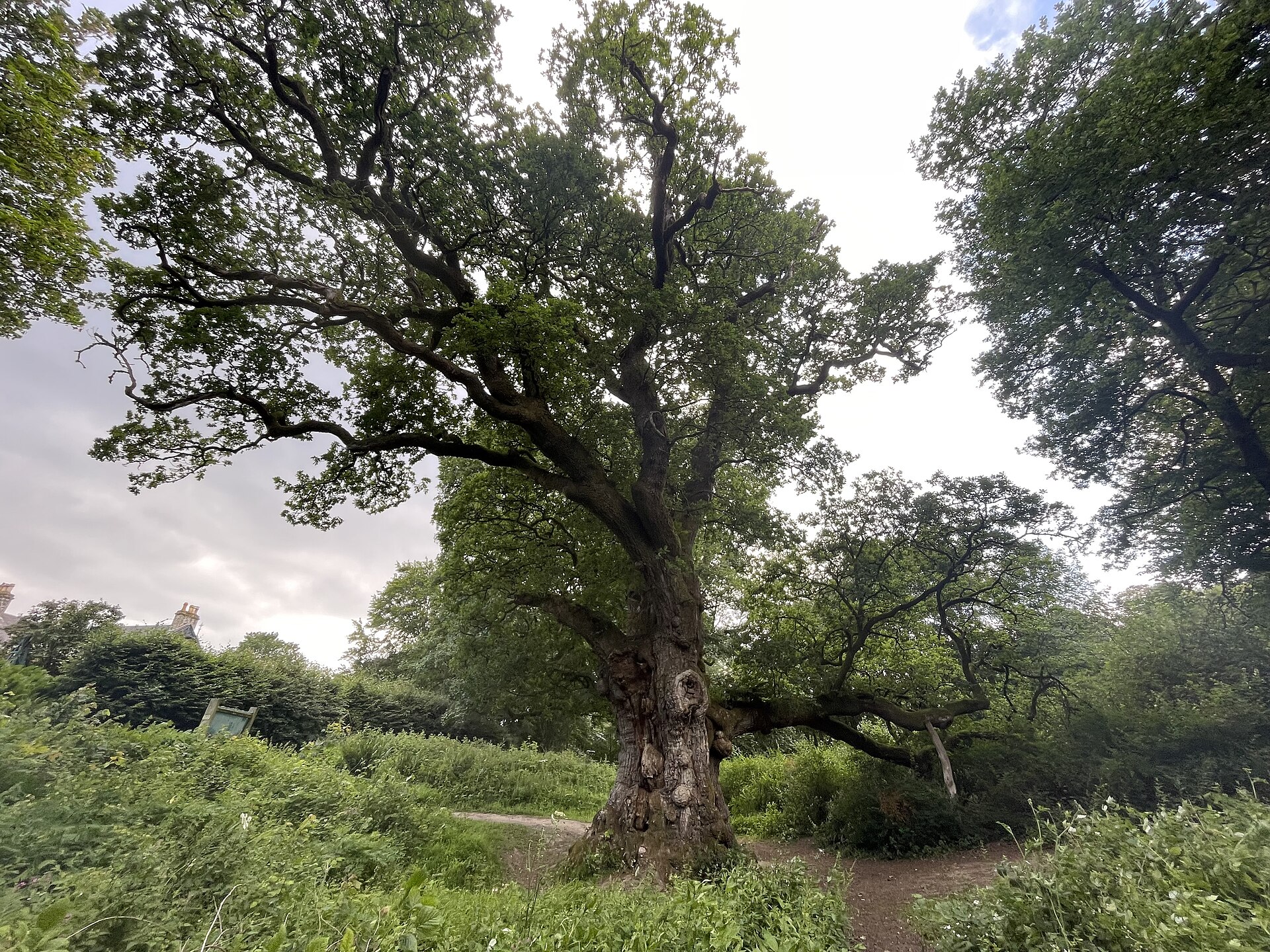
Ancient tree · Medieval
Birnam Sycamore
Perth and Kinross
A named, long-standing tree carried in local memory as a landmark — included for its place in the landscape, with age and superlative claims held f…
- Near Birnam
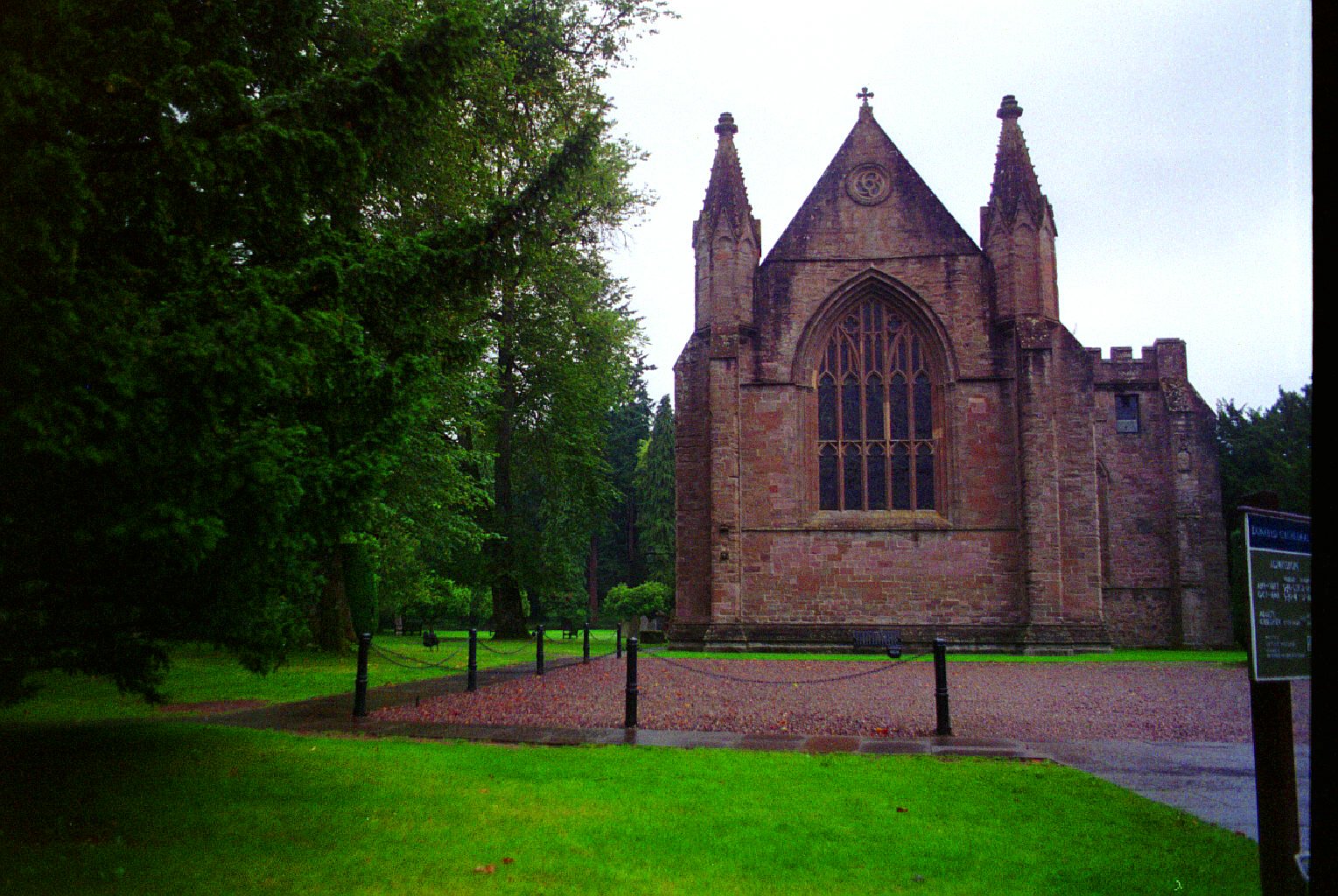
Sacred place · Medieval
Dunkeld Cathedral
Perth and Kinross
For over a thousand years Dunkeld has been a centre of Christian worship in Scotland, and its half-ruined cathedral traces that story from Columban…
Questions people ask
- What is Inchtuthil?
- It is the site of a Roman legionary fortress above the River Tay in Perth and Kinross.
- What is a legionary fortress?
- It is a large permanent Roman military base built to house a full legion and its supporting facilities.
- Why is Inchtuthil's plan important?
- Because the site was not later built over, excavations recovered an unusually complete legionary fortress plan.
- What was the Inchtuthil nail hoard?
- It was a concealed pit containing hundreds of thousands of iron nails and other ironwork, probably buried when the Romans dismantled the fortress.
- Who excavated Inchtuthil?
- Sir Ian Richmond excavated the fortress between 1952 and 1965.
Sources
Explore more: Fortified places · Roman · Perth and Kinross
The Ancient Codex, in your pocket
Get the Pocket Codex app
Carry the directory with you — Inchtuthil and thousands of ancient places across Britain and Ireland, offline, wherever you roam.