
Obvious hillfort ramparts still mark the summit that Shakespeare made famous as Dunsinane. Dunsinane Hill is a late Iron Age hillfort, a defended enclosure on high ground, near Collace in Perthshire.
The hill matters because archaeology, medieval tradition and literary fame overlap without saying the same thing. The fort is much earlier than the 11th-century Macbeth traditions, and the source notes there is no archaeological evidence that Macbeth used it, even though the hill has long been called Macbeth’s Castle.
What follows is drawn from published sources, with each claim labelled by how firmly it is established.
The name
The name Dunsinane is Gaelic in origin and is interpreted in the source as meaning the hill of ants.
History
Dunsinane Hill is a hill of the Sidlaws near the village of Collace.
The summit contains a late Iron Age hillfort with obvious surviving ramparts.
The site was damaged in the 19th century by undocumented amateur excavations by antiquarians drawn by its Shakespearean connection.
Dunsinane is the traditional site of a 1054 battle in which Siward, Earl of Northumbria, defeated Macbeth of Scotland.
The source states that the Iron Age fort has no archaeological evidence for use by Macbeth or anyone in the mid-11th century.
The best access is described as a steep but clearly defined path from near Collace.
People
-
Macbeth of Scotland
Traditionally linked with Dunsinane and made famous through Shakespeare, though not archaeologically tied to the Iron Age fort.
-
Siward, Earl of Northumbria
Traditionally said to have defeated Macbeth at Dunsinane in 1054.
-
William Shakespeare
Made Dunsinane famous in Macbeth through the prophecy about Birnam Wood coming to the hill.
What to look for
-
Summit ramparts
The late Iron Age hillfort ramparts remain obvious on the hill.
-
Wide views
The hill commands broad views across the surrounding countryside.
-
Steep northern path
The source describes a steep but clear summit path from the Collace side.
-
Damaged archaeology
Nineteenth-century unrecorded digging harmed the site and produced little reliable historical information.
What is said
Folklore and tradition, recorded as what is said — not as established fact.
-
Dunsinane is traditionally identified with Macbeth's Castle, although the source says the Iron Age fort has no archaeological evidence for Macbeth's use.
-
It is said that shakespeare's Macbeth makes Dunsinane the hill that can only be threatened when Birnam Wood comes against it.
Plan your visit
- Location
- 56.4704°N · 3.2780°W
- Access
- Open access
- Terrain
- Moderate walking
Opening & admission
- The source describes a steep but clearly defined path from near Collace.
- Small parking area is mentioned but capacity is limited.
Nearby places
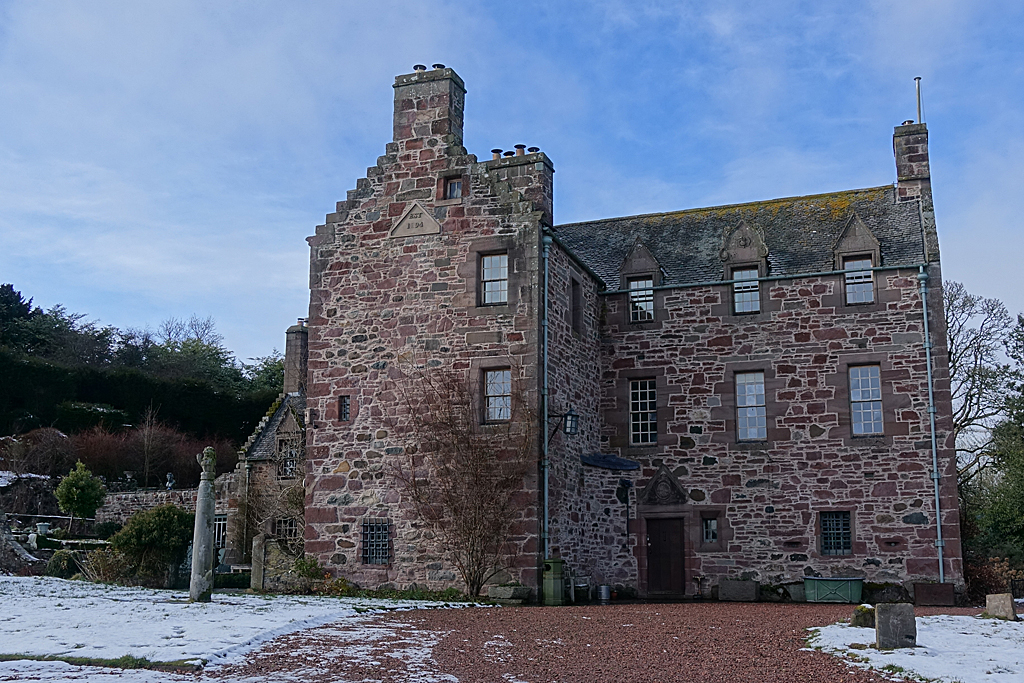
Minor monument · Medieval
Perth Mercat Cross, Fingask Castle
Perth and Kinross
Mercat cross with HES-listed pre-1800 evidence (1153).
- Easy path
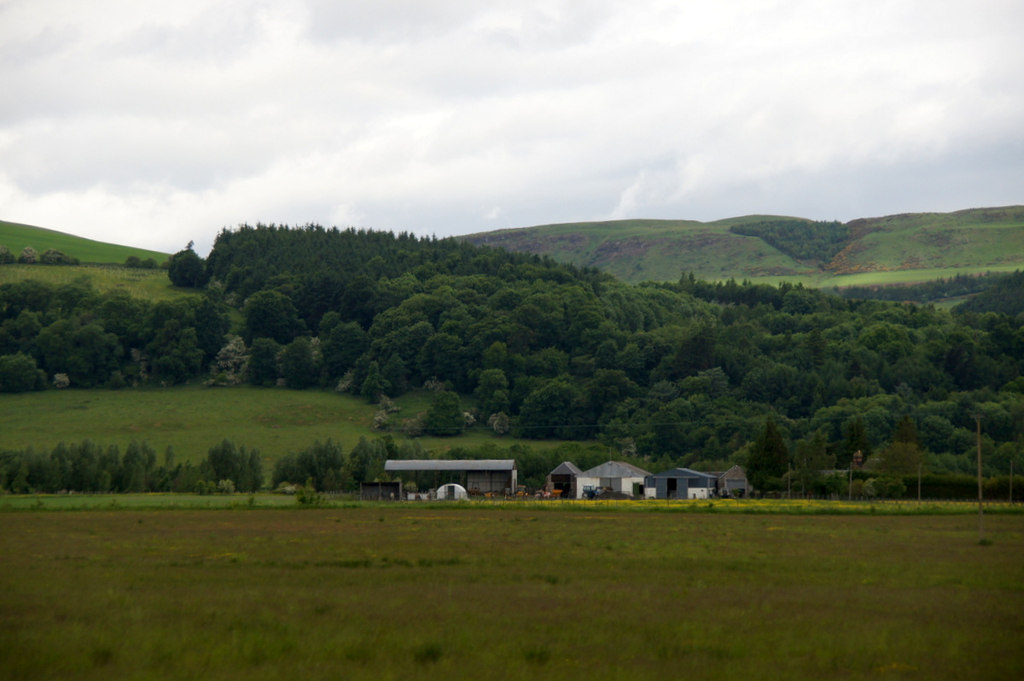
Minor monument · Medieval
Dovecot, Megginch Castle
Perth and Kinross
Dovecote with HES-listed pre-1800 evidence (1783).
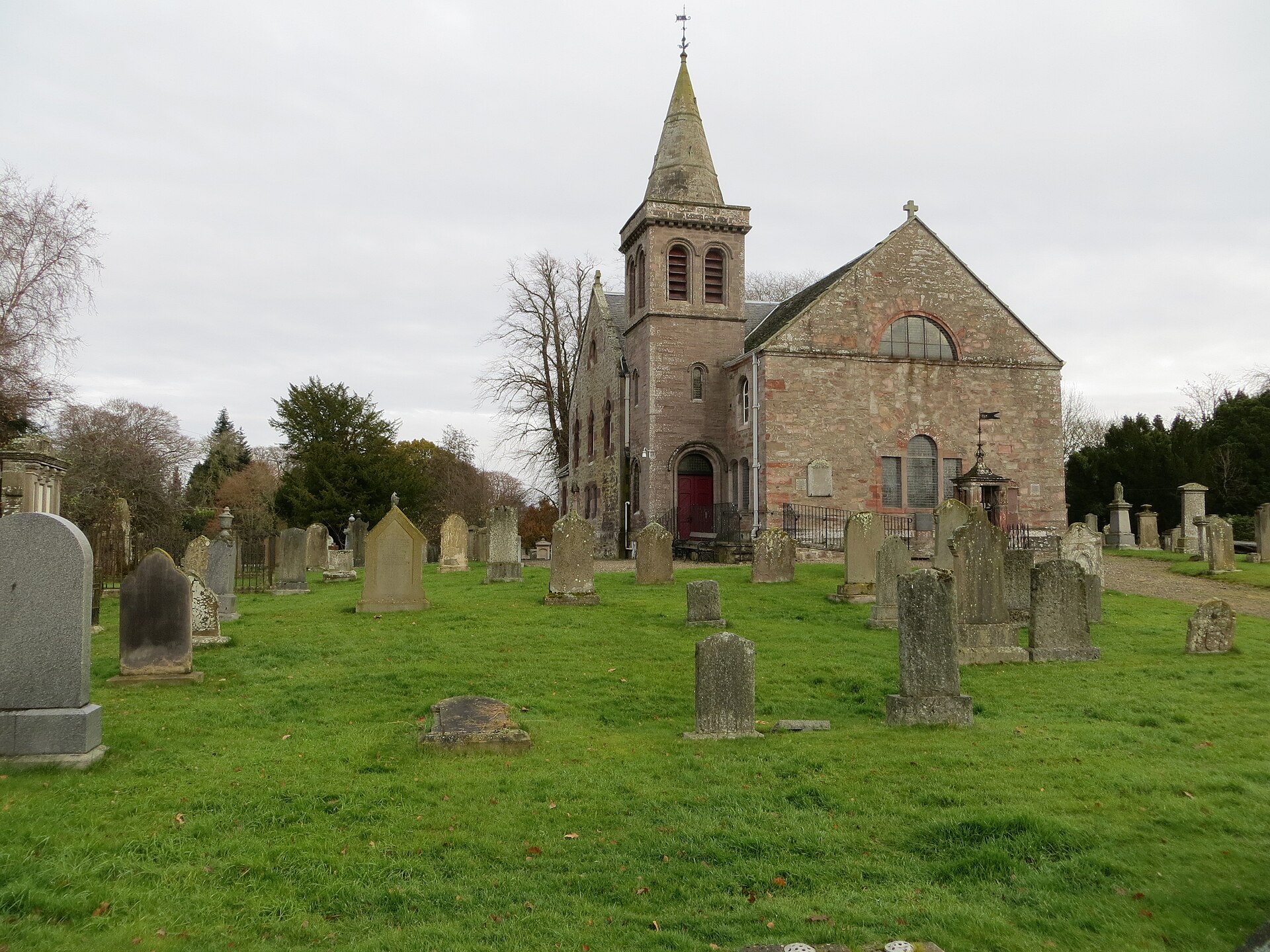
Minor monument · Medieval
Mercat Cross, Kettins
Perth and Kinross
Mercat cross with HES-listed pre-1800 evidence (pre-Reformation).
- Easy path
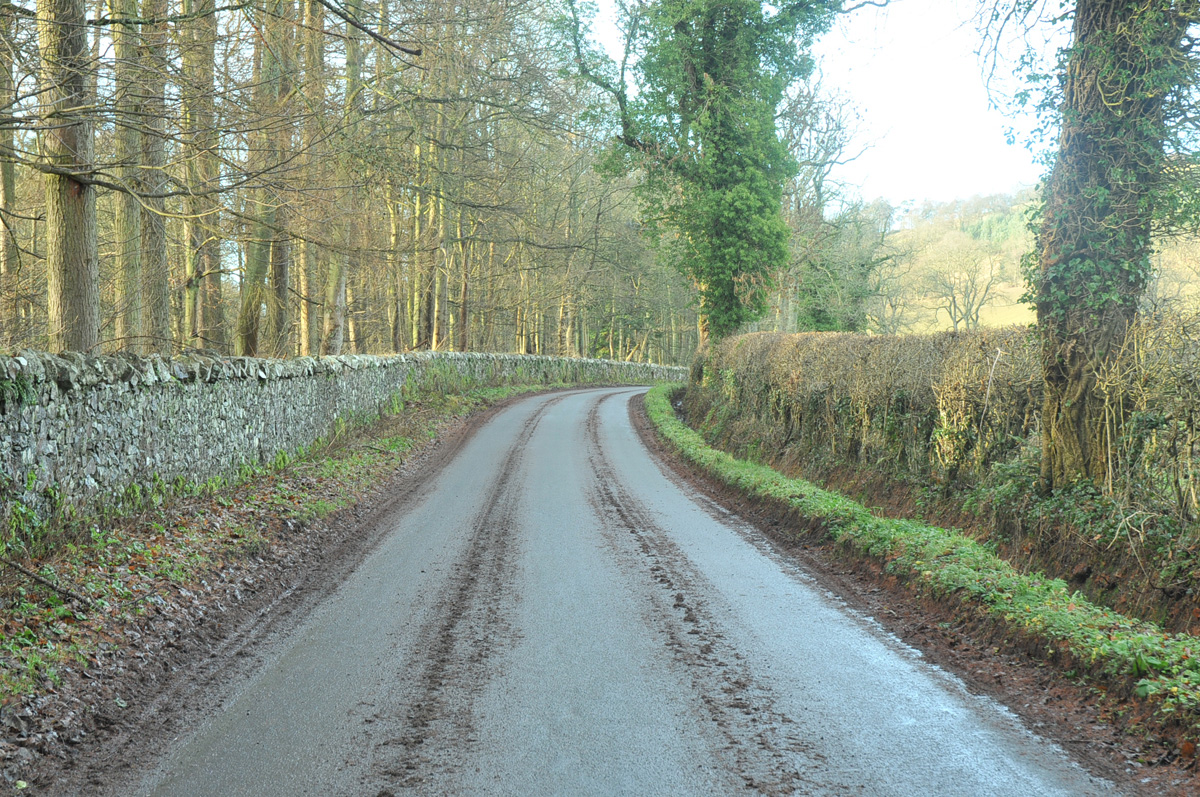
Minor monument · Medieval
Village And Market Cross, Rossie
Perth and Kinross
Mercat cross with HES-listed pre-1800 evidence (1746).
- Easy path
Questions people ask
- What is Dunsinane Hill?
- It is a hill near Collace with a late Iron Age hillfort and a strong Macbeth tradition.
- What is a hillfort?
- A hillfort is a defended enclosure on high ground, usually marked by ramparts, ditches or walls.
- Was Macbeth's castle really there?
- The hillfort has long been called Macbeth's Castle, but the source says there is no archaeological evidence that Macbeth used it.
- What battle is linked with Dunsinane?
- Tradition places a 1054 battle there in which Siward defeated Macbeth of Scotland.
- How do you approach the summit?
- The source describes a steep but clearly defined path from the north near Collace.
Sources
Explore more: Fortified places · Iron Age · Perth and Kinross
The Ancient Codex, in your pocket
Get the Pocket Codex app
Carry the directory with you — Dunsinane Hill and thousands of ancient places across Britain and Ireland, offline, wherever you roam.