
Sand dunes on Westray cover a huge prehistoric settlement and the findspot of Scotland’s earliest known human-faced figurine. Links of Noltland is a late Neolithic and Bronze Age settlement, with buried buildings, fields, middens, old occupation rubbish layers, artefacts, and the Westray Wife.
The site is both rich and vulnerable. Erosion threatens the dunes, but excavation has revealed over thirty buildings, a possible village hall, a Bronze Age sweat-house or sauna, cultivation evidence, pottery, stone axes, worked bone, and four figurines.
What follows is drawn from published sources, with each claim labelled by how firmly it is established.
History
Links of Noltland lies south of the Bay of Grobust on Westray in Orkney. The settlement dates from around 3300 BC to 800 BC.
Historic Environment Scotland scheduled the site in 1993. The site is threatened by erosion of the sand dunes.
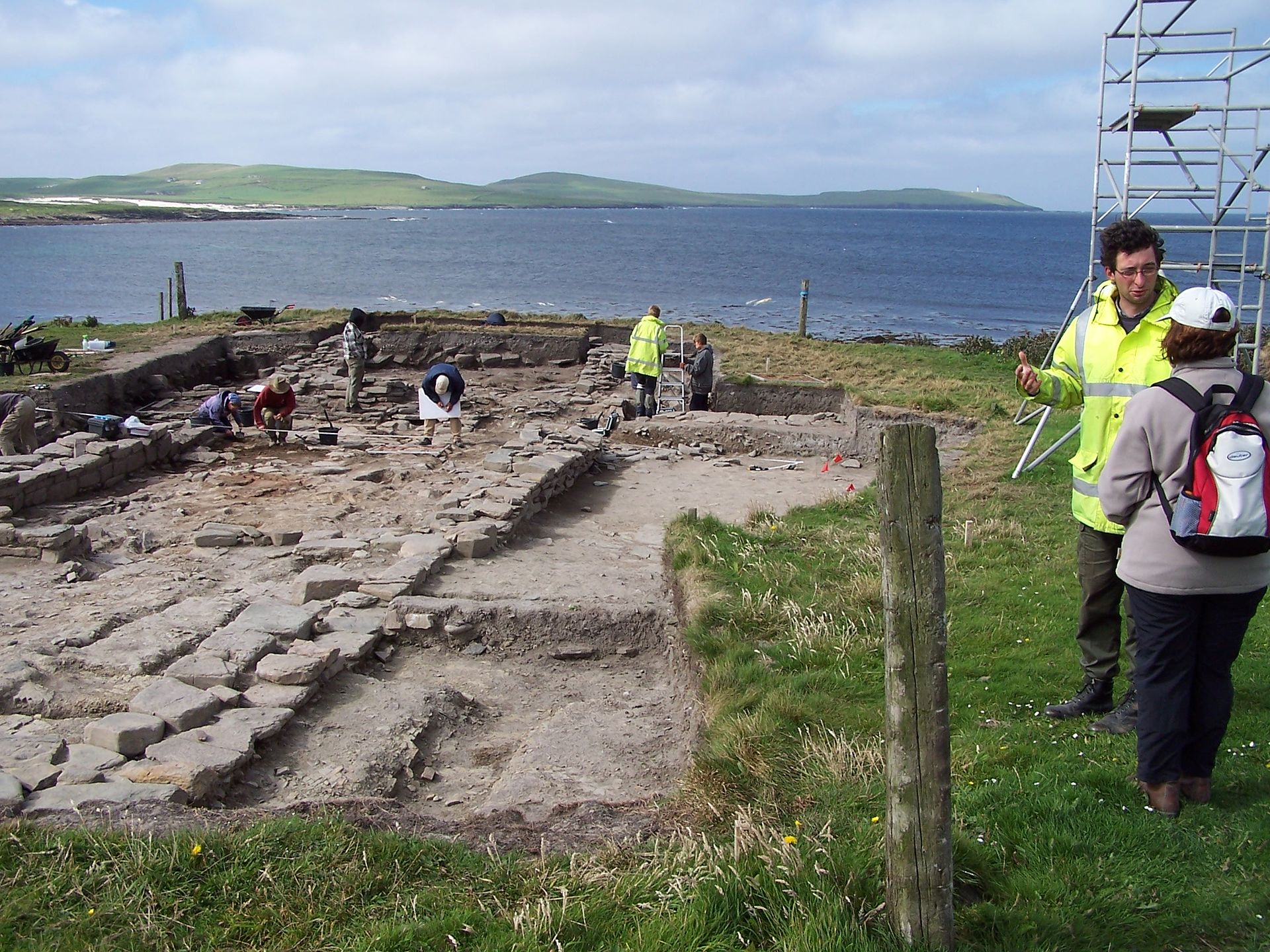
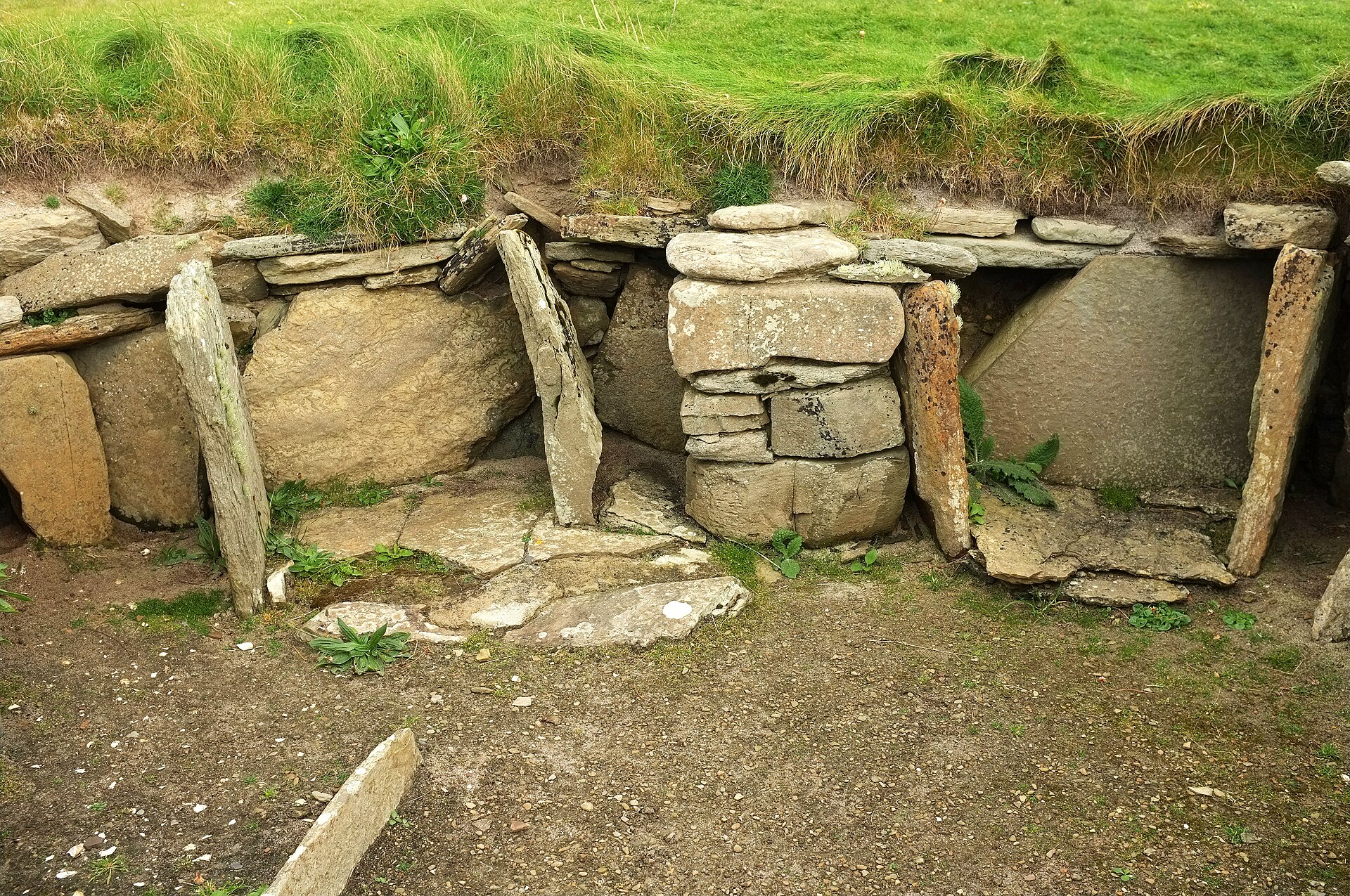
Excavations between 1978 and 1981 found large middens, structures, and field walls showing cultivation and boundaries. The eastern area included a large building preserved to roof height with rooms and compartments linked by passages.
In 2009 excavation uncovered a large building described as a village hall. The Westray Wife, or Orkney Venus, was discovered in 2009 and is described as the earliest representation of a human face found in Scotland and the oldest human carving found in the British Isles.
Further figurines were found in 2010 and 2012, with four figurines known from the site. In 2015 a well-preserved Bronze Age subterranean building was uncovered and interpreted as a sweat-house or sauna.
Later surveys increased the probable number of Neolithic buildings to six and Bronze Age buildings to eight. Finds include polished stone axes, worked bone objects, and grooved ware pottery.
The excavations won Best Rescue Dig in the 2014 Current Archaeology awards. Several figurines and artefacts can be seen at Westray Heritage Centre, and the excavation is open seasonally free of charge.
People
-
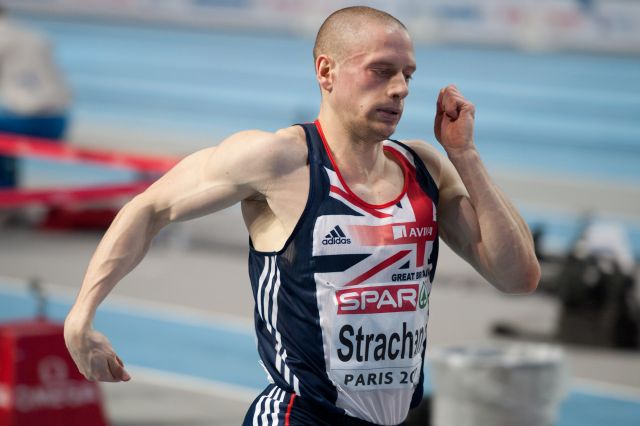
Portrait: Erik van Leeuwen, attribution: Erik van Leeuwen (bron: Wikipedia). / Wikimedia Commons / GFDL Richard Strachan
archaeologist who described the Westray Wife as a find of astonishing rarity.
-
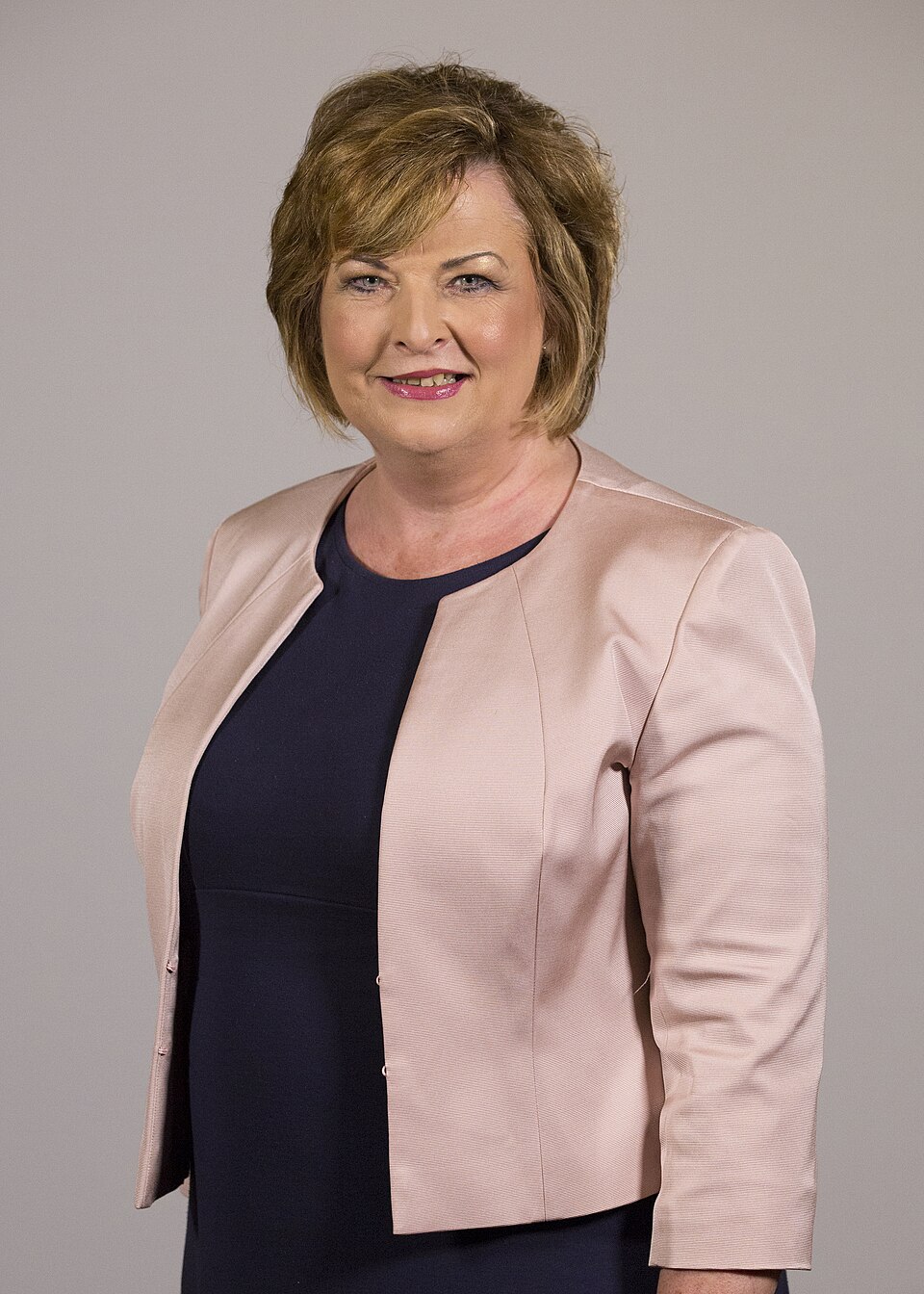
Portrait: Scottish Government / Wikimedia Commons / CC BY 2.0 Fiona Hyslop
Culture Minister who described the later figurine finds as unprecedented.
What to look for
-
Dune landscape
The settlement is buried beneath eroding sand dunes.
-
Village hall evidence
A large building discovered in 2009 overlooked the main settlement.
Plan your visit
- Location
- 59.3261°N · 3.0058°W
- Access
- Open access
- Terrain
- Moderate walking
Opening & admission
The source pack does not provide reliable current admission details; verify before travelling.
- The excavation is open seasonally free of charge, and several artefacts can be seen at Westray Heritage Centre.
Nearby places
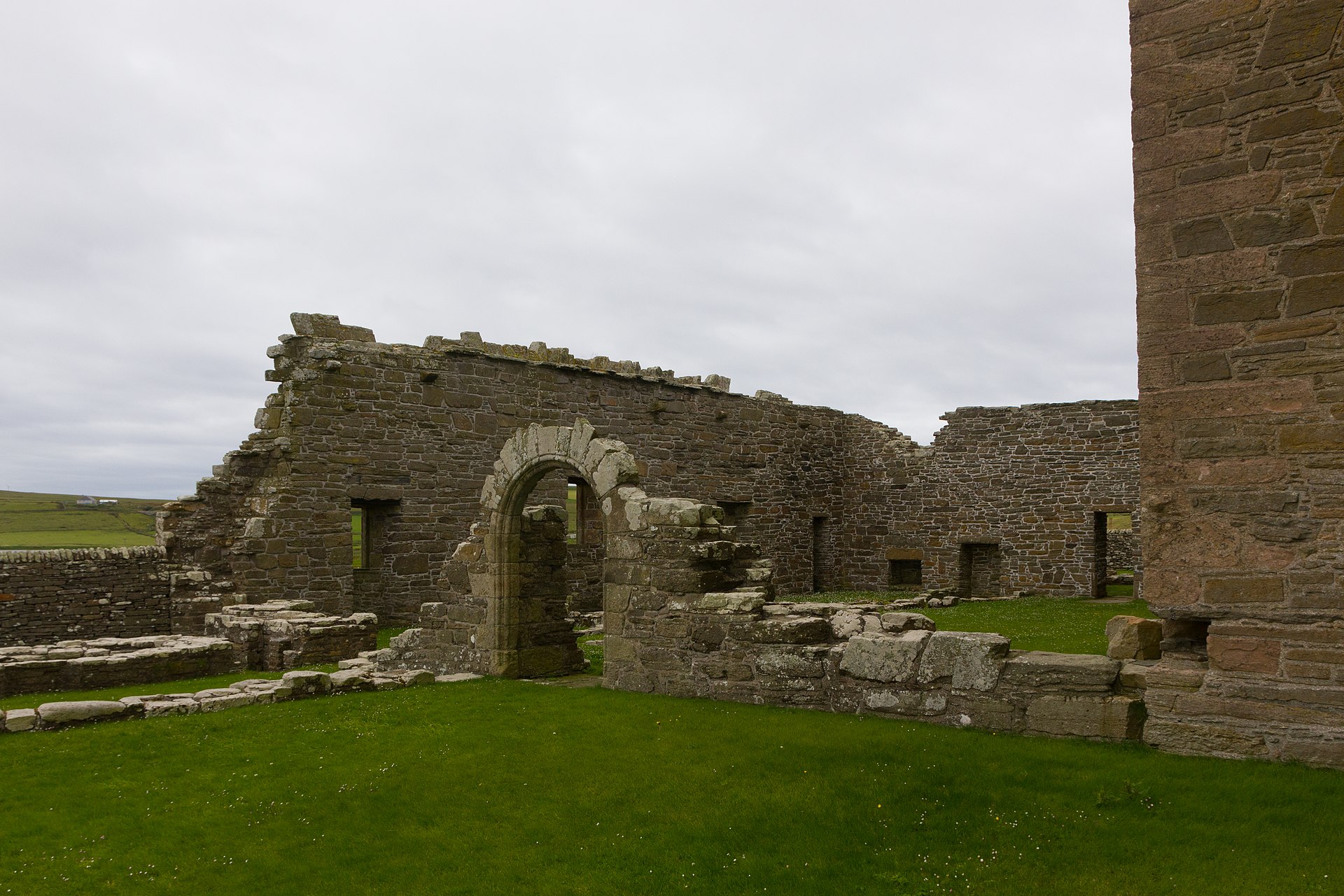
Fortified place · Medieval
Noltland Castle
Orkney Islands
One of Orkney's finest surviving tower houses, a heavily gun-looped Z-plan castle built by a courtier of Mary, Queen of Scots, and left unfinished…
Questions people ask
- What is Links of Noltland?
- It is a large prehistoric settlement on Westray with late Neolithic and Bronze Age remains.
- What is the Westray Wife?
- It is a small figurine found in 2009, described as Scotland’s earliest known human-faced representation.
- Why is the site threatened?
- The settlement is buried in sand dunes that are threatened by erosion.
- Can finds be seen nearby?
- The pack says several figurines and artefacts can be seen at Westray Heritage Centre.
Sources
- Wikipedia article
- Source pack: Links of Noltland
Explore more: Tomb or burial places · Prehistoric · Orkney Islands
The Ancient Codex, in your pocket
Get the Pocket Codex app
Carry the directory with you — Links of Noltland and thousands of ancient places across Britain and Ireland, offline, wherever you roam.