
A carved hunting scene made the Hilton of Cadboll Stone one of the great showpieces of Pictish art. The Hilton of Cadboll Stone is a Pictish cross-slab, an early-medieval upright stone carved with a Christian cross and symbolic scenes, first raised on the Tarbat peninsula.
Its story is unusually dramatic: Reformation defacement, a storm break, removal to a castle garden, transfer to national collections, excavation of the lost base, and a modern copy near the original coastal setting. The stone now links Edinburgh, Balintore and Hilton of Cadboll itself.
What follows is drawn from published sources, with each claim labelled by how firmly it is established.
History
The Hilton of Cadboll Stone was erected on the east coast of the Tarbat peninsula around AD 800.
The cross-face began to be defaced in the late 16th century during the Scottish Reformation.
A storm felled the stone in 1674 and broke off the upper three-quarters.
The Macleods of Cadboll moved the upper portion to Invergordon Castle garden in the late 1860s.
The upper portion was later given to the National Museum of Antiquities of Scotland and is now in the National Museum of Scotland.
Excavations in 1998 and 2001 recovered many carved fragments and the missing lower portion.
A full-scale copy by Barry Grove was erected near the original location after a campaign for return.
Connections
-
Tarbat peninsula
Original cultural and landscape setting.
-
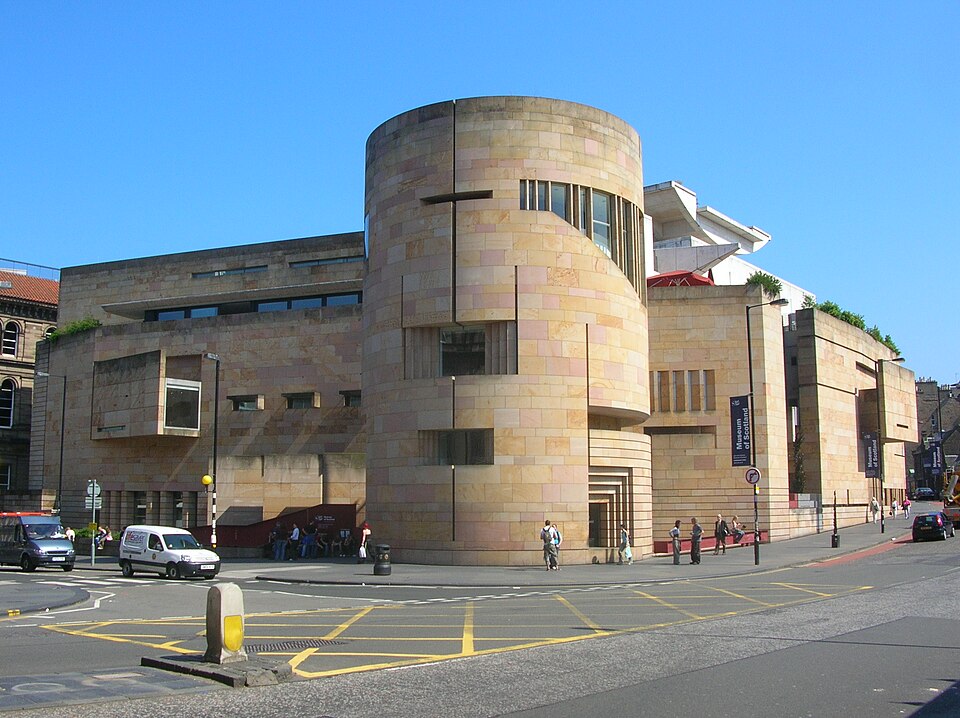
Photo: No machine-readable author provided. Maccoinnich~commonswiki assumed ( / Wikimedia Commons / CC BY-SA 3.0 National Museum of Scotland
Home of the upper original portion.
-
John Ross Visitor Centre
Displays the recovered lower portion in Balintore.
-
Barry Grove
Sculptor of the modern full-scale copy.
What to look for
-
Hunting scene
Back face includes a prominent rider, animals and Pictish symbols.
-
Lost cross-face
Fragments allow partial reconstruction of the damaged Christian face.
-
Modern copy
Shows the monument close to its original coastal setting.
Plan your visit
- Location
- 57.7672°N · 3.8960°W
- Access
- Open access
- Terrain
- Easy going
Opening & admission
- Original portions are in museum/visitor-centre display, with a modern copy near the original location.
Nearby places
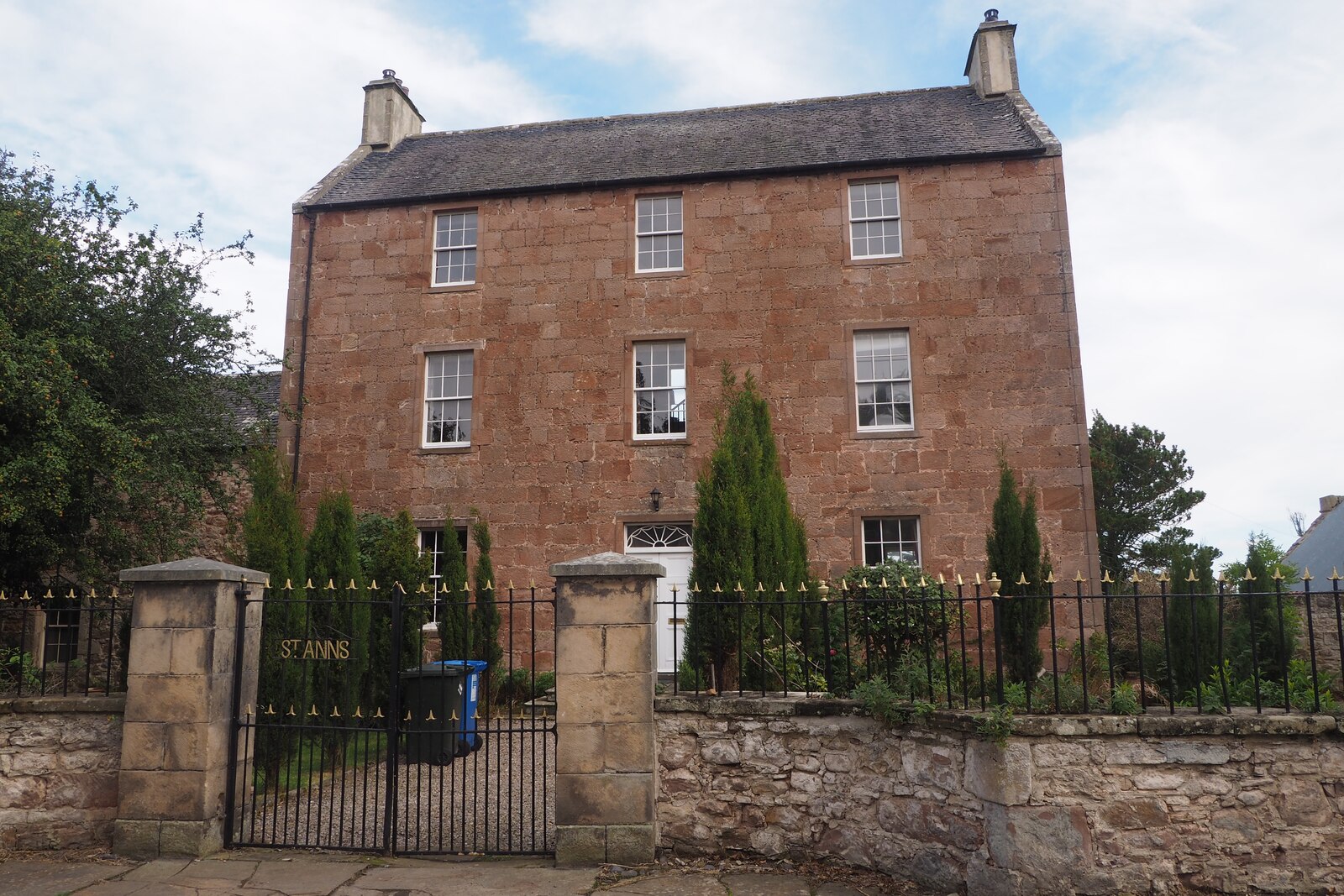
Minor monument · Medieval
Market Cross, Church Street, Cromarty
Highland
Mercat cross with HES-listed pre-1800 evidence (1578).
- Easy path
Questions people ask
- What is the Hilton of Cadboll Stone?
- It is a Pictish cross-slab, an early-medieval carved Christian and symbolic monument.
- Where is the original now?
- The upper original portion is in the National Museum of Scotland, while the recovered lower portion is displayed at Balintore.
- Why is it famous?
- It is one of the most magnificent surviving Pictish cross-slabs, with rich symbolic and figural carving.
- What happened in 1674?
- A storm felled the stone and broke off its upper three-quarters.
Sources
Explore more: Carved stones · Pictish & early medieval · Highland
The Ancient Codex, in your pocket
Get the Pocket Codex app
Carry the directory with you — Hilton of Cadboll Stone and thousands of ancient places across Britain and Ireland, offline, wherever you roam.