
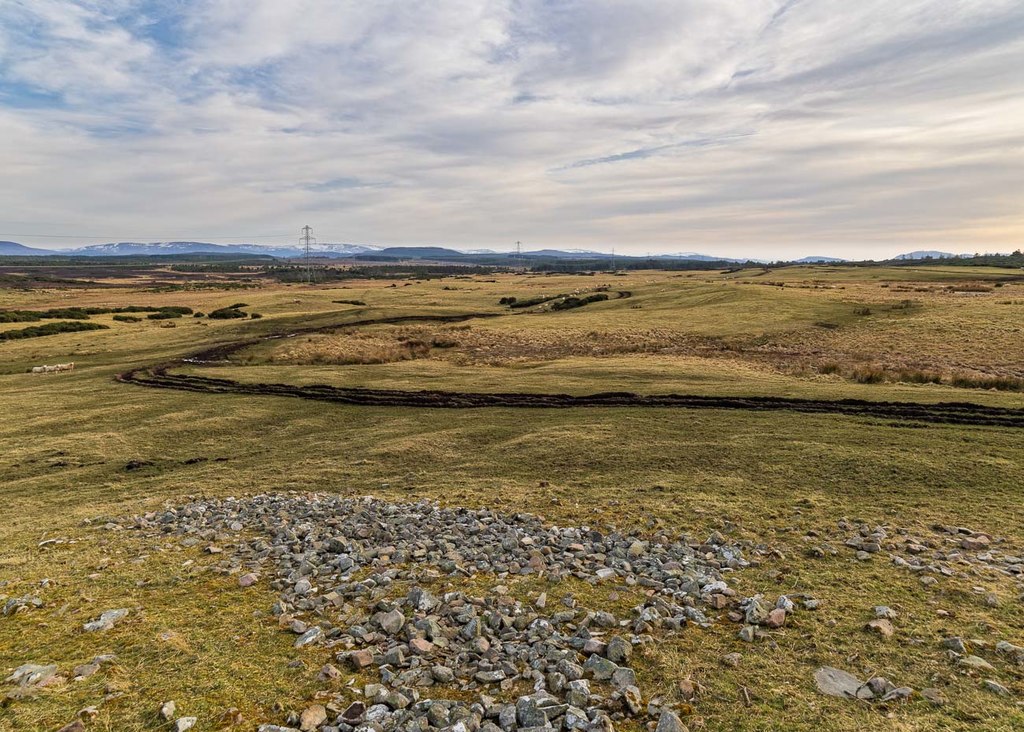
A stone circle rings the cairn at Corrimony, with a narrow passage leading into its chamber. Corrimony is a Bronze Age chambered cairn, a burial mound with a stone-built internal chamber, belonging to the Highland group known as Clava cairns.
Professor Stuart Piggott excavated the site in 1952 and found a crouched burial beneath flagstones in the central chamber. The only artefact recovered was a bone pin, now in the National Museum of Scotland. Historic Environment Scotland scheduled the cairn in 1994.
What follows is drawn from published sources, with each claim labelled by how firmly it is established.
History
Corrimony was built in the Bronze Age as a chambered cairn of the Clava type.
The cairn was constructed with a mound of waterworn stones, a stone kerb, and a surrounding circle of standing stones.
Professor Stuart Piggott excavated the site in 1952.
The excavation found a crouched inhumation burial in the central chamber under a floor of flagstones.
The only artefact recovered was a bone pin, now in the National Museum of Scotland.
Historic Environment Scotland established the site as a scheduled monument in 1994.
People
-
Stuart Piggott
Archaeologist who excavated Corrimony in 1952.
Connections
-
Glen Urquhart
Highland area near the cairn.
-
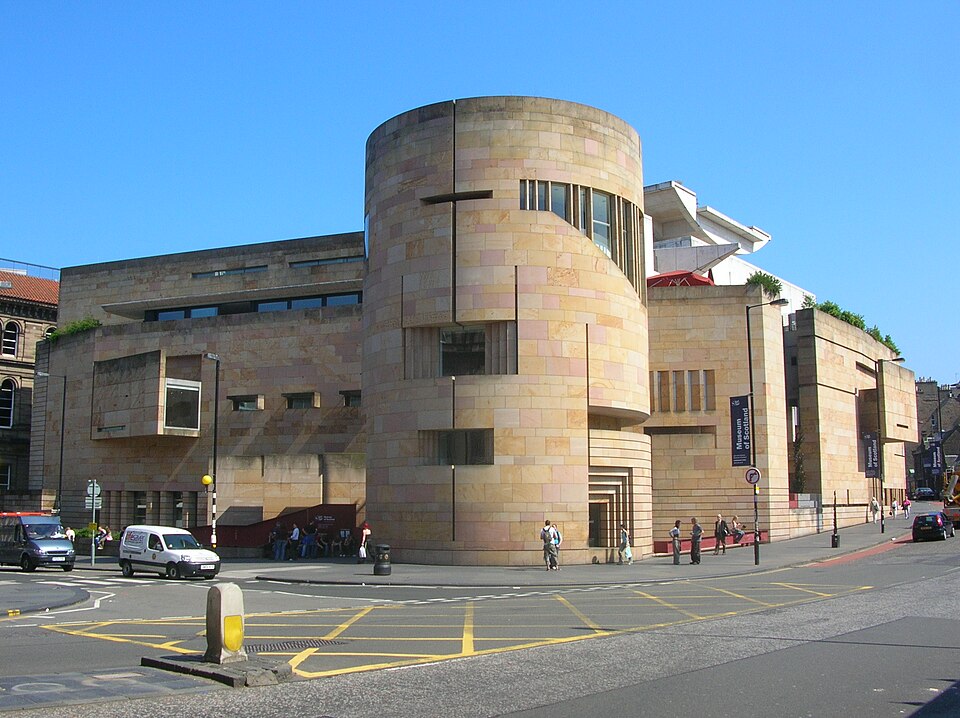
Photo: No machine-readable author provided. Maccoinnich~commonswiki assumed ( / Wikimedia Commons / CC BY-SA 3.0 National Museum of Scotland
Holds the bone pin found in 1952.
-
Clava cairns
Regional monument group to which Corrimony belongs.
What to look for
-
Entrance passage
Narrow passage leading to the central chamber.
-
Central chamber
Built from large vertical boulders and drystone walls.
-
Outer stone circle
Eleven large stones surround the cairn, with some modern additions.
Plan your visit
- Location
- 57.3346°N · 4.6878°W
- Access
- Open access
- Terrain
- Easy going
Opening & admission
- Well-preserved scheduled cairn near Glen Urquhart.
Nearby places
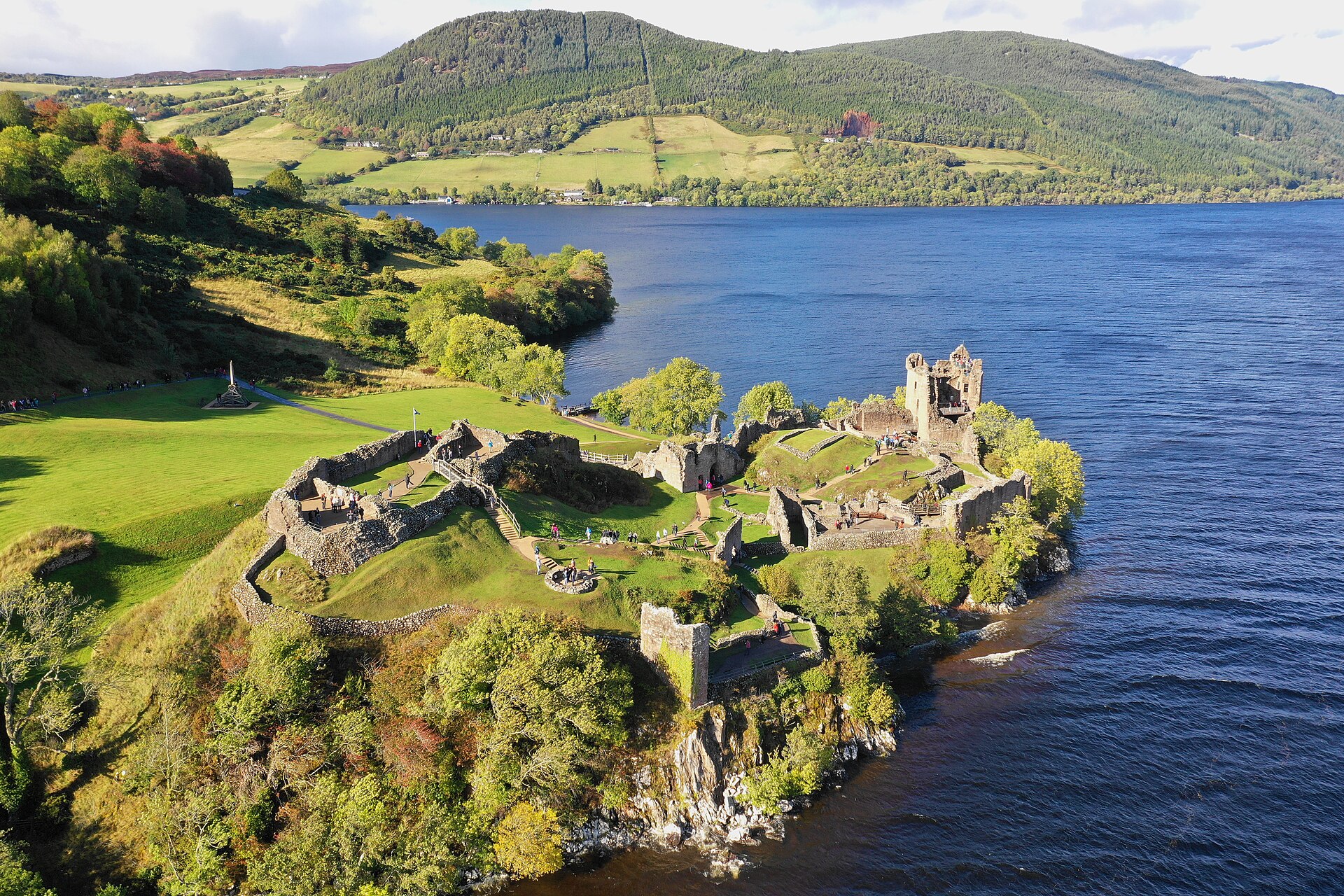
Fortified place · Medieval
Urquhart Castle
Highland
One of Scotland's great medieval strongholds, Urquhart guarded the Great Glen through the Wars of Independence and centuries of Highland conflict b…
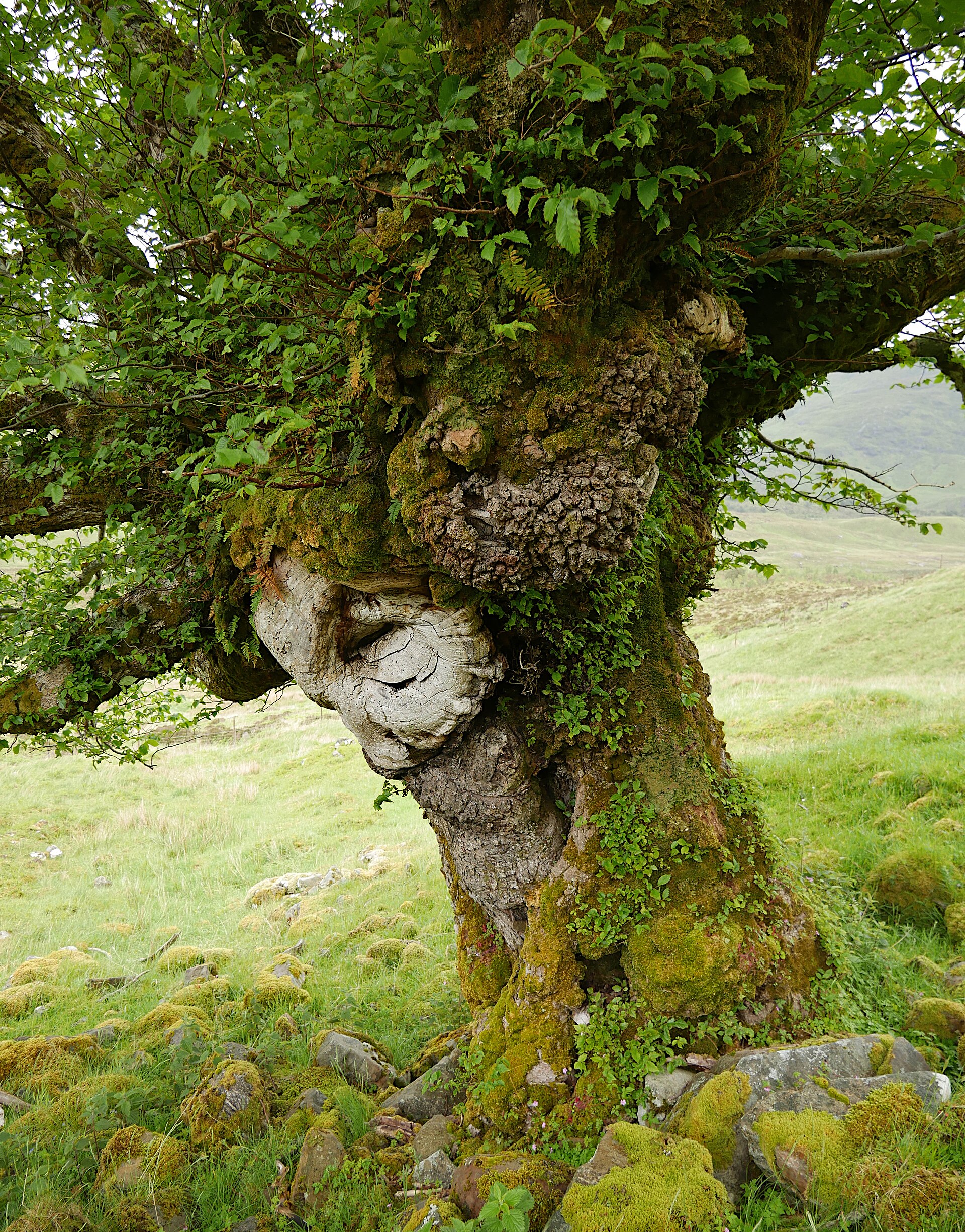
Ancient tree · Medieval
The Last Ent of Affric
Highland
A named, long-standing tree carried in local memory as a landmark — included for its place in the landscape, with age and superlative claims held f…
- Near Highland
Questions people ask
- What is Corrimony chambered cairn?
- It is a Bronze Age burial monument of the Clava cairn group.
- Who excavated it?
- Professor Stuart Piggott excavated the site in 1952.
- What was found?
- A crouched burial and a bone pin were found.
- What is a Clava cairn?
- It is a Highland type of burial cairn with a mound, chamber, and surrounding stones.
Sources
Explore more: Tomb or burial places · Prehistoric · Highland
The Ancient Codex, in your pocket
Get the Pocket Codex app
Carry the directory with you — Corrimony chambered cairn and thousands of ancient places across Britain and Ireland, offline, wherever you roam.