
It is one of Scotland's most storied castles, residence of the bishops of the medieval church capital and a flashpoint of the Reformation, where Cardinal Beaton was murdered and John Knox preached.
St Andrews Castle stands on a rocky promontory above Castle Sands and the North Sea, at the heart of what was once Scotland’s ecclesiastical capital. It was built around 1200 by Bishop Roger de Beaumont and served for centuries as the residence of the bishops and later archbishops of St Andrews, who described it in their charters as their palace. Fought over repeatedly during the Wars of Scottish Independence, it was destroyed and rebuilt several times before Bishop Walter Trail reconstructed it around 1400, establishing much of the layout seen today. The castle is bound up with the Scottish Reformation. In 1546 Protestant conspirators murdered Cardinal David Beaton here and hung his body from a window. The reformers then held the castle through a long siege, during which attackers drove a mine through the rock and the defenders answered with a countermine; both tunnels survive and can still be entered. John Knox served as preacher to the garrison before its surrender in 1547. Beneath the north-west tower lies the notorious bottle dungeon, a bottle-shaped pit hewn from solid bedrock. Today the castle is a ruin cared for by Historic Environment Scotland, with a visitor centre interpreting its history.
What follows is drawn from published sources, with each claim labelled by how firmly it is established.
What to look for
-
The mine and countermine tunnels from the 1546–47 siege, cut through solid rock and still accessible to visitors
-
The bottle dungeon, a bottle-shaped pit carved from bedrock beneath the north-west tower
-
The clifftop setting on a rocky promontory above Castle Sands and the North Sea
-
Ruined remains of the castle rebuilt around 1400 by Bishop Walter Trail
-
The visitor centre run by Historic Environment Scotland, interpreting the castle's Reformation history
Plan your visit
- Location
- General area near Fife, Fife
This is a sensitive or fragile site, so we show only its general area. Please check official heritage sources for access before visiting, and take care not to disturb it.
Nearby places
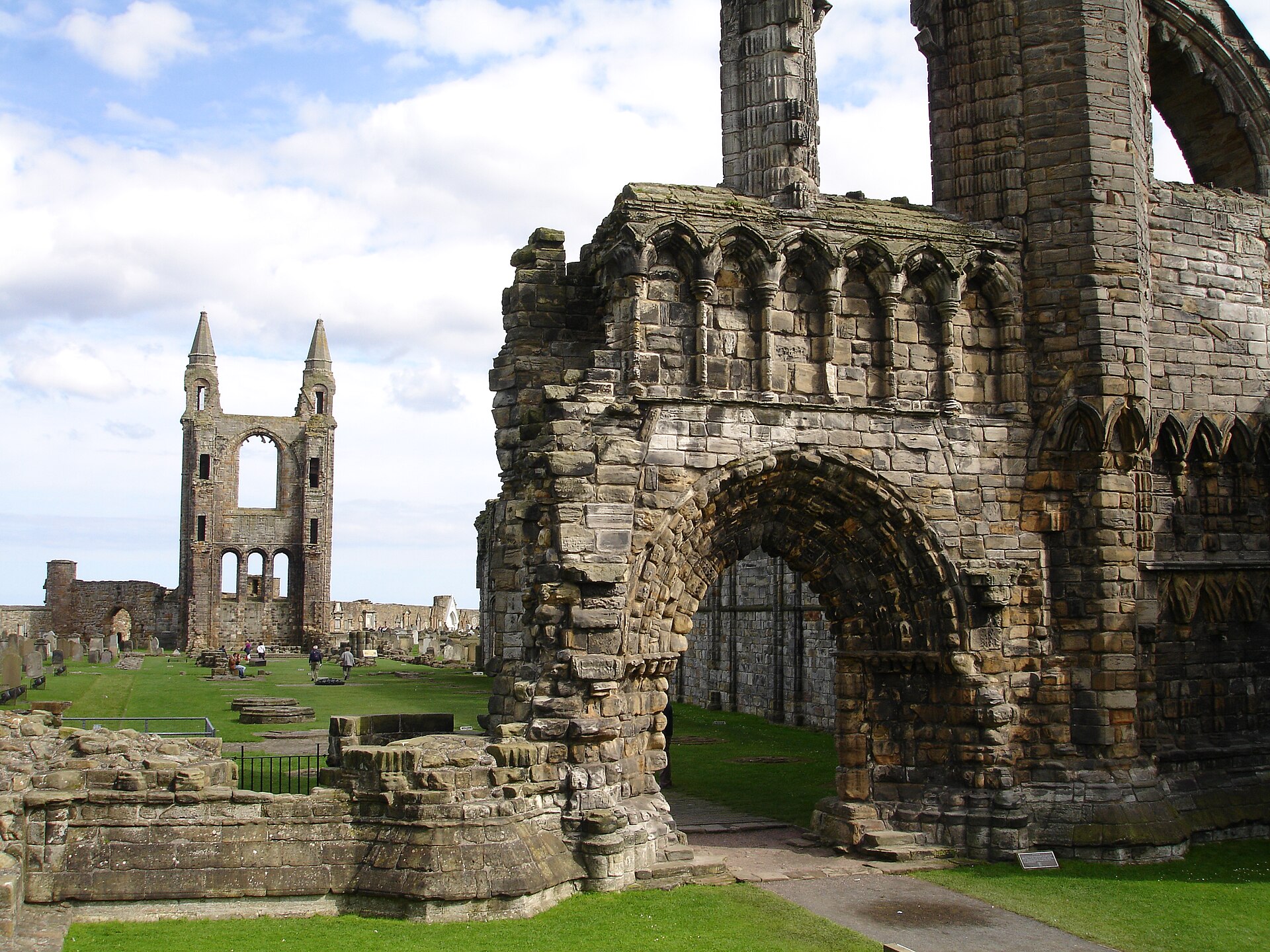
Building or ruin · Pictish & early medieval
St Andrews Cathedral
Fife
The Cathedral of St Andrew was founded in 1158 to provide more accommodation than the older church of St Regulus (St Rule) afforded, and became the…
- Near St Andrews
- 6 min walk from car park
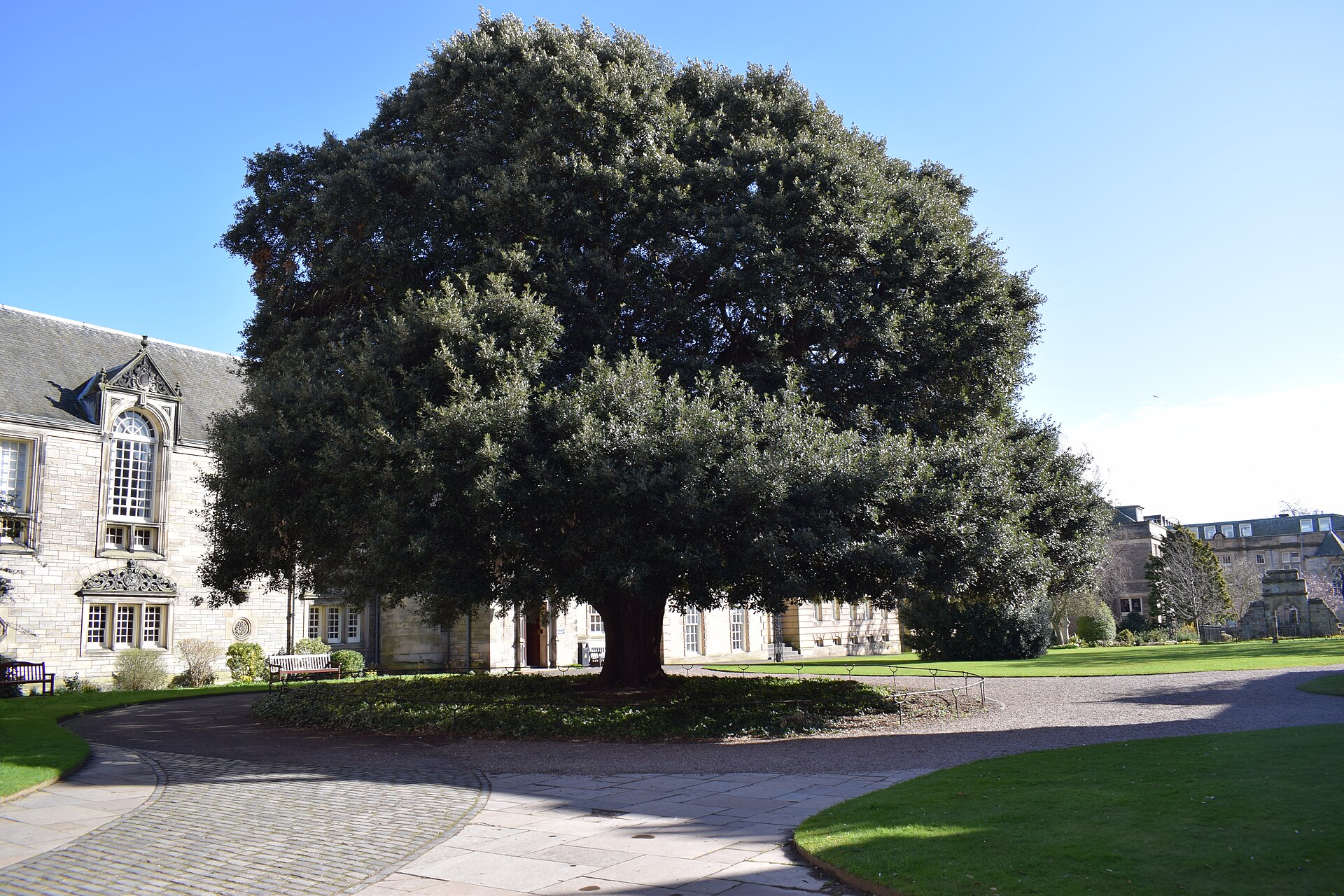
Ancient tree · Medieval
Queen Mary's Thorn
Fife
A named, long-standing tree carried in local memory as a landmark — included for its place in the landscape, with age and superlative claims held f…
- Near Fife
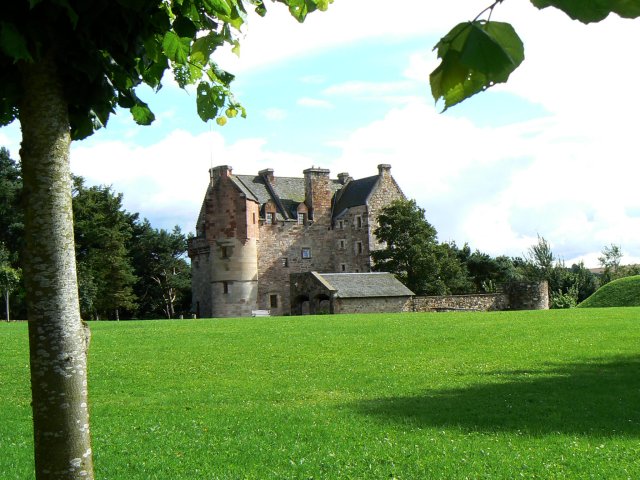
Fortified place · Medieval
Dairsie Castle
Fife
A stronghold of the bishops of St Andrews that hosted a medieval Scottish parliament and sheltered the young James VI, later rebuilt from ruin.
The Ancient Codex, in your pocket
Get the Pocket Codex app
Carry the directory with you — St Andrews Castle and thousands of ancient places across Britain and Ireland, offline, wherever you roam.