
It preserves a rare occupied medieval tower house whose grounds still bear the trace of a 1549 Franco-Scottish fort thrown up during the Rough Wooing.
Luffness Castle stands near Aberlady Bay in East Lothian, on lands held by the Lindsay family after a twelfth-century marriage brought them the estate. The Lindsays raised a castle here in the thirteenth century, and one of their line, Sir David Lindsay, High Chamberlain of Scotland, died on crusade in 1256; a Carmelite friary rose nearby in 1293. The site lay in the path of England’s medieval campaigns — Edward I occupied it in 1311, and in 1547 an English force under Edward Clinton sacked the castle. Two years later, during the war of the Rough Wooing, French and Scottish troops under Paul de Thermes threw up a fort here to cut the English supply route to their garrison at Haddington. Once the threat passed, the fort was demolished in 1552 on the orders of Mary of Guise, though the house itself was spared. The lands then passed through the Hepburn Earls of Bothwell and the Durham family before reaching the Hope Earls of Hopetoun in 1739. The surviving tower house rises three storeys to an attic in a T-plan, its turnpike stair thought to date from the original thirteenth-century building. Still occupied and maintained by the Hope family, Luffness remains a lived-in fortress rather than a ruin.
What follows is drawn from published sources, with each claim labelled by how firmly it is established.
What to look for
-
A T-plan tower house of three storeys and an attic, still roofed and lived in rather than left as a ruin
-
A turnpike (spiral) stair believed to survive from the original thirteenth-century castle
-
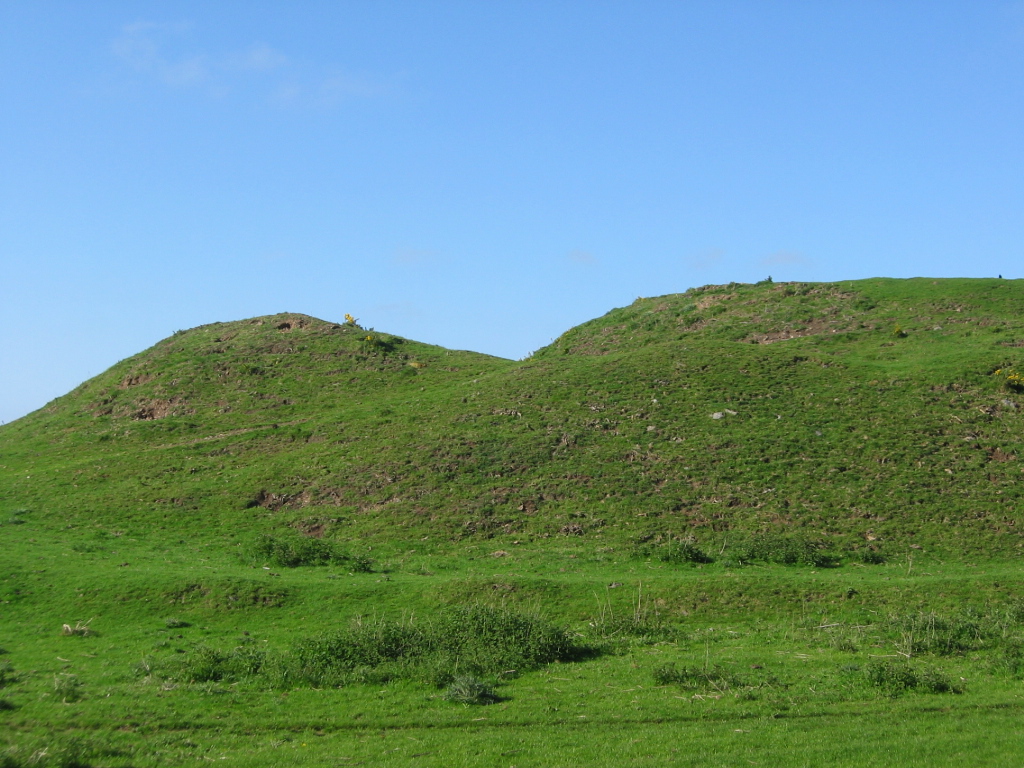
A partly infilled ditch thought to remain from the French-built fort of 1549
-
The setting near Aberlady Bay, with the site of the 1293 Carmelite friary close by
Plan your visit
- Location
- General area near East Lothian, East Lothian
This is a sensitive or fragile site, so we show only its general area. Please check official heritage sources for access before visiting, and take care not to disturb it.
Nearby places
Building or ruin · Medieval
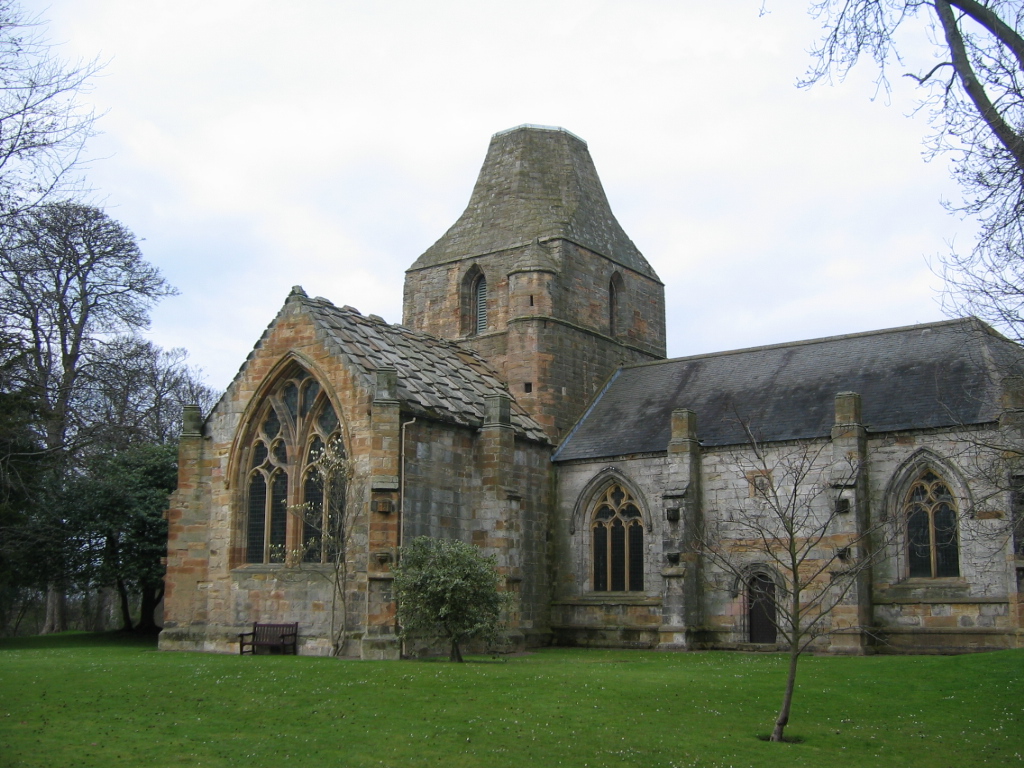
Seton Collegiate Church
East Lothian
A rare and unusually intact survival of a Scottish collegiate church, its choir and transepts left frozen mid-construction by the Reformation and s…
Ancient tree · Medieval
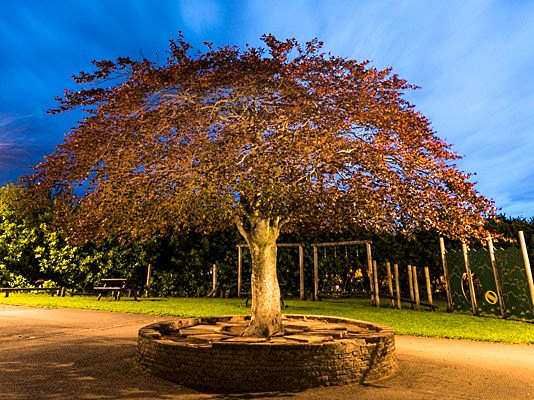
Ding Dong tree
East Lothian
A named, long-standing tree carried in local memory as a landmark — included for its place in the landscape, with age and superlative claims held f…
- Near East Lothian
The Ancient Codex, in your pocket
Get the Pocket Codex app
Carry the directory with you — Luffness Castle and thousands of ancient places across Britain and Ireland, offline, wherever you roam.