
One of Scotland's most fought-over border fortresses, defended by Black Agnes against an English siege and later tied to the downfall of Mary, Queen of Scots.
Dunbar Castle stands in ruin above the harbour on Scotland’s south-east coast, its red-stone remnants clinging to a rocky point where the land meets the North Sea. A stronghold was first raised here around 1070 by Gospatric, Earl of Northumbria, who had fled England and received East Lothian lands from Malcolm III. Its position near the border made it one of the most contested fortresses in the country. In 1338 it withstood a long English siege led by the Earl of Salisbury, held throughout by Agnes Randolph — remembered as Black Agnes of Dunbar — until Sir Alexander Ramsay broke through with relief. James IV restored the castle in 1497, employing the mason Walter Merlioun to finish its gatehouse. It later became entangled in the life of Mary, Queen of Scots, who visited several times and was brought here by the Earl of Bothwell in April 1567, shortly before the Battle of Carberry Hill. That association proved fatal to the castle: in December 1567 the Scottish Parliament ordered it demolished, and within a year its stone was being carried off to build the quay at Leith.
What follows is drawn from published sources, with each claim labelled by how firmly it is established.
What to look for
-
Red-stone ruins perched on a rocky outcrop directly above Dunbar harbour
-
Remains of gun-ports, or arrow-holes, cut into the walls for artillery defence
-
Traces of the detached citadel that stood on its own high rock, once linked to the main castle by a masonry passage
-
The gatehouse completed for James IV by the mason Walter Merlioun
Plan your visit
- Location
- 56.0060°N · 2.5157°W
Nearby places
Fortified place · Medieval
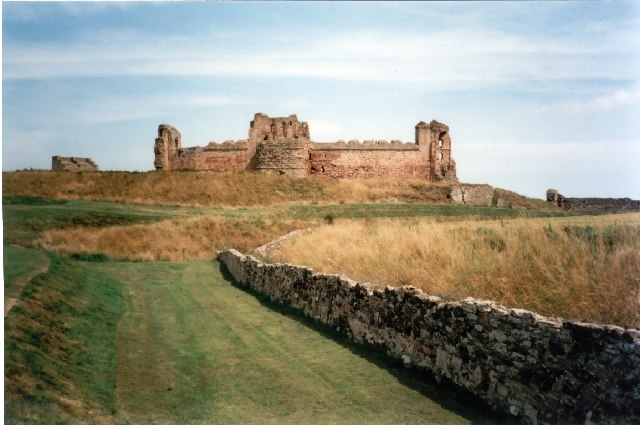
Tantallon Castle
East Lothian
It is the last of Scotland's great medieval curtain-wall castles, a red-sandstone stronghold of the powerful Douglas earls that endured repeated si…
Settlement · Prehistoric
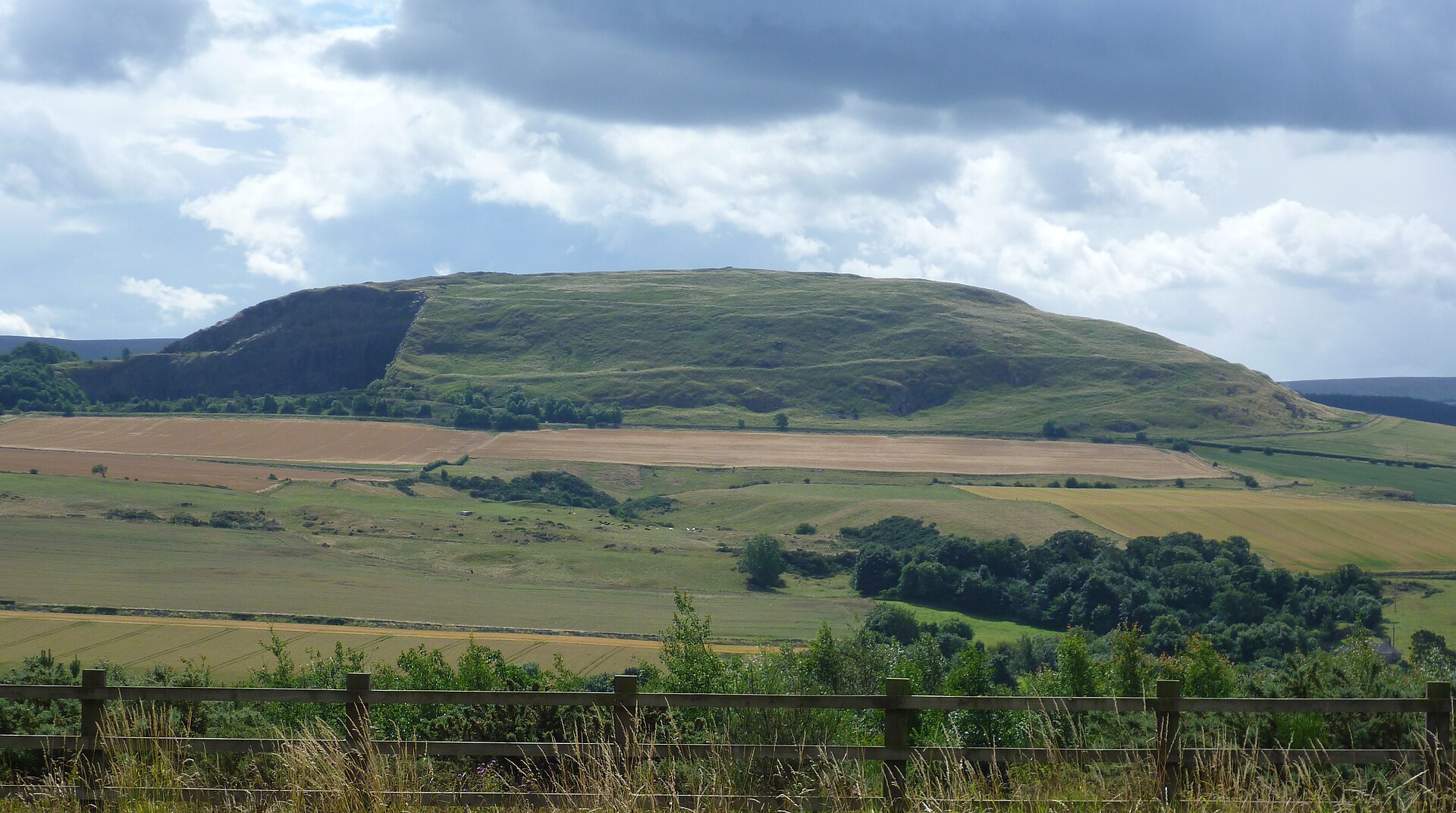
Traprain Law
East Lothian
The hill was already a place of burial by around 1500 BC and shows evidence of occupation and ramparts after 1000 BC; the ramparts were rebuilt and…
- Near East Linton
- 25 min walk from car park
- Some walking
The Ancient Codex, in your pocket
Get the Pocket Codex app
Carry the directory with you — Dunbar Castle and thousands of ancient places across Britain and Ireland, offline, wherever you roam.