
The Ruthwell Cross is a stone Anglo-Saxon cross probably dating from the 8th century, when Ruthwell — now in Scotland — was part of the Anglo-Saxon Kingdom of Northumbria. It stands 18 feet (5.5 m)…
Ruthwell Cross is a carved stone near Ruthwell, Dumfries and Galloway, Scotland.
What follows is drawn from published sources, with each claim labelled by how firmly it is established.
History
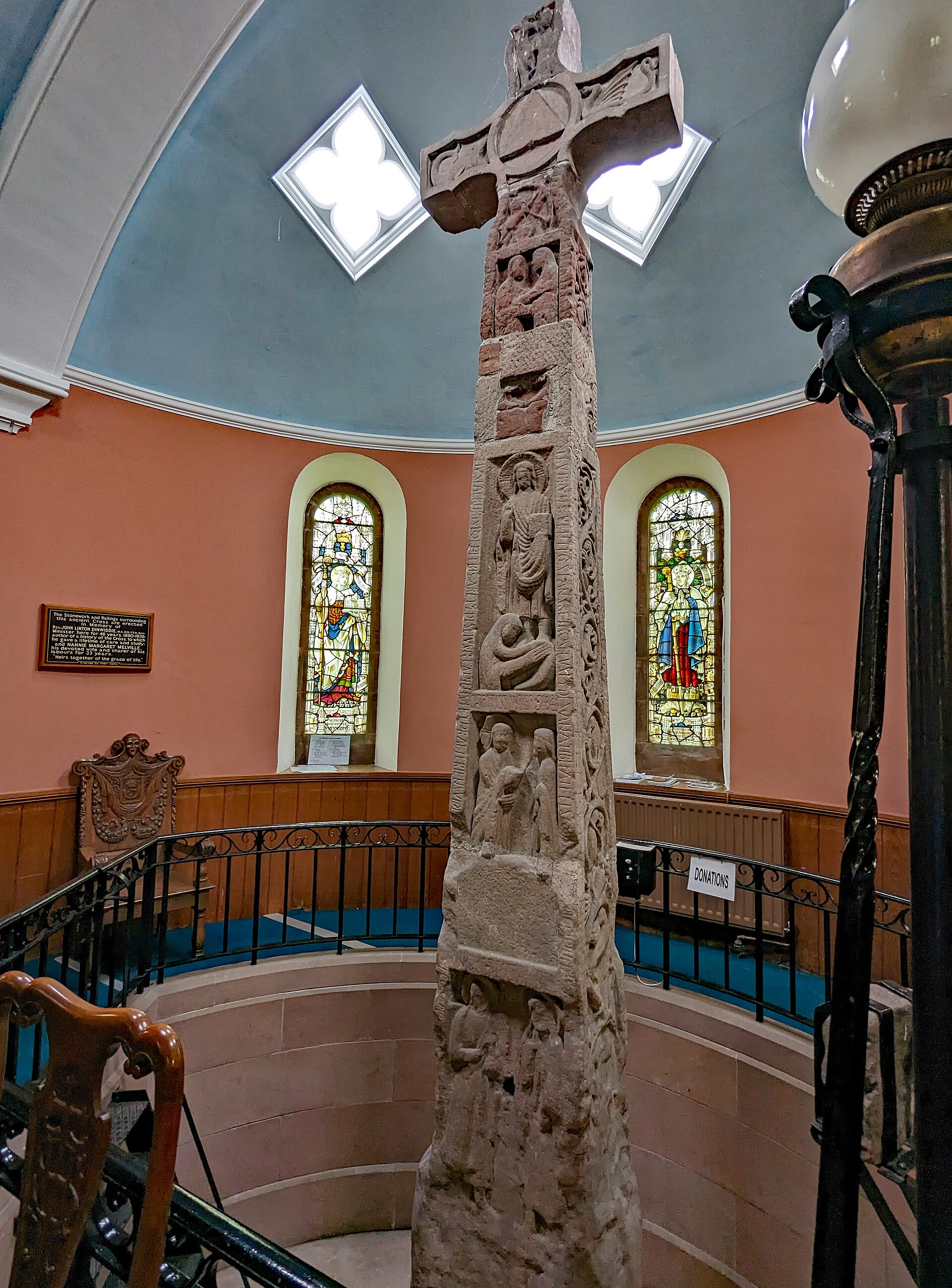
The Ruthwell Cross is a stone Anglo-Saxon cross probably dating from the 8th century, when Ruthwell — now in Scotland — was part of the Anglo-Saxon Kingdom of Northumbria. It stands 18 feet (5.5 m) high.
During the Reformation the cross was condemned as idolatrous: the General Assembly of the Church of Scotland ordered such monuments destroyed in 1640, and in 1642 an Act 'anent the Idolatrous Monuments in Ruthwell' led to the cross being taken down and broken up by Presbyterian iconoclasts. One piece is said to have been used as a bench.
By 1823 Henry Duncan had collected the surviving pieces, commissioned a new crossbeam (the original being lost) and re-erected the cross in the manse garden. In 1887 it was moved into its current location inside Ruthwell church, where a specially built apse holds it.
It was designated a scheduled monument in 1921; this designation was removed in 2018 because the cross sits in a controlled, safe indoor environment. In 2012 the Visionary Cross project performed 3D scans of the monument.
People
-
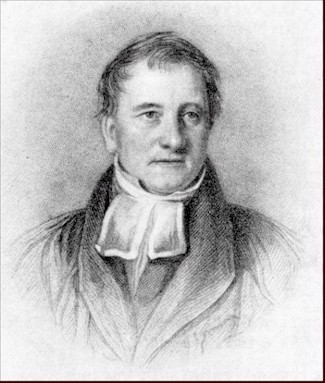
Portrait: Unknown authorUnknown author / Wikimedia Commons / Public domain Henry Duncan
Minister who gathered the broken pieces and re-erected the cross in the manse garden in 1823
-
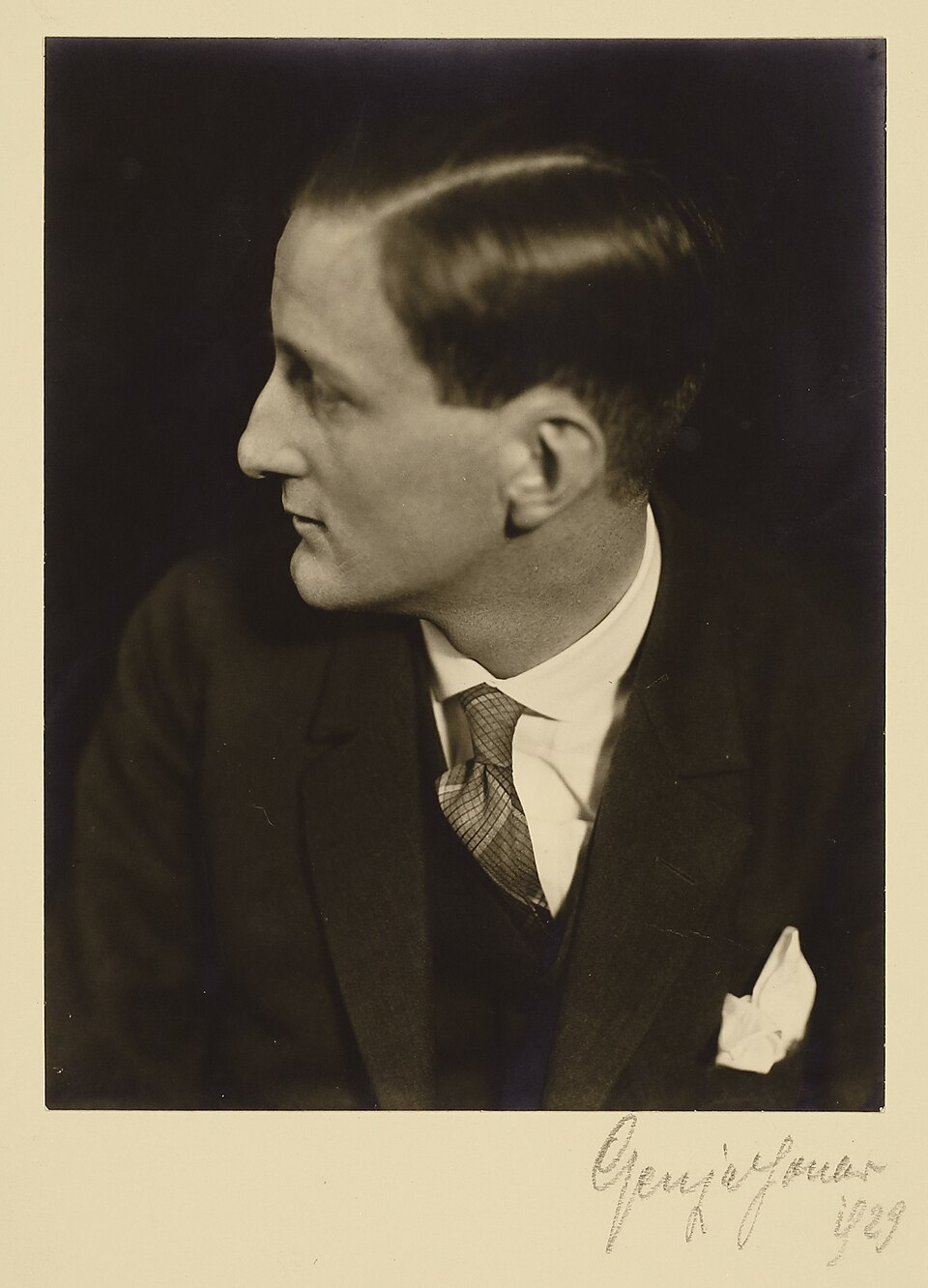
Portrait: Genja Jonas (+ 1938) / Wikimedia Commons / Public domain Nikolaus Pevsner
Art historian who called the Bewcastle and Ruthwell crosses 'the greatest achievement of their date in the whole of Europe'
-
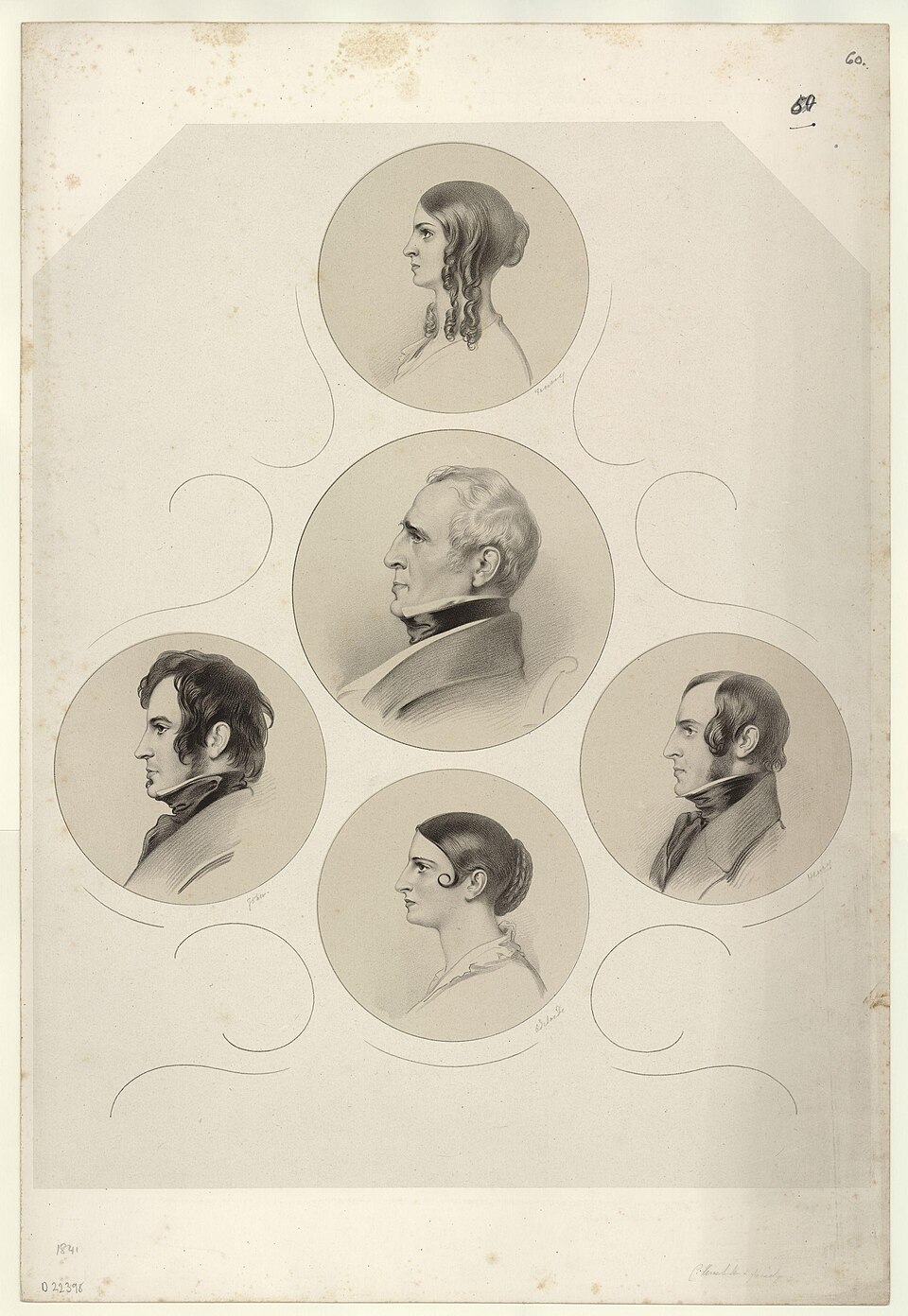
Portrait: Richard James Lane / Wikimedia Commons / Public domain John Mitchell Kemble
Scholar whose 1840s readings of the runes advanced the Dream of the Rood interpretation
-
Reginald Bainbrigg
Antiquarian who first recorded the runic inscription around 1600 for William Camden's Britannia
-
Fred Orton
Scholar who argued the monument may originally have been a column rather than a cross
Cultural influences
-
Insular art tradition — Anglo-Saxon crosses are closely related to contemporary Irish high crosses; the Ruthwell Cross is the most famous and elaborate Anglo-Saxon monumental sculpture and bears the largest figurative reliefs on any surviving Anglo-Saxon cross.
-
Christian iconographic programme — the carved panels form a sophisticated, unified scheme depicting Christ and biblical scenes, 'almost an academician's monument', remaining one of the most extensively studied visual programmes of the early Middle Ages.
-
Old English poetry — the runic inscription contains lines similar to lines 39–64 of The Dream of the Rood, possibly making the cross a candidate for the oldest surviving text predating any manuscript of Old English poetry, though many scholars believe the runes were added later, perhaps as late as the 10th century.
Connections
-
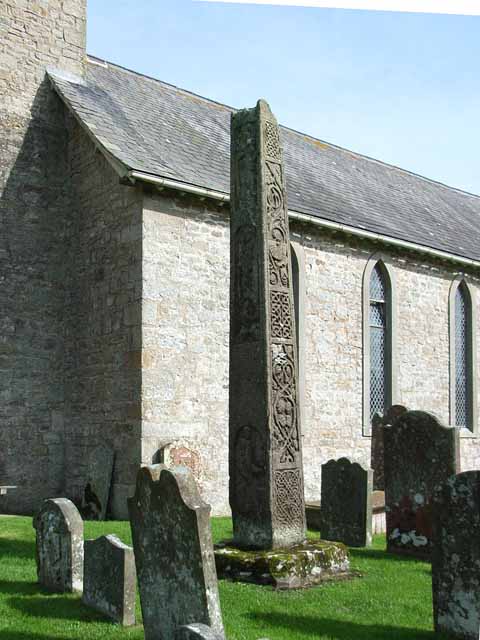
Photo: Oliver Dixon / Wikimedia Commons / CC BY-SA 2.0 Bewcastle Cross
Closely related Northumbrian cross, probably by the same artists, sharing the very similar Christ-and-beasts panel
-
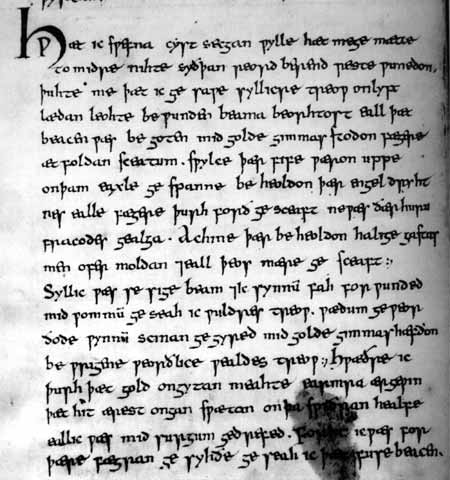
Photo: On Being / Wikimedia Commons / Public domain The Dream of the Rood
Old English poem whose lines are echoed in the cross's runic inscription (Vercelli Book version)
-
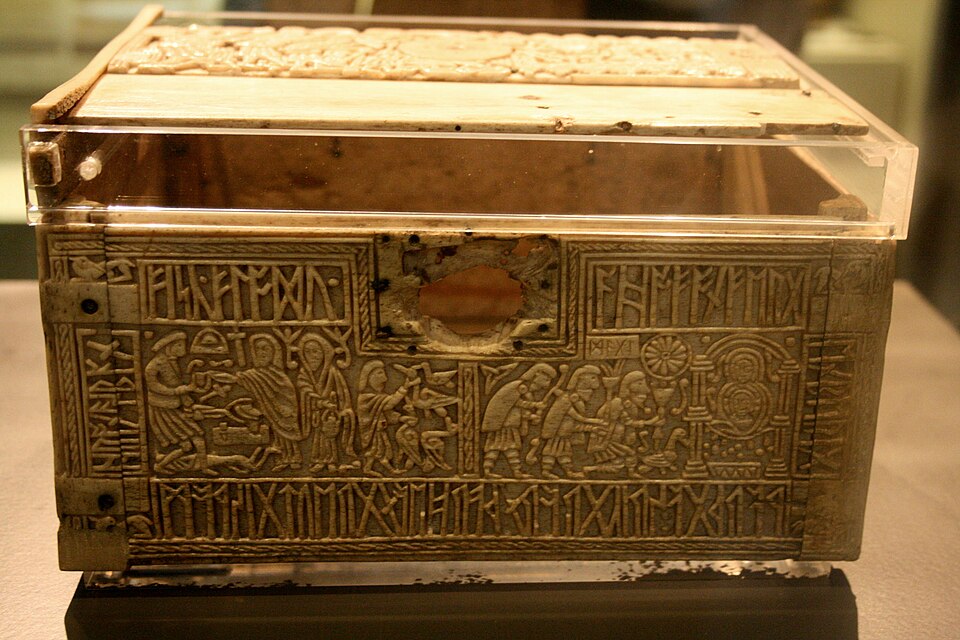
Photo: Unknown / Wikimedia Commons / CC BY-SA 3.0 Franks Casket
Early-8th-century Anglo-Saxon work of similar age, also bearing runic text
-
Kingdom of Northumbria
The Anglo-Saxon kingdom to which Ruthwell belonged when the cross was made
In culture
-
The cross has been a major focus of art-historical and literary scholarship for centuries, described as 'one of the most extensive and most studied of all surviving visual programs of the early Middle Ages'. The Visionary Cross project (Catherine Karkov, Daniel Paul O'Donnell, Roberto Rosselli Del Turco) 3D-scanned it in 2012.
What to look for
-
The large north-side panel showing Christ treading on the beasts (or 'Christ as Judge recognised by the beasts in the desert'), surrounded by a unique Latin inscription naming Jesus Christ the judge of righteousness.
-
The south-side panel of Mary Magdalene drying Christ's feet, bordered by the longest Latin inscription on the cross.
-
Other identified scenes: Saints Paul and Antony breaking bread in the desert, the Flight (or Return) into/from Egypt, the Healing of the man born blind, the Annunciation, and a later Crucifixion.
-
The runic inscriptions carved at the sides of the vine-tracery, recorded since around 1600, containing lines paralleling The Dream of the Rood.
-
The surviving Evangelist figures (St Matthew and St John) on the arms of the cross-head; the side arms and centre roundel are modern replacements.
Plan your visit
- Location
- 55.0004°N · 3.4075°W
- Nearest settlement
- Ruthwell
- Access
- Open access
- Terrain
- Easy going
- Parking
- Parking available nearby — see the official getting-here page.
- Start point
- At Ruthwell 8.5m south east of Dumfries, sited within the parish church on the B724. · National Grid reference - NY 100 682 · Telephone: 0131 558 9326
- Best time
- For more information visit www.ruthwellkirk.org.uk Opening times The Ruthwell Cross is free to visit and is situated in Ruthwell Parish Church.
- Start point
- Ruthwell Parish Church — The cross stands inside Ruthwell Parish Church on the B724. HES states parking is available; this is informal parking at the church rather than a marked car park.
Opening & admission
Free entry
- For more information visit www.ruthwellkirk.org.uk Opening times The Ruthwell Cross is free to visit and is situated in Ruthwell Parish Church.
Nearby places
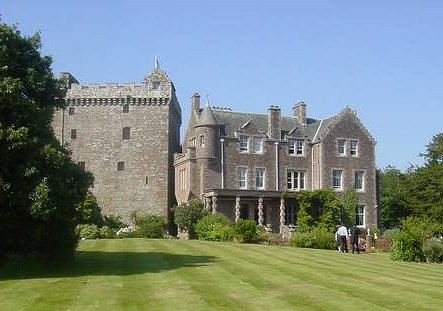
Fortified place · Medieval
Comlongon Castle
Dumfries and Galloway
An exceptionally complete red sandstone tower house that preserves the Royal Arms of Scotland above its hearth and a dozen chambers built into the…
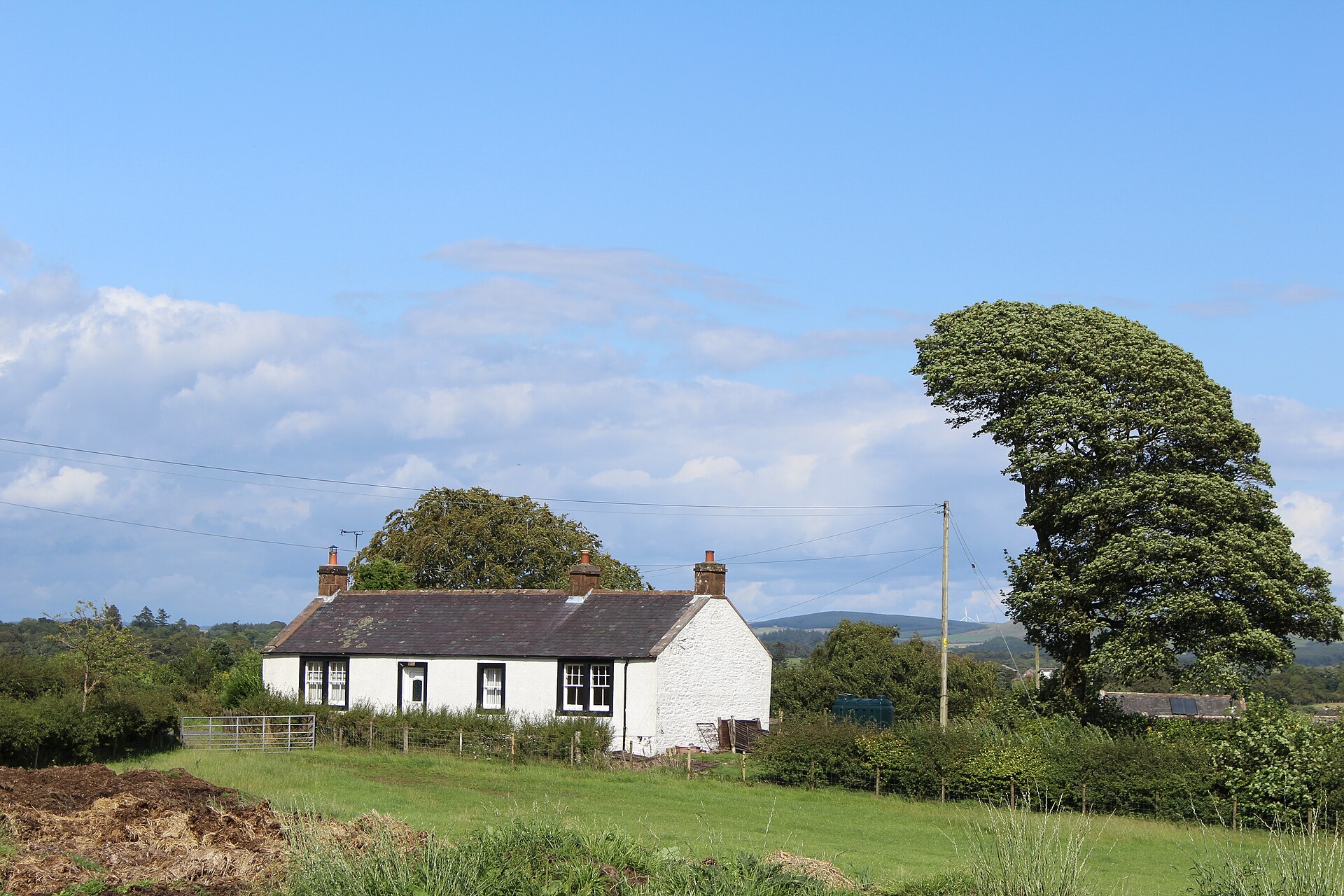
Minor monument · Medieval
Dovecot, Denbie
Dumfries and Galloway
Dovecote with HES-listed pre-1800 evidence (1775).
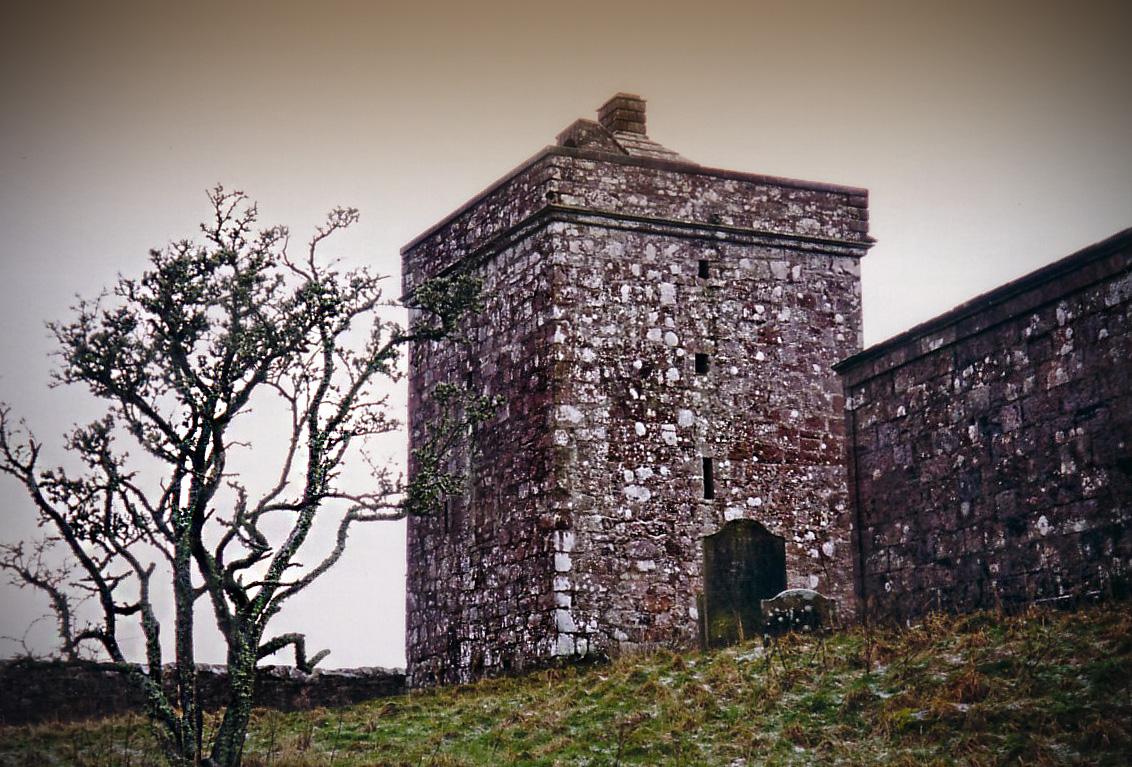
Fortified place · Medieval
Repentance Tower
Dumfries and Galloway
A rare surviving Border beacon-tower, Repentance Tower embodies the sixteenth-century warning system that watched the western Marches for English i…
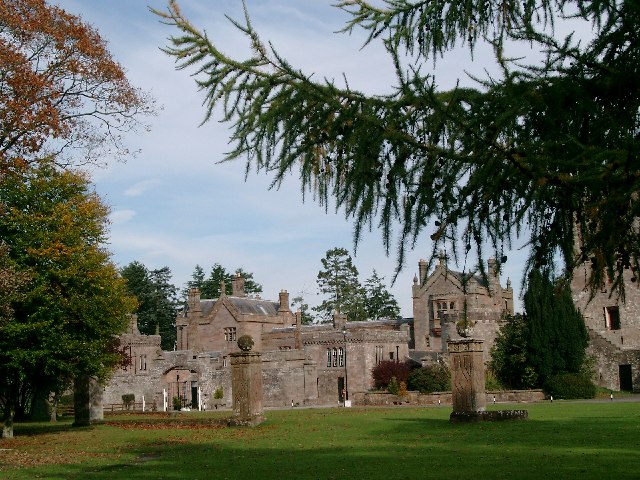
Fortified place · Medieval
Hoddom Castle
Dumfries and Galloway
Hoddom traces the arc of a Border stronghold — from a besieged sixteenth-century tower fought over during Mary, Queen of Scots' wars to a derelict…
Sources
- Canmore site record 66586 (accessed 2026-06-13)
- Trove (HES) record (accessed 2026-06-13)
- Wikipedia: Ruthwell Cross (accessed 2026-06-13)
- Wikidata Q282923 (accessed 2026-06-13)
Explore more: Carved stones · Pictish & early medieval · Dumfries and Galloway
The Ancient Codex, in your pocket
Get the Pocket Codex app
Carry the directory with you — Ruthwell Cross and thousands of ancient places across Britain and Ireland, offline, wherever you roam.