
A rare pink-sandstone Renaissance palace built for the 1st Duke of Queensberry, holding part of the Buccleuch art collection with works by Rembrandt and Leonardo da Vinci.
Drumlanrig Castle stands above the valley of the Nith, raised on the site of an older Douglas stronghold. The present building was commissioned by William Douglas, 1st Duke of Queensberry, and constructed between 1679 and 1689 in the Renaissance manner of the late seventeenth century. Its walls are cut from a local sandstone whose warm rose tint long ago earned it the nickname the ‘Pink Palace’. The scale is considerable — some 120 rooms, four flanking towers and seventeen turrets — while formal gardens were laid out between 1675 and 1697 along principles associated with the architect Sir William Bruce, later gaining water cascades added by Sir John Clerk of Penicuik between 1728 and 1732. Today the castle belongs to the Dukes of Buccleuch and Queensberry, and it holds part of the family’s celebrated art collection, including Rembrandt’s An Old Woman Reading and Leonardo da Vinci’s Madonna of the Yarnwinder — the latter stolen in 2003, recovered in 2007, and since lent to the Scottish National Gallery. A Roman fort, uncovered close by in 1984, hints at far older occupation of the ground. The interior opens to visitors only at limited times of year, though the surrounding grounds stay accessible for much longer.
What follows is drawn from published sources, with each claim labelled by how firmly it is established.
What to look for
-
The rose-pink local sandstone that gives the castle its 'Pink Palace' nickname
-
Four corner towers and seventeen turrets crowning the late-17th-century front
-
The Buccleuch art collection, including Rembrandt's An Old Woman Reading
-
Traces of the formal gardens first laid out between 1675 and 1697, with later 18th-century cascades
-
The site of a Roman fort discovered nearby in 1984
Plan your visit
- Location
- 55.2737°N · 3.8087°W
Nearby places
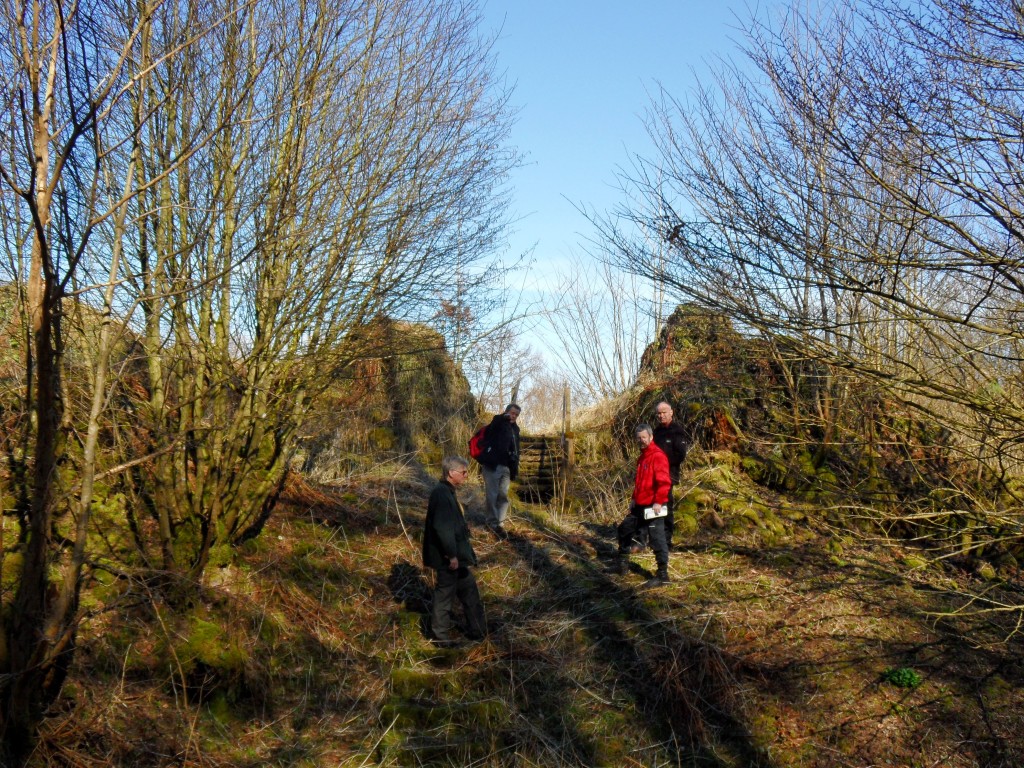
Fortified place · Medieval
Tibbers Castle
Dumfries and Galloway
A stone castle first documented in 1298, Tibbers passed repeatedly between English and Scottish hands during the Wars of Independence, changing sid…
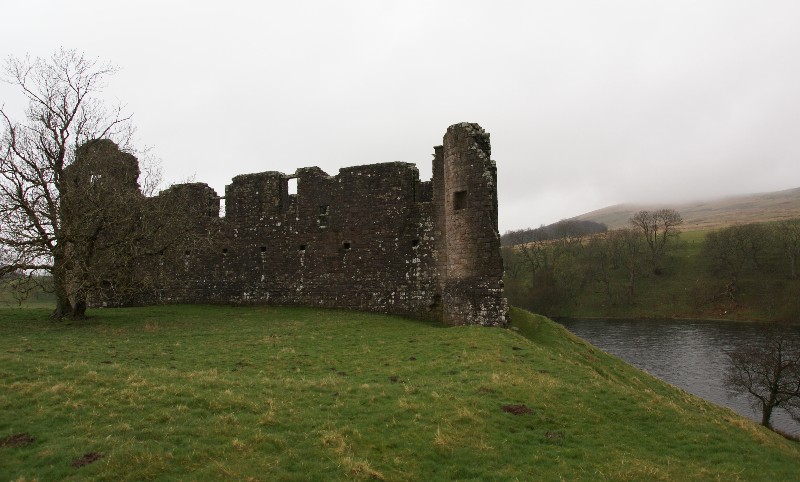
Fortified place · Medieval
Morton Castle
Dumfries and Galloway
A rare triangular medieval castle guarding the strategic Nith valley, later a Douglas hunting lodge and now a Scheduled Ancient Monument beside its…
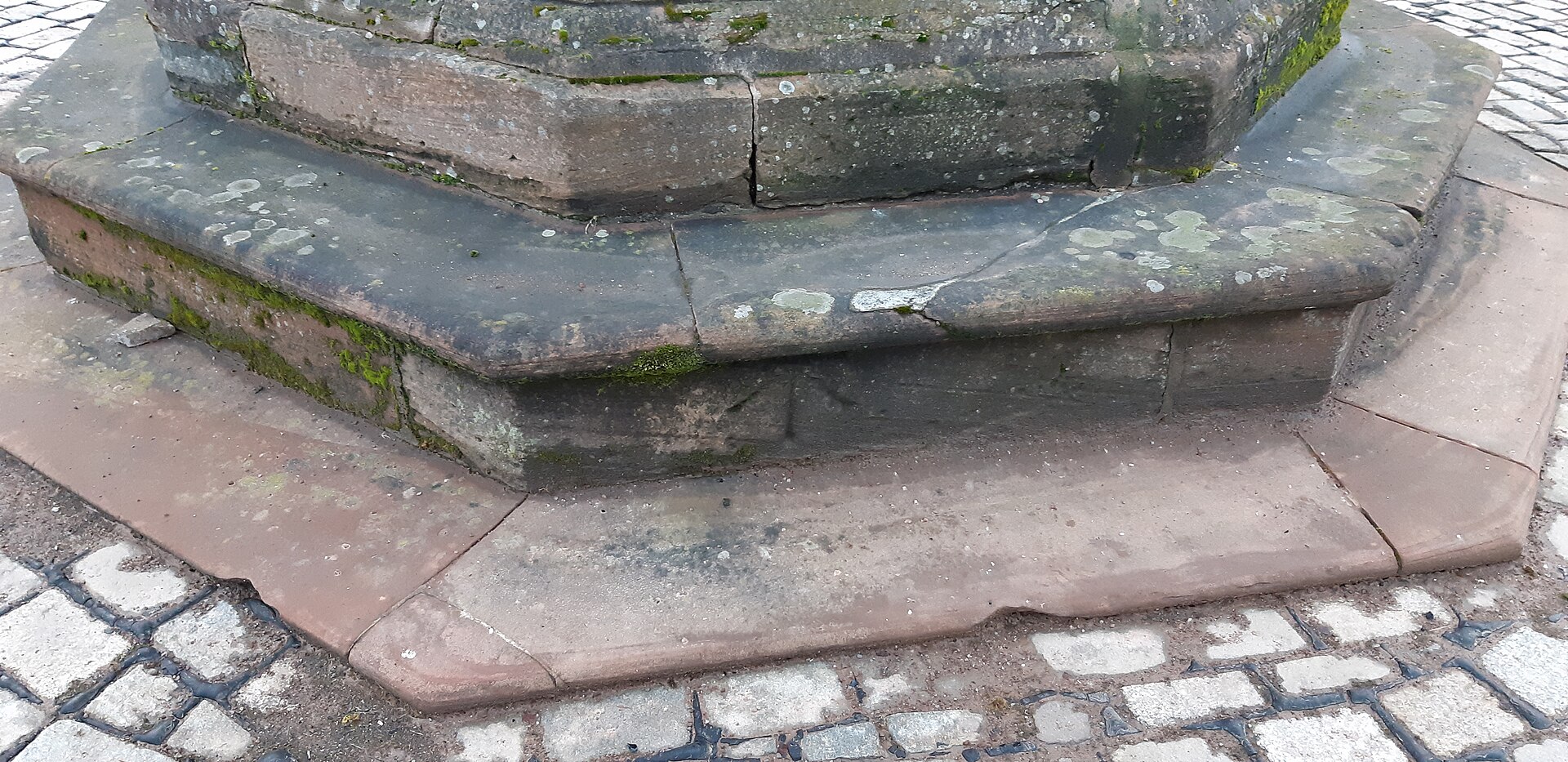
Minor monument · Medieval
Market Cross, Drumlanrig Street, Thornhill
Dumfries and Galloway
Mercat cross with HES-listed pre-1800 evidence (1714).
- Easy path
The Ancient Codex, in your pocket
Get the Pocket Codex app
Carry the directory with you — Drumlanrig Castle and thousands of ancient places across Britain and Ireland, offline, wherever you roam.