
A carved slab reused as church paving now stands inside Fordoun parish church. The Fordoun Stone is a Class II Pictish cross slab, meaning a Pictish carved stone where a Christian cross is combined with symbol and figure carving.
The stone is made of Old Red Sandstone and carries several layers of inscription and imagery: interlaced crosswork, a hunting scene, a double disc and Z-rod, Ogham along the edges, and the Roman-script word Pidarnoin on the face.
What follows is drawn from published sources, with each claim labelled by how firmly it is established.
History
The Fordoun Stone stands in Fordoun parish church at Auchenblae, Aberdeenshire.
It is a Class II Pictish cross slab.
The slab is made of Old Red Sandstone.
It was discovered in the late eighteenth century after reuse as paving in Fordoun Parish Church.
The face bears a Celtic cross with interlaced knotwork.
The slab also shows a hunting scene and a double disc and Z-rod design.
Ogham script runs along the edges of the stone.
A Roman-script inscription reading Pidarnoin appears on the face.
Plan your visit
- Location
- 56.8962°N · 2.4512°W
- Access
- Open access
- Terrain
- Easy going
Opening & admission
The source pack does not provide reliable current admission details; verify before travelling.
- The stone stands inside Fordoun parish church; check church access before travelling.
Nearby places
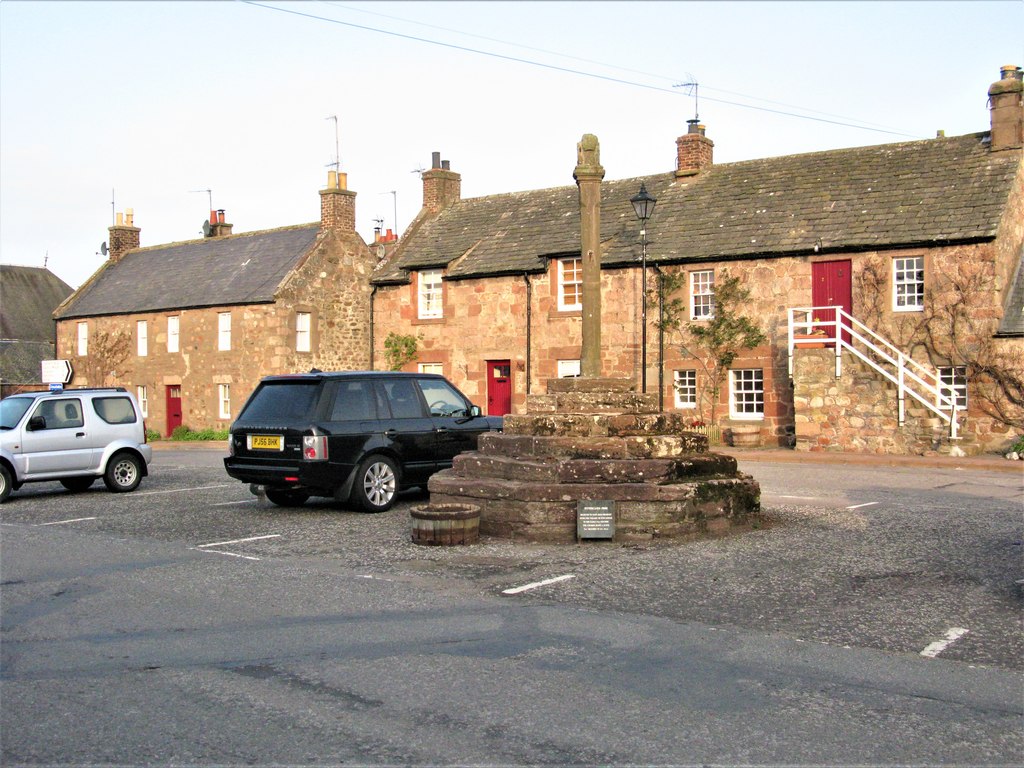
Minor monument · Medieval
Market Cross, The Square, Fettercairn
Aberdeenshire
Mercat cross with HES-listed pre-1800 evidence (1670).
- Easy path
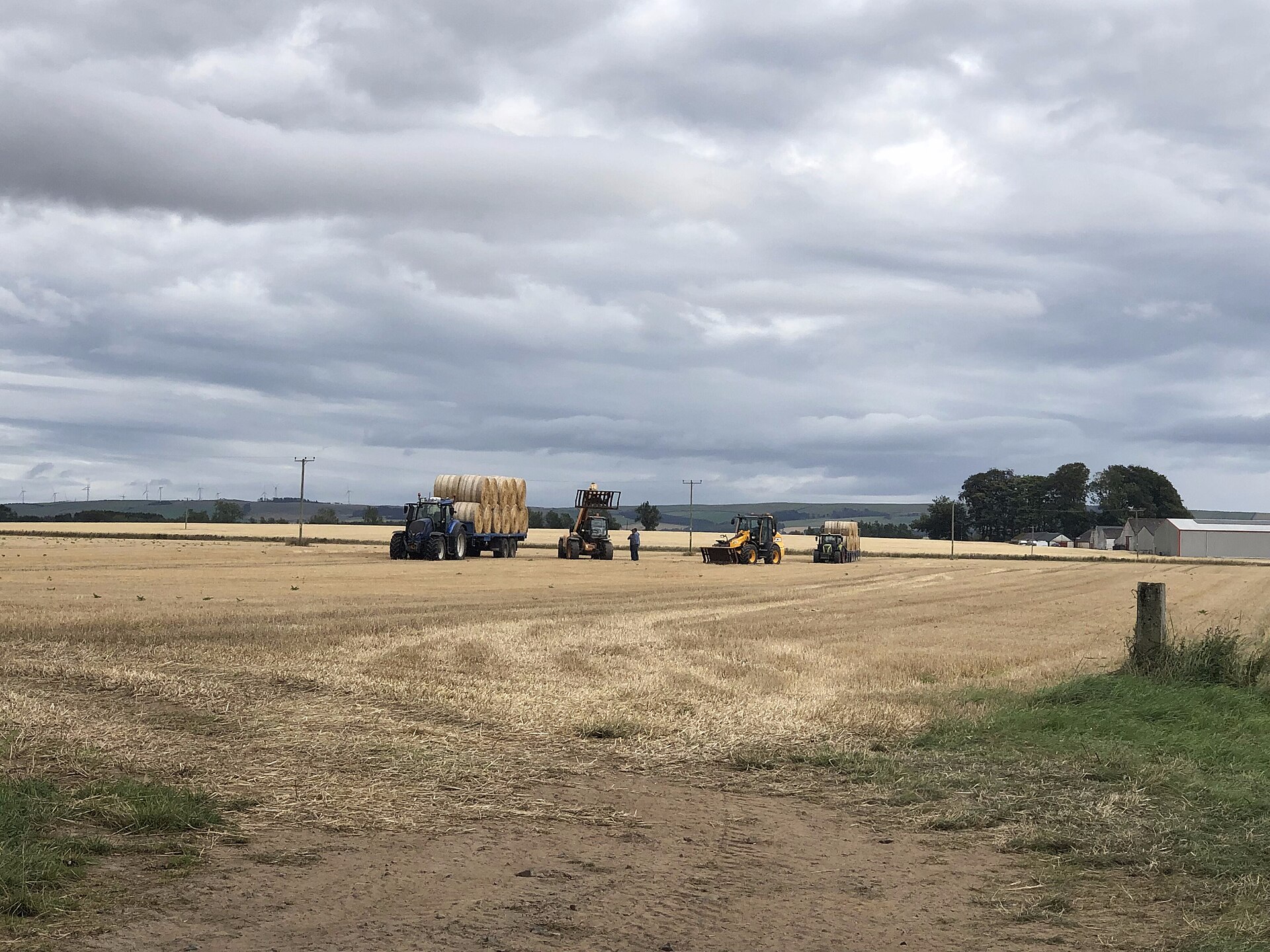
Minor monument · Medieval
Dovecot, Balbegno Castle
Aberdeenshire
Dovecote with HES-listed pre-1800 evidence (17th century).
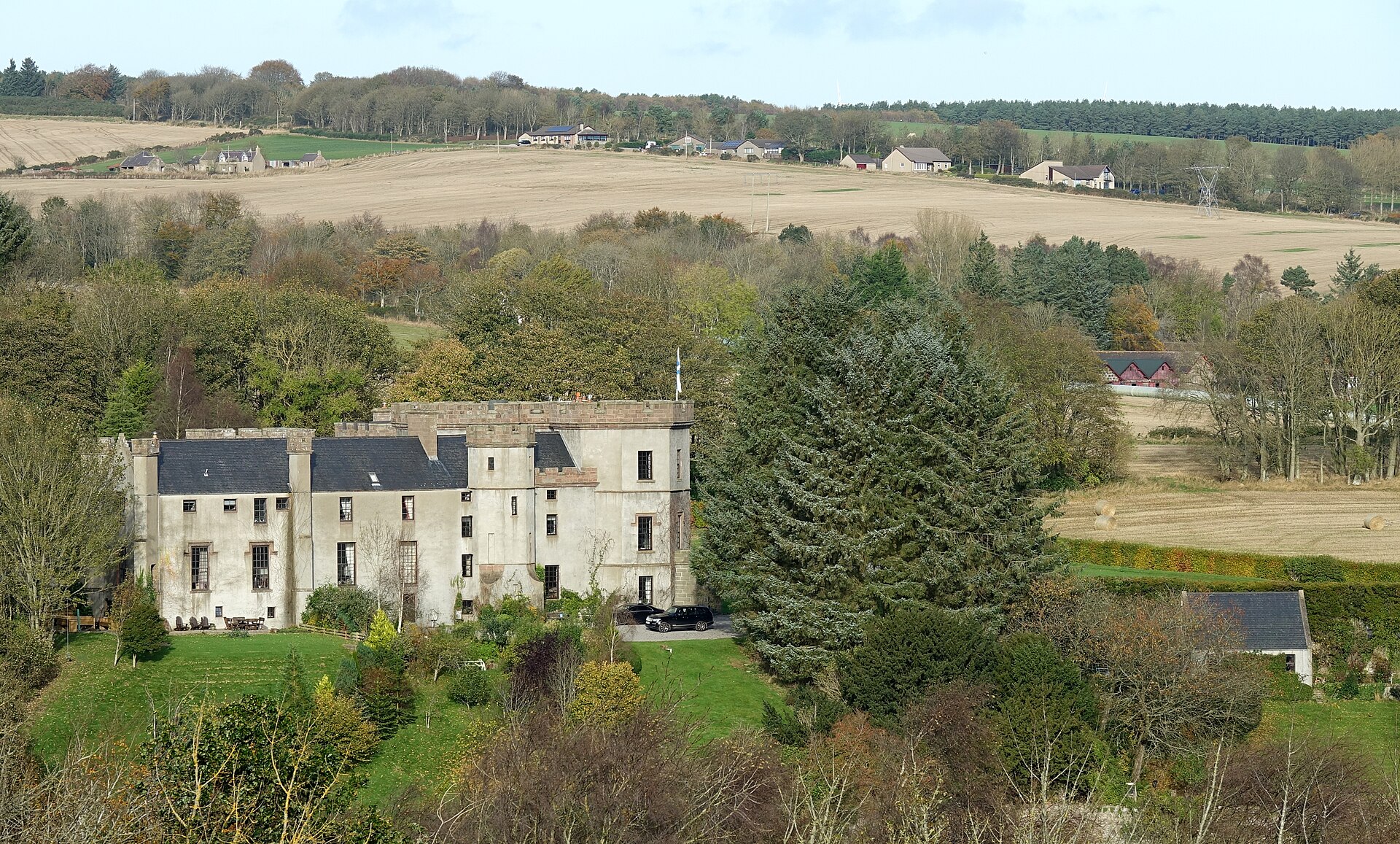
Minor monument · Medieval
Dovecot, Fetteresso Castle
Aberdeenshire
Dovecote with HES-listed pre-1800 evidence (16th century).
Questions people ask
- What is the Fordoun Stone?
- It is a Class II Pictish cross slab standing in Fordoun parish church.
- What is a Class II Pictish cross slab?
- It is a Pictish carved stone that includes a Christian cross along with other symbols or scenes.
- How was it found?
- The pack says it was discovered in the late eighteenth century after being reused as church paving.
- What inscriptions does it carry?
- It has Ogham script along the edges and a Roman-script inscription, Pidarnoin, on the face.
Sources
Explore more: Carved stones · Pictish & early medieval · Aberdeenshire
The Ancient Codex, in your pocket
Get the Pocket Codex app
Carry the directory with you — Fordoun Stone and thousands of ancient places across Britain and Ireland, offline, wherever you roam.