
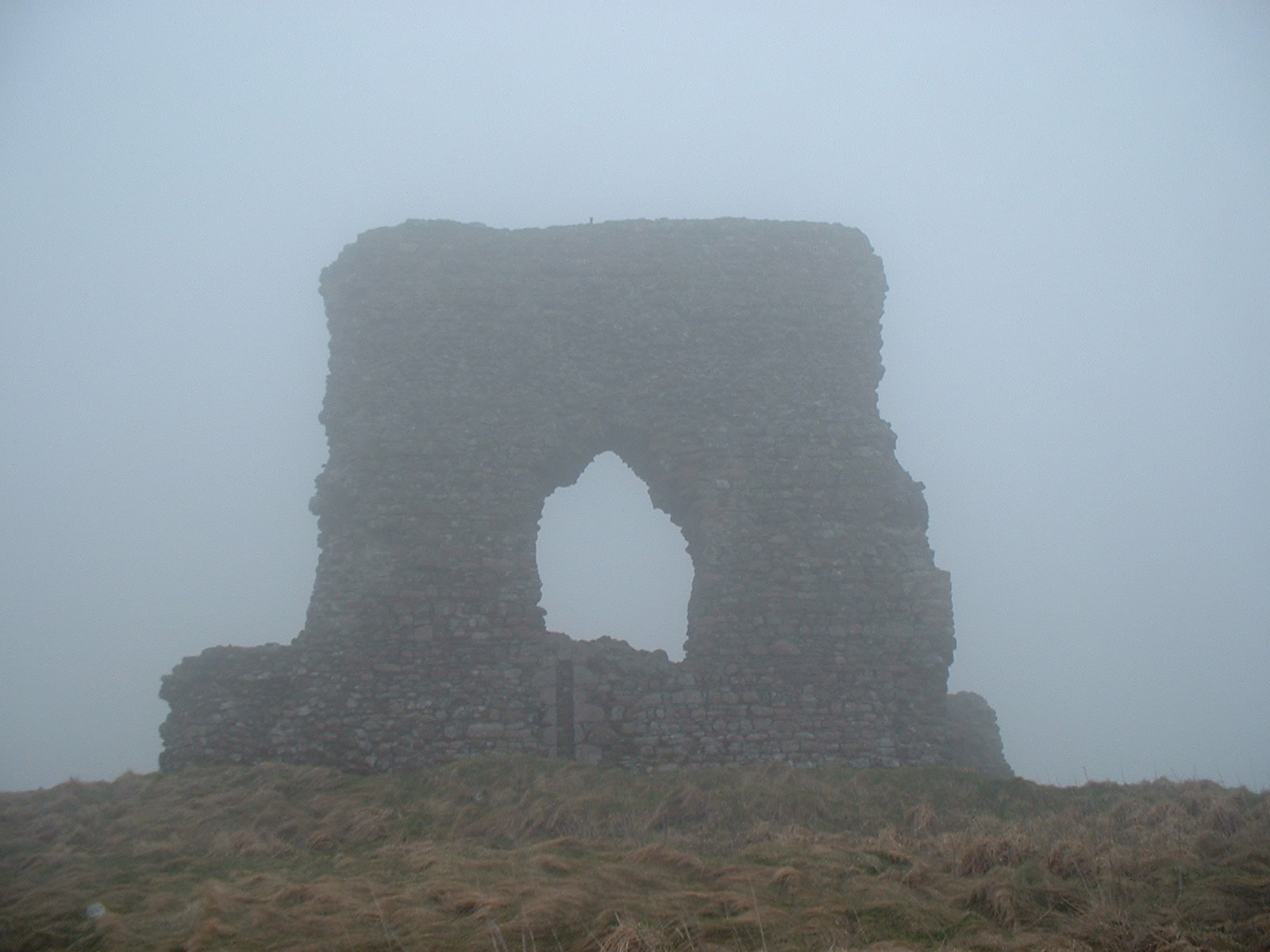
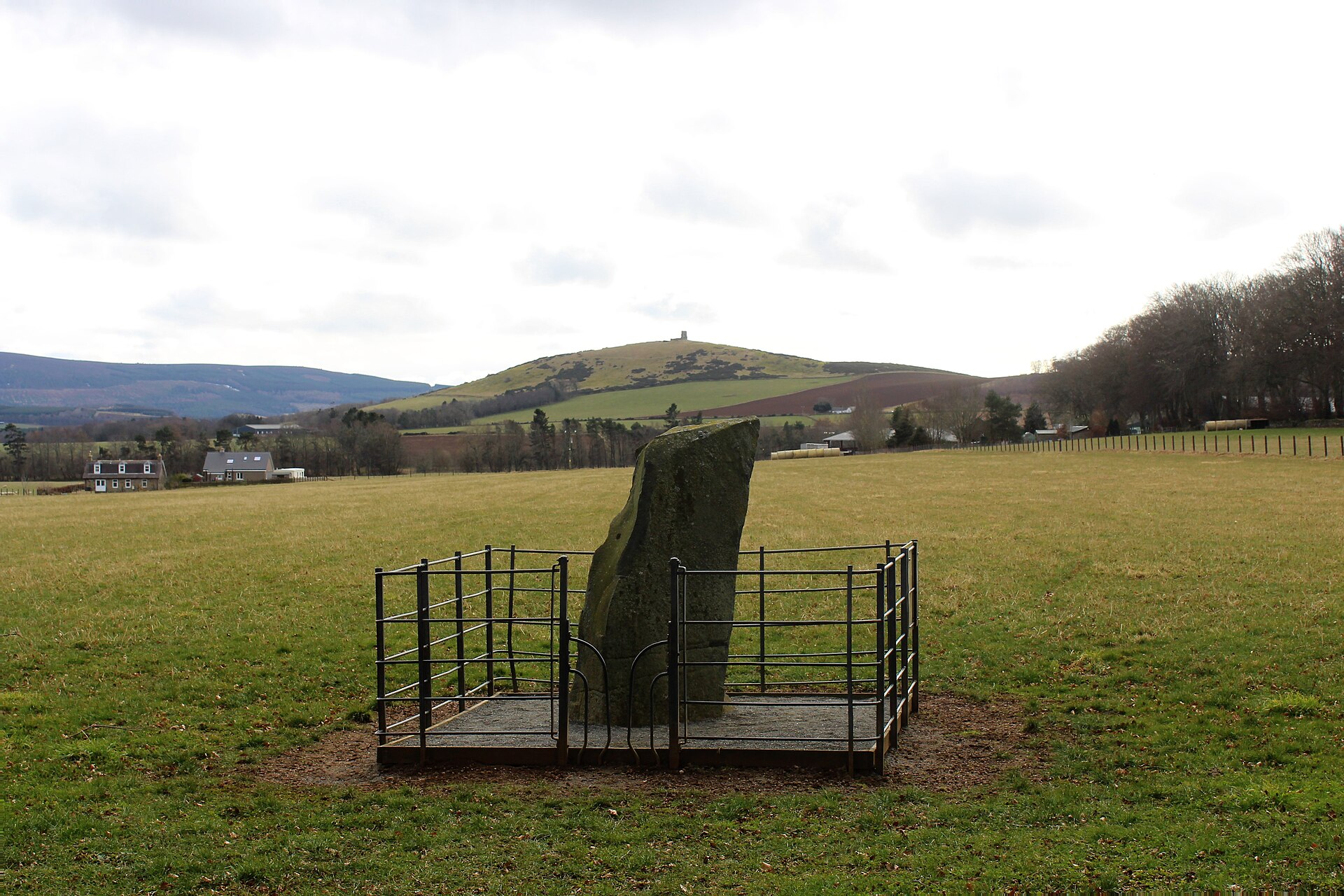
Three stones stand close to Dunnideer Castle, the stripped remnant of a once more substantial prehistoric ring. Dunnideer stone circle is a mostly destroyed recumbent stone circle, with only the horizontal recumbent and its two flanking stones surviving.
The source pack records both loss and debate. Several stones were removed in the nineteenth century, early writers described a larger circle, and Aubrey Burl with Clive Ruggles later suggested the possibility that there may only ever have been three stones.
What follows is drawn from published sources, with each claim labelled by how firmly it is established.
History
Dunnideer stone circle lies near Insch, close to Dunnideer Castle. It is thought to have been created in the Neolithic age.
Several stones were removed in the nineteenth century. John Lesley described the circle in his Historie of Scotland in 1578.
By the 1820s James Skene sketched only three or possibly four orthostats. The Ordnance Survey reported only three stones by 1867.
Frederick Coles confirmed three stones in a paper published in 1902. Aubrey Burl and Clive Ruggles proposed in 1985 that there may only ever have been three stones.
The surviving stones are gabbro and include the recumbent and its two flankers. The circle became a scheduled monument in 1925.
People
-
John Lesley
sixteenth-century historian who described the circle.
-
James Skene
artist who sketched the depleted circle in the 1820s.
-
Frederick Coles
antiquarian who confirmed the three-stone survival in 1902.
-
Aubrey Burl
researcher who proposed an alternative three-stone interpretation.
-
Clive Ruggles
researcher who co-proposed the alternative interpretation.
Plan your visit
- Location
- 57.3449°N · 2.6519°W
- Access
- Open access
- Terrain
- Moderate walking
Opening & admission
The source pack does not provide reliable current admission details; verify before travelling.
- The scheduled stones lie close to Dunnideer Castle.
Nearby places
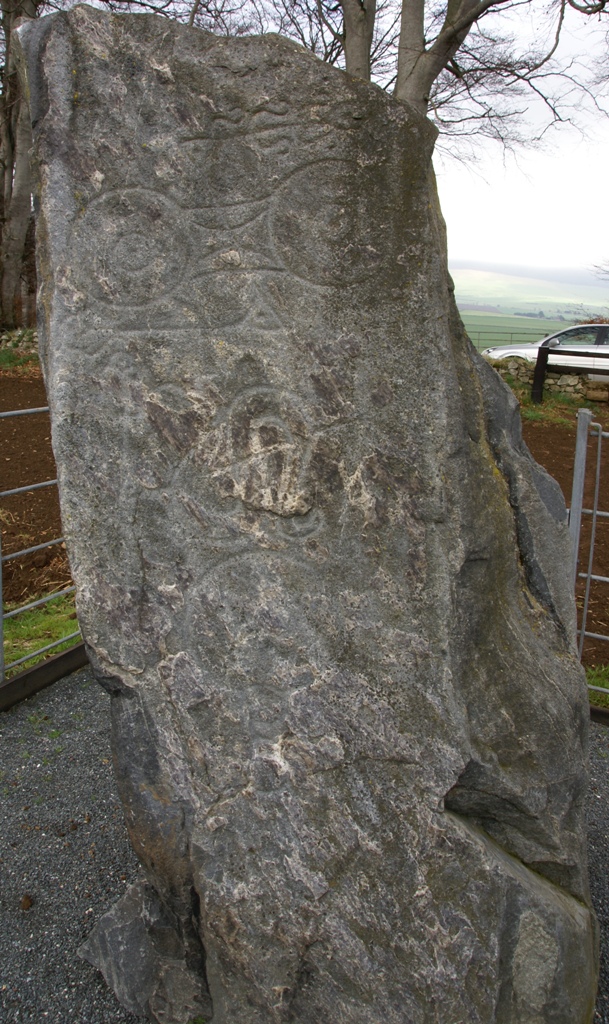
Carved stone · Pictish & early medieval
Picardy Symbol Stone
Aberdeenshire
The Picardy Symbol Stone is a Pictish symbol stone near Huntly, Aberdeenshire. Its carvings are dated to around AD 600, and it is a scheduled monum…
- Near Insch
- Easy path
Questions people ask
- What survives at Dunnideer stone circle?
- The pack says three stones survive: the recumbent and two flankers.
- What is a flanker?
- In a recumbent stone circle, a flanker is one of the upright stones placed beside the horizontal recumbent slab.
- Were more stones removed?
- The source says several stones are known to have been removed in the nineteenth century.
- Is the original layout certain?
- No. Most accounts imply a larger circle, but Burl and Ruggles proposed in 1985 that there may only ever have been three stones.
Sources
Explore more: Tomb or burial places · Prehistoric · Aberdeenshire
The Ancient Codex, in your pocket
Get the Pocket Codex app
Carry the directory with you — Dunnideer stone circle and thousands of ancient places across Britain and Ireland, offline, wherever you roam.