
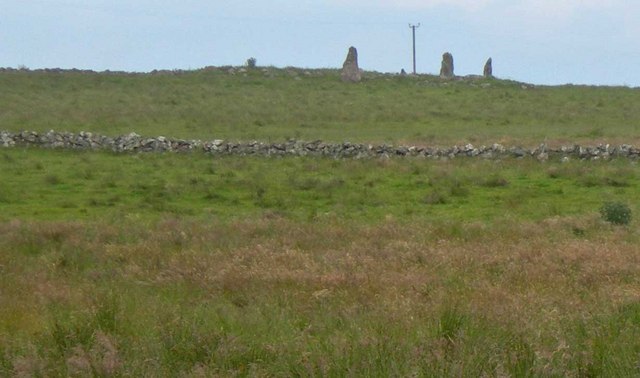
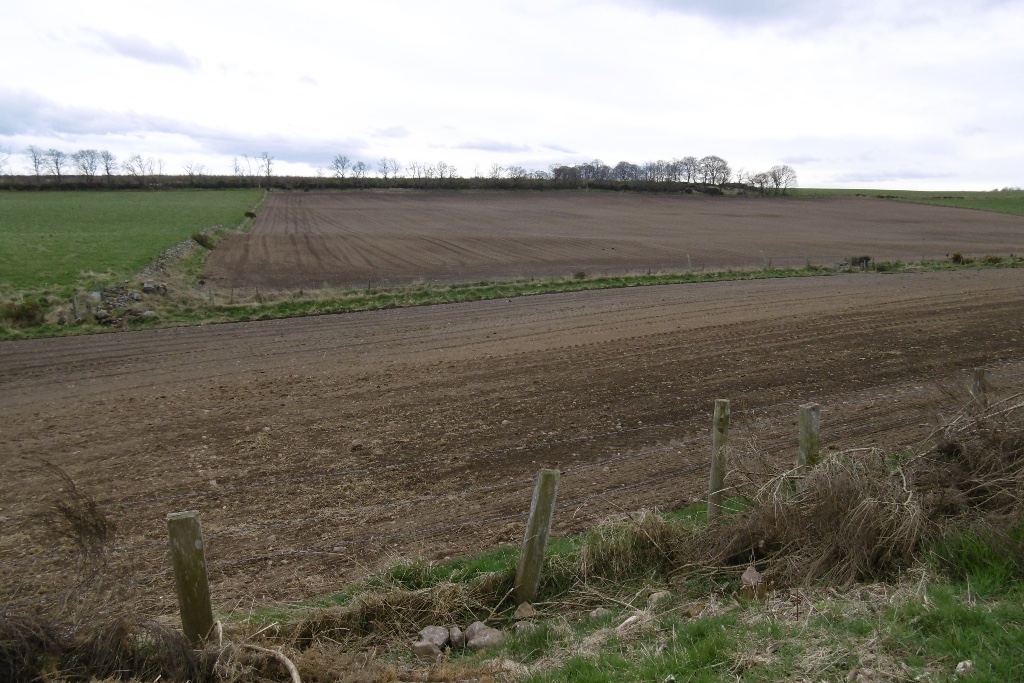
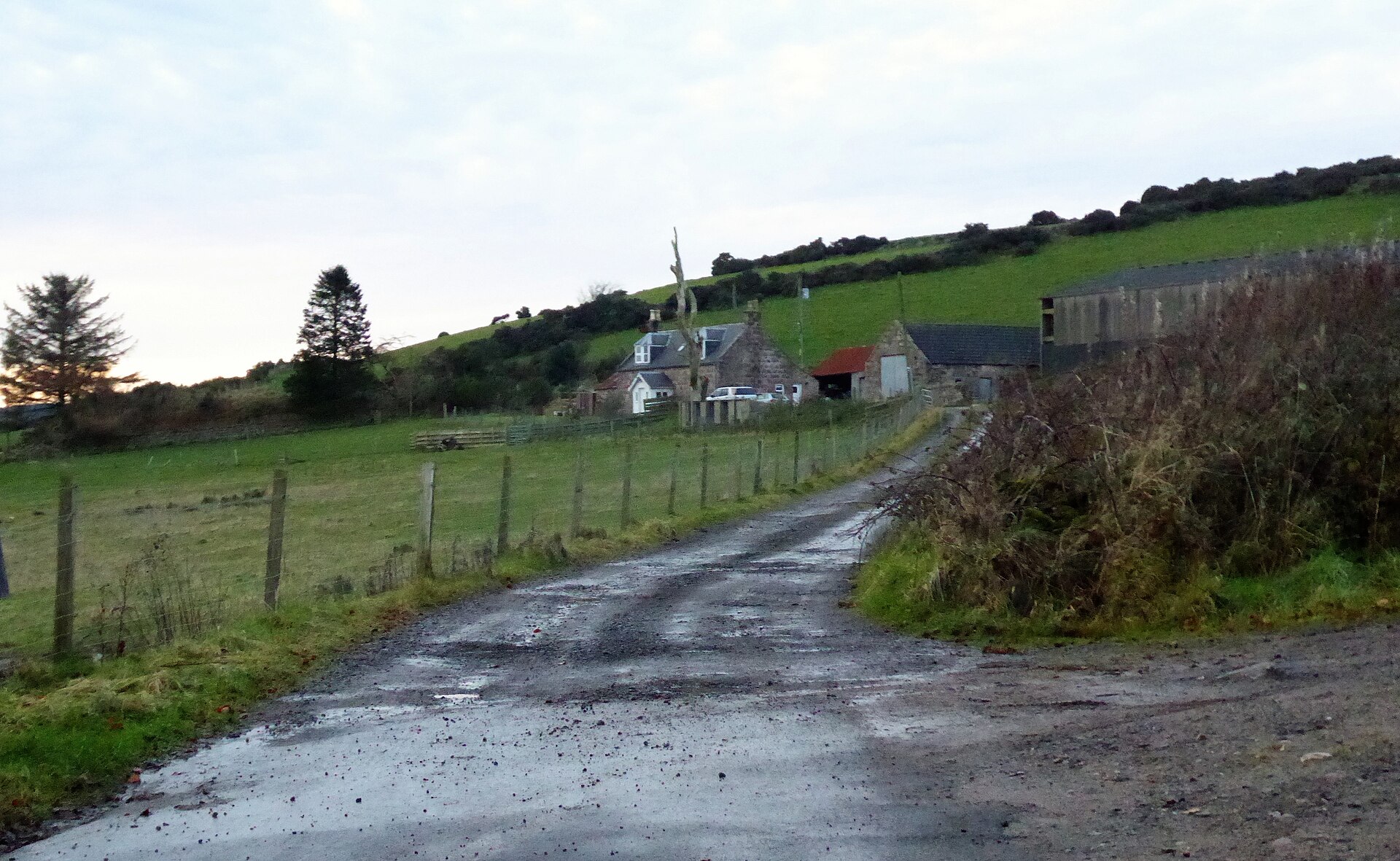
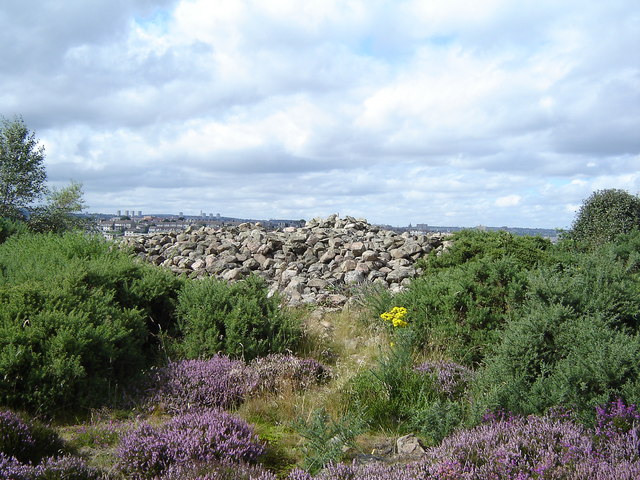
Two rings of stones and cairn remains sit in a field near Portlethen, one field away from Auld Bourtreebush. Aquhorthies is a Neolithic stone circle with a ring cairn, and the source pack treats it as an unusual recumbent circle with two rings.
Its damaged cairn, surviving orthostats, missing flanker, and atypical forecourt make it stand apart from the standard Aberdeenshire pattern. Antiquarians, surveyors, and excavators repeatedly returned to the site from the seventeenth century onward.
What follows is drawn from published sources, with each claim labelled by how firmly it is established.
History
Aquhorthies stands near Portlethen, close to Auld Bourtreebush stone circle and the Causey Mounth. The site combines a ring cairn and a recumbent stone circle with two rings.
It originally had at least eighteen orthostats, with fourteen remaining according to the pack. The cairn has been damaged, with only the kerb intact.
James Garden visited in 1692, though his report confused Aquhorthies with Auld Bourtreebush. James Dyce Nicol, Charles Dalrymple, James Nicolson, Captain James Burnett, Harry Stuart, and Alexander Thomson excavated the site in 1858.
The excavation found burnt bone fragments and pottery sherds in an already-plundered cairn. Alexander Keiller noted the atypical number of stones in 1934.
A geological survey was carried out in 2006.
People
-
James Garden
antiquarian visitor in 1692.
-
James Skene
artist who drew the site in the 1820s.
-
Alexander Keiller
observer who noted the unusual stone count.
-
Clive Ruggles
researcher who checked for archaeo-astronomical alignments in 1981.
Plan your visit
- Location
- 57.0580°N · 2.1635°W
- Access
- Open access
- Terrain
- Easy going
Opening & admission
The source pack does not provide reliable current admission details; verify before travelling.
- The pack places the monument in a field near Portlethen and identifies it as scheduled; verify local access before travelling.
Nearby places
Building or ruin · Medieval
Normandykes
Aberdeen City
As a large Roman marching camp near Aberdeen, it marks one stage of Rome's military advance into north-east Scotland.
Questions people ask
- What survives at Aquhorthies?
- The pack describes fourteen remaining orthostats, two of them stumps, plus the damaged kerb of a ring cairn.
- Why is it unusual?
- It is described as a recumbent stone circle with two rings and an atypical forecourt in front of the recumbent.
- What did the 1858 excavation find?
- The excavators found burnt bone fragments and pottery sherds in a cairn that had already been plundered.
- How is it protected?
- Aquhorthies was made a scheduled monument in 1925.
Sources
Explore more: Tomb or burial places · Prehistoric · Aberdeenshire
The Ancient Codex, in your pocket
Get the Pocket Codex app
Carry the directory with you — Aquhorthies stone circle and thousands of ancient places across Britain and Ireland, offline, wherever you roam.